The Fear Factor: Why Scary Adventures Are Actually Rewarding
Learn practical tips for safe adventure travel and how facing fear can turn risky spots into rewarding experiences.
Adventure travel is often seen as dangerous, but the reality is more nuanced. The fear factor can attract people looking for an adrenaline rush and a good story. When the trip is planned and run responsibly, it is organized, exciting, and rewarding. This article looks at how the myth of peril gives way to real adventure travel, how travelers can face their fears, and why extreme experiences can become personal milestones.
Myth vs. Reality: The Dangerous-Looking Destination
Travel brochures and social media often show cliff‑side zip lines, high peaks, and fast rivers. The pictures are dramatic and suggest high risk, which makes adventure travel seem only for the fearless. In reality, most of these places are carefully managed. Guides receive training, routes are mapped, and safety rules are followed. The label "dangerous‑looking" hides the fact that the activity is designed to limit real danger while keeping excitement.
The Adventure Travel Reality
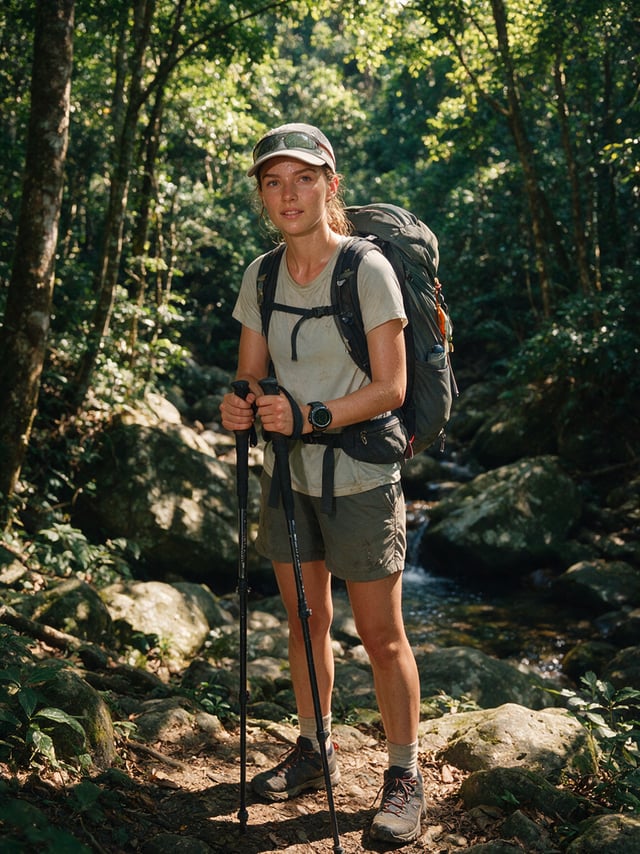
On a well‑planned trek you first notice the level of organization. Local operators give detailed itineraries, check equipment, and hold briefings that set clear expectations. This structure turns a potentially chaotic trip into a smooth, rewarding journey. Participants learn to read terrain, respect weather, and trust their guides. The mix of challenge and safety lets the thrill of the unknown be felt without unnecessary risk.
Safe Adventure Travel: Preparing for the Unknown
Safety starts before you lace up your boots. Research reputable operators, verify insurance, and learn local regulations. Pack appropriate gear such as a helmet, harness, and waterproof layers to avoid preventable problems. A health check before the trip, especially for altitude or water activities, adds another layer of protection. Treating safety as a core part of the plan lets travelers enjoy the adventure while keeping risk low. For a comprehensive gear checklist, see Essential Backpack Gear Guide.
The Psychological Payoff: Adrenaline, Achievement, and Growth
Adrenaline rises during tough moments, but the lasting benefit comes from the sense of achievement afterward. Overcoming obstacles releases dopamine, which boosts confidence and resilience. Studies show that people who face controlled fear report higher life satisfaction. Adventure travel therefore acts as a mental‑strength catalyst, helping travelers approach future challenges with a calmer mindset. Read more about the mental benefits of travel in Psychology of Solo Road Tripping.
Overcoming Fear Travel: Practical Steps
- Identify the fear - Name the specific worry, such as heights, wildlife, or isolation. Naming reduces its power.
- Gradual exposure - Begin with low‑intensity activities like day hikes before attempting multi‑day trips.
- Learn the environment - Study local terrain, animal behavior, and emergency procedures. Knowledge replaces uncertainty.
- Use breathing techniques - Controlled breathing lowers heart rate during panic.
- Rely on a partner - Travel with a trusted companion or guide who can model calm behavior.
Following these steps turns fear into a manageable partner rather than a barrier. The skills you develop can be used on any adventure.
Extreme Adventure Experiences: What to Expect
Extreme experiences vary in size but share common elements: thorough preparation, skilled guides, and clear safety margins. Whether you are climbing, white‑water rafting on Class IV rapids, or paragliding over a canyon, the process is similar. Guides assess conditions, set communication protocols, and check that equipment meets standards. Participants are briefed on signals, rescue plans, and personal responsibilities. This systematic approach means the thrill comes from skillful navigation, not from unchecked danger. For handling extreme conditions, check Extreme Heat Travel Survival Guide.
Adventure Travel Tips for a Rewarding Journey - Plan early - Secure permits and lodging well in advance to avoid last‑minute stress. - Stay flexible - Weather can change quickly; have backup routes or activities. - Pack light and smart - Choose multi‑purpose items and keep weight manageable. - Hydrate and fuel - Keep energy up with regular water and balanced meals. - Document wisely - Capture moments, but stay present; too much phone use can distract. - Respect local culture - Talk with communities, learn basic phrases, and follow customs.
These tips support a well‑executed, rewarding expedition.
The Role of Community and Shared Stories
Travelers who share their experiences add to a collective knowledge base. Online forums, blogs, and local meet‑ups let adventurers exchange advice on routes, gear, and safety. This community support turns isolated fear into shared confidence. Reading others' stories gives newcomers realistic expectations and practical insights that smooth their own path.
Measuring Success: Beyond the Photo
Success in adventure travel is often measured by personal growth rather than the number of selfies. Reflect on moments when you pushed beyond comfort, learned a new skill, or overcame a mental block. Journaling these experiences creates a tangible record of achievement. Over time, these reflections show how facing fear reshapes self‑perception.
The fear factor is a gateway, not a wall. Understanding how adventure travel is organized, how safety is built in, and the psychological benefits lets travelers pursue extreme experiences with confidence. Start with a modest trek, use the steps above to face fear, and gradually expand your horizons. The reward is a richer sense of self, a deeper connection to nature, and stories that inspire others to explore responsibly.
If you’re budgeting your adventure, Budgeting for Global Road Trips offers useful tips.
Official sources
Details worth verifying before you go — checked against:
Travel Writer & Editor
Emily Johnson writes and edits Do Travel Blog. Every guide on the site starts the same way: with a question she actually had while planning — when to book, which pass to buy, how to get from A to B without overpaying. Where a number matters, she cites the source: park tickets link to the park's own fee page, visa rules to the official consulate, ferry times to the operator. Prices get re-checked against those pages before each update, and a guide is re-dated when its numbers move. Nothing here is sponsored — she doesn't accept payment for coverage. Spotted something stale or wrong? Email hello@dotravel.blog and she'll fix it.