Hitchhiking the Balkans: Belgrade to Sarajevo
A practical guide to hitchhiking from Belgrade to Sarajevo. Get tips on route planning, border crossings, and safety for your trip through the Balkans.
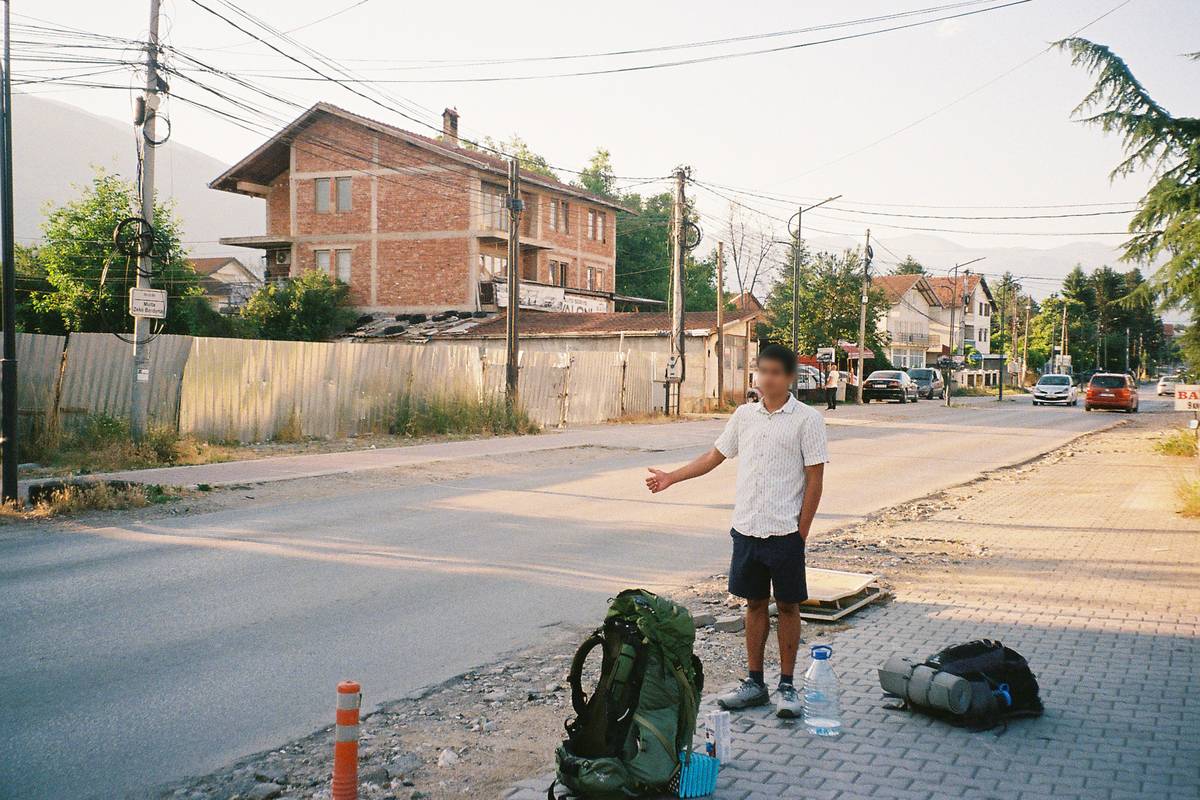
Hitchhiking from Belgrade to Sarajevo
There is a raw energy to the Balkan Peninsula that you cannot see from a tour bus or a rental car. For adventurous travelers, the appeal of hitchhiking lies in the unpredictability and the genuine connections made along the way. While many take the bus, hitchhiking offers a look into the region, turning a trip into a series of unplanned encounters and local stories. Traveling from Belgrade to Sarajevo is more than just crossing borders; it is a transition between two distinct cultural centers of the former Yugoslavia.
The route from Belgrade to Sarajevo goes through some of the most dramatic landscapes in Southeast Europe. Starting in the Serbian capital, the path winds through rolling hills, dense forests, and the rugged Dinaric Alps. Depending on the road you take, the landscape shifts from the flat plains of the north to the limestone peaks of the Bosnian interior. This corridor is popular because it connects the cosmopolitan feel of Belgrade with the historical depth of Sarajevo. The distance is manageable, but the terrain is challenging, making the trip a physical and mental adventure.
Before you step onto the road with a piece of cardboard, you should set the right expectations for Balkan hitchhiking culture. Unlike the structured systems in Western Europe or North America, getting a ride here is based on local hospitality. A ride is rarely just a way to get from A to B. It is often an invitation into a driver's life. People are generally welcoming and may offer coffee, snacks, or long conversations about politics, history, and family. The culture values the guest, so you are usually seen as a curious visitor rather than a nuisance.
This process requires patience and flexibility. You might wait twenty minutes for a ride, or you might wait three hours. You might talk with a farmer who speaks no English but wants to show you his village, or you might find a commuter who can get you to the border quickly. The key is to embrace the slow pace. The value of a Balkan road trip is not in how fast you arrive, but in the quality of the diversions. Accepting that the journey is the destination is the first step toward a successful trip.
As you prepare for the leg from Belgrade to Sarajevo, remember that the road is a social space. Being open, smiling, and showing a genuine interest in people will open more doors than a professional sign. Whether you are a seasoned traveler or a first-timer, this route introduces the resilience and warmth of the people in this region. By stepping off the beaten path and trusting the local flow, you turn a standard trip into a memory of friendship and discovery.
Essential Preparation and Gear for the Journey
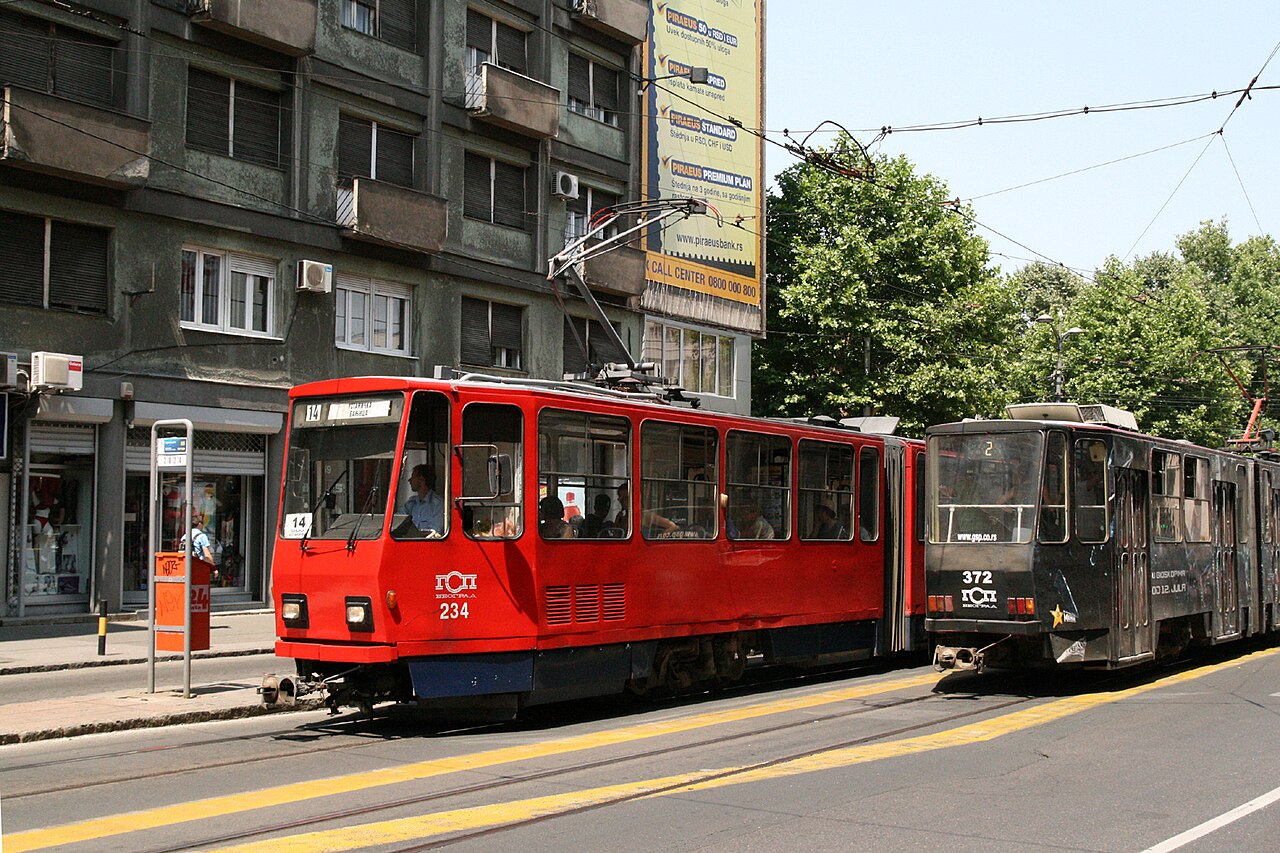
Photo: Remi Jouan / CC BY-SA 3.0 / Wikimedia Commons
Success when hitchhiking in the Balkans depends on what you carry and how you prepare. Unlike organized tours, this requires flexibility and self-reliance. You are packing for unpredictable encounters on the shoulder of a highway. The goal is to stay lightweight enough to move quickly but equipped enough to handle a sudden overnight stay in a remote village or a long wait in the rain.
The Budget Traveler's Packing List
When planning your travel from Belgrade to Sarajevo, do not overpack. A heavy bag makes you look like a tourist who is difficult to transport, and drivers may be hesitant to stop if your luggage takes up the entire backseat. Stick to a 40-45 liter backpack. Focus on versatile, quick-dry clothing. The weather in the mountains between Serbia and Bosnia can shift rapidly, so a lightweight waterproof shell and a merino wool base layer are necessary.
Footwear is the most critical choice. You will spend hours standing on asphalt and walking through gravel. High-quality trekking shoes or broken-in hiking boots are essential. Avoid flip-flops except for the shower. For hygiene, a small microfiber towel and a biodegradable soap kit will keep you fresh without adding bulk. Include a basic first-aid kit with blister pads, antiseptic wipes, and any personal medications. Pharmacies are common in towns, but you might be miles from the nearest one when a blister becomes an issue.
Digital Tools for Navigation and Translation
While the human element is the heart of the trip, technology provides a safety net. Your primary tool is an offline map. Google Maps is useful, but Maps.me or Organic Maps are often better for rural Balkan roads because they use OpenStreetMap data, which includes small dirt paths and local shortcuts that Google misses. Download the entire region for Serbia and Bosnia and Herzegovina before you lose signal.
Language barriers can be a hurdle, though many younger people speak English. For the older generation, who are often the most frequent drivers, a translation app is vital. Google Translate with offline Serbian and Bosnian packs allows you to communicate basic needs. However, do not rely solely on the screen. Learning five basic phrases, such as "Hello", "Thank you", "Where are you going?", "I am going to Sarajevo", and "Can you help me?", in the local language shows respect and increases your success rate. A driver is more likely to stop for someone who tries to speak their language.
The Art of the Roadside Sign
Your sign is your first point of communication with a driver. It is the only tool you have to signal your intent from a distance. The sign must be clear and legible. Use a thick, permanent black marker on a sturdy piece of white cardboard. Avoid using thin pens or pencils, as these are invisible from a moving car.
Write your destination in large, block capital letters. For the Belgrade to Sarajevo route, write "SARAJEVO" clearly. If you are stopping at intermediate towns, write those as well, but keep the primary destination dominant. Do not use a long list of cities because it looks cluttered. A simple, bold destination is more effective.
Positioning the sign is just as important as the text. Hold the sign at chest height, slightly angled toward the oncoming traffic. Do not wave it frantically, as this can seem desperate. Instead, a steady hold combined with a friendly smile and a thumb is the standard signal. If you are at a gas station or a crossroads, you can lean the sign against a barrier, but active signaling is always more effective. The interaction starts the moment the driver sees your sign, so keep your posture open and welcoming.
Final Logistics and Safety
Before you step onto the road, ensure you have a physical backup of your passport and travel insurance. A paper copy is a lifesaver if your phone dies or is stolen. Carry a mix of local currency, such as Serbian Dinars and Bosnian Marks, and a backup credit card. While many people are generous, having cash for a coffee or a small snack for your driver is a polite gesture that builds rapport. Finally, always share your live location with a trusted friend or family member. Hitchhiking is generally safe in this region, but basic safety protocols ensure that someone knows your last known position.
Route Planning: The Best Paths from Serbia to Bosnia
Navigating the geography between Belgrade and Sarajevo requires a choice between speed and experience. The route you choose dictates how long you spend on the road and the quality of the drivers you encounter. Most travelers decide between high-speed corridors or the winding backroads of the interior. For those who want to arrive quickly, the main highways are the obvious choice. These roads move large volumes of commercial traffic and long-distance commuters. However, the experience is more sterile. Highway drivers are often on tight schedules, and high speeds make it harder to get a vehicle to pull over safely.
In contrast, the scenic backroads offer a more authentic experience. These secondary routes take you through rolling hills, small agricultural villages, and dense forests that the highways bypass. While the travel time increases, you are more likely to have meaningful conversations with locals. On these roads, drivers move at a slower pace and are more inclined to stop. You will see more traditional architecture and experience rural hospitality. If you have a flexible schedule, mixing both paths, using highways to leave Belgrade and switching to regional roads in the Bosnian highlands, is often the best strategy.
Getting out of Belgrade is the most challenging part. The city is a maze of traffic, and standing on a street corner rarely works. To succeed, you must identify strategic roadside stops and exit points. The most effective method is to head toward the outskirts where the city transitions into the highway system. One of the most reliable spots is near the gas stations located just outside the city limits on the road leading west. Gas stations are good for hitchhikers because drivers are already stopped, which removes the danger of stopping a moving car on a high-speed road.
Another tactic involves identifying high-probability pickup zones. These are areas where traffic naturally slows down, such as toll booths, border crossings, or large intersections. For the route toward Bosnia, the areas around the A1 motorway exits are particularly useful. When you stand at these points, make sure you are visible but not obstructing traffic. A clear, handwritten sign indicating "SARAJEVO" or "BOSNIA" is essential. Drivers respond better to specific destinations than general directions. If you are too vague, a driver may worry that you are going too far out of their way. By being precise, you signal that your destination aligns with their route.
As you move deeper into the landscape, the terrain becomes more rugged. The transition from the Serbian plains to the Bosnian mountains changes the driving dynamics. On the main highways, you will encounter more international trucks and professional drivers. These individuals are often experienced with hitchhiking culture and are generally helpful, though they may not take you through the scenic interior. If you are in a ride headed for the highway, be mindful of where you get dropped off. Always aim for a location with a safe shoulder and proximity to a service station. Getting stranded on a remote stretch of highway without a sidewalk can lead to a long wait.
For those following a comprehensive guide, the stretch between the border and Sarajevo is where the scenery peaks. The roads here are narrower and more winding, which slows down traffic. This is the ideal time to pivot to regional roads. The paths through the mountains offer views of the Drina river valley and the surrounding peaks. While these roads are slower, they are better for the social aspect of hitchhiking. You are more likely to find local residents who are proud of their region and happy to share stories about the history and culture of the area.
The best path balances your need for progress with your desire for exploration. If you are on a tight deadline, the highway system is your best bet, provided you start at the right exit points in Belgrade. If you want to feel the pulse of the region, the backroads provide an intimacy that the motorway cannot match. Regardless of the path, the key to successful travel is patience and positioning. By targeting gas stations and toll plazas and using clear signage, you maximize your chances of finding a ride that is safe and efficient. The journey is as much about the people you meet as the destination, and the roads of the Balkans are for those willing to take the slow way.
Navigating the Border Crossing from Serbia to Bosnia
Crossing the frontier between Serbia and Bosnia and Herzegovina is often the most stressful part of the trip. When you are hitchhiking, you are not in control of the vehicle or the driver, which makes the border process feel unpredictable. However, most crossings are routine if you have your paperwork and a calm demeanor. The transition involves two separate checks: exiting Serbia and entering Bosnia. Depending on the checkpoint, these may be in the same building or separated by a short stretch of no-man's-land.
Required Documentation for Intercity Travel
Before your driver pulls up to the booth, ensure your passport is easy to reach. You should not be digging through a backpack while the car is idling in a queue. For most non-EU citizens, a valid passport is the only requirement, and it must be stamped upon entry and exit. If you are traveling on a national ID card from an EU member state, this is usually sufficient, though a passport is safer for hitchhikers to avoid unnecessary questioning.
One detail often missed is the requirement for vehicle insurance. While this is the driver's responsibility, if you are in a private car, the officer might ask about the passengers. Be prepared to state your purpose of travel. Using terms like "tourism" or "visiting friends" is standard. Avoid vague answers that might suggest you are working illegally. If you have a printed copy of your onward travel or a hotel booking in Sarajevo, keep it handy, although it is rarely requested.
Common Border Crossing Serbia Bosnia Checkpoints
Depending on the route your driver chooses, you will likely encounter one of three main corridors. The most common for those heading toward the capital of Bosnia is the crossing near Zvornik. This is a high-traffic point and can be slow during summer months or holidays. Another frequent route takes travelers through the crossing at Loznica, which is often preferred by locals to avoid the heavier commercial traffic of the main highways.
If you have taken a more scenic, northern route, you might pass through the crossings near Bijeljina. Each checkpoint has its own atmosphere. Some are fast, while others involve more tedious manual checks of every passenger's ID. As a hitchhiker, you are at the mercy of the route the driver knows best. Always ask your driver which crossing they intend to use so you can prepare your documents and brace for potential wait times. In some cases, the queue can stretch for several kilometers, turning a quick trip into a multi-hour ordeal.
Tips for Communicating with Border Police as a Hitchhiker
Being a hitchhiker can sometimes raise a red flag for border guards who look for human trafficking or illegal smuggling. The key to a smooth crossing is transparency and politeness. When it is your turn to present your passport, make eye contact and smile. If the officer asks how you know the driver, be honest. It is perfectly acceptable to say, "I met him on the road near Belgrade" or "He is a kind stranger helping me reach Sarajevo."
Avoid looking nervous or secretive. If you are traveling with a large amount of gear, the police may ask to see inside your bag. Cooperate fully and quickly. If you speak a few words of Serbian or Bosnian, such as "Dobar dan" (Good day) or "Hvala" (Thank you), it can break the ice and show that you respect the local culture. This small gesture often shifts the officer's perception of you from a suspicious stranger to a respectful traveler.
Another tip is to let the driver handle the initial interaction. The driver is responsible for the vehicle and the legality of the transport. Once the driver has cleared the first hurdle, you can step in with your documents. If the officer asks why you are hitchhiking, frame it as a desire to see the authentic side of the region. Mentioning that you are exploring the history of the area usually satisfies their curiosity. Remember that the guards are just doing their jobs; patience is your best tool. If the process takes a long time, stay relaxed and avoid complaining, as this only draws more attention to you. By maintaining a low profile and a friendly attitude, you ensure that your travel experience remains a highlight of your journey.
Hitchhiking Safety in Europe and the Balkans
While hitchhiking is a tradition across the continent, safety requires a proactive approach. In Western Europe, the culture is often more structured, with designated hitchhiking bays. However, when you move toward the east, the dynamics shift. Hitchhiking in the Balkans often feels more spontaneous and relies on social interaction. The general principle for safety in Europe is simple: never compromise your comfort for a faster ride. If a driver's vibe feels off, or if the car looks unsafe, simply decline. A polite "No, thank you" is always acceptable, regardless of how long you have been waiting.
Trusting your intuition is your most powerful tool. This is about situational awareness. When a car pulls over, take a few seconds to observe the driver before approaching. Look for signs of stability and friendliness. Experienced travelers often suggest asking the driver about their destination and their reason for traveling before getting in. A driver who is open about their route and friendly in their demeanor is usually a safe bet. If you feel an immediate sense of dread or hesitation, trust that instinct. It is better to wait another hour for a different ride than to spend several hours in a stressful environment.
Vet your drivers through conversation. Ask where they are headed and if they are traveling alone. In the context of Belgrade to Sarajevo travel, you will find that many locals are hospitable and eager to share stories about their home regions. This hospitality is a hallmark of the area, but it should still be balanced with caution. Pay attention to how the driver reacts to your questions. A transparent driver will have no issue explaining their journey. If they are evasive or pushy, it is a red flag.
Communication plans are necessary for any solo or group traveler. Before you leave your accommodation, send your intended route and estimated arrival time to a trusted friend or family member. Use a messaging app to share your live location in real-time. This ensures that someone knows where you are, even if you lose signal in the mountainous regions between Serbia and Bosnia. In the Balkans, cellular coverage is generally good along main roads, but dead zones exist in the highlands. Establishing a check-in schedule, such as a message every four hours, provides a safety net.
Keep a physical list of emergency contacts. While smartphones are essential, batteries die and screens crack. Have the local emergency numbers for Serbia and Bosnia written in a notebook. Include the address and phone number of your next hostel or hotel. If you are traveling in a group, agree on a safe word or a coded phrase that can be used in a phone call to signal distress without alerting the driver. This layer of security is invaluable in unpredictable situations.
Finally, be mindful of where you stand. Avoid isolated stretches of road where you cannot be seen by other passing motorists. Stick to well-lit areas, gas station entrances, or known hitchhiking spots. When you enter a vehicle, keep your bag within arm's reach and avoid placing your valuables in the trunk where you cannot monitor them. By combining these general European safety principles with awareness of the local culture, you can navigate the region with confidence. Whether you are on a long journey or a specific trip from Belgrade to Sarajevo, prioritizing your intuition and communication will ensure your adventure remains positive.
Cultural Etiquette and Communication Tips
While the logistical side of the trip is essential, the true magic of the journey lies in the interactions with the people you meet. When hitchhiking Balkan routes, you are entering a complex social environment where hospitality is a point of national pride. Understanding the local nuances of communication can turn a simple ride into a lifelong memory and ensure you are welcomed warmly in every village from the Serbian plains to the Bosnian mountains.
Breaking the Ice with Local Language
English proficiency varies. While younger generations in Belgrade and Sarajevo speak it fluently, the drivers who provide the most authentic experiences often do not. Learning a few basic phrases in Serbian and Bosnian is a sign of respect that opens doors. Because the languages are mutually intelligible, the same phrases will serve you well across the border.
Start with the basics: Zdravo (Hello), Hvala (Thank you), and Molim (Please/You are welcome). If you are struggling to communicate your destination, Idem do... (I am going to...) followed by the city name is your most important tool. When you enter a car, a simple Drago mi je (Pleased to meet you) sets a friendly tone. These small efforts show that you are a traveler interested in the culture, not just a tourist passing through, which is a critical distinction when hitchhiking Balkan roads.
Navigating Local Hospitality and Social Norms
Hospitality in the Balkans is legendary and often surprisingly intense. Do not be shocked if a driver offers you coffee, a homemade snack, or even invites you into their home for a meal. In this region, the guest is treated with high priority. While it is okay to politely decline if you are on a strict schedule, accepting a coffee is the universal social lubricant of the region. It is the primary way people bond and share stories.
When accepting hospitality, be mindful of local customs. For example, if you are invited into a home, it is common to remove your shoes at the door. Avoid overly formal behavior; the culture is generally warm and direct. However, maintain a level of modesty and politeness. A smile and a genuine interest in the driver's life will go further than any polished travel tip. Remember that for many, giving a ride is an act of kindness, and treating the experience as a social exchange rather than a taxi service is key to a successful Belgrade to Sarajevo travel experience.
Handling Sensitive Conversations
The history of the Balkans is deep and often painful. As you move from Serbia into Bosnia, you will find that people are often open about their past, but the topics of politics, war, and ethnicity can be volatile. The golden rule is to listen more than you speak. Let the locals lead the conversation. If a driver begins to discuss the conflicts of the 1990s, the best approach is to be an empathetic listener.
Avoid taking sides or applying simplistic labels to the complex geopolitical situation. Phrases like "I am here to learn" or "I respect the resilience of your people" are safe and honest. If a conversation becomes too heated or uncomfortable, gently pivot the topic back to the present day, the beauty of the landscape, or the local food. Most people appreciate a traveler who acknowledges the gravity of their history without trying to play the role of an armchair historian.
Practical Communication Tips for the Road
Since you are relying on the kindness of strangers, your non-verbal communication is just as important as your words. A clear, friendly wave and a visible sign with the destination written in the local alphabet can increase your success rate. When you are in the car, avoid spending the entire trip on your phone. Engaging with your driver about their hometown or their favorite local spots not only makes the trip more pleasant but often leads to insider tips on the best Belgrade to Sarajevo shortcuts or hidden gems that no guidebook mentions. By blending linguistic effort with cultural sensitivity, you transform the act of hitchhiking into a meaningful cultural immersion.
Official sources
Details worth verifying before you go — checked against:
Travel Writer & Editor
Emily Johnson writes and edits Do Travel Blog. Every guide on the site starts the same way: with a question she actually had while planning — when to book, which pass to buy, how to get from A to B without overpaying. Where a number matters, she cites the source: park tickets link to the park's own fee page, visa rules to the official consulate, ferry times to the operator. Prices get re-checked against those pages before each update, and a guide is re-dated when its numbers move. Nothing here is sponsored — she doesn't accept payment for coverage. Spotted something stale or wrong? Email hello@dotravel.blog and she'll fix it.