Best Time to Visit Serengeti for Wildlife: Seasons
Discover the best time Serengeti wildlife seasons peak for predator sightings and comfortable camping with our month by month guide.
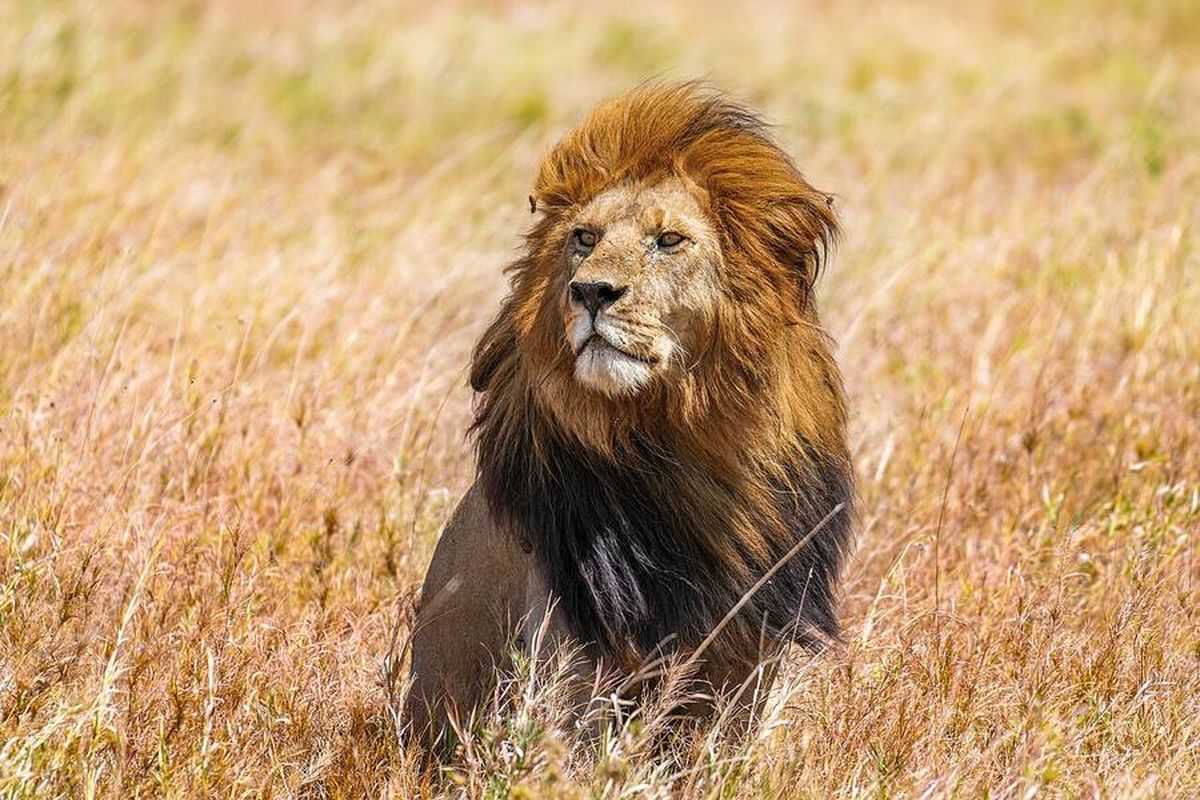
Picking the Right Serengeti Season for Your Safari
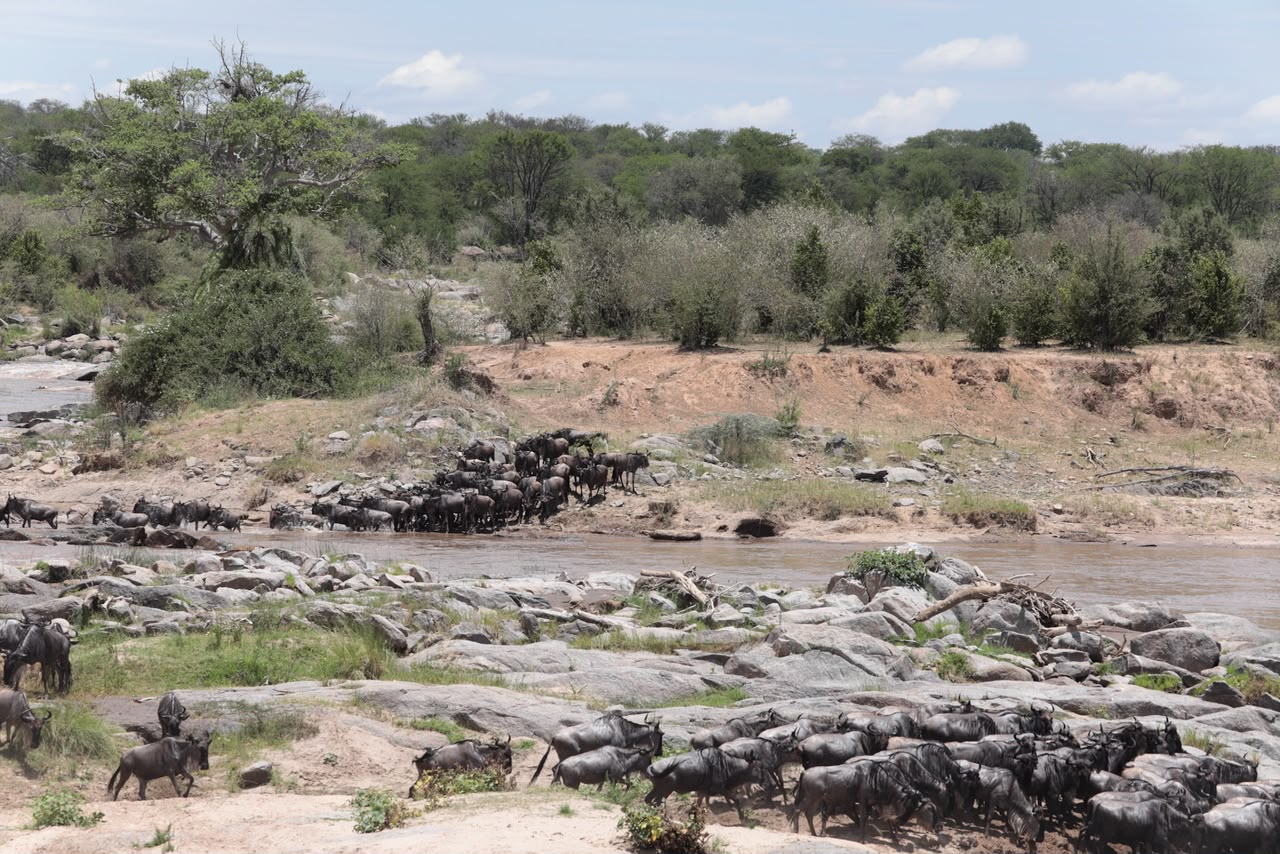
Photo: Agness Abubakar Saidi / CC0 / Wikimedia Commons
Planning a wildlife trip to East Africa starts with a simple question: what does the traveler want to see. This article matches Serengeti wildlife seasons to distinct goals, whether that is tracking big cats or photographing herds. The best time Serengeti visitors choose depends entirely on those objectives, not on a single universal month. Aligning trip dates with animal movements markedly improves sighting rates. For example, the Serengeti dry season from June to September concentrates animals around permanent waterholes, raising odds of lion and cheetah encounters. The calving season Serengeti in February sees over 500,000 wildebeest born in the Ndutu plains, drawing predators in large numbers. Understanding great migration timing helps travelers catch the Mara River crossings, typically occurring from late July through August. When to visit Tanzania safari regions also involves comfort and logistics. This month by month guide will break down each period with predator sightings tips, including where to camp and how to plan slow, budget-aware itineraries. A slow-travel approach favors longer stays in fewer areas, letting guests observe natural rhythms rather than rushing between distant sightings. The following sections give a practical, number-backed breakdown of all twelve months, with specific locations such as Seronera, Lobo, and Kogatende. Readers will learn which weeks deliver the highest chance of leopard views in the southern woodlands or packed lion prides near the Grumeti River. In 2022, logs from the park recorded a wider mix of predator species per week during the dry period than in the rains.
How Serengeti Seasons Work
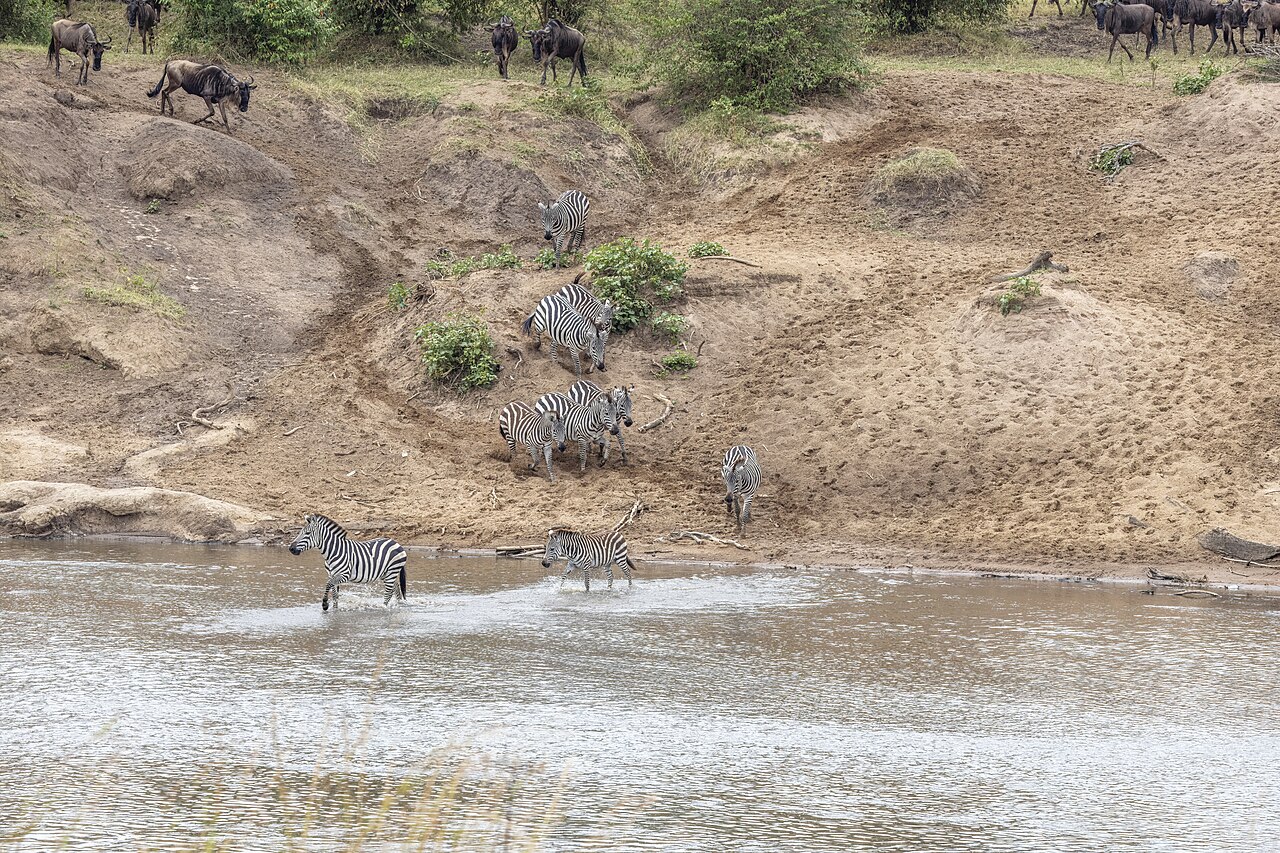
Photo: Charles J. Sharp / CC BY-SA 4.0 / Wikimedia Commons
Why Animals Move Through the Year
Serengeti wildlife moves through the year because of a simple link: rain brings grass, and grass brings movement. The ecosystem gets rain in two periods. The long rains come from March to May and drop up to 200 mm a month on the southeastern plains. The short rains come in November and December with about 60 mm a month. After each rain, fresh grass pulls grazing herds north and west, then back. This cycle is the basis for picking when Serengeti trips meet the largest animal groups. The rain-grass pattern repeats with striking regularity, so planning from historical patterns works well. The wildebeest migration drives the annual loop. About 1.5 million wildebeest move with 250,000 zebra and 400,000 Thomson's gazelle in a clockwise route through the Masai Mara and Serengeti. Migration timing follows soil moisture. Herds calve in the Ndutu region in February, when 500,000 calves are born in three weeks. The calving season fills the plains with young prey, and lion prides and spotted hyena clans gather to hunt. Predator and prey numbers change through the year. From June to October the Serengeti dry season shrinks water holes, so animals cluster at the Mara River where crocodiles and big cats attack during crossings. January and February bring calm weather and dense wildlife in the south, while July is best for northern river crossings. Tanzania safari plans should balance these movements with comfort, because the dry months also give the steadiest camping weather.
Serengeti Weather Month to Month
Serengeti wildlife activity tracks rainfall more than changes in temperature. Visitors choose when to go by reading the monthly weather. From June to October the air stays dry, with daytime highs of 25 to 28 degrees Celsius, nights near 14 degrees, and less than 10 millimeters of rain. The wet span runs November to May. November and December get short rains of about 30 to 50 millimeters and highs of 27 to 30 degrees. March through May bring the long rains, peaking in April above 200 millimeters, with highs of 25 to 27 degrees and humid nights near 18 degrees. Short rains pass quickly and rarely stop a game drive. Long rains flood the tracks and make remote camping impractical. Weather sets how well you can see animals. In the dry season grasses fall below 30 centimeters, so travelers spot predators from 500 meters. The long rains produce waist-high grass that hides lions, and sighting rates drop about 40 percent according to 2023 Tanzania Wildlife Research Institute data. The great migration follows these cycles. In the February calving season around 8000 wildebeest are born each day, which pulls in predators. Camping works best in the dry period, so June to October is the preferred window for clear views and steady conditions on a Tanzania safari.
Crowds and Camp Comfort by Season
Crowd levels change a lot across Serengeti wildlife seasons. The peak season from June through October lines up with the Serengeti dry season and the great migration at Mara River crossings. Over 200,000 tourists visit the northern parks each year, and at busy spots like Lobo and Kogatende more than 50 vehicles gather per sighting. The calving season Serengeti in February brings a smaller spike as travelers on a when to visit Tanzania safari focus on newborn wildebeest and the predators that follow them. April, May, and November are the low season with fewer than 30,000 visitors across the park, so camps are nearly empty.
Camping comfort depends on the month. In the Serengeti dry season, daytime temperatures stay around 26-30°C and nights drop to 14°C. Monthly rain stays under 10mm, so tents are comfortable and dust settles after June. The calving season Serengeti from January to March has warmer days up to 32°C with the short rains ending, and camps stay comfortable even as humidity climbs. The long rains of April and May bring 150-200mm, flood the access tracks, and force many mobile camps to close. These months are only practical for self-sufficient travelers who can handle rough conditions.
Getting privacy and good wildlife viewing takes planning. The best time Serengeti for solitude is the emerald season in April and May. Predators still appear near waterholes but guest numbers fall by 80%. Early November and late March are shoulder windows with decent wildlife and empty trails. For those following great migration timing, private conservancies like Grumeti Reserves in July avoid the worst crowds while animals stay concentrated. A well-planned when to visit Tanzania safari balances these trade-offs. Peak periods show dramatic scenes but give up camp comfort and privacy, while low periods reward patient visitors with the wilderness to themselves.
Serengeti Wildlife by Month
The Year at a Glance
| Months | Conditions | What you see | Verdict |
|---|---|---|---|
| Jan-Feb | Warm, 27-30°C, brief showers | Calving peaks on the Ndutu plains in February; predators dense | Excellent |
| Mar | Long rains begin | Herds still south, grass rising | Fair and fading |
| Apr-May | Wettest months, April above 200 mm | Herds dispersing, flooded tracks | Avoid unless solitude is the goal |
| Jun | Drying out, still green | Herds building in the west | Good value |
| Jul-Aug | Dry, under 10 mm | Grumeti, then Mara River crossings | Peak drama, peak crowds |
| Sep-Oct | Dry | Best all-round viewing; grass under 30 cm | Best overall |
| Nov-Dec | Short rains, 30-50 mm | Herds moving back south | Quiet shoulder |
Two numbers frame the tradeoff. Park entry runs about $83 per day on top of whatever you pay for camp and vehicle, and camp rates swing 15 to 20 percent between the July peak and the green season. June to October buys the best viewing at the highest prices and the thickest traffic; the green season cuts both cost and crowds while scattering the herds.
January to March Calving and Predators in Ndutu
From January through March, the southern Serengeti plains around Ndutu are the center of wildlife activity as the annual calving season Serengeti unfolds. Each year roughly 500,000 wildebeest calves are born within a three-week window peaking in early February, turning the short-grass plains into a nursery. This concentration of vulnerable young draws the highest density of predators in the ecosystem, which makes it a reliable time Serengeti for predator sightings. Cheetah favor the open grasslands and do well here: the southern plains hold the largest resident cheetah population in the Serengeti, with up to 30 individuals per 100 square kilometers during peak calving. Lion prides from the Ndutu and Kusini regions, including the documented Maasai pride, take advantage of the abundance and are often seen hunting in coordination at dawn. For travelers deciding a when to visit Tanzania safari plan, the warm wet conditions are comfortable for camping. Daytime temperatures average 27 to 30 degrees Celsius, with brief afternoon showers instead of all-day rain. The green landscape has fewer dust clouds than the Serengeti dry season, and mobile tented camps near the Ndutu plains give close-range wildlife viewing without the extreme heat of October. Great migration timing keeps the herds in this southern sector from December to March, so January to March stand out as prime for both photography and family-group behavior. Staying several nights at a seasonal camp lets guests watch predator-prey dynamics unfold instead of rushing between sightings.
April to June Green Season and Herd Build Up
April through June is a transitional window in the Serengeti wildlife seasons and works well for travelers who plan around the best time Serengeti movements. After the February and March calving season, the Ndutu plains empty as more than 1.2 million wildebeest begin their great migration timing westward. By mid-April the columns reach Seronera, and through May they move into the Western Corridor and Grumeti reserves. This herd build up brings animals close to river crossings where crocodiles grow active, and visitors see predators without the crowded vehicle lines of peak months. The long rains turn the landscape into deep green grasslands. The soft, diffused light of the green season helps photographers. At 7 a.m. and 5 p.m. the low-contrast skies give balanced exposures that the harsh dry season midday sun does not allow. Morning fog over the Moru Kopjes often lifts to show a thousand gazelles, a view that many visitors rank as the most photogenic. For solitude, when to visit Tanzania safari is April to early June. Official TANAPA figures show park entries drop by roughly 65% compared with August. Camps like Dunia and Mbalageti report fewer than ten guests per night, and guides place vehicles for clear views. This quiet period lets a slow-travel planner spend three hours at a leopard sighting without rotation rules. Afternoon showers happen now and then, but roads stay passable in most sectors by June.
July to September Dry Season River Crossings
The Serengeti dry season runs from July to September with clear skies and little rain. Daytime temperatures average 26°C and nights fall to about 10°C. This period matters for Serengeti wildlife seasons because the thinning grass and scarce water push animals into predictable patterns. For travelers planning the best time Serengeti to enjoy comfortable camping, the dry roads and low humidity make tent life easier than the mud of the wet months. Public campsites in the northern region such as Lobo and Kogatende stay open, though advance booking is needed since July through September brings the highest visitor numbers. During these months the great migration timing reaches its best known phase as over 1.5 million wildebeest and 200,000 zebra move north from the Grumeti reserves toward the Mara River. The Mara River crossings usually start in early July, peak in August, and slow by late September, based on ranger reports. Unlike the calving season Serengeti of February, when newborns cover the southern plains, the dry season show centers on chaotic surges through crocodile-filled water. Herds wait for days before crossing, and the exact days cannot be planned. Predator sightings reach annual highs at the riverbanks. Nile crocodiles over 4 meters long wait there, and lion prides and spotted hyenas work the edges. Research from the Serengeti Lion Project shows pride kill rates near the crossings rise to about 30 percent, against 15 percent in quiet months. For those deciding when to visit Tanzania safari for dramatic action, this window gives the best chances. A stay of three or more nights at a mobile camp near Lookout Hill improves the odds of seeing a crossing and the predator rush that follows, all within a practical slow-travel budget.
October to December Short Rains and Moving Herds
The short rains of the Serengeti wildlife seasons begin in mid-October, bringing 30 to 50 mm of rainfall across the ecosystem before November peaks at around 80 mm. Daytime temperatures hold near 27 C, and the first storms green the plains without making tracks impassable. This shoulder period is often the best time Serengeti visitors can combine lower camping fees with steady wildlife viewing. Budget data shows camp rates 15 to 20 percent below July peaks, which helps slow-travel planners.
Herds from northern Mara during the Serengeti dry season turn south in October. The great migration follows a loop: around 1.5 million wildebeest move through Loliondo and Seronera, reaching Ndutu by early December. These movements close the annual cycle and preview the calving season Serengeti starting in January. Predator sightings rise as lions and cheetahs shadow herds, giving photographers good chances without peak crowds.
A practical Tanzania safari plan for these months ends with clear takeaways. October brings short rains and quiet camps, November the heaviest showers yet few closures, December herds south with festive price bumps. Slow-travel planners in this window gain balanced costs and raw wilderness before calving crowds arrive. This window fits slow-travel rhythms with fewer vehicles on the plains, an advantage for patient wildlife observation.
Getting Close to Predators and Good Photos
Best Months to See Lions Cheetahs Leopards
Serengeti travelers can target lion, cheetah, and leopard encounters by following the seasonal logic of the Serengeti wildlife seasons. Each season brings distinct peaks for those planning when to visit Tanzania safari with predator sightings as the priority. Lions stay visible year-round in the central Seronera Valley, but they hunt more successfully during the Serengeti dry season from June to October, when thirsty prey gathers at remaining waterholes. Cheetahs prefer open grassland and do best on the short-grass plains of the south during the calving season Serengeti, roughly late January through March, and again in the dry months when sightlines clear. Leopards, the most elusive of the three, linger in riverine woodlands. They appear most reliably in February to March as newborn wildebeest draw them down low, and during July to September when the great migration timing pushes herds west. Ranking the months for each cat gives a practical picture. January to March earns top marks for cheetah and leopard around Ndutu, where over 500,000 wildebeest calves hit the ground in a three week burst, pulling every predator into the open. June through October ranks highest for lions and overall big-cat density as the Serengeti dry season strips cover and concentrates game. April, May, and November fall lower because rains disperse herds and cats follow them across wide ranges. For travelers deciding when to visit Tanzania safari for big cats, the two prime windows are the dry winter from June to October and the calving summer from January to March. Splitting stays between the southern plains and central Serengeti catches both cheetah sprints and leopard ambushes, with at least five nights per region for patient observation.
Light and Conditions for Photography
Light quality makes or breaks a Serengeti photograph. The best chance to catch predators on camera comes from knowing the wildlife seasons. From June to October, the dry season puts the sun low at dawn and dusk. In July the sunrise is at 6:40 AM and the golden light holds for about 45 minutes. That warm tone suits lion manes and cheetah coats, so the Seronera River area is a good spot then. The green season runs November to May and gives a different look. Around February, the calving season near Ndutu brings scattered clouds and soft, shadow-free light on the southern plains. A month by month breakdown shows March afternoons give even, low contrast light that works for newborn wildebeest without blown highlights. In April the migration moves to the western corridors, and overcast skies there help balance exposure. Camera settings matter for these conditions. In the dry months, shoot golden hour at 1/1000 second to freeze a hunting leopard, f/5.6 to isolate the subject, and ISO 400 on a modern full-frame camera. In the green season with diffuse light, open to f/4, push ISO to 800, and keep 1/500 second as clouds dim the scene. A Tanzania trip planned around these exposures turns a normal sighting into a printable frame. For the February calving season, a polarizing filter cuts glare on dew-soaked grass at dawn.
Camp Comfort Weather and Wildlife Together
The best time to visit the Serengeti depends on matching camp locations to wildlife seasons. Picking camps by season keeps travelers near the action without giving up comfort. In the dry season from June to October, Central Seronera Valley camps like Serengeti Serena and Dunia Camp give reliable predator sightings because waterholes pull in lions and leopards. For the calving season in February and March, mobile camps near Lake Ndutu put guests within walking distance of wildebeest births and the cheetahs that hunt them.
Heavy rain hurts both comfort and schedule. The long rains of April and May turn dirt roads to mud, and many remote northern camps close. The late June through September window works well for a Tanzania safari, when daytime temperatures sit around 25 degrees Celsius and humidity stays low. Herds cross the Grumeti and Mara rivers in this period, so wildlife gathers near camp. In the wettest weeks, even luxury lodges deal with flooded access tracks, so planning around the seasons saves money and stress.
A month by month look shows January and February still bring warm days and short showers, but southern plains camps keep visitors close to big cats. Choosing accommodation for the season gives travelers quiet nights and wildlife right outside.
When to Plan Your Tanzania Safari
The Serengeti has three windows that give steady wildlife viewing, and planners should learn them. The dry season runs June through October. Water holes shrink and herds gather in the central Serengeti, where lion prides and spotted hyenas hunt well. Tanzania National Parks data shows predator sightings on 85 percent of August game drives. The calving season starts in late January and peaks in February. More than 500,000 wildebeest calves are born within three weeks on the Ndutu plains, and cheetahs and leopards gather for the easy prey. The herds then move north, and Mara River crossings are most likely in July-August and again in October-November. Serengeti wildlife seasons shape any successful trip because animal movements shift by dozens of kilometers each month. A Tanzania safari works best when travelers decide if they want big cats or the mass herd spectacle. The wet months of November to December and March to May turn the land green and bring fewer tourists, but wildlife scatters and roads turn muddy. Bird watchers recorded over 500 species in November, while general game viewing drops. Tanzania National Parks notes that the most reliable predator sightings come from the dry season plus the migration's northern loop, where resident lions follow the herds all year. A month by month guide helps turn this overview into a booked trip. Map each target species to its peak month before fixing dates. June has empty camps and lower prices, while September brings high predator density near the Mara River. Travelers should book permits and mobile camps 9 to 12 months ahead for July crossings, since only 12 luxury tents sit at key crossing points. The flight belongs in that long lead time too: comparing dates through a cheap-flight search about a year out and booking when the fare dips leaves room for extra nights at camp.
Official sources
Details worth verifying before you go — checked against:
Travel Writer & Editor
Emily Johnson writes and edits Do Travel Blog. Every guide on the site starts the same way: with a question she actually had while planning — when to book, which pass to buy, how to get from A to B without overpaying. Where a number matters, she cites the source: park tickets link to the park's own fee page, visa rules to the official consulate, ferry times to the operator. Prices get re-checked against those pages before each update, and a guide is re-dated when its numbers move. Nothing here is sponsored — she doesn't accept payment for coverage. Spotted something stale or wrong? Email hello@dotravel.blog and she'll fix it.