Budva Month-Long Seaside Living: Full Cost Breakdown
Get a real cost of living Budva breakdown for 30 days: sea-view rent, utilities, groceries, transport, and leisure in Montenegro's Adriatic gem.
Planning a 30-Day Budva Budget for Life by the Sea
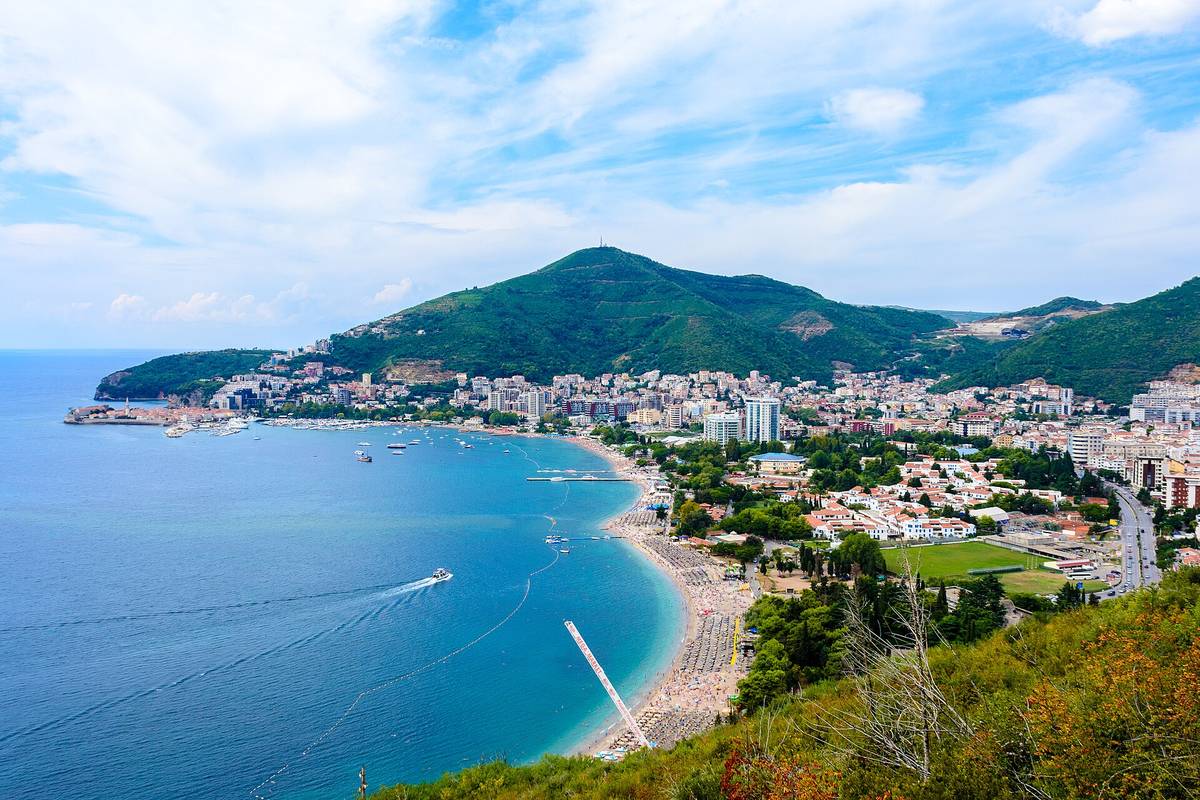
When you choose a sea-view rental in Budva for a full thirty days, you trade a quick holiday for slower coastal life. You wake to the Adriatic, shop at markets, and learn which bakery opens earliest. Setting a realistic monthly budget before arrival keeps things easy. The cost of living in Budva is below many Western European seaside towns, but a month-long stay has a shape a weekend trip never shows. I break down exactly where your euros go across four weeks. I look at Budva apartment rent price for a furnished sea-view place, including the deposit that rental owners often ask for upfront. Then I cover utilities in Budva like electricity and water that sometimes surprise guests in summer. Food comes next, with grocery prices in Budva for daily cooking and restaurant prices in Budva for nights you skip the stove. I also map transport cost in Budva for local buses and the occasional taxi, plus a sim card in Montenegro so maps and calls work. Leisure rounds it out: gym membership in Budva, childcare in Budva if traveling with little ones, and an entertainment budget for festivals or boat days. Montenegro living costs deserve a word in the wider euro zone context. The country adopted the euro on its own, so prices look familiar to anyone from the Euro area, yet wages and import chains keep many goods cheaper than in Germany or France. Seasonal pricing in Budva swings hard between July peaks and May lulls, so your month's total shifts with the calendar.
Sea-View Apartment Rent and Deposits
Monthly Rent for Sea-View Apartments in Budva
When I build a Budva monthly budget for a slow-travel stay, the largest fixed cost is almost always the rent. Sea-view apartments in this Montenegrin coastal town follow clear seasonal pricing patterns that anyone planning a 30-day trip should understand before booking. During the peak summer months of July and August, a one-bedroom apartment with a balcony facing the Adriatic typically costs between 1,200 and 1,800 euros for the month. In the shoulder seasons of May, June, and September, the same unit often drops to 800-1,100 euros. Winter stays from November through March can be found for 500-700 euros, which shows how low Montenegro living costs become once the tourist crowds leave. The Budva apartment rent price varies sharply by location. In the old town pedestrian core, where narrow stone streets meet the marina, expect to pay the top of those ranges because you are steps from restaurants and the beach. Move just 2 kilometers east to Becici or Rafailovici and the same sea-view layout costs 20-30% less. On the western outskirts near Prijevor, monthly rents can fall to 400-600 euros, though you will need to budget for transport cost since the walk to the center is longer. For bargain Adriatic opportunities, Budva beats nearby Dubrovnik and Split by a wide margin. A deposit for rental is usually one month's rent, but for a month-long stay many owners accept 200-500 euros refundable. I always ask about this when planning with my family, since it keeps the upfront cash light. Combining shoulder-season rates with a modest deposit makes the cost of living in Budva surprisingly manageable for a full month by the sea.
Rental Deposits and Extra Charges
I always tell fellow slow travelers that the advertised rent is only the start. In Montenegro, the rental deposit usually equals one month's rent, paid upfront and returned after inspection if there is no damage. That immediately doubles your first-month outlay, so it must sit in your budget before you book. Beyond the deposit, hidden charges catch many off guard. Agency cuts are standard. Local agents often take a fee equal to 30 to 50 percent of the first month's rent, sometimes a full month. Cleaning fees are another line item, typically 30 to 50 euros per checkout for a sea-view flat. Some owners also pass on the municipal tourist tax or charge extra for linens. When I plan a stay, I add these to my budget sheet so the true cost is clear from day one. For expats mapping a longer stay, this matters. A realistic monthly budget should hold a buffer of at least 1.5 times the listed rent for deposits and fees. Skipping that step is the fastest way to blow your relocation math. I recommend asking for a written breakdown before signing anything.
Utilities and Connectivity Costs
Budva Utilities: Power, Water, and Heat
When I plan a month-long stay by the sea, the budget has to cover more than the rent. Utilities Budva are generally affordable, but the numbers shift with the seasons and the building's setup. Montenegro's electricity comes from the state supplier EPCG, and the bill splits into a fixed connection fee plus a per-kilowatt-hour charge. For a typical 55 square meter sea-view flat, the fixed part is around 5 euro per month. The energy rate runs roughly 0.13 euro per kWh for the first tier and a bit more above that. In spring or autumn, my consumption sits near 160 kWh, so the bill lands at about 26 euro. Add the small green energy tax and VAT, and you pay close to 32 euro. Water and waste averages stay low. Many Budva buildings fold water into the maintenance fee, but if metered separately, expect 0.60 euro per cubic meter. A two-person household uses about 3 cubic meters, costing under 2 euro. Waste collection is a flat municipal charge near 3 euro. Together, water and trash rarely exceed 6 euro a month. Seasonal pricing Budva shows up when the summer heat arrives. There is no special AC tariff, but running air conditioning through July and August can push usage to 350 kWh. That lifts the electricity line to 70 euro or more. For a realistic cost of living Budva in peak season, I add at least 40 euros to the utilities row of my budget sheet. Before signing, I always ask the owner whether heating is electric or gas, since that changes the winter picture, and whether a deposit for rental covers utility spikes.
SIM Cards and Internet in Budva
As a slow-travel writer, I plan month-long stays around reliable connectivity. When I budget for a sea-view flat, the cost of living Budva includes more than just Budva apartment rent price. A local sim card Montenegro is the easiest fix for data on the go. Telenor and One sell prepaid tourist packs with 20 to 30 GB of data for about 12 to 15 euros, plus a 3 euro SIM fee. That covers maps, translation, and light remote work for a week. Top up once more and you are set for 30 days under 30 euros. If your rental lacks WiFi, home broadband for a month-long stay is trickier. Fixed lines from Crnogorski Telekom need a contract and often a deposit for rental equipment, which does not suit a 30-day trip. I instead rent a portable 4G router from a local shop for around 20 euros a month with unlimited data. That keeps utilities Budva predictable and lets me write from the balcony overlooking the bay. Remote work must fit the monthly budget without surprise spikes. I allocate 35 euros total for connectivity, a tiny slice of the monthly budget compared to groceries and restaurants. When you weigh this against the sea-view rent, staying online is cheap insurance for a productive stay. This approach keeps spending under control.
Food: Groceries, Markets, and Dining
Groceries and Markets in Budva
When I plan a month-long stay, I head straight to the local market in Budva to see what the season brings. The open-air stalls near the Old Town sell tomatoes, peppers, and figs at prices that beat any supermarket. The fish market in Budva is the real prize. Early morning catches of Adriatic sardines and sea bass go for a few euros per kilo, often half what a restaurant would charge. Comparing supermarket and market costs across the Balkans shows a clear pattern. Chain stores like Voli or IDEA mark up fresh produce by twenty to forty percent. A kilo of peaches might be 1.80 euro at the market but 2.50 euro on a supermarket shelf. Over thirty days, that difference adds up, while Budva apartment rent price swings with seasonal demand. My weekly grocery basket estimate for an expat budget runs about 45 to 55 euro. That covers market vegetables, fish twice a week, bread from the corner bakery, and basic dairy from a store. Grocery prices in Budva stay modest if you cook at home. The cost of living in Budva feels lighter than coastal Croatia, and the local pace keeps a slow traveler eating well without blowing the plan. I always carry a cloth bag and shop twice a week to catch the best finds.
Dining Out and Coffee in Budva
When I plan a month long stay, I always build dining out into the budget because cooking every meal in a rented flat gets tiresome by week two. The cost of living Budva stays lower than most EU coastal towns, but restaurant prices Budva vary wildly by location. A seafood plate at a seafront tourist restaurant near Slovenska Plaza can run 18 to 25 euros per person, while a family run konoba in the old town serves grilled lamb and shopska salad for 10 to 14 euros. Pizzerias and fast casual spots cluster around the marina with mains around 7 to 9 euros. Coffee is a daily ritual for me, and the coffee price Budva depends on where you sit. A standing espresso at a local bakery costs 1.20 to 1.50 euros, but a cappuccino on a shaded terrace with sea view climbs to 3 euros. Casual eats like a cheese burek or a sopska sandwich from a street window run 3 to 5 euros, perfect for a light lunch while exploring. If rent takes the biggest slice of your budget, these small treats keep morale high without breaking the plan. For an entertainment budget that still feels social, I hunt out happy hour rakija and two course lunch menus. Many bars offer aperol spritz or local wine for 3 euros before 7 pm in shoulder season. Seasonal pricing Budva means May and September see lower restaurant prices Budva than July peak, so timing a trip saves cash. Local bakeries after 8 pm often discount gibanica and bread, a smart way to keep the entertainment budget friendly while tasting real Montenegrin home cooking.
Transport and Local Mobility
Getting Around Budva Daily
I've found that keeping the cost of living Budva low starts with how you move around day to day. The local bus network is reliable and cheap. A single ride within town costs about 1.50 euros, and a monthly pass costs around 40 euros. Taxis are plentiful near the old town and the bus station. Flag-down fares run about 3 euros and most short trips stay under 8 euros, though transport Budva cost rises during peak summer evenings when demand spikes. Walking is the most practical way to explore. The pedestrian old town and the 2-kilometer seaside promenade to Sveti Stefan are flat and stroller-friendly, which suited me when I wandered with my daughter hunting for bakery treats. Bikes are another calm option. Rental shops charge 10 to 15 euros per day in spring, and many apartments include free bikes for guests. For a slower pace, this beats car hire entirely and keeps your footprint small. Seasonal pricing Budva affects tours and transport add-ons. A half-day boat trip to the Bay of Kotor runs 25 euros in May but jumps to 45 euros in July, with similar surges on wine tours. If you plan your entertainment budget around shoulder months, Montenegro living costs feel far gentler while the weather stays lovely.
Car Rental and Airport Transfers
When I planned a 30-day stay in a sea-view rental for our family, transport became a real line item in my budget. The first choice was monthly car rental versus occasional hire. Local agencies near the old town quoted me 450 to 600 euros for a compact car for four weeks, insurance included. That baseline beats daily rentals if you need wheels more than twelve days, since a single day rate runs 35 to 50 euros plus fuel. For our trip, a full month made sense because grocery prices Budva are lower at supermarkets on the city edge, and hauling a toddler plus market bags was easier by car. Getting there is its own line item too: I usually run my dates through the flight search I use before locking in the rental, since the airfare can quietly reshape the whole monthly budget.
Leisure, Fitness, and Family Needs
Beach Clubs and Entertainment Spending
When I mapped out a month by the sea, the cost of living Budva surprised me with how much leisure could swing a monthly total. Along the Budva riviera, beach club pricing runs a wide gamut. A standard sunbed and umbrella at a spot in Becici or Petrovac costs about 10 to 15 euros per day. Step up to a mid-range club like Trocadero and you pay 20 to 25 euros for a lounger, with a minimum food or drink order often added. Upscale venues such as the Splendid beach bar or a private cabana at Sveti Stefan charge 40 to 60 euros daily, a sum that adds up fast if you go weekly. For an entertainment budget, plan around local events. The Theatre City Festival in July fills Budva's squares with plays and concerts; tickets run 10 to 20 euros each. Nightlife at clubs like Top Hill or Club Galija means 20 to 30 euros entry plus drinks. Across a 30-day stay, I'd set aside 150 to 300 euros for shows and nights out, depending on appetite. If you skip the priciest clubs, a modest entertainment budget of 100 euros covers a few festival nights and a boat trip. A few Adriatic leisure tips keep costs sane. Prices drop sharply in June and September, when beach clubs cut lounger rates by half and crowds thin. Hit happy hour at oceanfront bars before 19:00 for two-for-one local beer. Use the many free public beaches and pack snacks from grocery stores. That balance lets you enjoy the coast without pushing your spending higher than you expect.
Gyms and Childcare in Budva
When I planned a month-long stay in Budva with my husband and our young daughter, I had to factor fitness and childcare into our budget. A standard gym membership Budva costs around 35 euros per month at local clubs like Fitnes Centar, while hotel day passes run 10 euros. If you prefer outdoor movement, the coastal path is free, but for air-conditioned equipment in summer, the membership is worth it. Childcare Budva options for expats include private nannies and small daycare homes. A full-time nanny averages 700 euros a month, and a part-time preschool spot costs about 350 euros. We used a local babysitter two mornings a week so I could work, which fit our monthly plan. Wellness sits comfortably inside a budget if you choose wisely. A weekly yoga class by the sea is 8 euros, and a spa sauna session at a local wellness center costs 15 euros. These small expenses belong in your entertainment budget alongside grocery prices Budva and restaurant prices Budva. Compared with Budva apartment rent price, which we paid 900 euros for a sea-view place, leisure adds maybe 150 euros total for a calm month. Utilities Budva and transport Budva cost stay separate, but the overall monthly sum stayed predictable.
What to Remember for Your Budva Monthly Budget
After adding up every expense from our month by the sea, a single person or a couple spends about 1,300 to 2,400 euros in Budva during a typical shoulder season. A modest studio inland keeps you near the low end, while a sea-view balcony rental drives the cost up quickly. Rent is the factor that shapes your whole plan. We found monthly rates from 700 euros for a simple one-bedroom a block from the beach to over 1,600 euros for a renovated sea-view place in July. That one cost can be more than half your monthly budget, so negotiate the deposit and watch seasonal pricing closely. Utilities ran about 110 euros with the air conditioner on daily. Groceries came to 320 euros since we cooked most meals, and eating out twice a week added another 240. Local buses kept transport at 45 euros, and a Montenegro sim card cost 15. A gym membership was 35 euros, and our 180 euro entertainment budget covered museum passes and beach chairs. I tell slow travelers to put these numbers in a basic spreadsheet before booking. Use the outline above as your starting point and adjust for how you travel. Next, lock a rental outside peak weeks and confirm the total with the owner in writing. A clear budget turns a loose idea of a coastline month into a calm, affordable stay by the water.
Official sources
Details worth verifying before you go — checked against:

Travel Writer & Editor
Emily Johnson writes and edits Do Travel Blog. Every guide on the site starts the same way: with a question she actually had while planning — when to book, which pass to buy, how to get from A to B without overpaying. Where a number matters, she cites the source: park tickets link to the park's own fee page, visa rules to the official consulate, ferry times to the operator. Prices get re-checked against those pages before each update, and a guide is re-dated when its numbers move. Nothing here is sponsored — she doesn't accept payment for coverage. Spotted something stale or wrong? Email hello@dotravel.blog and she'll fix it.