Sleeping on the Camino: Albergues and Accommodation Guide
Compare municipal vs private albergues on the French Way. Find where to stay, booking tips, and dormitory essentials for pilgrims.
Camino Accommodation: Why Albergues Are the Pilgrim's Home
The French Way (Camino Frances) is the most popular route to Santiago de Compostela, stretching over 780 kilometers from Saint-Jean-Pied-de-Port across northern Spain. This ancient pilgrimage path passes through diverse landscapes -- from the Pyrenees mountains to the vineyards of La Rioja and the plains of Castilla y Leon. Along this route, pilgrims encounter a unique accommodation landscape unlike any other travel experience. The backbone of this system is the albergue, a dedicated pilgrim hostel that forms the heart of the Camino experience.
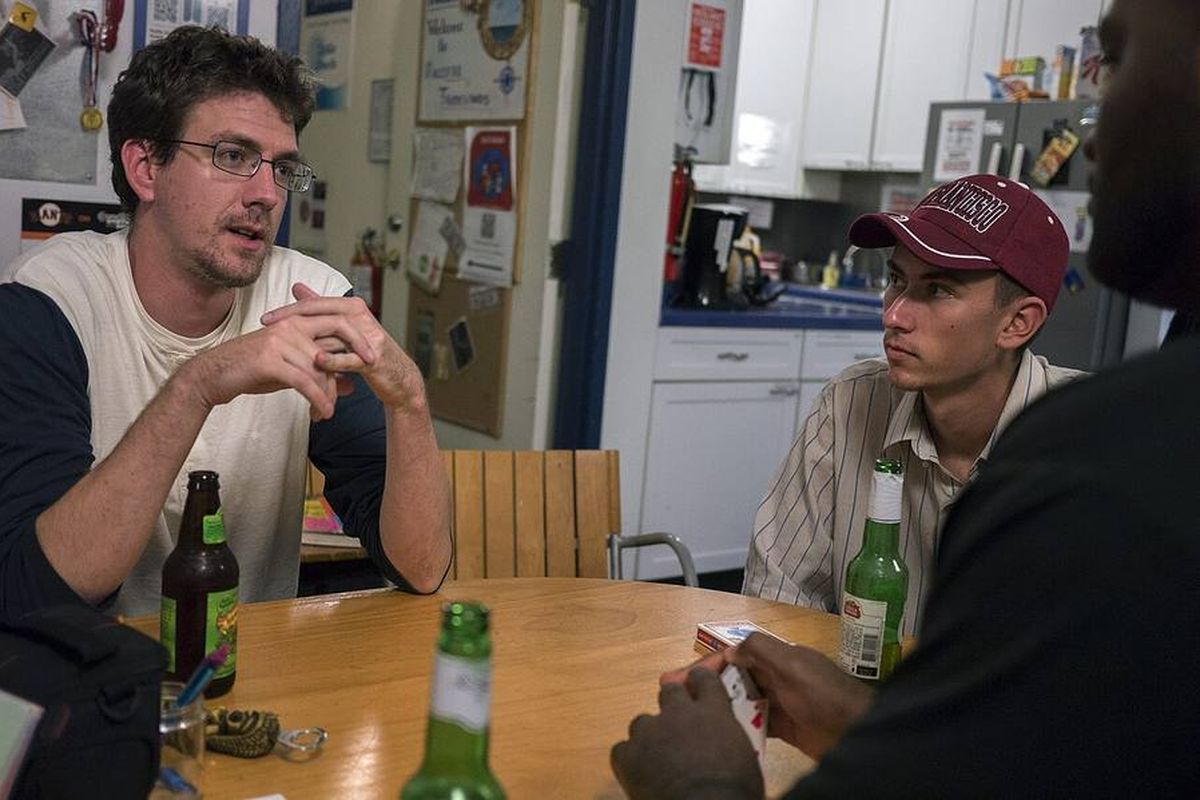
Albergues are more than just places to sleep. They are community spaces where pilgrims from around the world share meals, stories, and the physical challenges of the journey. These accommodations range from basic municipal shelters with bunk beds and shared bathrooms to private hostels with private rooms and modern amenities. Understanding the differences between these options is essential before you set out.
This guide covers the three main types of accommodation on the French Way: public albergues run by local governments or church parishes, private albergues operated by individuals or small businesses, and municipal albergues managed by town councils. Each type offers a different experience in terms of cost, comfort, and atmosphere. Public albergues are the most affordable but often have strict check-in times and curfews. Private albergues cost more but provide better amenities and more flexible schedules. Municipal albergues fall somewhere in between.
For quick reference, the key differences at a glance:
- Public albergues: 5-12 euros per night, basic facilities, no reservations, first-come-first-served
- Private albergues: 12-25 euros per night, better amenities, reservations accepted
- Municipal albergues: 8-15 euros per night, moderate facilities, sometimes accept reservations
- Paradores and hotels: 40-100+ euros per night, full-service accommodation
Knowing where to stay on French Way requires matching your needs to the right albergue type. This guide will help you navigate the options so you can focus on the pilgrimage itself.
Public Albergues: The Authentic Pilgrim Experience
For many pilgrims, staying in public albergues is the heart of the Camino experience. These basic shelters are run by local municipalities, parish churches, or regional governments and offer the most affordable accommodation on the route. A typical night costs between 5 and 12 euros, making them essential for budget-conscious travelers.
The system operates strictly on a first-come, first-served basis. Most public albergues open their doors for check-in between 1:00 PM and 3:00 PM and close them once all beds are filled. During peak season from May to September, beds can fill up by 4:00 PM, especially in popular stages like Sarria to Santiago. This creates a natural rhythm where pilgrims wake early, walk steadily, and arrive at their chosen stop before the rush. No reservations are accepted at the vast majority of public albergues, so flexibility is part of the deal.
What makes public albergues special is the community atmosphere. You sleep in large dormitories with bunk beds holding 20 to 100 people. This sounds chaotic, but it creates an immediate bond among pilgrims. You share stories of the day's walk, exchange tips on blisters and weather, and wake together at dawn to the rustle of sleeping bags and the smell of coffee. The communal kitchen and dining area become gathering spaces where strangers become friends over a simple meal. This social dimension is often cited as the most memorable part of the journey.
The pros and cons are clear. On the plus side, public albergues are cheap, authentic, and located right on the path. They put you exactly where you need to be for the next day's walk. They also enforce pilgrim etiquette: quiet hours from 10:00 PM to 6:00 AM, no shoes indoors, and a general respect for shared space. This structure helps everyone rest well despite the crowded conditions.
On the downside, privacy is minimal. You hear every snore, every early riser packing their bag at 5:30 AM, and every late arrival stumbling in after dinner. Comfort levels vary widely. Some public albergues offer hot showers and clean mattresses. Others provide cold water and thin foam pads. Earplugs and a sleep mask are non-negotiable gear for anyone planning to stay in public albergues.
Despite the rough edges, public albergues remain the most authentic way to experience the Camino. They strip away comfort and convenience and leave you with the raw experience of walking, meeting people, and sharing space. For many pilgrims, that trade-off is exactly what they came for.
Private Albergues: Comfort and Flexibility on the Trail
For pilgrims who have spent a few nights in basic public albergues, the appeal of a private albergue becomes clear quickly. These independently owned accommodations offer a higher standard of cleanliness, service, and overall comfort. They are a reliable option for rest and recovery, especially after a long day on the trail.
One of the main advantages of private albergues is the ability to book ahead. Unlike public albergues, which operate on a first-come, first-served basis, many private albergues accept reservations. This is a key consideration, as it allows you to plan your stages with more certainty. You can secure a bed for the night, arrive at a reasonable hour, and avoid the stress of finding accommodation in a full town.
Room sizes in private albergues are typically smaller than in public ones. Instead of a large hall with dozens of bunks, you might find rooms with four to eight beds. This creates a quieter, more intimate atmosphere, making it easier to sleep well. The smaller capacity also means the facilities are less crowded, with shorter waits for showers and sinks.
The amenities at private albergues are a significant step up. You can expect private lockers large enough for your backpack, reliable WiFi for catching up with family or planning the next day, and laundry services that save you time and effort. Many private albergues also offer meals, either a communal dinner or a breakfast included in the price. These meals are often home-cooked and provide a chance to connect with other pilgrims in a relaxed setting.
Private albergues cater specifically to pilgrims who value rest and reliability. If you have a tight schedule, are recovering from an injury, or simply want a good night's sleep, these are the best choice. They offer a middle ground between the austerity of public albergues and the expense of hotels. For many, they become a regular feature of their Camino, providing a dependable and comfortable place to recharge.
In the broader context of the Camino, private albergues represent the most flexible accommodation option. They allow you to balance the authentic pilgrim experience with the need for comfort. When deciding where to stay on the French Way, knowing which private albergues are along your route and how to book them can make a difference to your overall experience.
Municipal Albergues: Finding the Middle Ground
Municipal albergues offer a middle ground for pilgrims seeking a balance between the raw authenticity of public albergues and the comfort of private ones. Managed by local councils or parish churches, these albergues are often housed in purpose-built buildings or renovated historic structures, providing a more consistent experience than their public counterparts. If you are looking for a reliable option, municipal albergues are frequently the safest bet for a good night's sleep without breaking the bank.
The rules in municipal albergues are similar to those in public ones. Expect a strict check-in window, usually from 1 PM to 8 PM, and a morning checkout by 8 AM or 9 AM. Curfews are common, typically around 10 PM, to ensure everyone gets rest for the next day's walk. The key difference is maintenance. Because they are funded by local tourism budgets, municipal albergues are generally better maintained, with cleaner bathrooms, more reliable hot water, and better-equipped kitchens. This makes them a strong contender when deciding where to stay on French Way.
Typical features include a communal kitchen with basic cookware, a spacious common area for socializing, and sometimes even a small library or laundry facilities. The dormitories are often smaller than in public albergues, with 6 to 12 beds per room, which reduces noise and improves sleep quality. Many also offer private rooms for a small surcharge, a feature rarely found in public albergues. This flexibility makes municipal albergues an excellent choice for pilgrims who want a social atmosphere but also value a bit of personal space.
In the ongoing debate between public and private albergues, municipal options occupy a unique space. They are not as bare-bones as public albergues, but they are also not as expensive as private ones. Prices range from 8 to 15 euros per night, making them affordable while still offering amenities like Wi-Fi, lockers, and sometimes even a simple breakfast. Municipal albergues are often highlighted as the best value for money.
However, they do have drawbacks. Because they are popular, they fill up quickly, especially in peak season. Arriving early is essential. The quality can vary from town to town. Some municipal albergues are modern and well-run, while others feel institutional and impersonal. Checking recent reviews on apps like Buen Camino or Gronze can help you choose wisely.
Overall, municipal albergues represent a practical compromise. They offer the social spirit and low cost of public albergues with the cleanliness and reliability of private ones. For most pilgrims, they are the go-to choice for a dependable, comfortable stay on the trail.
How to Choose Where to Stay on the French Way
Choosing where to stay on the French Way depends on your walking style, budget, and what you want from the Camino experience. The choice starts with one key question: how much comfort do you need after a long day of walking?
Public albergues cost 5-12 euros per night and offer basic bunk beds with shared bathrooms. They are ideal for pilgrims on a tight budget who value the authentic communal spirit of the Camino. Private albergues cost 15-25 euros and often provide smaller dorms, private rooms, and better amenities like heated showers and included breakfast. They suit walkers who prioritize rest and comfort over cost savings.
Season plays a major role in where to stay on the French Way. In summer months (June-August), beds fill up fast, especially in popular stages like Sarria to Santiago. Booking ahead becomes essential for private albergues, while public albergues operate on a first-come-first-served basis. In spring and autumn, you have more flexibility and can often walk into a town and find a bed without a reservation. Winter pilgrims face limited options as many albergues close, so checking seasonal availability is crucial.
Your daily walking distance also affects accommodation choices. If you walk 20-25 kilometers per day, you will arrive in larger towns with multiple options. Shorter days of 10-15 kilometers mean you stop in smaller villages where only one or two albergues exist. Plan your stages using a Camino albergue guide to match distances with available beds.
Social interaction is another factor. Public and municipal albergues foster a strong community atmosphere where pilgrims cook together, share stories, and form lasting bonds. Private albergues offer a quieter experience with more privacy, suitable for those who need solitude to recharge.
Practical tips for booking accommodation on the Camino include carrying a light guidebook with albergue listings, checking opening hours (many close for siesta from 2-5 PM), and arriving by early afternoon in summer to secure a bed. Consider mixing albergue types throughout your journey for a balanced experience.
What to Expect in a Pilgrim Hostel: Dormitories, Kitchens, and Bed Bug Prevention
Walking into your first albergue on the Camino de Santiago can feel overwhelming. The dormitory layout typically features rows of bunk beds packed closely together. Most albergues use metal-framed bunks with thin mattresses. You will find lockers or storage bins under the bottom bunks for your backpack. Dormitory etiquette matters here. Keep voices low after lights out around 10 PM. Never store food in your bunk area as it attracts insects and rodents. Use the designated lockers for valuables and keep your sleeping area tidy.
Shared kitchens are a staple of the albergue experience. These kitchens usually have basic cooking equipment: a stove, pots, pans, and utensils. You will need to bring your own food as albergues rarely provide ingredients. Label your food clearly with your name and date before placing it in the shared refrigerator. Store dry goods in sealed containers to protect against pests. Clean up immediately after cooking. Leaving dirty dishes creates problems for everyone and may result in fines from the hospitalero. Many albergues have a sign-up sheet for kitchen use during peak hours.
Packing essentials for dormitory living include three critical items. First, a sleep sack or silk liner is mandatory because most albergues do not provide sheets. A lightweight sleeping bag works too but takes more pack space. Second, earplugs are non-negotiable. Snoring, early risers, and late arrivals will disrupt your sleep without them. Third, a headlamp lets you navigate the dormitory at night without waking others. Choose a red-light mode if available as it is less disruptive. Pack these items at the top of your backpack for easy access each evening.
Bed bug prevention is a serious concern on the French Way. Bed bugs thrive in the warm, crowded conditions of pilgrim hostels. Inspect your bunk before settling in. Look for small rust-colored stains on the mattress corners and seams. Check the wooden bed frame and headboard area. Place your backpack on a metal rack or in a plastic bin rather than on the floor. Use a bed bug proof liner for your sleeping bag. If you find signs of bed bugs, immediately inform the hospitalero and request a different bunk or room. Wash all your clothing at 60 degrees Celsius as soon as possible. Store your backpack in a sealed plastic bag overnight. Many albergues have quarantine procedures for infested gear. Do not panic. Bed bugs are unpleasant but not dangerous. Treat bites with antihistamine cream and continue your pilgrimage. The hospitalero can direct you to a local pharmacy if needed. Knowing what to expect includes preparing for these realities of shared accommodation.
Official sources
Details worth verifying before you go — checked against:
Travel Writer & Editor
Emily Johnson writes and edits Do Travel Blog. Every guide on the site starts the same way: with a question she actually had while planning — when to book, which pass to buy, how to get from A to B without overpaying. Where a number matters, she cites the source: park tickets link to the park's own fee page, visa rules to the official consulate, ferry times to the operator. Prices get re-checked against those pages before each update, and a guide is re-dated when its numbers move. Nothing here is sponsored — she doesn't accept payment for coverage. Spotted something stale or wrong? Email hello@dotravel.blog and she'll fix it.