Buddhist Monastery Retreat in Chiang Mai: A Complete Guide
Plan your Buddhist monastery retreat in Chiang Mai. A practical guide to Wat Umong, Vipassana, temple etiquette, and logistics for meditation in Thailand.
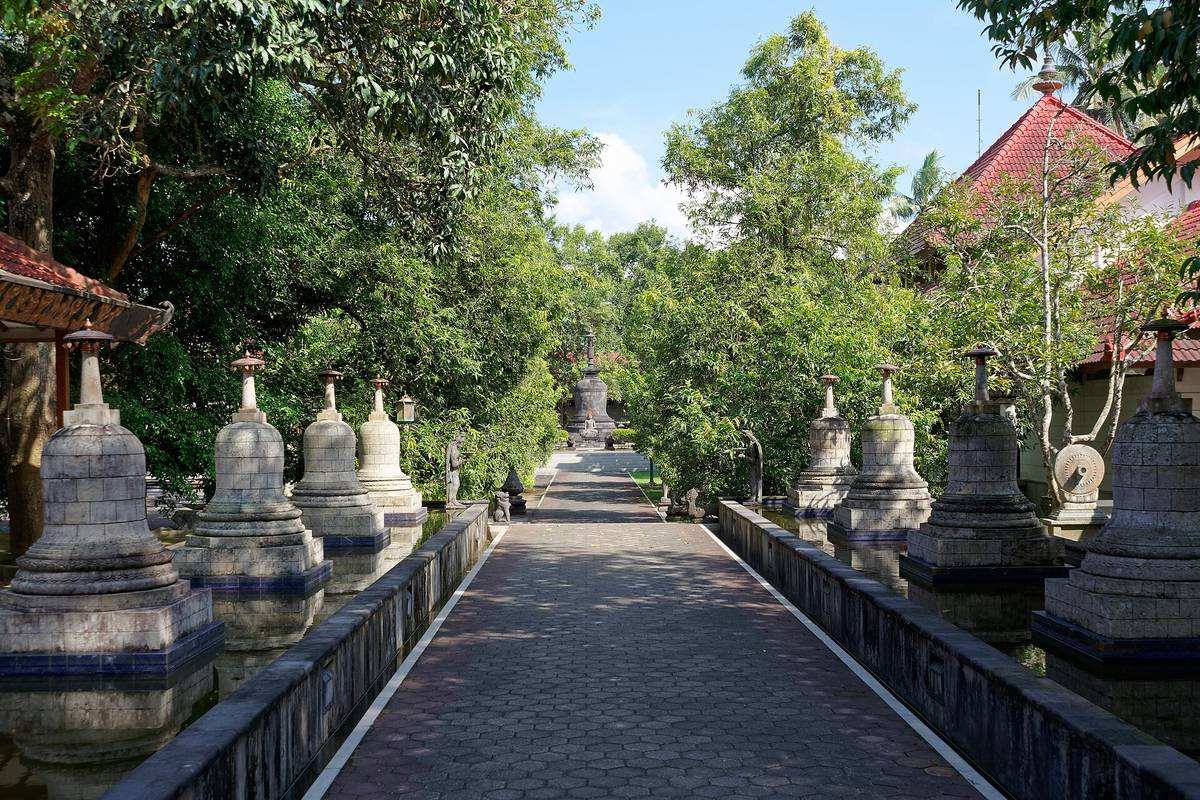
Why people choose a Chiang Mai monastery retreat
Chiang Mai is often called the spiritual heart of Thailand. For those who want more than a tourist trip, a monastery retreat is a way to step away from modern noise and focus on the self. Whether you have practiced mindfulness for years or are a total beginner, the monasteries in Northern Thailand offer a structured place to learn Buddhist meditation Thailand practices. For a broader look at the region, see the ultimate guide to Northern Thailand.
Many visitors come here because Dhamma is part of daily life. Unlike a hotel or a wellness resort, a monastery retreat focuses on discipline, simplicity, and mental clarity. You are not just visiting a temple; you are joining a living community called the Sangha. This lets you see how ancient traditions work in a modern world.
These retreats vary. Some are strict, silent Vipassana centers where you do not speak for ten days. Others are more open, with guided sessions and traditional temple activities. The general goal is to find awareness and peace by studying Buddhist teachings.
Choosing the right center: From Wat Umong to forest traditions
Picking the right location is the most important part of your planning. Chiang Mai has many spiritual centers, from urban forest temples to remote mountain hermitages.
The Wat Umong retreat experience
Wat Umong is a unique site known as the "Tunnel Temple" because of its ancient underground walkways and forest setting. A retreat here often mixes history with active meditation. Since it is near the city but feels isolated, it is a good starting point for those who want a Buddhist meditation Thailand experience without going deep into the wilderness.
At Wat Umong, the focus is often on walking meditation. The tunnels and forest act as a place to practice mindfulness. You learn to notice the feeling of your feet on the ground, the sound of the wind, and shifts in your internal state. This approach helps people who find sitting still for hours difficult.
Forest monasteries and the Kammatthana tradition
Forest monasteries (Araññā) offer a more rigorous path. These centers follow the Thai Forest Tradition, which emphasizes austerity, solitude, and nature. These retreats are usually far from the city and require a long drive into the mountains.
In a forest monastery, the environment is the teacher. The lack of distractions forces you to face your own mind. You will likely wake up before dawn, join alms rounds, and spend a lot of time in solitary meditation. This is where Vipassana, or insight meditation, is practiced most intensely. The goal is to see things as they are and move past the illusions of the ego.
Urban meditation centers
If you cannot go to a remote area, several meditation center Chiang Mai options exist within the city. These are more flexible, offering drop-in sessions or weekend retreats. They lack the deep silence of the forest, but they help travelers fit mindfulness into a busier itinerary.
How to visit Buddhist monastery Thailand: Logistics and planning
Visiting a monastery is not like booking a hotel. It requires preparation and a willingness to follow different rules.
Booking and application
Many centers require an application. This ensures the participant is mentally ready for the retreat. You might be asked about your meditation experience or why you want to attend.
For a Wat Umong retreat or other popular sites, contact the center several weeks early. Some use email, while others prefer WhatsApp or local agents. Be clear about your dates and experience. If you are attending a silent retreat, tell your family or work that you will be unreachable.
Transportation to the monastery
Getting to your center depends on where it is. For city centers, a "songthaew" (red truck) is the cheapest way. For forest monasteries, you will likely need a private driver or a scooter.
If you rent a scooter, be careful. The roads to mountain monasteries can be steep, winding, and dark. If you are not an experienced rider, a hired driver is safer and lets you start slowing down before you arrive.
Packing essentials
What you pack affects your comfort. Monasteries are simple, and your clothes should show respect. To avoid common errors, refer to packing mistakes and lessons learned.
- White Clothing: In Thailand, white represents purity and is the standard for laypeople. Bring loose white trousers and shirts. Avoid tight clothes that restrict your breathing.
- Modest Footwear: You will take your shoes off often, so slip-on sandals or flip-flops are best. Bring sturdy shoes for forest paths.
- Personal Hygiene: Most monasteries have basic facilities. Bring biodegradable soap, shampoo, and a towel. Eco-friendly products are encouraged to protect the forest.
- Bedding: You may get a thin mattress and a mosquito net. A lightweight sleeping bag or travel sheet helps during cool mountain nights.
- Notebook and Pen: Even on silent retreats, there are often study periods or Q&A sessions. Writing down insights is helpful.
Thai temple etiquette and the code of conduct
Respect is essential in a monastery. Following Thai temple etiquette helps create a harmonious environment for everyone.
Dressing for the Sangha
White clothing is preferred, but modesty is the main rule. Shoulders and knees must be covered for everyone. Do not wear hats or sunglasses inside temple buildings. Always remove your shoes and leave them neatly at the entrance of a shrine or hall.
Interacting with monks and nuns
The Sangha is highly respected in Thai society. There are specific protocols: - Physical Contact: Women must not touch a monk or hand things directly to him. Place offerings on a cloth or table in front of him. - Posture: Bow your head slightly when speaking to a monk. When sitting, do not point your feet toward them, as feet are considered the lowest part of the body. - Speech: Use a soft tone. Avoid loud laughter or aggressive talk on temple grounds.
The concept of Dana (Generosity)
Most monastery retreats in Chiang Mai use the principle of Dana. There is no fixed fee; instead, the retreat is supported by voluntary donations. This makes the teachings accessible to everyone.
Giving is a spiritual practice. It helps the practitioner let go of attachment and helps the monastery maintain facilities and feed the monks. While there is no set amount, a donation that covers your costs is appreciated.
The daily routine of a Buddhist meditation Thailand retreat
Structure helps a retreat succeed. By removing daily decisions, the monastery lets you focus on the present moment.
The pre-dawn awakening
A typical day starts between 4:00 AM and 5:00 AM. A bell or gong signals the start. This early hour is used because the mind is naturally stiller.
Morning rituals and meditation
The first hour is usually seated meditation. You focus on your breath and observe the abdomen without judgment. This is followed by chanting to center the mind.
Mindful eating
Monastery food is simple and often vegetarian. The main meal is usually in the morning or early afternoon. Eating is a meditation practice. You are encouraged to eat in silence, focusing on taste and texture. This prevents overeating and builds gratitude.
Afternoon study and walking meditation
The afternoon often includes a Dhamma talk where a teacher explains the philosophy. This provides a framework for the meditation. Afterward, you practice walking meditation, moving slowly and syncing each step with a breath.
Evening reflection and rest
The day ends with more meditation and a final chant to wind down. Lights out is usually early so you are rested for the next morning.
Meditation techniques: Vipassana and mindfulness
Understanding the techniques helps you get more from a Chiang Mai monastery retreat.
What is Vipassana?
Vipassana means "insight." While Samatha meditation focuses on calming the mind with a single point like a mantra, Vipassana is about observing reality.
In a Buddhist meditation Thailand context, Vipassana involves scanning the body for sensations. You notice a tingle or pain and observe it without reacting. This shows that all sensations are impermanent (Anicca). This realization helps reduce suffering because you stop clinging to pleasure or fearing pain.
The role of mindfulness (Sati)
Mindfulness is the basis of the practice. It is the act of maintaining non-judgmental attention on the present moment. In a meditation center Chiang Mai, you learn to apply Sati to every action.
Mindfulness is for more than just the cushion. It is practiced while washing dishes or brushing your teeth. When you are mindful, you stop living in past regrets or future anxieties.
Dealing with the "monkey mind"
Beginners often struggle with the "monkey mind," where the brain jumps from thought to thought. The first few days can be frustrating. Your legs may ache, and your mind may race.
Teachers explain that this is not a failure, but the process. The goal is not to stop thoughts, but to change how you relate to them. Instead of following the thought, you label it ("thinking, thinking") and return to the breath. Eventually, the gaps between thoughts grow, and peace emerges.
Preparing mentally for the silence
For many, the silence of a Buddhist meditation Thailand experience is the hardest part. Not speaking for days can cause anxiety in a connected world.
The psychology of noble silence
Noble Silence is a tool to save mental energy, not a punishment. When we speak, we often play a role to influence how others see us. Silence removes these masks. For more on this, read about the power of silence.
At first, silence may feel heavy. You might feel a need to share an insight or complain. After a few days, you start to hear things you ignored, like your own breathing or the subconscious. This is where transformation happens.
Managing emotional release
Suppressed emotions often surface during a retreat. Without phones or conversation, the mind processes old stress or trauma. You might feel sad, angry, or overwhelmed.
This is a normal part of the process. Most monasteries have teachers to guide you. The key is to see the emotion as a physical sensation, like tightness in the chest, rather than a story. This lets the emotion pass without consuming you.
The impact of the environment: Chiang Mai's spiritual geography
The location of your retreat matters. Chiang Mai is well-suited for spiritual travel because of its geography and history.
The influence of the mountains
The mountains create a boundary between city energy and retreat stillness. The cool air and greenery of the Northern highlands help the brain slow down.
The legacy of the Lanna Kingdom
Chiang Mai was the capital of the Lanna Kingdom, and this is seen in the temple architecture. Lanna Buddhism is known for being gentle and integrated with nature. At a Wat Umong retreat, you join a lineage of practice that has existed for centuries. This continuity provides a grounding effect.
Integrating the experience into daily life
The real test of a Chiang Mai monastery retreat is what happens after you leave.
Avoiding the post-retreat crash
Returning to a busy airport or city can be jarring. Many people feel a crash where peace is replaced by stress.
To prevent this, create a buffer. Do not schedule stressful meetings for the first 48 hours. Spend a day in a quiet park or cafe to slowly reintroduce noise. This helps the mental shifts solidify.
Establishing a home practice
The tools from a meditation center Chiang Mai are for life. To keep the benefits, try a simple routine: - Morning Breathwork: Spend 10 to 20 minutes in meditation before checking your phone. - Mindful Transitions: Practice mindful walking during your commute. - Digital Detox: Set times for Noble Silence by turning off notifications. If you are struggling to unplug, check out our practical guide to your first digital detox.
Applying Dhamma to relationships
The patience you build during a retreat can improve how you treat others. When you observe your own anger without reacting, you can do the same when others are angry. This creates space for empathy and conscious response.
Summary and next steps
A Buddhist monastery retreat in Chiang Mai is a step toward mental freedom. By picking the right center and embracing the discipline of the Sangha, you can find a level of peace rare in the modern world.
To start, follow these steps:
- Define Your Goal: Choose a rigorous silent experience (Forest Monastery), a balanced start (Wat Umong retreat), or a short stay (Urban Center).
- Research and Apply: Check websites or email centers for availability.
- Prepare Your Kit: Get white, modest clothing and eco-friendly toiletries.
- Set Your Intentions: Write down one thing you hope to understand or release.
- Book Your Travel: Arrange your flight to Chiang Mai and a reliable driver.
Whether you stay three days or three weeks, a Chiang Mai monastery retreat provides a mental sanctuary you can keep for the rest of your life.
Official sources
Details worth verifying before you go — checked against:

Travel Writer & Editor
Emily Johnson writes and edits Do Travel Blog. Every guide on the site starts the same way: with a question she actually had while planning — when to book, which pass to buy, how to get from A to B without overpaying. Where a number matters, she cites the source: park tickets link to the park's own fee page, visa rules to the official consulate, ferry times to the operator. Prices get re-checked against those pages before each update, and a guide is re-dated when its numbers move. Nothing here is sponsored — she doesn't accept payment for coverage. Spotted something stale or wrong? Email hello@dotravel.blog and she'll fix it.