Stuck on Gili Islands: Survival Guide for Storm Season
Stuck due to Gili islands weather? Learn how to handle fast boat cancellations and survive being stranded in Indonesia with this practical guide.
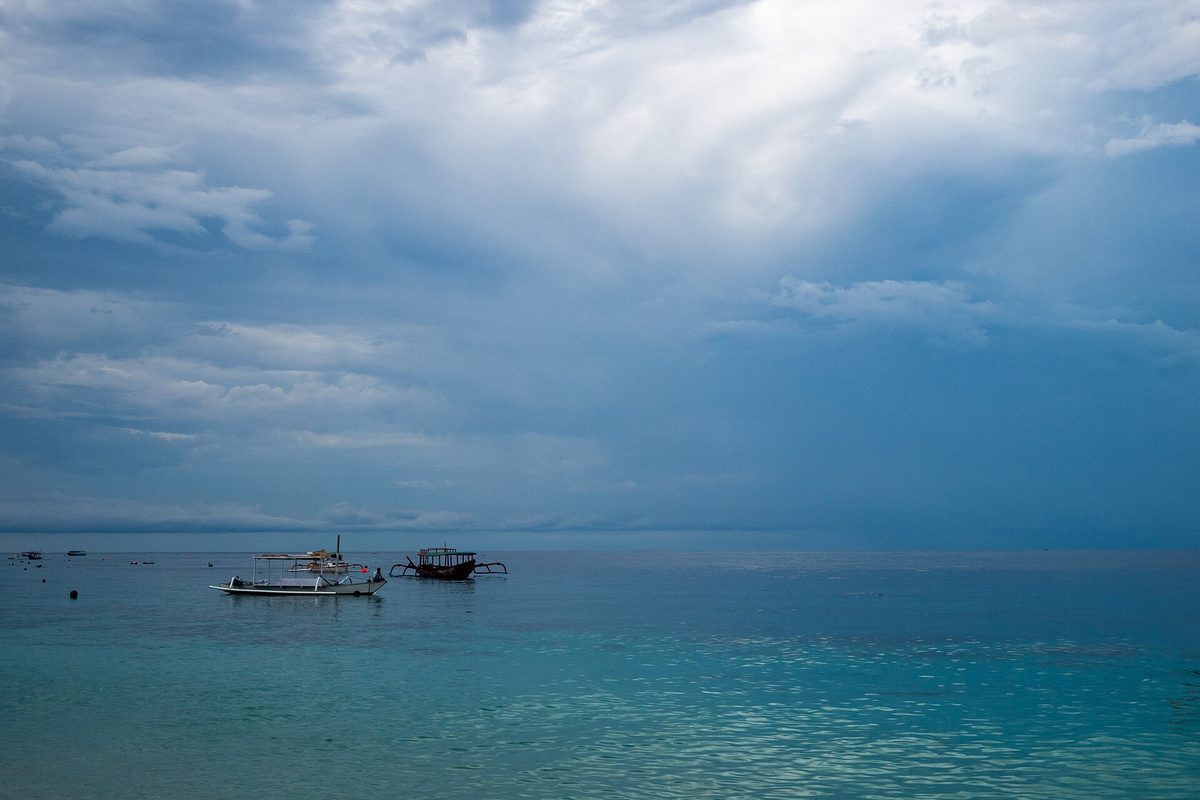
The reality of the Gili islands storm season
Visiting the Gili islands is usually about turquoise waters and white sand, but the weather can shift fast. When the monsoon hits or a tropical depression settles over the archipelago, the paradise vibe disappears. Gili Trawangan, Gili Meno, and Gili Air are small and isolated, relying entirely on boats. When the seas get violent, these islands become cut off from the mainland.
Being stranded in Indonesia happens often to travelers who do not plan for the wet season. It starts with dark clouds and a shift in wind. Then, the fast boat cancellations begin. Once the harbor master in Lombok or Bali declares the sea unsafe, no legal boat will leave. You are now stuck. This guide covers the logistics and the mental side of surviving a storm on the Gilis without wasting your budget or losing your cool.
Understanding the logistics of Gili islands weather
To handle a storm, you need to know why you are stuck. The Gili islands sit between Bali and Lombok where currents are strong and the water is deep. During the Indonesia monsoon season, usually from November to March, winds create waves that make fast boat crossings dangerous.
How fast boat cancellations work
Fast boats are the main way tourists get around. These vessels are lightweight and easily affected by high swells. When the wind hits a certain limit, port authorities issue a warning. Some operators might try to push through, but the risk of capsizing or engine failure is high.
If you see boats staying docked and staff looking worried, expect a cancellation. Do not wait until the last minute to find a room. When mass cancellations happen, the few available hotels on Gili Trawangan or Gili Air fill up in hours. Secure a roof over your head before the rest of the crowd realizes the boats are not moving.
The role of the harbor master
In Indonesia, the Syahbandar (Harbor Master) has the final say. Even if a captain is willing to risk the trip, the Syahbandar can block departure for safety. If you are told the boats are cancelled, do not argue with the ticket agent. They do not control the weather or the law. Focus instead on your own logistics and resources.
Immediate actions when stranded
Once it is confirmed that you are stranded in Indonesia, the first 24 hours matter most. Panic is the main problem. Most travelers crowd the docks and shout at boat operators, which achieves nothing. Instead, follow this sequence.
Secure your accommodation
If you planned a one-night stay or a quick hop, you now need a longer solution.
- Check your current hotel for availability. If you have a room, ask for a discounted rate due to the weather.
- If your place is full, move quickly to a larger resort. They usually have more capacity for surges during storms.
- Avoid the cheapest hostels if you want to sleep. These places get overcrowded and noisy, which makes the stress of being stuck worse. For more on choosing the right stay, see our comparison of Airbnbs and hostels.
Manage your finances
ATMs on the Gili islands are unreliable. During a Gili Trawangan storm, power outages are common, and if the power goes out, the ATMs stop working. If you are low on cash, you are in a tough spot. - Use credit cards when you can, but keep a reserve of Indonesian Rupiah (IDR) in cash. - Avoid large, unnecessary purchases. You might be stuck for two days or two weeks. - Keep your travel insurance documents ready. You will need these for claims regarding missed flights or extra hotel nights.
Communication and information
Internet often drops during heavy rain because local Wi-Fi relies on microwave links from the mainland. When the weather is bad, the signal degrades. - Download an offline map of the island. - Keep a list of emergency contacts, including your embassy and insurance provider. - Monitor weather forecast Lombok updates. They are not always 100% accurate for the Gili micro-climate, but they show the general trend of the pressure system.
The psychological challenge of isolation
Being stranded is a mental problem as well as a logistical one. Feeling trapped on a small piece of land while the ocean rages can cause anxiety, especially for those with tight schedules or flights from Bali or Lombok.
Dealing with travel anxiety
The hardest part of being stranded in Indonesia is the uncertainty. You do not know when the boats will run again, which creates a loop of anxiety.
To stop this, stop checking boat schedules every hour. The sea does not move faster because you are staring at it. Create a routine instead. Wake up at a set time, eat regular meals, and find activities that distract you from the horizon. Adopting a stormy travel mindset can help you turn a delay into a win.
The community effect
One benefit of a Gili Trawangan storm is the shared experience. You will find hundreds of other travelers in the same boat. While some will complain, others will organize group dinners or games. Lean into the community. Sharing the frustration makes it easier to handle.
Essential supplies for storm survival
Since the islands rely on shipments from Lombok, some supplies run low during long storms. You are not in the wilderness, but a few things make the stay more comfortable.
Health and hygiene
Humidity spikes during the monsoon, which leads to more skin infections and digestive issues. - Pack a basic first aid kit with antiseptic cream and bandages. - Carry electrolytes. Dehydration is common in the rain because people forget to drink water when it is cool. - Use a waterproof bag for electronics. The rain in the Gilis is a deluge that can soak a standard backpack in minutes.
Clothing and gear
Most people visit the Gilis in swimwear and flip-flops. When the temperature drops during a storm, you will be shivering. - A lightweight rain jacket is essential. - Bring closed-toe shoes. Island paths become muddy and slippery, and flip-flops offer no protection against storm debris. - A power bank is necessary. Power cuts are common, and you need your phone for emergency travel Gili coordination. For a full list of must-haves, check our essential backpack gear guide.
Navigating travel insurance claims
Many travelers forget about insurance until they are in trouble. If you are stranded, your insurance may cover extra accommodation and missed connections.
Documenting the event
Insurance companies need proof. You cannot just say the boats were cancelled. - Get a written statement from the boat operator or harbor master confirming the cancellations. - Take photos of the sea conditions or the official notices at the harbor. - Keep every receipt for extra hotel nights, meals, and transport.
Filing the claim
Once you are off the island, file your claim immediately. Use the terms in your policy, such as "trip interruption" or "natural disaster coverage." Be specific about the dates. Mention that the Gili islands weather made transport legally impossible, not just inconvenient.
Managing island logistics during the rain
Life changes when the storm hits. Usual activities like snorkeling, diving, and cycling become impossible or dangerous.
Transportation on land
Bicycles are the main transport on the Gilis. In a storm, sandy paths turn into slush and cycling becomes a chore. Park your bike in a covered area to prevent the chain from rusting. If you must move across the island, walk. It is slower, but you are less likely to slide into a ditch.
Food and water availability
Most restaurants stay open, but fresh produce can run low. Menus may become limited because supply boats from Lombok also face fast boat cancellations. - Eat what is available. Do not insist on imported foods that may be out of stock. - Drink bottled water. During heavy rains, local groundwater can be contaminated by runoff, which increases the risk of stomach issues.
Planning for the exit
When the weather clears, everyone rushes to leave. This is the most chaotic time for your logistics.
Avoiding the post-storm chaos
As soon as the Syahbandar clears the boats, every stranded tourist will rush to the docks. This leads to overbooked boats and messy boarding. - Book your ticket as soon as the weather looks like it is clearing, but do not pay in full until the boat is confirmed. - Arrive at the dock early and stay calm. Pushing only slows the process down. - Be wary of "pirate boats." These unofficial operators claim they can get you out faster but often ignore safety protocols and are more likely to hit trouble in the remaining swells.
Coordinating your onward journey
If you have a flight from Denpasar (Bali) or Praya (Lombok), coordinate your arrival with your airport transfer. - Contact your driver or hotel in the destination city to let them know you were stranded. - If you missed a flight, contact the airline immediately to rebook. Many airlines are lenient if you can provide proof of a natural disaster or government travel ban.
Long-term prevention and planning
You cannot control the Gili islands weather, but you can control how vulnerable you are to it. Plan future trips with the possibility of being stranded in mind.
Timing your visit
If you want to avoid being stuck, avoid the peak of the Indonesia monsoon season. Traveling from May to September significantly reduces the risk of major storms and fast boat cancellations.
The buffer day rule
Never book a flight for the day immediately after your boat trip from the Gilis. Always leave a 24 to 48 hour buffer. This allows for a few days of weather delays without ruining your itinerary or costing you thousands in missed flights.
Emergency travel Gili kit
Keep a small storm kit in your luggage: - A high-capacity power bank. - A basic first aid kit. - A lightweight waterproof jacket. - A printed list of emergency contacts and insurance policy numbers. - A small amount of emergency cash in a waterproof pouch.
Summary of storm survival
Surviving a storm on the Gili islands is about managing expectations. Logistical challenges like fast boat cancellations and power outages are manageable if you act quickly to find housing and stay calm. The key is to accept the situation and talk to other travelers.
To prepare for future trips, check your travel insurance today. Make sure it covers trip interruption and natural disasters. When you visit Indonesia, keep a buffer of two days before any international flight. By treating the Gili islands weather as a variable, you turn a potential nightmare into a travel story.
Actionable next steps for stranded travelers
If you are reading this while currently stuck on the islands, do this now:
- Confirm your accommodation for the next three nights.
- Find a working ATM and withdraw a reserve of cash.
- Take a photo of the official cancellation notice at the harbor for your insurance.
- Set a daily routine to manage anxiety.
- Check the weather forecast Lombok updates once every six hours, not every ten minutes.
These steps move you from panic to prepared waiting. The weather will clear and the boats will run again. Until then, find a book, make some friends, and enjoy the sight of a stormy paradise.
Official sources
Details worth verifying before you go — checked against:

Travel Writer & Editor
Emily Johnson writes and edits Do Travel Blog. Every guide on the site starts the same way: with a question she actually had while planning — when to book, which pass to buy, how to get from A to B without overpaying. Where a number matters, she cites the source: park tickets link to the park's own fee page, visa rules to the official consulate, ferry times to the operator. Prices get re-checked against those pages before each update, and a guide is re-dated when its numbers move. Nothing here is sponsored — she doesn't accept payment for coverage. Spotted something stale or wrong? Email hello@dotravel.blog and she'll fix it.