Urban Soul: Cities That Look Bleak But Feel Vibrant
Explore hidden urban culture and lively city life in textured metropolises. Find gritty travel spots and hidden gems.
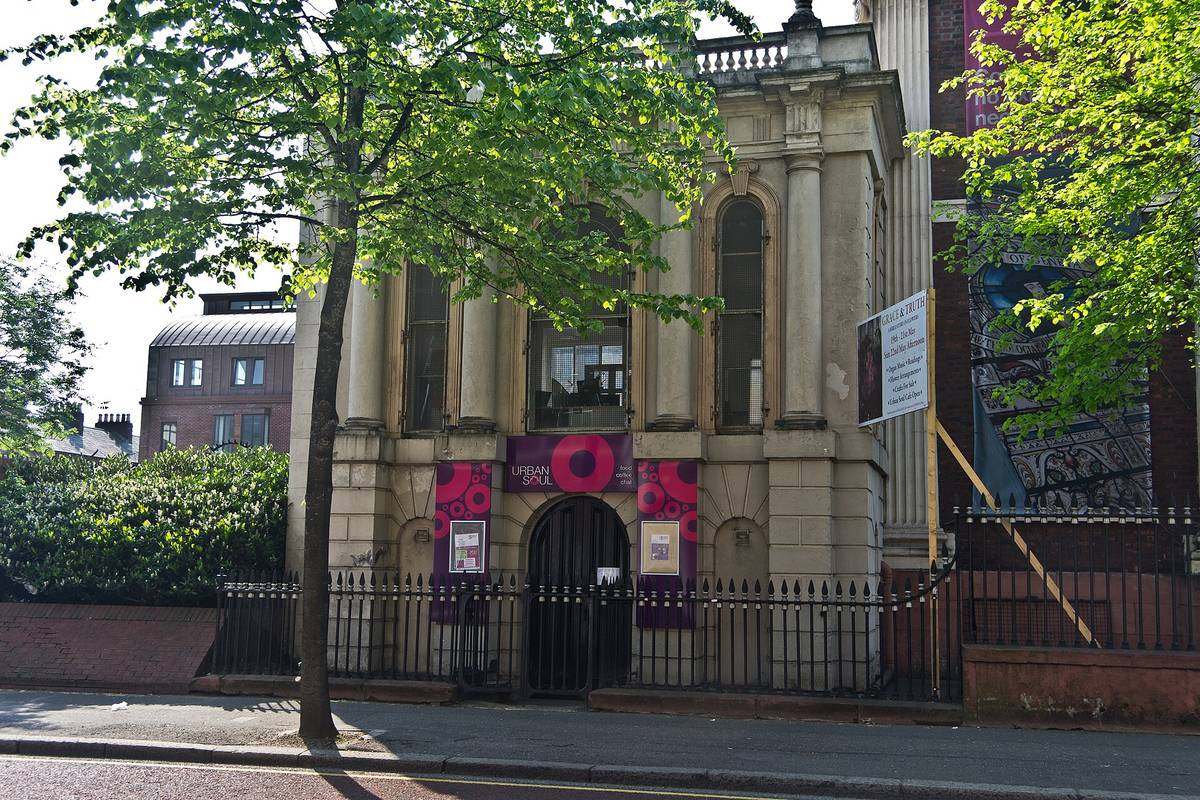
The Paradox of the Polished Postcard
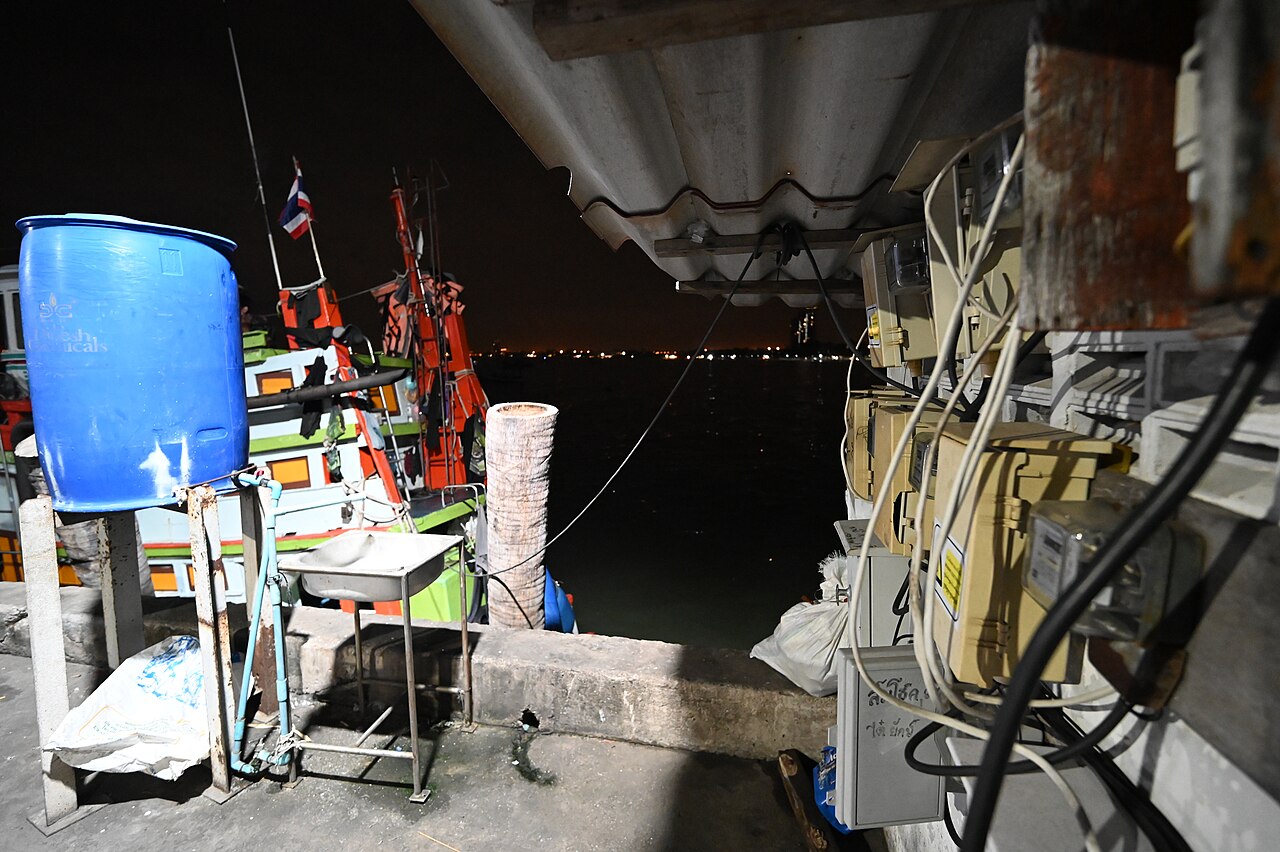
Photo: PattayaPatrol / CC BY-SA 4.0 / Wikimedia Commons
Most travel writing focuses on clean skylines, manicured gardens and restored historic districts - the images that dominate postcards and social media. A growing number of travelers, photographers and urban explorers are turning away from that script. They look for peeling paint, 20th‑century industrial skeletons and the parts of a city that tourism often ignores. If you’re curious about the philosophy of wandering beyond the postcard, see Urban Wandering: Finding Magic in Random Streets.
That is the core of hidden urban culture: a city's character often lives in the places the tourism industry skips. Street‑level photography reveals not just decay but the work of laborers, the marks of economic change and the stubborn pulse of a community that refuses to disappear. To feel a city’s energy you often have to leave the main boulevard and wander side streets where daily life happens.
The Aesthetics of Urban Decay
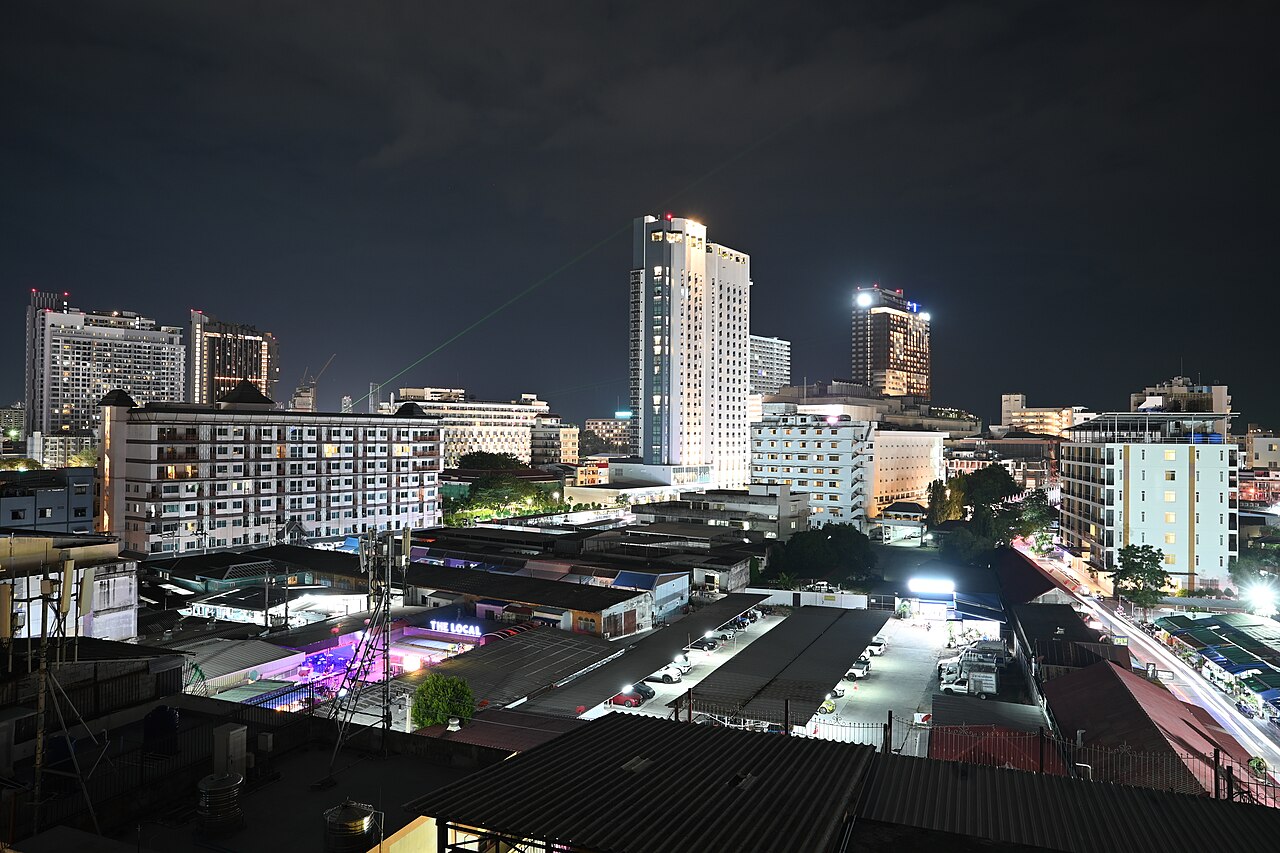
Photo: PattayaPatrol / CC BY-SA 4.0 / Wikimedia Commons
Urban decay has its own visual language - rusted metal, weathered brick and shadows across empty warehouses. Some people find those sights off‑putting; others read them as a map of history. These structures show what a city once was and hint at what it may become. In gritty city travel they offer a kind of honesty that polished landmarks cannot. For more on industrial perspectives, check out Hidden Industrial City Views.
Photographing a crumbling factory captures a moment of transition. Cities grow, age and sometimes suffer. Embracing that aesthetic moves us away from sanitized tourism toward a more direct engagement with place. A weathered wall tells a story that a brand‑new glass façade does not - it asks who built it, what it produced and why it now stands silent.
Decoding Hidden Urban Culture
What makes these places feel alive is rarely the architecture itself. It is the human activity that fills the gaps. Hidden urban culture thrives in the cracks of the formal economy - DIY music venues in basements, street‑art murals that appear overnight on industrial walls, community gardens sprouting in vacant lots.
Because they are not built for profit, these spots become inclusive hubs. You might see people sharing a meal in a repurposed shipping container or artists running a workshop in an old textile mill. These are the city gems that shape local identity, created by residents rather than curated for tourists. Discover how hidden history informs urban culture in Walking Through Time: Finding Hidden History in Old Quarters.
Case Study: Berlin - The Post‑Industrial Heart
Berlin shows how grit can coexist with a strong cultural pulse. Beyond the Brandenburg Gate, the former industrial districts of Friedrichshain and Neukölln blend heavy‑industry history with a radical creative scene.
Walk past a rusting warehouse and you may find a techno club or a boutique coffee roastery a few steps away. The city does not hide its scars; it lets them become part of the streetscape.
Street art in Berlin is a dialogue with the past, present politics and the surrounding environment. Exploring these neighborhoods means witnessing a city that reinvents itself without erasing its history, offering a character that feels earned rather than manufactured.
Case Study: Detroit - The Rebirth of the Rust Belt
Detroit provides the American counterpart to Berlin’s story. Once defined by industrial decline, the city is now attracting artists, entrepreneurs and residents who reclaim abandoned spaces.
The Eastern Market buzzes with commerce and community, while nearby neighborhoods see former factories turned into multi‑use arts spaces and vacant lots becoming community gardens.
Hospitality in Detroit is not found in five‑star hotels but in neighbors helping each other rebuild, local businesses supporting one another and a collective pride that celebrates resilience. Visiting Detroit reveals a city literally rebuilding its soul block by block.
Case Study: Mumbai - The Density of Life
In the global south, Mumbai offers a different kind of grit. The city’s density creates a constant, energetic pulse. Luxury hotels line Marine Drive, but the real street life thrives in the maze of interior neighborhoods.
Skyscrapers tower over informal settlements, creating stark contrasts. The street‑food culture, the nonstop flow of local trains and the sheer number of people generate a unique urban rhythm.
Hidden culture in Mumbai appears in small interactions - a vendor who knows your order, a neighborhood festival that takes over a narrow lane, the way the city functions as a massive, interconnected machine. Embracing the chaos reveals beauty in the crowded, the loud and the unpolished.
Navigating the Unpolished: A Guide to Gritty City Travel
Traveling to these kinds of urban centers calls for a different mindset than standard tourism. You need to shift from consumer to observer and be ready to get a little dirty.
- Prioritize walking. The best hidden spots are rarely reachable by car or bus. Walking lets you notice murals on side walls, the smell of a local bakery and how light falls in an alley - details a bus window hides.
- Ask locals for recommendations. Skip the top‑rated listings and talk to residents - a barista, a shopkeeper or a neighbor can point you to places without a marketing budget. For practical tips on uncovering secret spots, read The Art of Discovery: How I Find the City's Best Hidden Spots.
- Explore respectfully. Many interesting sites are private or residential. Observe without intruding, ask permission before photographing and stay aware of your surroundings.
- Embrace unpredictability. Gritty travel isn’t about a perfect itinerary; it’s about a detour, a surprising gallery and a conversation that changes how you see the city.
The Hospitality of the Unpolished
A common myth is that ‘ugly’ neighborhoods are unfriendly. In practice, they often feel more welcoming because they are not built for tourists. Residents tend to be invested in their community.
When you enter a struggling area, you may encounter shared experiences and warmth - a local pointing you to a hidden spot or a shop owner explaining the street’s history.
That hospitality stems from hidden urban culture itself, a culture based on mutual support and local pride. In a world increasingly filled with global chains, these neighborhoods preserve a sense of place, with identity shaped by the people who live there.
Next time you plan a trip, consider skipping the polished postcard and seeking cities whose stories are written in rust and weathered brick. The most lively city life often appears where people are building, creating and simply living.
Exploring these gritty corners gives insight into community resilience, artistic creativity and the enduring power of urban soul. Your next adventure can become a journey into the heart of a living, breathing, unpolished metropolis.
Start by picking a city with an industrial past. On day one, avoid the main tourist hub, walk into an industrial zone, look for street art, find a warehouse café and listen to the neighborhood’s pulse.
Quick Tips for Your Next Urban Exploration: - Stay Flexible: Let the city guide you. If an alley looks interesting, go in. - Support Local: Buy coffee and snacks from independent shops. - Observe Details: Notice architecture, signage and street art. - Be Respectful: Remember these are lived‑in neighborhoods, not photo sets. - Document Reality: Capture both grit and vibrancy in equal measure.
Official sources
Details worth verifying before you go — checked against:

Travel Writer & Editor
Emily Johnson writes and edits Do Travel Blog. Every guide on the site starts the same way: with a question she actually had while planning — when to book, which pass to buy, how to get from A to B without overpaying. Where a number matters, she cites the source: park tickets link to the park's own fee page, visa rules to the official consulate, ferry times to the operator. Prices get re-checked against those pages before each update, and a guide is re-dated when its numbers move. Nothing here is sponsored — she doesn't accept payment for coverage. Spotted something stale or wrong? Email hello@dotravel.blog and she'll fix it.