Guided vs Self-Guided Kayaking in Kenai Fjords
Compare guided kayak Kenai Fjords tours with self guided Kenai kayak trips. Weigh cost, safety, and experience to choose your ideal adventure.
Guided vs Self-Guided Kayaking in Kenai Fjords
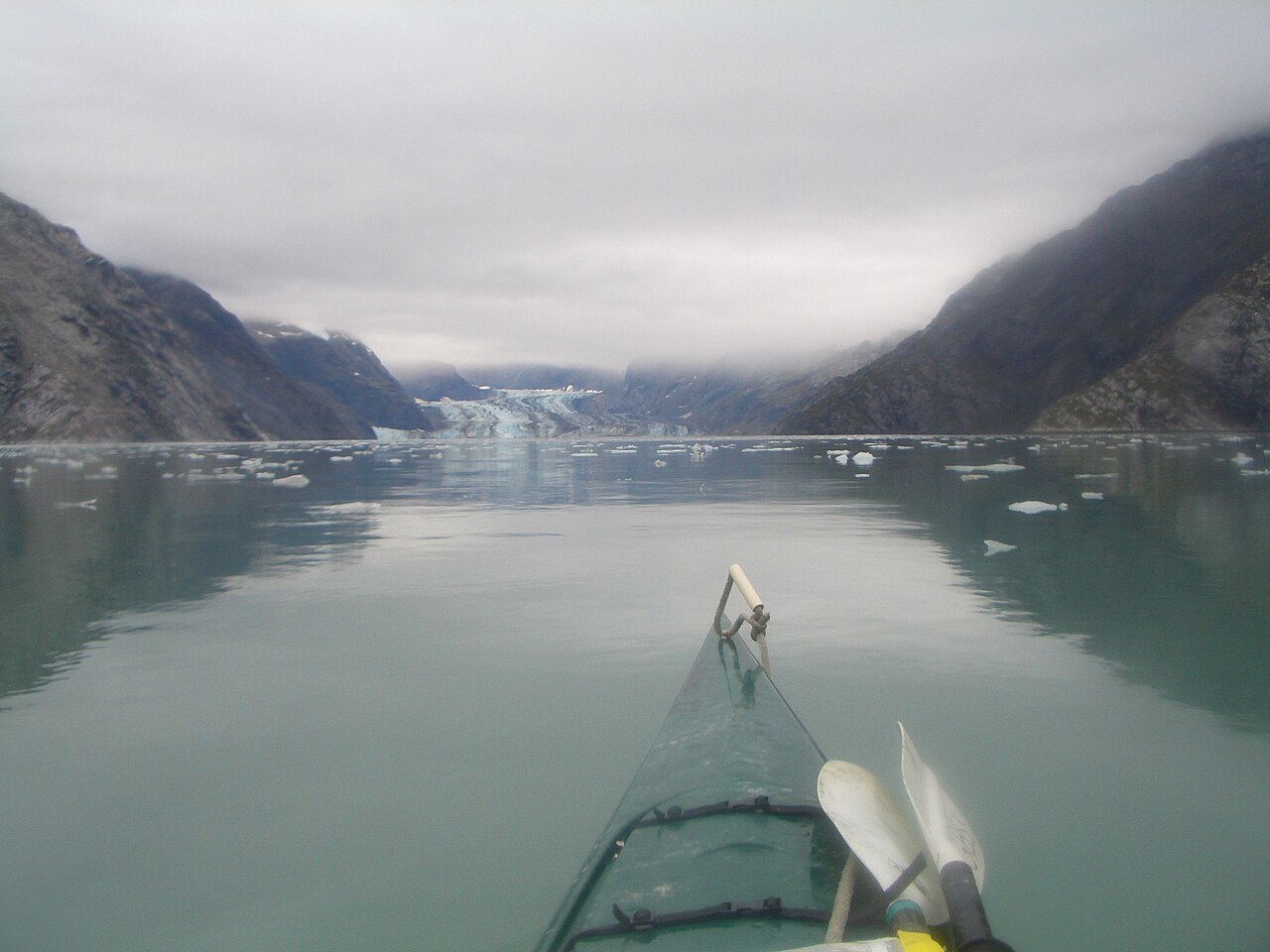
Photo: Threat to Democracy / CC BY 2.0 / Wikimedia Commons
Paddling through Kenai Fjords National Park puts you next to calving glaciers, breaching orcas, and rocky shores crowded with puffins. Travelers deciding between a guided and a self-guided kayak trip in Kenai Fjords will find the choice affects both budget and daily pace. This analysis compares the two approaches, looking at the guided-versus-DIY decision in terms of cost, safety, and experience. The draw is not just wildlife. Inside the park's 669,000 acres, paddlers pass Holgate Glacier or camp where sea otters rest in kelp. Established Kenai Fjords kayak companies like Kayak Adventures Worldwide and Sunny Cove Sea Kayaking run guided glacier paddle half-day trips from Seward for $175 to $295 per person in 2024, with multi-day trips above $1,200. A rental kayak in Seward from Miller's Landing or Liquid Adventures costs $65 to $95 daily plus a $7 nightly park permit. Slow travelers should factor provisioning at Seward markets and hidden safety gear expenses into the budget. Safety is where the two styles diverge. Guided groups carry VHF radios, bear-resistant caches, and leaders trained in tidal currents that swing up to 18 feet in Aialik Bay. Paddling solo independently demands self-rescue skill and the ability to read marine forecasts. The trade-off is between naturalist-led wildlife interpretation and the freedom to pick your own cove. Later sections give cost benchmarks and risk checklists to match trip style. In 2023, the park recorded over 360,000 visits, with kayak launches from Lowell Point among the busiest.
Cost: Guided Tours vs Self-Guided Budget
Prices for Guided Kenai Fjords Kayak Tours
Kayak tour prices in Alaska vary by trip length and what is included. Guided Kenai Fjords trips run from low-cost half-day paddles to pricey multi-day expeditions. Half-day paddles in Resurrection Bay usually cost $99 to $159 per person through established Kenai Fjords kayak companies. Full-day trips to Aialik or Holgate Glacier average $249 to $349. Multi-day guided camping trips cost about $900 for two days and up to $2,500 for a five-day remote fjord trip. The guided rate covers a bundle of services. A standard comparison needs to count what the guided price includes: professional gear like dry suits, paddles, and marine radios, round-trip water taxi transport from Seward, and a licensed guide with wilderness first responder training. Kayak Adventures Worldwide lists its 2024 half-day Resurrection Bay outing at $109 with all equipment and a naturalist guide. Liquid Adventures charges $289 for a full-day guided glacier paddle to Aialik Glacier, a fee that includes the shuttle boat and catered lunch. Travelers who go self-guided on the independent route pay less up front but handle their own logistics. Renting a single kayak from Miller's Landing in Seward costs about $65 per day, and a Seward outfitter may add $30 to $45 for a launch-point drop-off. Going on your own drops the guide fee but requires your own safety gear and navigation skills. For budget planners, the break-even point often lands around day three, where a guided Kenai Fjords expedition saves the hassle of arranging permits, food caches, and transport separately.
Budget for a Self-Guided Kenai Kayak Trip
Planning a self guided Kenai kayak expedition demands a clear picture of upfront and hidden costs. In Seward, daily rental rates for a single sea kayak typically run between $65 and $95 from local outfits like Miller's Landing. A tandem kayak often costs $110 to $140 per day. These base rates include a paddle, life vest, and spray skirt, but dry bags and specialized clothing add $15 to $30 daily. Permit requirements for independent paddlers in Kenai Fjords National Park changed in 2024. The park now charges a $6 per person day-use fee for non-commercial users, collected via the recreation.gov system. Camping permits for multi-day trips cost $15 per night at designated sites such as Cedar Island. No commercial guide license is needed for independent paddlers, but a free backcountry safety briefing registration is mandatory before launch. Insurance and contingency funds protect against the unpredictable Gulf of Alaska weather. Standard travel insurance with evacuation coverage averages $35 to $60 for a week-long trip. Many renters also place a $500 refundable damage deposit with Kenai Fjords kayak companies. Smart budget planners set aside $200 to $400 for ferry cancellations, gear replacement, or a last-minute rescue if conditions worsen. Comparing guided tour costs with DIY line items shows self-guided trips can save 40 percent over a guided kayak Kenai Fjords package, but only when contingency lines are fully funded.
Hidden Costs and Overall Value
Comparing a guided expedition with an independent trip shows how local knowledge from established outfitters changes the calculation. A full day guided glacier paddle with Seward based operator Kayak Adventures Worldwide costs $259 per person in 2024 and includes a 30 minute safety briefing on the Seward Marine Forecast and tidal currents near Pedersen Lagoon. A naturalist with over 400 fjord trips since 2015 leads that instruction. The guided-versus-DIY debate often ignores this training, but for a first time paddler the briefing is worth about $60 as a clinic. The risk of extra costs on an independent expedition starts with the bare rental rate. Liquid Adventures charges $85 per day for a single boat, and paddlers must add a $6 nightly camping permit for Kenai Fjords National Park, a $15 daily beacon rental, and $12 for charts. Going without a guide means buying a bear resistant food cache for $45. If a west wind at 22 knots traps a DIY group, the Miller's Landing water taxi costs $150 per boat. These items push a budget plan toward guided prices. Long term value per dollar favors guided trips for most visitors. Guided tour prices from top outfitters bundle photography, hot cocoa, and orca interpretation. Over a three day window a guided client spends about $777 while an independent traveler outlays $431 plus near $200 hidden fees, narrowing the gap to $146. That margin buys insured support and safer glacier access.
Safety and Risk Management
How Licensed Guides Keep Groups Safe
Licensed guides on a commercial trip carry more than paddling technique. Each leader from an established outfitter must hold a Wilderness First Responder certification and complete at least 80 hours of open-water rescue training before taking a group past Seward Harbor. When a sudden gust flipped two kayaks near Holgate Arm in July 2024, the lead guide deployed a quick-release tow system while the sweep guide radioed a support skiff on VHF channel 16. A self-guided trip has no such backup. The paddler alone must do a self-rescue and signal for help with a personal locator beacon. Park ranger logs show far more rescue calls from independent paddlers than from guided trips. Professional oversight explains most of that difference.
Before any launch, operators run a safety briefing that lasts 30 to 45 minutes. At the Seward waterfront, rental outfits in Seward such as Sunny Cove Sea Kayaking walk renters through a printed float plan, local tide tables, and the mandatory 1/4-mile buffer from calving glacier faces. Guests practice a controlled capsize drill in the marina slip so the motions feel routine before the trip begins. This pre-trip instruction gives people clear steps instead of vague warnings.
During the tour, communication stays constant. Guided groups travel with a lead and a sweep guide plus a shore coordinator monitoring weather on marine band radio. The 1:6 guide-to-guest ratio keeps every paddler within sight. A guided tour, about $189 for a half-day outing, covers this support network. Going solo leaves the individual without that immediate backup, a tradeoff worth weighing before choosing independence.
Navigation Skills for Solo Kayaking
Independent paddlers planning their own expedition must first master nautical chart reading. The relevant NOAA chart 16700 covers Resurrection Bay and Aialik Bay, showing submerged rocks and active glacier calving zones. A solo traveler should plot a course using compass bearings and confirm positions with a handheld GPS, since fog rolls in quickly. Guided outfits supply a lead navigator, but DIY visitors carry that burden alone.
Self-rescue training separates safe solo trips from risky ones. Before renting from any Seward provider, paddlers should hold American Canoe Association Level 3 sea kayak certification or demonstrate a reliable re-entry and roll. Practice sessions in protected water must cover wet exits, bilge pumping, and tandem towing. Uncertified paddlers account for most self-rescue failures, some requiring Coast Guard extraction. A guided trip avoids this requirement because guides carry throw ropes and radios.
Assessing weather and tide risks demands daily discipline. Kenai Fjords experience tidal swings up to 18 feet near Pedersen Lagoon, and afternoon northwest winds regularly exceed 25 knots. Independent planners must check the NOAA marine forecast at 6 a.m. and read printed tide tables from Seward Harbor. Guided tour prices often include this monitoring, making the choice partly a safety trade-off. Budget travelers can still go independent if they invest about 20 hours in skills training before launch.
Wildlife Encounters in Kenai Fjords
On a guided tour, passengers get a pre-launch briefing on federal distance rules. The Marine Mammal Protection Act requires kayakers to stay at least 100 yards from whales and 50 yards from seals, sea otters, and nesting birds. Independent paddlers must learn the same rules from park literature before renting a boat in Seward. The park records repeated close-approach violations by independent kayakers, with fines up to $1,200 per incident. The National Park Service also advises a 100-yard buffer from calving glaciers, a rule rangers enforce on guided and self guided trips.
Choosing between a Kenai kayak tour and a do-it-yourself trip often comes down to reading the water. Certified guides from Kenai Fjords kayak companies such as Kayak Adventures Worldwide log over 200 field days a year and can spot a humpback fluke pattern that signals a dive. A solo traveler relies on personal prep instead: downloading NOAA tide charts, carrying a VHF radio on channel 16, and packing bear spray for shoreline breaks. Seward rental outfitters like True North Kayak give a 30-minute orientation, but that does not replace a guide's judgment in the moment. Guided kayak tours in Alaska average $289 for a six-hour Aialik Bay trip, a fee that includes expert risk management.
On a guided tour or an independent trip, a quiet approach prevents panic. Paddlers should drop to half stroke rate within 200 yards of a pod, avoid bow-on approaches, and never trap a seal against ice. In July 2022, an independent kayak group scattered a Steller sea lion haul-out near Bear Glacier, and rangers temporarily closed the beach. Guided groups follow strict noise protocols, with guides signaling stops by raising a paddle instead of calling out.
Experience and Access
Benefits of a Guided Glacier Paddle
A guided outing with reputable local companies puts travelers right at the edge of active calving glaciers. In the summer 2024 season, operators like Kayak Adventures Worldwide and Liquid Adventures ran small-group trips to Aialik Glacier. Participants parked their boats about 300 feet from the terminus and watched house-sized ice chunks break off every 15 to 20 minutes. This closeness is not possible on an independent trip. Commercial permits let guided groups enter restricted zones near Holgate and Aialik Glaciers. Independent paddlers cannot go there without a costly special use authorization. Local knowledge changes the day. Veteran guides from Seward-based outfits describe the 1964 earthquake that lifted the shoreline six feet. They point out hidden coves like Thumb Cove where Russian fur traders sheltered in 1786. A guided excursion folds this history into the landscape. A rental pickup rarely offers that context. The choice often comes down to this kind of interpretation. Going alone leaves travelers guessing at the stories behind the peaks. Photography and interpretation add more value. Guides carry spotting scopes, help with shutter speeds for crashing ice, and name species from tufted puffins to humpback flukes. For travelers comparing cost of kayak tours Alaska with going alone, the guided option brings expertise that turns a paddle into a field seminar.
Freedom of an Independent Trip
Choosing an independent kayak trip swaps the fixed itinerary of a commercial outfitter for full control over the route. Independent paddlers leaving from Seward can map their own paths to Aialik Bay or Northwestern Fjord, avoiding the standard 8-mile loops that most Kenai Fjords kayak companies run twice a day. Only a few hundred private kayak permits are issued each year for overnight fjord camps, so those who plan ahead get coves nearly to themselves. Flexible pacing is the core of the independent experience. A guided trip leaves on a set schedule, but a solo traveler can wait three hours for a humpback breach or stay at a waterfall without disrupting anyone else. This isolation draws experienced paddlers.
Group Trips vs Solo Kayaking
A guided trip puts paddlers in a ready-made group, something many solo travelers like. Most outfitters keep groups to 10 or 12 guests, so a typical guided outing from Seward feels close, with everyone sharing the same stroke pace and spotting wildlife together. The guide runs navigation and tide timing, so the group can enjoy puffins at Fox Island without working out the logistics. That shared experience makes a cold morning memorable with others, unlike the DIY route where you bring your own crew. An independent expedition trades group ease for solo responsibility. Renting a kayak from a Seward Alaska outfitter like Miller's Landing costs about $75 per day, but the lower price means more mental load. Going solo demands constant chart reading and self-rescue readiness because no one else can get help if a swell flips the boat near Holgate Glacier. Paddlers have to watch tidal currents up to 4 knots in Resurrection Bay and head back before afternoon winds pick up. Unlike a guided outing, the DIY kayaker controls every variable from route to emergency signaling. The choice comes down to personality. Outgoing travelers who like local food markets and group company pick the built-in social side of a guided trip, especially when guided rates (about $200 to $350 half-day) fit a budget. Experienced paddlers who want quiet choose self guided Kenai kayak routes from Lowell Point. The decision links paddle style to comfort level: first-time fjord visitors should take a guided trip, while returning kayakers who read tide tables well can go alone. The right choice matches the paddler to the place.
Choosing a Kenai Kayak Tour or DIY Trip
Choosing between a guided Kenai Fjords kayak expedition and a self guided Kenai kayak trip comes down to simple numbers and your own comfort level. Commercial tours from Kenai Fjords kayak companies like Sunny Cove Sea Kayaking start at $189 for a three-hour Seward Harbor trip and go up to $395 for a full-day guided glacier paddle into Aialik Bay. That fee includes a certified guide, marine radio, and group safety gear. A self-guided setup through a Seward rental shop like Miller's Landing costs $85 per day for a single craft plus $12 for a tide chart and dry bags. Over five DIY days you save more than $800 per person, but only if you have open-water rescue skills.
Safety is the biggest dividing factor. State boating records show most kayak incidents in the region involve unguided paddlers. Guided groups carry VHF radios and a wilderness first responder. Going solo requires you to handle sudden katabatic winds and tide swings up to 18 feet on your own. The experience is different as well. Guides explain glacial calving and humpback behavior, while DIY gives you autonomy in Resurrection Bay's quieter coves.
The choice depends on budget, skill, and how much independence you want. If you have never paddled among icebergs, book a tour with a vetted operator this season. If you are a seasoned paddler with a plotted route, reserve a rental kayak in Seward and plan a DIY trip after reviewing the tide tables this week.
Official sources
Details worth verifying before you go — checked against:

Travel Writer & Editor
Emily Johnson writes and edits Do Travel Blog. Every guide on the site starts the same way: with a question she actually had while planning — when to book, which pass to buy, how to get from A to B without overpaying. Where a number matters, she cites the source: park tickets link to the park's own fee page, visa rules to the official consulate, ferry times to the operator. Prices get re-checked against those pages before each update, and a guide is re-dated when its numbers move. Nothing here is sponsored — she doesn't accept payment for coverage. Spotted something stale or wrong? Email hello@dotravel.blog and she'll fix it.