Ha Giang Motorbike Rainy Season Survival Guide
Ride Ha Giang pass monsoon with our survival guide: rain gear, wet road tactics, and safety for the Ha Giang motorbike rainy season loop.
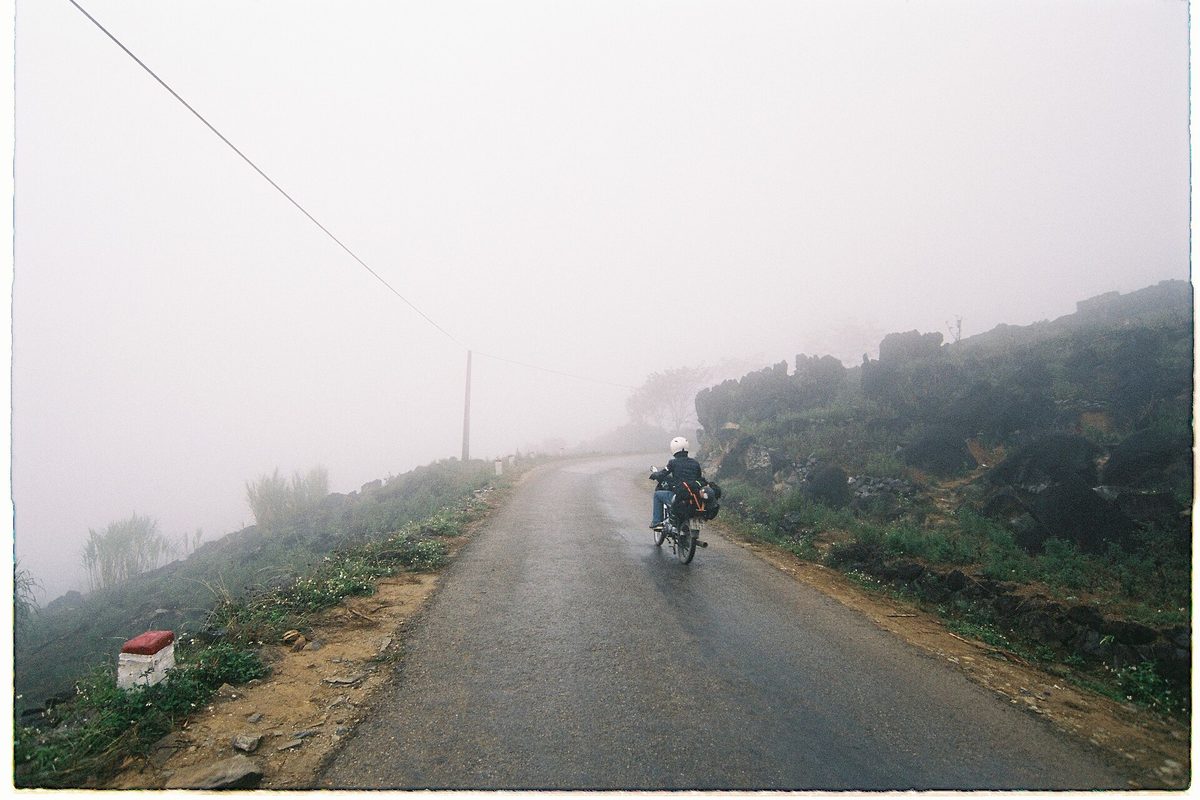
Why Ride Ha Giang During the Rainy Season
The Ha Giang motorbike rainy season runs from May through September, with the heaviest rain in July and August. Most riders avoid it. That is exactly why you should consider going. The limestone karst passes are greener, the rice terraces flood with water, and the tourist crowds thin out. Riding Ha Giang pass monsoon conditions demands preparation that dry-season riders never think about.
Local guesthouses in Tam Son and Yen Minh report 40 percent fewer foreign riders in August. You get empty roads and clear photos. You also get slick clay, sudden fog, and the real risk of a pass closure rain Ha Giang authorities put in place after landslides.
This guide covers the gear you need, what the roads do when wet, and the tactics that keep you upright. It is built from riders who have run the loop in storms and from northern Vietnam weather records.
Understanding Ha Giang Weather May Through September
Ha Giang weather May starts the wet period. Early season rain is short and comes in afternoon bursts. By June the humidity climbs and storms last longer. July and August are the peak. September still gets rain but the typhoon track moves south.
Temperature and Altitude Effects
The loop climbs to 1,500 meters at the Ma Pi Leng pass. Cold fog altitude drops temperatures 8 to 10 degrees below the valley floor. A rider leaving Dong Van at 24 degrees can hit 14 degrees in fog within 40 minutes. Wet gear plus cold air causes hypothermia faster than most expect.
Storm Patterns on the Loop
North Vietnam motorbike storm systems usually arrive from the southwest. They build over the Chinese border and dump water on the northern spine. Check the forecast in Ha Giang town before you leave. Do not trust a clear morning in the valley. Mountains make their own weather. For broader context on wet-season riding mindsets, see our stormy travel mindset guide.
Pass Closure Rules
A pass closure rain Ha Giang event happens after landslides block the road. The Dong Van to Meo Vac road shuts most often. Police wave riders back at the barrier. You lose a half day and must reroute through Yen Minh. Build one buffer day into every rainy season plan.
Essential Rain Gear for the Ha Giang Loop
Your Ha Giang loop rain gear is the difference between a good story and a hospital visit. Cheap ponchos tear at 40 km/h. Build a real kit.
Waterproof Jacket and Pants
A waterproof jacket with taped seams is non-negotiable. Look for 10,000 mm rating or higher. The $15 market jacket in Ha Giang town soaks through in 20 minutes of rain. Pants must overlap boots by 10 cm or water runs down your legs into your socks.
Anti-Fog Visor and Gloves
Fog Ha Giang pass conditions coat a visor in seconds. An anti-fog visor insert or a pin-lock works. Carry a microfibre cloth. Gloves should be leather with a waterproof liner, not cotton. Wet cotton gloves give you zero brake feel.
Mudguard and Chain Care
Fit a front mudguard before you leave. The stock scooter fenders on motorbike rental Ha Giang bikes leave a rooster tail of clay on your back. Chain lube rain formula (wet lube) keeps the chain from rusting. Apply it each morning. A dry chain snaps on a climb.
Tire Choice for Wet Asphalt
Bike tires rain Vietnam roads need deep tread. The standard semi-slick on rental bikes is dangerous on wet asphalt. Ask the shop for knobbly tires. If they only have slicks, ride at 60 percent of your normal speed. Cornering wet asphalt with a slick tire at 50 km/h ends in a slide.
Road Conditions You Will Actually Face
The road from Ha Giang to Quan Ba is paved and drains well. Past Tam Son the climb to the Heaven Gate gets clay shoulders. After rain these shoulders become slip road Ha Giang traps. Your wheel catches the mud and pulls you off line.
Slip Roads and Clay
A slip road Ha Giang section is a side track that looks like a shortcut. After rain it is liquid clay. Locals use them on foot. Riders who take them fall. Stay on the main asphalt even if it is longer.
Landslide Risk
Landslide risk peaks in August on the Ma Pi Leng. Rocks fall without warning after heavy rain. If you see fresh scar on the hillside, wait 30 minutes before riding under it. A local guesthouse storm shelter along that pass takes in stranded riders free of charge during closures.
Brake Distance on Wet Roads
Brake distance doubles on wet asphalt. At 40 km/h you need 16 meters not 8. Use both brakes gentle. Front brake hard on a wet corner locks the wheel. Rear brake alone takes longer to stop. Practice on a flat wet section before the first pass.
Safety Tactics That Keep You Upright
Riding Ha Giang pass monsoon weather is about restraint. The fast rider in dry season is the crashed rider in wet season.
Speed and Cornering
Cornering wet asphalt means entry slow, exit slow. Look through the corner to where you want to go. Keep the bike upright. Lean the body not the bike. If the road shines black it has a clay film. Treat it like ice.
Fog Navigation
Fog Ha Giang pass whiteouts cut sight to 5 meters. Slow to 20 km/h. Follow the painted road edge. Use your horn before blind corners. Local trucks come fast and wide. If fog is too thick at the Ma Pi Leng, turn back to Dong Van and wait.
Emergency Shelter and Contacts
If you are caught, a local guesthouse storm stop is your friend. They know the loop and will call the rental shop. Save the motorbike rental Ha Giang shop number in your phone. Carry a power bank. Dead phone in fog is how riders get lost.
Chain Lube and Daily Checks
Each morning check chain lube rain level, tire pressure, and brake pads. Wet roads eat pads fast. A thin pad fails on a long descent. Spend 10 minutes before start. It beats walking the bike down.
Motorbike Rental Ha Giang Rainy Season Tips
Most motorbike rental Ha Giang shops in the town center rent all year. Pick a shop that lets you inspect the bike. Test the brakes on a wet patch behind the shop. Ask for knobbly tires in writing on the contract. For a wider regional context on two-wheeled adventures, check the Mae Hong Son Loop guide.
What to Demand in the Contract
Write the tire type, the brake condition, and the spare key location. A shop that refuses is a shop to avoid. Rain storms break cables. You want a spare on the bike not at the shop 60 km away.
Insurance Reality
Most rental insurance excludes rain crashes. They call it rider error. Film the bike at pickup. Show the tires and brakes. If you crash in mud the film proves the bike was unsafe not just wet.
Sample 4-Day Rainy Loop Plan
This plan assumes Ha Giang weather May or June with afternoon storms not all-day rain.
Day 1 Ha Giang to Yen Minh
Leave at 7 am before the storm builds. 130 km. Paved road. Sleep in Yen Minh where guesthouses have storm cover. Check chain lube rain at end of day.
Day 2 Yen Minh to Dong Van
Climb to the Heaven Gate. Watch slip road Ha Giang clay at the shoulder. 100 km. Arrive before 2 pm. Storm hits at 3.
Day 3 Dong Van to Meo Vac to Du Gia
Ma Pi Leng early. If landslide risk is high turn back. 150 km via Meo Vac then down to Du Gia. Hot spring there warms you after fog.
Day 4 Du Gia to Ha Giang
Easy 100 km. Buffer day if pass closure rain Ha Giang hit earlier. Return bike. Show the film if disputed.
Packing List for the Wet Loop - Waterproof jacket and pants (10k mm) - Anti-fog visor insert - Leather waterproof gloves - Front mudguard fitted - Knobbly bike tires rain Vietnam spec - Chain lube rain bottle - Power bank and shop phone number - Spare brake cable - Warm layer for cold fog altitude - Microfibre cloth for visor
Common Mistakes Riders Make
Riders trust the clear morning. They skip the mudguard. They keep dry-season speed. They take a slip road Ha Giang cut. They ignore fog Ha Giang pass signs. They rent from a shop that will not write tire type. Each mistake is a crash or a stranded night.
Final Word
The Ha Giang motorbike rainy season is rideable for those who prepare. Pack real rain gear, fit proper tires, ride slow in fog, and respect the landslide risk. Build a buffer day for pass closure rain Ha Giang events. Ride the loop wet and you get the best photos of the year with none of the crowds.
Plan: 4 days, 480 km, 1 buffer day
Gear: jacket 10k mm, knobbly tires, mudguard
Rule: slow in fog, no slip roads, film the bike
Official sources
Details worth verifying before you go — checked against:

Travel Writer & Editor
Emily Johnson writes and edits Do Travel Blog. Every guide on the site starts the same way: with a question she actually had while planning — when to book, which pass to buy, how to get from A to B without overpaying. Where a number matters, she cites the source: park tickets link to the park's own fee page, visa rules to the official consulate, ferry times to the operator. Prices get re-checked against those pages before each update, and a guide is re-dated when its numbers move. Nothing here is sponsored — she doesn't accept payment for coverage. Spotted something stale or wrong? Email hello@dotravel.blog and she'll fix it.