Beyond Stone: Uncovering History That Photos Miss
Practical archaeology travel tips and site exploration insights for immersive heritage storytelling.
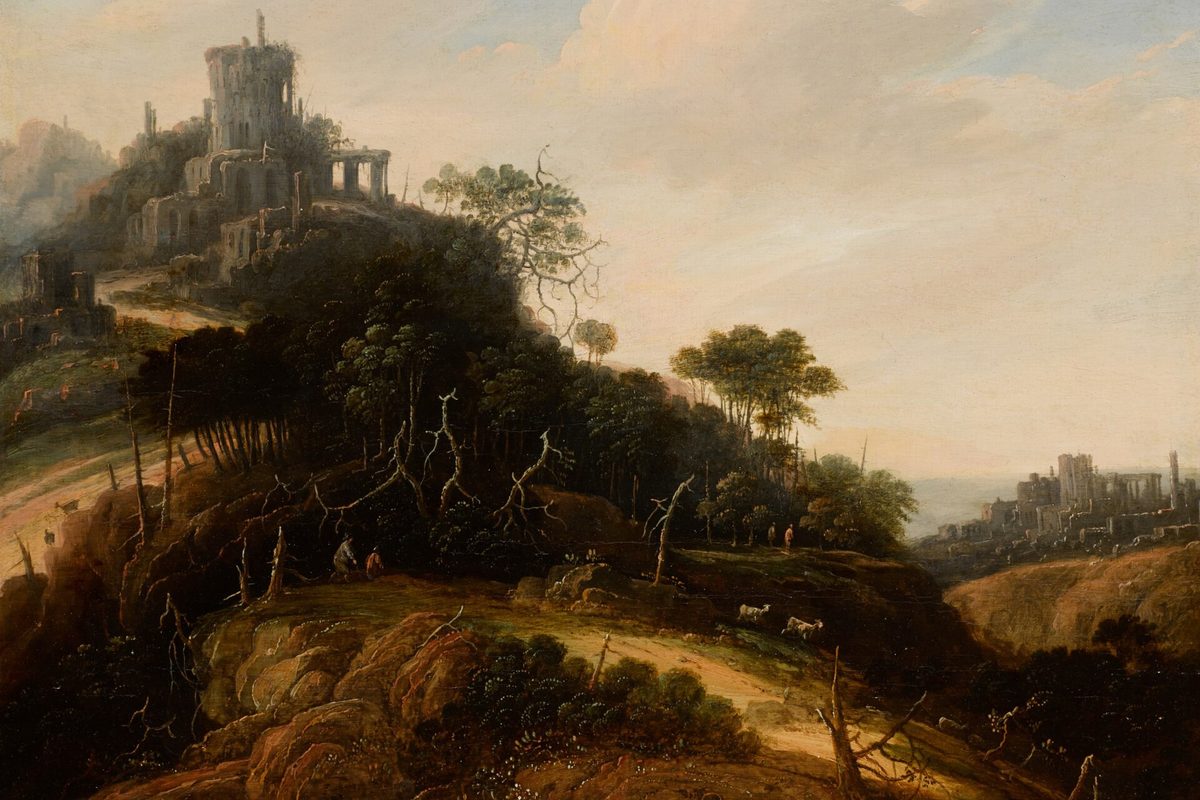
When a traveler steps onto a crumbling mound, the broken walls and scattered shards may look like junk. Each piece, however, records a human action that happened long ago. Seeing an ancient ruin well means more than a quick glance; it requires careful observation, patience, and an eye for how cultures built up over time. This guide shows how to turn silent stones into clear stories, offering hands‑on advice for archaeology travel and deeper insight into the heritage below the surface.
The Invisible Narrative Behind the Stones
Every ruin stores information. The way a column fell, the colors that remain on a wall, and the pattern of weathering all point to who built the place, how they lived, and why they left. Researchers treat each detail as data, linking architecture, daily routines, and larger historical forces. By turning these clues into a story, they help modern visitors feel a connection to the past. For more on ancient fortifications, see Ancient Fortresses of the Caucasus.
Historical Site Exploration: Methodology
Good site work starts with research. Before arriving, gather published reports, satellite images, and local oral histories. In the field, conduct systematic surveys, create maps, and record stratigraphy. Keep detailed notes, photos, and 3D models so the data can be revisited. Combining geology, anthropology, and botany builds a fuller picture of the site. This careful approach underpins any reliable field experience. If you’re interested in historic urban quarters, check Mediterranean Historical Quarters Guide.
Archaeology Travel: Preparing for the Journey
Planning an archaeology trip involves more than booking a flight. Check the legal rules for permits, respect local customs, and consider the ethics of collecting artifacts. Pack a lightweight notebook, a reliable GPS, and suitable clothing for the environment. Hiring a local guide who knows the heritage can reveal details missing from guidebooks and turn a simple visit into a learning experience. Bring sun protection, water, and a first‑aid kit for safety in remote areas.
Case Study 1: The Forgotten City of Çatalhöyük
Çatalhöyük in central Anatolia shows early urban life. The settlement consists of tightly packed mud‑brick houses entered by rooftop ladders. Wall paintings there depict communal rituals, giving clues about social organization. Exploring the site reveals how residents arranged space, managed resources, and expressed identity through art. Visitors can see the roots of complex society while supporting preservation by following site rules.
Case Study 2: The Deserted Temples of Angkor
The Angkor complex in Cambodia reflects the Khmer Empire’s architectural ambition. Beyond the famous Angkor Wat, many smaller temples remain overgrown and partially collapsed. These structures provide data on regional trade, religious mixing, and engineering. Modern LiDAR scans have uncovered hidden corridors and water‑management features beneath the jungle. Travelers who go off the main path can observe how nature reclaims stone while keeping cultural memory alive.
Case Study 3: The Submerged Streets of Heracleion
Off Egypt’s coast lies the sunken city of Heracleion, once a busy port linking the Mediterranean and Africa. Underwater archaeology has recovered statues, inscriptions, and shipwrecks that show the city’s economic role. Exploring underwater sites needs remote‑operated vehicles and sonar mapping. The finds revise ideas about Egyptian maritime power and highlight the risk that rising seas pose to heritage. Divers who visit Heracleion can see history preserved beneath the waves.
Heritage Sites and Community Memory
Heritage sites belong to living communities. Local stories often keep details that academic work misses, such as folklore attached to a stone or seasonal festivals honoring ancestors. Including community memory in storytelling enriches interpretation and promotes inclusive preservation. Working with residents during a visit can lead to projects like community‑run museums or workshops that protect cultural heritage for future generations. Exploring hidden urban histories can complement community memory, see Urban Exploration: Hidden History.
The Role of Historical Storytelling in Preservation
When a ruin is presented only as an object, public interest drops and funding dries up. Sharing stories about past people, linking artifacts to universal themes, and using vivid description can spark emotional investment. This approach works especially for sites without grand architecture but with deep cultural layers. Storytelling therefore helps secure resources and legal protection.
Cultural Layers: How Ruins Reveal Societal Change
Stratigraphy - the study of soil layers - acts as a timeline of cultural shifts. A single wall may contain foundations from one civilization, renovations from another, and graffiti from a later period. Analyzing pottery styles, building methods, and burial customs lets archaeologists read the sequence of change. These layers show that societies evolve, adapt, and sometimes merge, leaving a record for modern observers.
Preservation Challenges: Weather, Looting, Tourism
Heritage sites face three main threats. Weather erodes stone, especially where temperature swings or heavy rain occur. Looting removes artifacts and breaks context needed for interpretation. Tourism brings money but can wear down structures and dilute authenticity if not managed. Effective strategies include climate‑controlled shelters, community monitoring, and visitor education that stresses low impact. Balancing access with protection keeps sites viable for future generations. For ethical travel practices, see Ethical Safari and Ecotourism Tips.
Sustainable Field Practices
Sustainable travel means low‑impact visits that support local economies. Choose certified eco‑tour operators, stay within site boundaries, and follow "leave no trace" rules. Buy locally made crafts, hire guides from the community, and contribute to maintenance funds. Document observations responsibly - avoid flash photography and never remove artifacts - to protect the site while enriching your own storytelling.
Technology Enhancing Historical Site Exploration
Digital tools have changed how researchers and tourists engage with ruins. Photogrammetry turns photos into detailed 3D models, allowing virtual reconstruction of collapsed structures. Augmented‑reality apps overlay information on a wall, turning a blank surface into a scene of daily life. Geographic Information Systems combine spatial data to reveal settlement patterns and resource use. These innovations let participants experience ancient history in interactive formats.
Interpreting Ancient Ruins History Through Artifacts
Artifacts link us to past behavior. A pottery shard can show trade routes through its composition; a bronze tool indicates technological level. The context - depth, nearby items, surrounding architecture - helps determine function and importance. Cataloguing and analyzing artifacts lets scholars reconstruct economies, diets, and artistic expression. For travelers, seeing objects in situ or in museums deepens appreciation for the nuanced narratives each ruin holds.
Traveling Through Time: Experiencing the Past Firsthand
Walking through a centuries‑old courtyard, hearing footsteps on stone, and feeling the weight of history creates an emotional resonance that books cannot match. This sensory immersion is the core of this kind of travel: it turns dates and names into lived experience. When visitors engage with a site’s physicality, they become part of the storytelling process and carry the memory forward.
Practical Tips for Site Visitors
- Check site access rules early; some ruins need permits or guided tours only.
- Pack a lightweight field journal and waterproof pens for note‑taking.
- Use a high‑resolution camera with a macro lens to capture inscription details.
- Respect local customs about dress, photography, and sacred spaces.
- Support conservation by donating to reputable groups or buying site‑specific merchandise.
- Stay hydrated and protect yourself from sun exposure, especially in desert ruins.
- Back up photos and notes each evening to avoid data loss.
Building a Personal Narrative: From Visitor to Storyteller
After a trip, the work continues in the stories you share. Combine observations, photos, and reflections into a narrative that highlights the human side of the ruins. Use descriptive keywords like historical site exploration to place your account in the larger conversation. Publish on a blog, contribute to community forums, or present at local heritage clubs. Sharing your experience amplifies the importance of heritage sites and encourages others to explore.
Ruins may look like piles of debris, but they hold cultural memory. Through careful site exploration, thoughtful travel, and clear storytelling, we can uncover the history hidden beneath the surface. Respect preservation needs, adopt sustainable practices, and share what you learn. Your next step: choose a site, prepare responsibly, and let the stones tell their story.
Official sources
Details worth verifying before you go — checked against:
Travel Writer & Editor
Emily Johnson writes and edits Do Travel Blog. Every guide on the site starts the same way: with a question she actually had while planning — when to book, which pass to buy, how to get from A to B without overpaying. Where a number matters, she cites the source: park tickets link to the park's own fee page, visa rules to the official consulate, ferry times to the operator. Prices get re-checked against those pages before each update, and a guide is re-dated when its numbers move. Nothing here is sponsored — she doesn't accept payment for coverage. Spotted something stale or wrong? Email hello@dotravel.blog and she'll fix it.