Marrakesh Price Guide: How Much Should You Actually Pay?
Find fair prices for rugs, lamps, and leather in Marrakech. Use our price benchmarking guide to avoid the tourist tax and buy authentic goods.
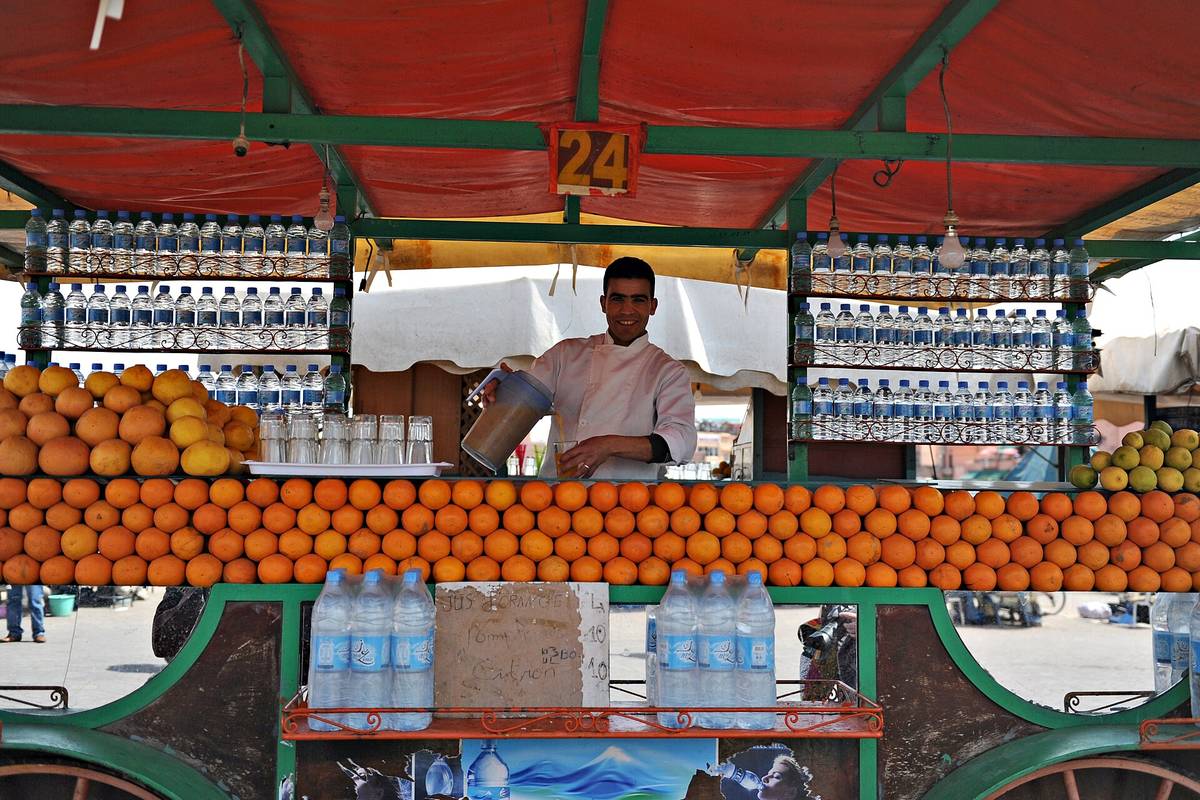
The reality of shopping in the Marrakesh souks
Walking into the souks of Marrakesh is a sensory overload. The smell of tanned leather, the glow of brass lamps, and the calls of vendors create an environment where price tags are rarely fixed. Most travelers worry about the "tourist tax," which is paying three or four times the actual value of an item because they do not know the local fair prices.
Price benchmarking is not about finding the absolute lowest price, as that often leads to poor quality. Instead, it is about finding the fair market value. A fair price allows the artisan to make a living wage while the buyer gets an authentic product. This guide breaks down the costs of popular goods, from leather bags to high-end Berber rugs, to help you navigate these transactions.
How price benchmarking works in Morocco
Prices in Marrakesh are fluid. The first price you are quoted is a starting point for a social interaction, not a formal offer. To establish a benchmark, look at material quality, labor intensity, and the location of the shop.
Shops on the main arteries of the souks often have higher overheads and higher initial quotes. Small workshops in the deeper alleys may offer lower prices, but they are harder to find. When searching for fair prices, compare at least three different vendors for the same item before you start negotiating.
Buying rugs in Marrakesh: The high-value game
Buying rugs is one of the most complex transactions a visitor will encounter. These are investments in textile art rather than just home decor. Prices vary widely based on knot density, the type of wool, and the dyes used.
Understanding rug types and costs
-
Beni Ourain Rugs: These are the shaggy, white rugs with black geometric lines. Because they are globally popular, they are often overpriced. A genuine, hand-knotted Beni Ourain rug of medium size (roughly 2x3 meters) typically costs between 300 and 800 USD. If you are quoted 2,000 USD, you are paying a heavy tourist premium. If it is 100 USD, it is likely machine-made or synthetic.
-
Azilal Rugs: These are more colorful and often feature abstract symbols. They are generally more affordable than Beni Ourain. Expect to pay between 150 and 400 USD for a medium-sized piece.
-
Kilim (Flat-weave): These are thinner and more durable. A high-quality Kilim can range from 80 to 250 USD depending on the weave complexity.
Quality indicators for rugs
To avoid fakes, check the back of the rug. In a hand-knotted rug, the pattern is mirrored on the back. If the back looks messy or the pattern is blurred, the quality is lower. Feel the wool; it should feel oily and dense, not scratchy or like plastic. Authentic Moroccan wool has a weight and scent that synthetic blends cannot replicate.
Negotiation tactics for high-ticket items
When buying rugs, the goal is to move the price from the "fantasy price" to the "fair price." Start by showing interest in the craft. Once the initial quote is given, offer about 40-50% of that price. The negotiation usually settles around 60-70% of the original quote if that aligns with the market benchmark.
Moroccan lamp prices and metalwork
Brass and copper lamps are icons of the souks, but there is a big difference between a mass-produced piece and a hand-hammered artisan lamp.
Price benchmarks for lighting - Small tea light lanterns: 10 to 25 USD. - Medium table lamps: 30 to 70 USD. - Large ceiling pendants: 100 to 300 USD.
Authentic vs fake Moroccan goods in metalwork
Many traditional lamps are now imported or made using cheap casting molds. To spot a high-quality lamp, look at the holes. Hand-pierced lamps have slight irregularities in spacing and size. If every hole is mathematically perfect, it was likely made by a machine. Also, check the weight. Solid brass is heavy, while thin, tin-plated steel is light and will rust.
Leather goods Marrakech cost analysis
Marrakesh is known for its tanneries. Leather is everywhere, from slippers (babouches) to handbags and jackets.
The cost of leather - Babouches (Slippers): Simple pairs should cost between 10 and 20 USD. High-end, embroidered versions may go up to 40 USD. - Leather Handbags: A medium-sized, genuine goat or calfskin bag should cost between 40 and 120 USD. Avoid bags priced at 20 USD, as they are often bonded leather (scraps glued together) rather than full-grain. - Leather Jackets: A quality hand-stitched jacket typically ranges from 150 to 300 USD.
Quality indicators for leather
Smell the leather. Authentic tanned leather has a strong, distinct scent. If it smells like chemicals or plastic, it is a synthetic blend. Check the stitching; straight, tight lines indicate a professional artisan. Be wary of "genuine leather" labels on very cheap items, as this is often a marketing term for the lowest grade of real leather.
Spices, oils, and apothecary products
Shopping for Argan oil and saffron requires caution because fakes are common in these categories.
Saffron and spice benchmarks
Saffron is the most expensive spice in the world. Pure Moroccan saffron should be priced by the gram. A fair price is roughly 10 to 20 USD per gram. If you see a large jar of saffron for 15 USD, it is almost certainly dyed corn silk or safflower.
Argan oil: The liquid gold
Argan oil comes in cosmetic and culinary forms. - Cosmetic Argan Oil: 10 to 20 USD for a 100ml bottle. - Culinary Argan Oil (toasted): 15 to 25 USD for 250ml.
To avoid fakes, do not buy oil in clear plastic bottles from street vendors. Look for dark glass bottles that protect the oil from light. Real Argan oil has a subtle, nutty aroma. If it smells like perfume or has no scent, it has likely been diluted with sunflower or paraffin oil.
Tactical negotiation: The art of the deal
Negotiation in Marrakesh is a cultural ritual. It is a game of social calibration rather than an argument. If you refuse to negotiate, you are skipping a part of the traditional shopping experience. For more on the psychology of these interactions, see our guide to talking your way through local markets.
The step-by-step negotiation process
- The Inquiry: Ask the price, but do not show too much excitement. If you look like you must have it, the starting price will be higher.
- The Anchor: The vendor will give a high price. Your job is to set a lower anchor. Do not offer a price that is insulting, such as 10% of the ask, as this may end the conversation. Start at 40-50%.
- The Middle Ground: The vendor will come down slightly, and you move up slightly.
- The Walk-Away: This is your most powerful tool. If the price is still above your benchmark, thank the vendor and start to walk away. If the price is fair for the vendor, they will often call you back with a final offer.
When to stop negotiating
Once you reach a price that you feel is fair and the vendor agrees, the deal is a contract. It is considered poor form to continue pushing for a lower price after a verbal agreement.
Wholesale markets vs. tourist souks
To find the best prices, venture outside the main tourist squares like Jemaa el-Fna. The wholesale districts, where locals buy, offer a different experience. This is a great way to find local secrets that beat tourist traps.
In these areas, the tourist tax is almost non-existent, but the experience is less curated. You will find larger quantities of goods and fewer showrooms. The quality is often higher because these vendors rely on repeat local business. If you are buying in bulk, such as ten lamps for a home renovation, the wholesale markets are the best option.
Avoiding common scams
While most vendors are honest, there are common traps to avoid.
The "free" guide
Avoid people who offer to show you the best prices or secret workshops for free. These guides almost always take a 20-50% commission from the shopkeeper. This commission is added to your price, meaning you will not get a fair deal while using an unofficial guide.
The "special discount"
Be wary of vendors who claim they are giving you a special price because of your nationality or because it is the end of the day. These are standard sales tactics designed to make you feel you have already won the negotiation.
Summary of fair price benchmarks
Refer to this list of estimated fair prices for common items in Marrakesh. - Medium Beni Ourain Rug: 300 - 800 USD - Medium Azilal Rug: 150 - 400 USD - Small Brass Lantern: 10 - 25 USD - Large Brass Pendant: 100 - 300 USD - Leather Babouches: 10 - 20 USD - Genuine Leather Bag: 40 - 120 USD - Pure Saffron: 10 - 20 USD per gram - Cosmetic Argan Oil (100ml): 10 - 20 USD
Final checklist for the conscious shopper
Before you pay, run through this checklist: - Have I compared this item in at least three different shops? - Does the quality match the price point? - Am I paying for the item or a guide's commission? - Is the price within the established benchmark for this category? - Am I satisfied with the product, regardless of the price?
Shopping in Marrakesh should be an adventure. By using these benchmarks, you can bring home authentic Moroccan treasures while ensuring artisans are paid fairly and you do not overpay. If you are planning a wider trip, remember to check Berber hospitality customs to better understand the local culture.
Your next step is to head into the souks with a budget and a list of benchmarks. The goal is a transaction where both the buyer and the seller leave happy.
Official sources
Details worth verifying before you go — checked against:

Travel Writer & Editor
Emily Johnson writes and edits Do Travel Blog. Every guide on the site starts the same way: with a question she actually had while planning — when to book, which pass to buy, how to get from A to B without overpaying. Where a number matters, she cites the source: park tickets link to the park's own fee page, visa rules to the official consulate, ferry times to the operator. Prices get re-checked against those pages before each update, and a guide is re-dated when its numbers move. Nothing here is sponsored — she doesn't accept payment for coverage. Spotted something stale or wrong? Email hello@dotravel.blog and she'll fix it.