What to Pack for a Merzouga Desert Night: Complete Checklist
Complete Merzouga packing list for desert night essentials: what to pack Sahara for cold temps, sand, and camp comfort under the stars.
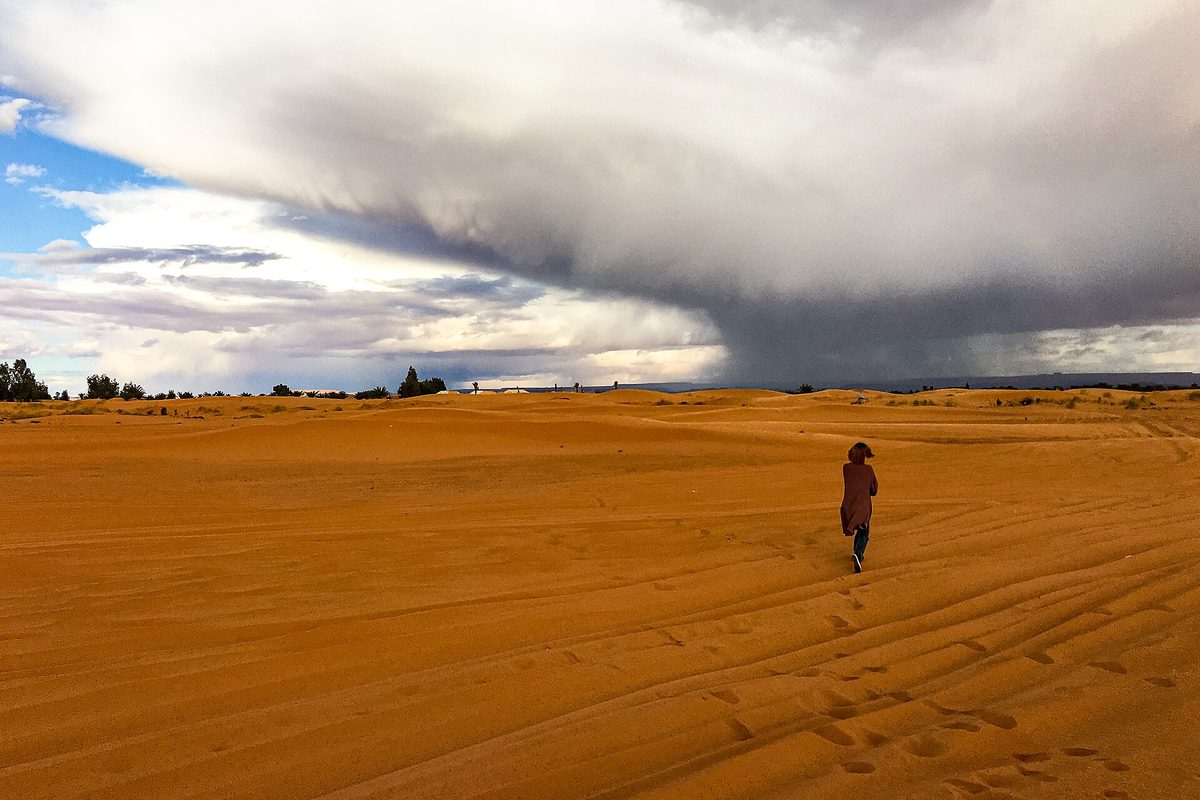
Pack Smart for Your Merzouga Desert Night
The Erg Chebbi dunes near Merzouga reach 150 meters and show a sky full of stars after sunset. The desert heats to 28°C at midday but falls to 4°C by 3am in winter, a 24-degree drop that surprises many visitors. A good Merzouga packing list handles this with layered cold desert night clothes and solid Sahara camping gear. This guide covers the items to bring, from a warm sleeping bag to a sturdy headlamp. The aim is practical: use the checklist for camp comfort and safety on an overnight stay. The checklist splits preparation into five zones: sleep system, clothing, protection, light, and hydration. For sleep, the bags camp operators rent often rate to -5°C, but independent travelers should bring their own 0°C bag such as Decathlon's Forclaz 0° for 39 euros. Cold desert night clothes include a merino base layer, a fleece mid-layer, and a windproof jacket. A scarf for sand, traditionally a tuareg cheich, protects eyes and neck from fine particles that drift after dark. Desert footwear should be closed-toe but breathable; lightweight trekking shoes protect against scorpion stings. A headlamp needs 200+ lumens because paths between tents have no lighting. Each item in this guide solves a specific problem of the Sahara night.
Desert Night Essentials: Climate and Layering
How Merzouga Temperatures Fall from Day to Night
Merzouga sits at the edge of Erg Chebbi, where a typical spring day pushes temperatures to 35C under direct sun, yet after sunset the same dunes can drop to near 0C before dawn. This swing of more than 30 degrees in a single 24-hour cycle shapes every sensible packing decision. The cause is simple: sand holds little moisture and loses heat fast once the sun goes down. Radiative cooling draws warmth from the ground into the clear sky, and a light sand wind removes the thin warm layer around the body, producing a wind chill that makes a 5C night feel below zero. For travelers staying at a Berber camp, desert night essentials must focus on thermal control rather than appearance. Village weather records show December nights often hover around freezing, and cold snaps can push readings below zero before sunrise. A visitor who arrives in a linen shirt and sandals for a 35C afternoon faces real hypothermia risk by midnight without proper cold desert night clothes. The answer is layering for the dunes: a moisture-wicking base, an insulating mid-layer, and a windproof shell that blocks the sand-laden gusts. This idea leads into the rest of the desert survival guidance, from a sleeping bag Erg Chebbi rated to -5C to a scarf for sand that protects the neck and face. Other Merzouga overnight items such as a headlamp Morocco travelers trust, sturdy desert footwear, and compact Sahara camping gear all follow the same thermal rule. When the body stays warm through radiative loss, the desert is enjoyable instead of dangerous. The following sections detail each layer and tool with exact specifications.
Layering for Dunes and Camp Comfort
A good kit treats clothing as a system instead of separate items. In Erg Chebbi, Merzouga sees January highs of 24°C and lows near 2°C, so a three-layer approach makes sense. These pieces build warmth gradually after the sun drops behind the dunes. Knowing what to pack Sahara means getting ready for that quick cooling without carrying a heavy coat.
The base layer sits against the skin and wicks sweat during a camel trek or walk on sand. Merino wool or synthetic long johns work best as cold desert night clothes because they stay dry. The mid layer insulates with fleece or down and traps body heat at camp. The outer shell blocks the constant desert wind and fine dust. A light windbreaker with a scarf for sand protects the neck and face. Together these pieces keep travelers comfortable through the chill.
At a Bedouin camp, layering improves sleep. Guests who add the mid layer before getting into a sleeping bag Erg Chebbi rated to 0°C wake warm despite the cold ground. Proper Sahara camping gear makes a freezing night a quiet rest under the stars.
The next clothing section covers specific Merzouga overnight items like desert footwear and a headlamp Morocco travelers use for midnight walks. Those pieces finish the layering strategy with useful accessories.
What to Pack for the Sahara: Clothing and Footwear
Cold Night Clothes: A Three Layer System
A three layer system is the core of any kit because Erg Chebbi evenings shift from scorching afternoon heat to near freezing pre dawn cold. Your kit must handle a temperature drop that can reach 30 degrees Celsius between sunset and midnight. Slow travel favors lightweight pieces that work across both day and night.
The base layer should be merino wool or a synthetic wicking fabric, never cotton. Cotton holds moisture and chills the skin once the wind picks up. Run the merino base from October through April; in the warm-months variant it comes out of the bag, though the fleece still earns its place after midnight. Thermal underwear is among the most overlooked Merzouga overnight items, and it gives the best warmth to weight ratio for a Sahara camping gear setup. Pick a neutral or light color for the base so it stays breathable and discreet during daytime exploration around the dunes.
A mid layer of fleece gives the insulating buffer. A 200 weight fleece pullover weighs under 400 grams and compresses into a daypack. This piece bridges the thin base and the outer shell, keeping the core warm when sitting by a campfire at a desert camp.
The outer layer should be a down jacket or a windproof shell. Down gives strong warmth for its bulk, while a windproof outer blocks the constant draft across the erg. Cold desert night clothes need wool socks, ideally two pairs, to protect feet from the sand chilled ground.
When deciding what to pack Sahara travelers should note that all three layers must breathe. Light colored outer garments reflect midday sun and prevent overheating on a morning walk. A practical list thus works from noon to midnight.
Scarf and Eyewear for Sand Protection
A Merzouga packing list should put a scarf for sand near the top of the list, since the Erg Chebbi dunes throw fine dust into the air after sunset. The shemagh works best: a 100 by 100 centimeter cotton cloth worn by Sahrawi nomads in Morocco. On a Sahara trip, wrap it over the face, cover the neck, and fold a section up as an eye shield when wind gusts hit. It holds up better than a bandana against grit. At camp it pulls double duty: folded, a pillow; spread on cold sand, a sit mat; wrapped around the water bottle, insulation for the night. Protective eyewear is the other required Sahara camping item for sand defense. Wraparound polycarbonate sunglasses or sealed goggles block glare from pale sand and keep dust off the cornea. The stars over Merzouga are bright, but campfire and headlight reflections still tire unprotected eyes. Decent eyewear weighs under 50 grams and fits under the shemagh folds. These items limit dehydration and irritation. Dry air pulls moisture from eyes and nose fast; a tight scarf holds humidity and slows wind on the skin, so fluid loss drops overnight. Eyewear stops the conjunctival redness and scratches that ruin sleep. A Merzouga overnight set should pair the shemagh and goggles with cold desert night clothes and a sleeping bag Erg Chebbi rated to 0 degrees C. A headlamp and desert footwear help, but sand protection is what keeps camp tolerable.
Footwear for Erg Chebbi Treks
A kit needs to account for walking on Erg Chebbi's moving dunes and staying warm at a desert camp. For daytime treks, wear closed trekking shoes. Lightweight mesh hiking shoes with a secure lacing system let sand out while protecting toes from hot sand and rocks. They also block scorpions and the cold ground after dusk, which open sandals do not. At camp, switch to insulated slippers inside the tent. This two-shoe setup keeps the sleeping area clean and warms cold feet, which matters on a desert night. Socks count as much as shoes. Merino wool blend socks with 60 to 80 percent wool prevent blisters on a 5 kilometer dune hike. A synthetic liner under them cuts friction more. Good desert footwear sheds sand fast and avoids the moisture that causes hotspots. These choices feed into the wider what to pack Sahara question. Footwear works with a sleeping bag Erg Chebbi rated to 0 degrees Celsius, a scarf for sand, and a headlamp at night. Together they make a practical set of Merzouga overnight items and Sahara camping gear for the 30 degree temperature swing common there.
Sleep System and Camping Gear
Picking a Sleeping Bag for Erg Chebbi
When building your kit, the sleeping bag is the most important piece of gear for the cold. The sleep system must account for temperature swings that catch first-time visitors off guard. After sunset in the Erg Chebbi dunes, ground temperatures drop fast, and a bag rated for 0 C to -5 C comfort is the safe baseline. The fill material matters as much as the rating. Synthetic insulation keeps roughly 80% of its warmth when exposed to the humidity that rises from the Sahara at night, while down loses loft if it gets damp from breath or condensation. For a Merzouga overnight item, a synthetic mummy bag weighing 1.2 kg is a practical budget pick, though premium down bags pack smaller for those hiking in. Down compresses smaller but costs more. Synthetic suits most travelers because desert camps rarely offer a way to dry a wet bag. A sleeping bag liner adds both warmth and hygiene. A cotton or silk liner boosts the system by 5 C to 8 C and creates a washable barrier against camp blankets that may not be cleaned between guests. Treat it as mandatory from November through February and optional the rest of the year. This small addition rounds out the sleep system. Cold desert night clothes worn underneath, plus a scarf for sand protection, complete the setup. A liner also keeps rental bags cleaner. Pair the bag with a headlamp and desert footwear that slips on easily at 3am, and the night becomes comfortable rather than punishing.
Camping Gear for Overnight Comfort
A Merzouga packing list must account for the sharp temperature drop after sunset. Your kit needs an insulated sleeping pad because sand radiates heat quickly. Pack a foam roll mat or a 5 cm air pad with R-value 3 or higher to block ground cold that can dip to 4°C in Erg Chebbi nights. A small compressible pillow helps you sleep better at a Beduin camp. A headlamp you can clip to a tent line keeps your hands free and should stay within arm's reach of the sleeping bag. Independent trekkers bringing their own tent should pick a 3-season model under 2 kg, since fixed camps supply mattresses but not always privacy. A lightweight silk liner and a scarf for sand complement a Beduin camp setup and shield against drafts. Cold desert night clothes layered under a 0°C rated sleeping bag complete the system. Closed sandals left by the tent door make midnight trips to the camp toilet easier. Astrophotography is a highlight of the dunes, so pack a 10,000 mAh power bank to recharge a mirrorless camera between shots. Spare batteries matter because cold drains cells 30% faster. Comfortable packing balances warmth with minimal weight.
Small Comforts at a Beduin Camp
Your kit usually centers on the sleeping bag that Erg Chebbi nights require and cold desert night clothes for the 20 degree Celsius drop after sunset. The list goes beyond that. At a Beduin camp, small comforts turn a basic overnight into a real cultural exchange. What to pack for the Sahara should respect the environment and local hospitality.
Lighting, Water, and Safety for Merzouga Overnight Items
Headlamp and Water Bottle for Morocco
A good kit puts lighting and water first among the essentials, because Erg Chebbi dunes drop from 40 C afternoons to near 5 C by midnight. Travelers heading to the Sahara need to cover both extremes, and guides check first for a headlamp and a water system. These items matter for safety on a Merzouga overnight stay. For personal lighting, a headlamp Morocco visitors bring should have a red-mode beam. Red light keeps night vision intact when you step out to view the Milky Way, while white light costs about 20 minutes of adaptation. The Petzl Tikka and Black Diamond Spot 400 weigh under 100 grams and run 40 hours on low red. Local shops in Merzouga sell them for around 200 dirhams, a fair price compared with tripping on loose sand. Hydration needs the same attention. A 2-liter hydration pack works for both the daytime trek and the night by the tent: it rides in the daypack on the camel walk to camp, then sits next to the mattress for easy sips. A rigid 1-liter bottle backs it up if the bladder leaks inside a camp sleeping bag. Drink through the cool night too, since desert air holds almost no humidity. You still lose fluid through breath and skin overnight, even while sleeping. That is why Sahara camping gear lists keep the headlamp and water within arm's reach. The Merzouga overnight basics are a red-mode headlamp, a 2-liter hydration pack, and a sealed bottle. These belong on every list for an Erg Chebbi stay.
Camera for Stars and Insurance for Morocco
Any kit needs to cover both photography and protection. Shooting stars over Erg Chebbi takes a sturdy tripod, a remote shutter release to avoid shake, and a wide-angle lens like a 14mm f/2.8 for the Milky Way. Warm clothes will not help if the camera dies. Spare batteries drain quickly when winter temperatures fall near 0°C, so keep at least two in an inside pocket. Travel insurance for Morocco should cover desert activities such as camel treks and sandboarding. IATI Seguros and World Nomads both offer policies with emergency evacuation from remote dunes, which matters for any overnight in Merzouga. A Pelican 1150 case keeps sand out of lenses and protects the zoom from fine particles. A trusted headlamp, a sleeping bag rated to -5°C for Erg Chebbi, and a sand scarf finish the kit. Sahara camping gear depends on the plan behind it. Insurance and careful storage make the difference between a good night and a stressful one.
Wrapping Up Your Merzouga Desert Night Pack
A Merzouga packing list comes down to four things: layered clothing, a warm sleep system, a dependable light, and enough water. For cold nights, pack a merino wool base layer, a fleece mid-layer, and a down jacket rated to 0°C. At Erg Chebbi, temperatures drop from about 22°C at sunset to 4°C before dawn most nights from December through February. A scarf keeps sand off the neck and face when evening winds reach 15 km/h. Lightweight closed boots help avoid scorpions and keep feet warm on frozen sand.
For sleep, bring a bag suited to sub-zero nights. A 3-season bag with a -5°C limit works with a foam mat as basic Sahara camping gear. A headlamp with 200 lumens and a red-light mode lets you reach the shared toilets without losing night vision. Drink 3 liters of water per person. The air sits near 20% humidity and dehydrates you fast even when it is cold.
A disciplined Merzouga packing list prevents most discomfort and safety problems. These items are not extras. They are baseline survival gear.
Book with a local camp and you get a weather briefing built from the national three-day forecast. Check that forecast 48 hours before you leave and adjust your clothing. Lay out the Merzouga overnight items the night before, confirm the booking, and catch the 4x4 from Merzouga village at 4pm.
Once the packing is done, the rest is easy. Sit back and listen to the silence under the Saharan stars.
Official sources
Details worth verifying before you go — checked against:
Travel Writer & Editor
Emily Johnson writes and edits Do Travel Blog. Every guide on the site starts the same way: with a question she actually had while planning — when to book, which pass to buy, how to get from A to B without overpaying. Where a number matters, she cites the source: park tickets link to the park's own fee page, visa rules to the official consulate, ferry times to the operator. Prices get re-checked against those pages before each update, and a guide is re-dated when its numbers move. Nothing here is sponsored — she doesn't accept payment for coverage. Spotted something stale or wrong? Email hello@dotravel.blog and she'll fix it.