My 18-Hour Bus Adventure from La Paz to Atacama
Read my La Paz to Atacama bus experience: an 18 hour bus trip story through the Andes. A raw travel diary Andes adventure you won't forget.
Starting My La Paz to Atacama Bus Trip
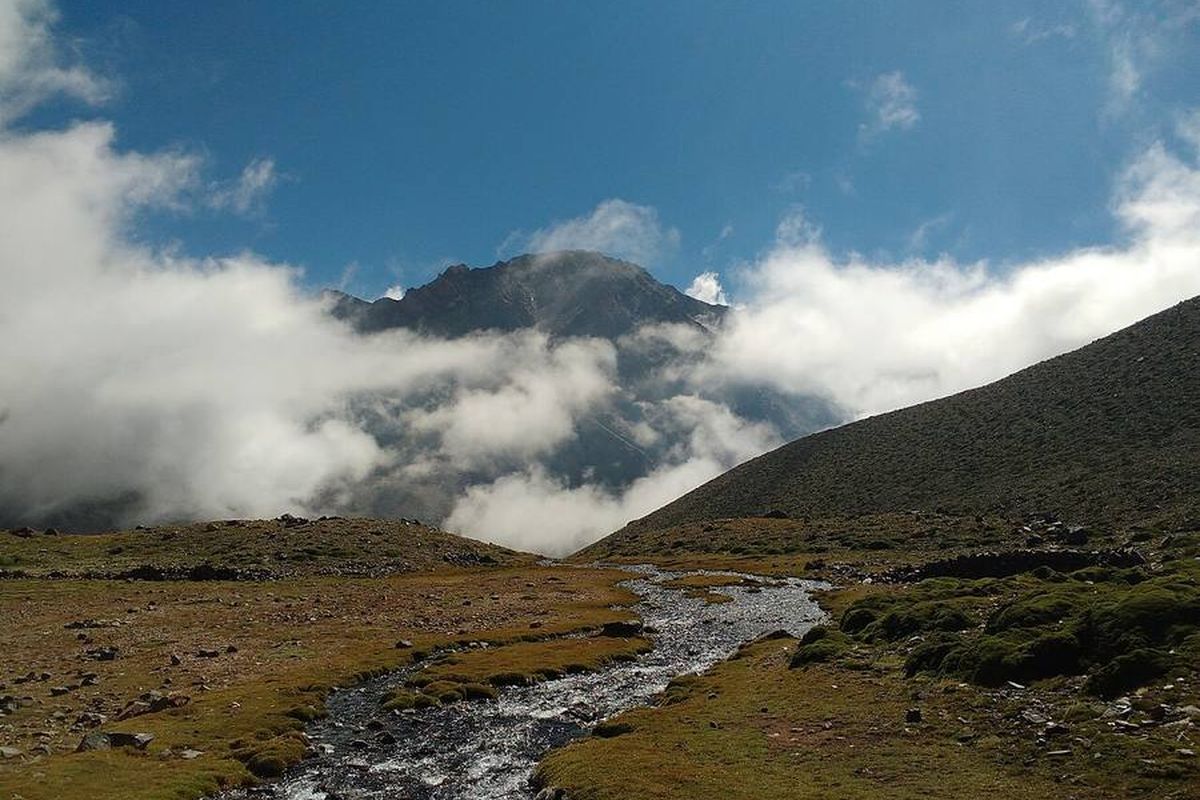
I usually plan my slow travels around regional trains and overnight ferries, so when I needed to get from Bolivia to Chile, I figured the La Paz to Atacama bus would push me outside my comfort zone. I booked at a dusty terminal in La Paz and took the 18 hour bus instead of a pricey flight. The bus left at dusk, climbing out of the city's canyon into the thin altiplano air. People had warned me the road was rough, but I wanted to see the Andes at night more than I wanted to play it safe. Those eighteen hours covered more than distance. The route crosses the Andes above four thousand meters, stops at a cold border checkpoint, and drops into the rust-red deserts near San Pedro de Atacama. I will share the rough parts and the good ones: no sleep on cracked seats, sunrise over geyser fields, and a landscape that pays no attention to clocks. The diary covers both the practical side and the quiet moments. I will say what got me through the nights, like layers of clothing and bottled water, and I will write about the villagers who get on at remote stops. A slow-travel writer learns that the hardest ride can show you a place most clearly. This first part sets up an 18 hour bus trip that was tiring and worth it.
Getting Ready for the Bolivia to Chile Bus Ride
Booking the Overnight Bus
I found the bus company almost by accident. While wandering the backpacker strip near Sagarnaga Street in La Paz, I stepped into a tiny ticket office recommended by a hostel owner who had done the route herself. The carrier, Trans Salvador, runs a twice-weekly overnight service that forms the backbone of my Bolivia Chile bus plan. Their schedule suited my slow-travel rhythm: departure from La Paz at 8:30 in the evening, arriving at the Chilean border town of Calama after a dizzying pass over the altiplano, then a short transfer to San Pedro de Atacama by midafternoon the next day. The full La Paz to Atacama bus experience stretched close to eighteen hours, exactly the kind of 18-hour bus trip I had hoped to document in my Andes travel diary. The fare cost me 130 Bolivianos, about nineteen US dollars at the time. For a budget planner that price felt fair given the distance and the scenery outside the window. I booked the ticket two days ahead to secure a front-row seat on the upper deck, where the panorama of the cordillera made the long ride worthwhile. There was no online portal, just a handwritten receipt and a reminder to arrive thirty minutes early. Packing for surviving long bus rides on these routes takes practical thought. I filled a small daypack with a neck pillow, a thick alpaca wool sweater because temperatures drop sharply once the heater fails, and a stack of homemade vegetable empanadas bought that morning at the Mercado Lanza. A refillable bottle, earplugs, a downloaded audiobook, and a roll of toilet paper completed the kit. This overnight bus tale taught me that preparation beats comfort, and it started with these simple choices.
Dealing with Altitude Before Leaving
I arrived in La Paz a week before my La Paz to Atacama bus experience so my body could adjust to the thin air at 3,640 meters. Each morning I sipped coca leaf tea from a street vendor near Plaza Murillo and took short, slow walks through the markets, watching locals haul produce without puffing. That gentle pace is exactly the kind of slow travel I love. Ahead of the long ride, I visited a pharmacy on Calle Sagarnaga and bought soroche pills, the local remedy for altitude sickness. The pharmacist told me to start them two days early, drink at least three liters of water, and eat light meals of quinoa soup rather than greasy street food. I also packed a small oxygen canister in case the climb over the Andes pass hit hard. At the Terminal de Buses in La Paz, while waiting for my Bolivia Chile bus, I fell into conversation with a woman selling salteñas from a woven basket. She warned me about a freezing night on the altiplano and shared a story about a tire blowout near Oruro. A retired miner bound for Calama nodded along and said the real Andes adventure blog material comes from the delays, not the destination. Those stories became part of the trip before the wheels even turned, and the prep helped me survive the long ride. That buffer week only worked because I booked it on purpose: when I chose my arrival date on the flight search I use, the acclimatization days were counted as part of the trip, not as spare time.
The Overnight Bus Through the Andes
Boarding and First Impressions
We booked Todo Turismo for the trip from La Paz to the Chilean desert. My Bolivia Chile bus left the Avenida Peru terminal at 6:10 pm as the sun dropped behind Illimani. The city sat in a bowl of red roofs with the first stars above the canyon. The trip proper started with that slow crawl out of the valley, headlights in violet dusk. I gripped a notebook, knowing my travel diary had to catch every sound. The La Paz to Atacama bus experience began with a narrow stair up into the cabin. Our semi-cama seats had worn navy fabric and reclined to about 140 degrees, not flat but enough for a tired spine. A thin foam pillow and a scratchy blanket waited at each seat. Overhead bins rattled with backpacks, and the aisle floor had old mud stains. The cabin smelled of diesel and popcorn from a platform vendor. On an 18 hour bus trip the seat becomes your only home, so I tested the footrest, stuck at a forty degree angle. My husband laughed and wedged a water bottle to keep it steady. Small windows showed fading light on the mountain ridges. Inside, the overnight bus tale had its cast. A local woman in a striped aguayo sat ahead with a woven bag of oranges on her lap. Behind us a young Belgian couple whispered in French over a creased map. Near the back a heavy man in a trucker jacket unfolded a newspaper, then snored with a wheeze no earplug blocked. I counted twenty passengers, quiet, some nervous of the altitude. In my notes this mix felt like a village on wheels. Getting through long bus nights depends on these human rhythms as much as the road.
Night Views Under the Stars
Somewhere past midnight, the bus from La Paz to Atacama showed its quiet side. I pressed my forehead to the cold window and watched the Andes fall into layers of shadow. With no city lights, the sky filled with stars and the Milky Way sat clear above the distant peaks. Moonlight turned the snowfields silver and made the mountains look like paper cutouts. At 4,000 meters the outside air was thin, but the heater ran inside and the glass fogged where I breathed. In the hush of that 18 hour ride, I felt a strange comfort. The engine's drone worked like a lullaby and my Andes diary entries slowed as I listened. There is a clarity that comes from moving through darkness with no control. I thought about the distances we accept for beauty, and how an overnight bus strips the rush out of modern travel. I filled a notebook page with sketches of peaks, a small ritual that kept me present. We stopped twice for food and rest. The first was a bare roadside kitchen where I drank mate de coca and ate a warm empanada, the only passenger awake enough to talk with the cook. Later, near the Chilean border, the Bolivia Chile bus stopped at a lit station and I walked my stiff legs around the lot in thin air. A stray dog watched from the pumps and I gave it a corner of my bread before boarding again. Those breaks were brief but helped me survive the long night, a rhythm of stillness and motion that held the trip together.
Crossing the Border and Riding the Andes
Arriving at the Bolivia Chile Border
The La Paz to Atacama bus changed pace around midday when our driver announced we had reached the Bolivia Chile border. I pulled my printed hotel reservation and the entry form from La Paz out of my backpack, glad they were easy to reach. Bolivian customs gave a quick stamp, though the officer studied my bag of dried peaches before waving me on. Part of this 18 hour bus trip felt like a paperwork shuffle. We stepped into a cold wind in the no-man's land. My Bolivia Chile bus idled while passengers crossed with carts. The Chilean checkpoint was stricter. An official took passports and asked my plans in San Pedro de Atacama. I showed my phone booking after the paper copy blew away. He stamped and warned about fruit. That overnight bus got tense when a traveler left her bag on the Bolivian side, and the driver reversed to fetch it. Climbing from the border, the bus rose into the Andes. My note from that hour mentions thin air at a 4,500-meter pass. I heard my heartbeat and breathed slow, watching the altiplano turn rust and cream. For a moment I leaned back and closed my eyes as the bus rattled over the crest. Respect the altitude on long bus rides. This trip showed me why patience pays on the slow road.
Talking with Locals on the Bus
I had been dreading the long La Paz to Atacama bus ride, but the cabin warmed up when a village woman sat next to me with a woven basket. She said her name was Rosa and she was traveling from her small altiplano community to see a sister in Calama. We moved between Spanish and broken English while she told me about the potato harvest on her family plot. The 18 hour trip felt less like endurance and more like connection. A few rows back, a university student named Diego changed seats to practice English and ask about my trip. He handed me a cup of mate from his thermos, a small hospitality gesture on the overnight bus. I saw that getting through long Andean bus rides depends as much on the people as on the road. We talked about budget food markets, which I care about as a slow traveler, and he told me which stalls to visit in San Pedro. The food sharing turned into a moving potluck. Rosa unwrapped cheese empanadas still warm from her wood stove, and I offered dried apricots and a piece of manchego I had bought at a La Paz market that morning. A father across the aisle laughed when his toddler grabbed my snack, and soon we were all trading bites. That moment at 4,000 meters stayed with me. Strangers had become a temporary family. Rosa taught me a Quechua rhyme about mountain spirits, and Diego translated slang from Chilean border towns. At a customs stop we all got off together, and a passenger took a group photo that captured a story I wanted to keep. The trip journal I keep at home will get an entry from this leg. On my Bolivia Chile bus, the line between traveler and local disappeared.
Handling the Long Bus Ride
The La Paz to Atacama bus left before dawn from a crowded, noisy terminal. My husband and I sat on the lower deck, thinking we would get a calm overnight ride. The heater quit as we went above 4,000 meters. Outside it was close to minus 10 Celsius, and the cabin air felt thin and cold. I put a wool scarf over my nose and dropped hand warmers in my pockets, something I now do on every Andes trip when the nights get long. I slept in short, unwilling stretches. On that 18 hour ride I found that arguing with the cold just drains you. I kept a knit cap on and used my fleece as a blanket. A neck pillow and eye mask cut the aisle light. My advice for tired bus nights is to sip water, skip coffee late, and take what rest you can instead of waiting for real sleep. That approach got me through the dark, winding road. The hard part came at a quiet customs stop. Our Bolivia Chile bus got a flat and we stood two hours in a freezing lot. We ate oranges and played word games while officers stamped papers. That trip is why I keep a diary for every rough journey. The discomfort passed, but I felt good about getting through it.
Arriving in the Desert and Looking Back
Waking Up in the Atacama Desert
I blinked awake as the bus slowed and the engine's hum changed pitch. Outside the window, the first pale dawn light stretched across a flat expanse of rust-colored earth. The sky went from indigo to amber and I pressed my face to the glass. After eighteen hours on the road, the La Paz to Atacama bus experience was finally reaching its end. We had climbed through freezing Alpine passes in the night, and now the altitude dropped and the air turned dry and warm. My Bolivia Chile bus had carried me from winter to desert while I dozed. The first sights of the Chilean landscape caught me off guard. Instead of the green valleys I expected, there were low shrubs, scattered boulders, and distant mountains with no snow. A lone vicuna stood by the road, watching our headlights fade. Small settlements appeared, their houses painted in bright blues and whites, a stark contrast to the muted desert. A road sign read 'San Pedro de Atacama 30 km'. The border crossing had happened in the dark, and the new country felt immediately different. Relief washed over me as I stretched my stiff legs. The 18-hour bus trip had moments of doubt, but waking to this quiet desert morning made the hardship worth it. I felt awe at the vastness, the silence broken only by the bus's brakes. This final entry, which I will share on my blog, ends with me stepping onto the gravel lot, breathing in the clean smell of dust and sun. The night taught me that surviving long bus journeys is about patience and small wonders. The trip now had a beautiful chapter in the Atacama.
Tips and Reflections from the Trip
The bus from La Paz to Atacama taught me more than any guidebook. Those winding hours across the altiplano showed me that layering up is survival, not a preference. The air went from freezing in the tunnels to dry desert heat, and my cheapest fleece became my best friend. I found that the front row saved my neck from the potholes on the Bolivian side. A small stash of snacks from La Paz market kept me fed through the one overpriced stop. The 18 hour trip was as much about patience as the view. As a slow-travel writer I usually plan around regional trains and gentle coastal ferries, but the Andes moved at a different pace. Crossing from Bolivia to Chile alone pushed me to trust strangers at the border and sit with my own thoughts while the volcanoes went by. I scribbled diary entries by headlight and remembered why I started writing about travel: the small human moments at 4,000 meters. For anyone attempting the Bolivia Chile bus ride, my advice is practical. Bring bolivianos and Chilean pesos in cash because the border ATM often fails. Take motion sickness pills before the descent even if you feel fine. A refillable bottle and a real blanket make the night bearable. Accept the discomfort as part of the story you will tell later. Give yourself a rest day in San Pedro de Atacama, because the salt flats can wait.
Wrapping Up the 18 Hour Bus Ride
Looking back at the La Paz to Atacama bus experience, I still can't decide if it was the hardest or most rewarding trip this year. The 18 hour bus trip meant thin air, frozen windows, and red rock canyons at sunrise over the Andes. My diary entries from that night mix cold complaints with awe at altiplano stars. In those pages I noted border control at Laguna Verde, stamping out of Bolivia into Chile before dawn. That pause broke the monotony and reminded me why I keep a written record. The overnight bus tale continued with a steep descent into San Pedro, where desert heat hit like a wall. My takeaway is simple: slow travel is not always comfortable but gives real texture. My Bolivia Chile bus ride taught me to pack extra water, wear every layer, and trust the driver who knew each pass by heart. The surviving long bus lessons now sit in my notebook next to ferry crossings through Portugal. The experience also taught me to check altitude gradients before booking. I keep a list of trips I want to take, and this one stays on it. The posts I wrote afterward barely capture the silence at 4,000 meters. Yes, it is long and rough, but the La Paz to Atacama bus experience delivers beauty that flights skip entirely. Book the ticket, bring snacks, and let the mountains do the rest.
Official sources
Details worth verifying before you go — checked against:
Travel Writer & Editor
Emily Johnson writes and edits Do Travel Blog. Every guide on the site starts the same way: with a question she actually had while planning — when to book, which pass to buy, how to get from A to B without overpaying. Where a number matters, she cites the source: park tickets link to the park's own fee page, visa rules to the official consulate, ferry times to the operator. Prices get re-checked against those pages before each update, and a guide is re-dated when its numbers move. Nothing here is sponsored — she doesn't accept payment for coverage. Spotted something stale or wrong? Email hello@dotravel.blog and she'll fix it.