Connecting Without Words: Travel Language Barrier Fix
Learn nonverbal communication travel skills from remote Nepali villages. Real language barrier solutions travel tips to connect without words Nepal style.
Why Words Fail in Remote Nepal
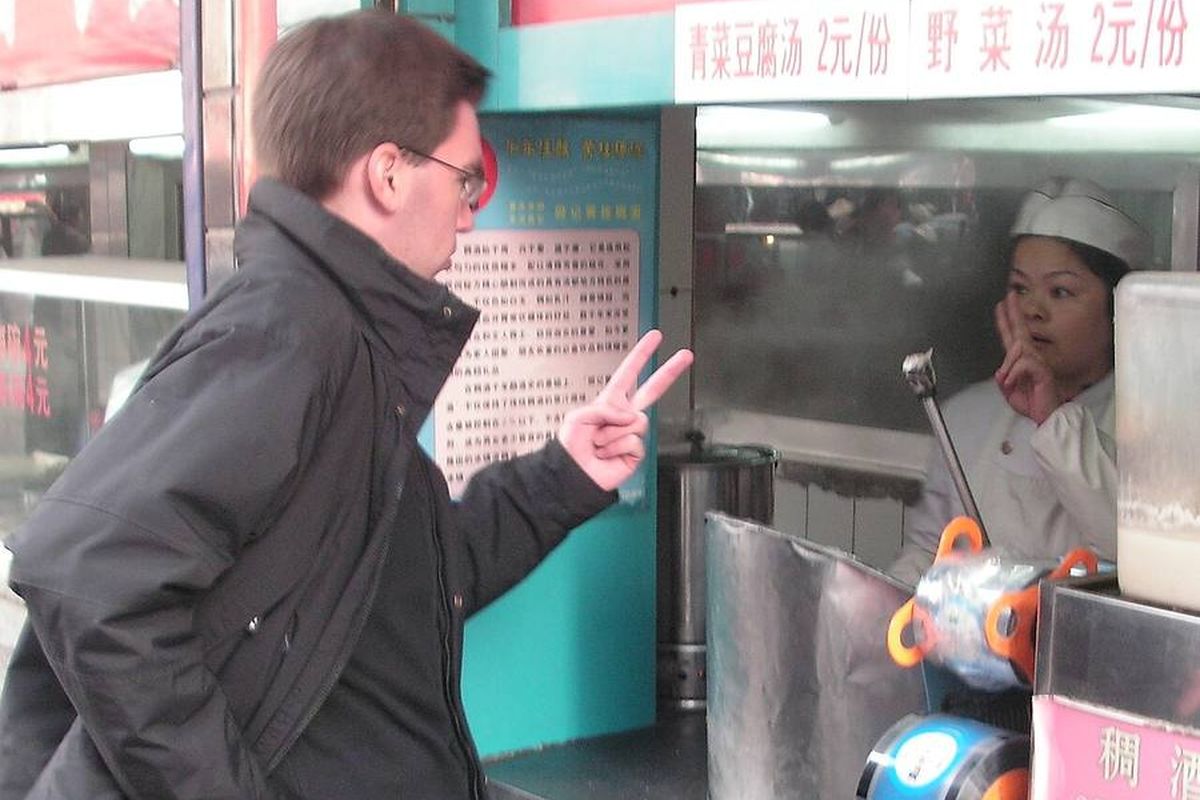
In the high valleys of Nepal, cell coverage disappears before the road does. A traveler who arrives in a village above 3,000 meters often meets people who speak only Tamang, Sherpa, or a local dialect untouched by textbooks. When phrasebooks and signal bars run out, nonverbal communication travel becomes the only tool left.
I learned this on a tea-house trek near Gatlang. My guide fell ill and returned down the trail. I stood in a stone courtyard with a family who had never spoken to a foreigner. We had no app, no translator, no shared word. Within an hour we were laughing over a game of cards drawn in the dirt. That hour taught me more about language barrier solutions travel than any app install ever did. For a broader look at crossing the silence, see our guide to non-verbal communication tips for travelers.
This article explains the reusable skills that come from connecting without words in Nepal. The methods work in any village, market, or bus station where speech fails.
The Seed Story: A Courtyard in Gatlang
Gatlang sits on a ridge in Rasuwa district, a Tamang village reachable by a day's walk from Syabrubesi. When I arrived, the air was thin and the light was flat. An old woman pointed at my pack, then at a wooden bench. That was my welcome.
She did not speak English. I did not speak Tamang. We used the first rule of travel communication tips: stop reaching for words and start using the world in front of you.
She picked up a potato. I nodded. She mimed peeling. I understood dinner was being offered. The gesture was clear without a single sound. This is body language abroad at its most basic, and it works because hunger and hospitality are older than any language.
Universal Gestures That Cross Borders
Some motions need no translation. A smile, an open palm, a bow of the head: these read the same from Kathmandu to Kansas. Universal gestures form the backbone of any attempt to connect without words Nepal style.
The Open Hand
In Nepali villages, an open palm held to the chest is a greeting of respect. I copied it from a child on my second day. The grandmother who saw it laughed and patted my shoulder. Mirroring her gesture built trust faster than any phrase I could have memorized.
Pointing With the Chin
Never point with a finger at people in rural Nepal. Locals indicate direction with a tilt of the chin or a pout of the lips. I learned this after accidentally pointing at a monk, which caused visible discomfort. Watch and copy the local signal. That is cultural curiosity in action.
The Head Wobble
The Nepali head wobble confuses newcomers. A side to side tilt can mean yes, maybe, or I hear you. I treated it as a sign of engagement rather than a fixed answer. When in doubt, I asked again with a drawing. Patience travel demands you accept ambiguity.
Drawing to Communicate
When gestures fail, draw. A stick figure, a sun, a mountain, a bowl: these symbols cross the gap that words cannot. Drawing to communicate turned a confusing morning into a clear plan when I needed to explain I wanted to leave before sunrise.
I carried a small notebook. On the trail, I sketched a path, a clock at five, and a sleeping figure. The teahouse owner nodded and poured tea. No words passed. The drawing did the job that translation apps offline could not, because no battery survives a week of cold.
How to Draw Fast
Keep sketches simple. Use five shapes: line, circle, square, arrow, star. A circle with rays is the sun. An arrow with a number is time. A square with steam is food. Practice before the trip so the motions are automatic. This is a core travel communication tip that costs nothing and works everywhere.
Photo Sharing as a Bridge
A screen needs no translation. Photo sharing let me show my family, my home, and my reason for walking the trail. In return, the family showed me photos of a son working in Qatar. We sat for twenty minutes swiping images. Laughter filled the room.
What to Show
Show images of people you love, your home, your food. Avoid photos of wealth or military. In remote Nepal, a picture of your kitchen says more than a story about your job. The goal is signal cards of shared life, not status.
What to Ask For
Point at the phone, then at the person. Most villagers will show you their own gallery with pride. This exchange builds the kind of making friends while traveling moment that no tour package delivers.
Food as Language
Offer food and you speak a sentence everyone understands. Food as language is the oldest diplomatic tool there is. In Gatlang, I accepted tsampa and offered a chocolate from my pack. The trade needed no words. The same principle appears in hospitality through the plate, where sharing meals builds bonds without a common tongue.
The Rule of the Right Hand
Eat and pass with the right hand only. The left is reserved for washing. I watched a teenager correct his brother with a tap on the wrist. I copied the rule and earned a nod of approval. Small body language abroad signals show respect faster than apologies.
Cooking Together
Ask to help in the kitchen with a gesture of stirring. You will be waved off or welcomed. Either response tells you your place. The act of asking, not the result, is the connection. Host gestures like a hand on the stove mean stop, while a push toward the fire means join.
Translation Apps Offline: A Backup, Not a Crutch
Before the trail, download offline packs. Translation apps offline cover basic needs: water, toilet, price, help. But they fail on dialect and tone. Use them to confirm, not to lead.
I kept Google Translate with Nepali offline. It helped me ask the price of a room. It could not tell me the family story behind the woven wall hanging. For that, I needed eyes and time. The app is a tool in the kit, not the kit itself. For a comparison of tools that work without signal, check best translation apps for remote regions.
Best Offline Practices - Download the language and a regional dialect if available. - Save key phrases as favorites for fast access. - Speak slow and let the app read the text aloud. - Pair the app with drawing when the voice fails.
Signal Cards and Emoji Communication
A set of printed cards with icons saves the day in a loud market. Signal cards showing water, bed, medicine, and direction remove the guesswork. I printed a strip before leaving and clipped it to my pack.
Emoji communication works too. Show a phone screen with a bed icon and a question mark. A guesthouse owner gets it instantly. Emoji are the universal gestures of the digital age, and they bridge the gap when drawing feels slow.
Build Your Card Set
Make cards for: water, food, sleep, pain, money, help, toilet, walk. Laminate them. Point and flip. This system let me turn travel communication tips into a repeatable method that I now teach to friends.
Mirroring and Cultural Curiosity
Mirroring means copying the posture and pace of the person you meet. When the grandmother spoke slow and low, I did the same. When the children jumped, I jumped. Mirroring builds a sense of safety that words cannot fake.
Cultural curiosity is the engine behind it. I asked nothing with my mouth but everything with my attention. I watched how tea was poured, how elders were seated, how shoes were placed at the door. Each observation was a sentence I learned without speech.
Laughter: The Shortcut
Nothing connects like a shared joke. Laughter needs no dictionary. When I tripped on the threshold and the family laughed, I laughed with them. The mistake became the bridge.
Do not fear looking foolish. The traveler who protects dignity above connection misses the point. In remote Nepal, the foreigner who laughs at himself is adopted faster than the one who stays stiff and polite.
Patience Travel: The Real Skill
All of these methods fail without patience travel. Speech gives fast answers. Gestures give slow ones. You must wait in the silence between signals and trust the process.
I spent a full afternoon learning the family grew potatoes, kept bees, and feared the new road. None of it came in sentences. It came in nods, points, and shared silences. The wait was the lesson.
Making Friends While Traveling Without Words
Friendship needs no grammar. Making friends while traveling in Nepal happened through shared work, shared food, and shared weather. We carried water together. We watched rain together. We pointed at stars.
The friends I made in Gatlang wrote no messages to me. They gave me a woven band and a place by the fire. That is a bond that translation apps offline will never translate.
Host Gestures: Reading the Room
Every home has its own code. Host gestures told me when to enter, when to sit, when to leave. A hand on the floor meant sit. A wave toward the door at dusk meant the visit was done. Reading these signs is a skill you build by watching the first ten minutes of any stay.
Common Host Signals - Palm down patting the ground: sit here. - Hand at chest with a small push: welcome, come in. - Finger to lips: quiet, someone rests. - Chin toward the gate: time to go.
Learn these and you move through villages with less friction than many fluent speakers who miss the social layer.
A Reusable Method for Any Border
The Nepal method applies anywhere speech fails. Follow this order:
- Smile and open hand.
- Mirror the local posture.
- Draw the need.
- Show a photo.
- Offer food or accept it.
- Use a signal card for the fixed need.
- Laugh at the errors.
- Wait with patience.
This sequence is language barrier solutions travel stripped to its core. It works in a Peruvian market, a Mongolian ger, or a bus stop in rural Georgia.
What to Pack for Wordless Travel - A small notebook and pen. - Printed signal cards in a zip bag. - A phone with offline translate and emoji. - No expectation of fast answers.
The lightest tool is your attention. The heaviest failure is assuming words are required.
The Return: What Stayed With Me
Back in the city, I noticed how much we miss behind fluent talk. In Gatlang, every gesture counted. A tilt of the head was a full sentence. A shared potato was a contract of trust.
Nonverbal communication travel is not a backup for bad language skills. It is a separate channel of human contact that the connected world forgets. The villages of Nepal taught me to use it again.
Summary: Connect Without Words Nepal Style
To connect without words Nepal taught me that speech is only one wire between people. Use universal gestures, draw, share photos, trade food, mirror, and wait. Pack signal cards and an offline app, but lead with your hands and eyes. The result is not just a solved language barrier solutions travel problem. It is a friend by the fire, a band on your wrist, and a skill you keep for every border after.
Start with one trip where you leave the phrasebook in the bag. Draw, point, laugh, and wait. The village will answer without a word.
Official sources
Details worth verifying before you go — checked against:
Travel Writer & Editor
Emily Johnson writes and edits Do Travel Blog. Every guide on the site starts the same way: with a question she actually had while planning — when to book, which pass to buy, how to get from A to B without overpaying. Where a number matters, she cites the source: park tickets link to the park's own fee page, visa rules to the official consulate, ferry times to the operator. Prices get re-checked against those pages before each update, and a guide is re-dated when its numbers move. Nothing here is sponsored — she doesn't accept payment for coverage. Spotted something stale or wrong? Email hello@dotravel.blog and she'll fix it.