Pokhara Valley Villages: Visit Without Speaking Nepali
Guide to Pokhara valley villages to visit with no English. Rural Nepal no English tips, village homestay Nepal booking, and etiquette.
Why Pokhara Valley Villages Work Without English
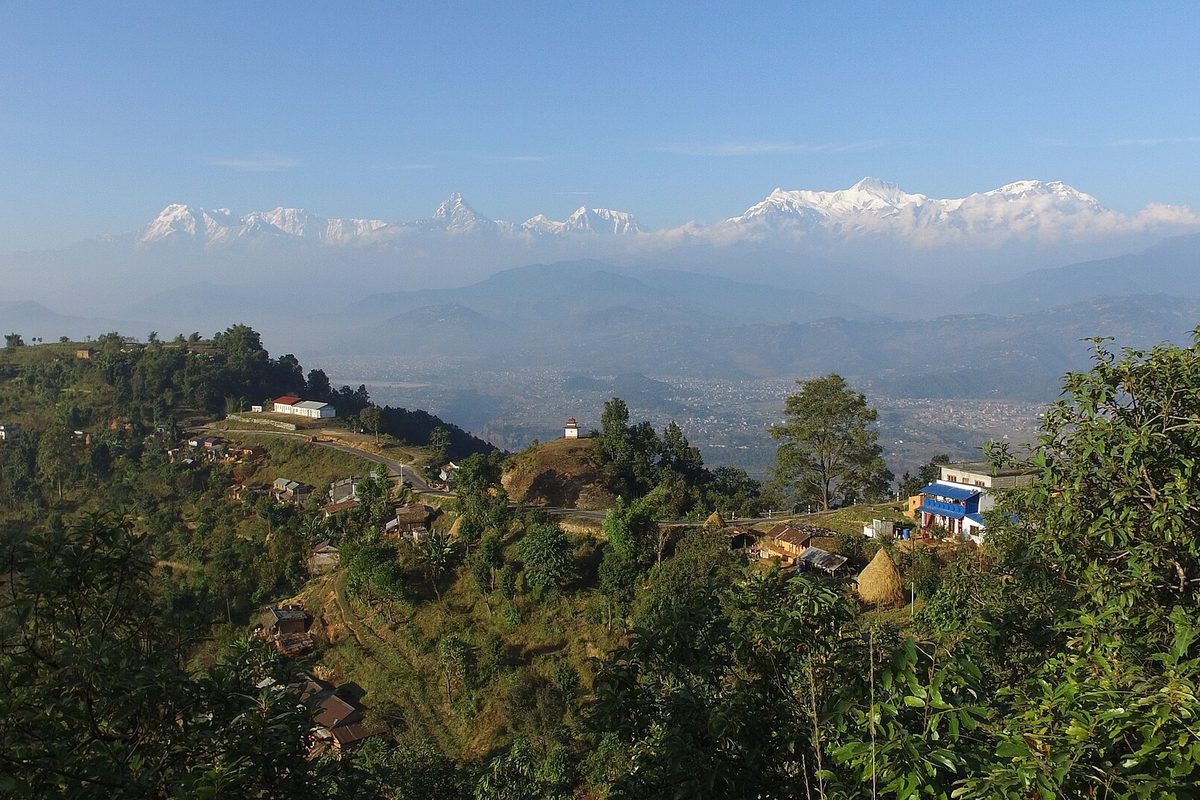
The Pokhara valley sits in a bowl of hills west of Kathmandu, ringed by villages where farming and daily life continue much as they have for generations. Many travelers assume they need Nepali to visit these places. They do not. Within 30 minutes of Lakeside you can reach rural settlements where no one speaks English and yet you will be fed, housed, and welcomed without a shared language. For a personal take on this, see our story of traveling where no one speaks English.
This guide covers practical ways to reach them, what to do, and how to behave so the experience stays genuine for both sides. Most hamlets past the ring road have no English, and a village homestay arrangement solves the communication gap through hosts who bridge it.
How to Reach Villages Around Pokhara
Local transport means buses, micros, and shared jeeps leaving from Baglung Bus Park and Prithvi Chowk. Routes to Hemja, Dhampus, and Ghachok run daily but on loose schedules. Ask at your hotel for the stand and the departure window. A private hire costs more but removes guesswork.
Hemja and the Southern Foothills
Hemja is the gateway to several quiet settlements. A morning micro from Pokhara takes 25 minutes. From Hemja you walk or catch a tractor-trailer up to smaller hamlets. This is offbeat Pokhara territory. No cafes, no signs in Latin script, just fields and stone houses.
Sarangkot Rural Side
Most visitors know Sarangkot for the sunrise viewpoint. The rural slope below the ridge is different. Family plots, buffalo sheds, and a schoolyard where kids shout greetings. To visit Nepali villages here, skip the tourist lookout and take the old footpath down the east face.
Dhampus and Ghachok
Dhampus is on the Annapurna trekking map but its lower lanes are local. Ghachok is a 90 minute walk beyond and sees almost no foreigners. Both work as homestay bases. Community tourism groups in these wards train hosts and set rates.
What to Do in the Valley Villages
Things to do in the Pokhara outskirts are not museum visits. You join the day. Carry water, wear shoes with grip, and tell your host where you go.
Join the Morning Milking
In Ghachok households milk buffaloes at dawn. Guests who rise early watch or help. No words needed. The woman of the house shows the motion and laughs at your first try. This is rural Nepal at its most direct.
Walk the Field Terraces
Stone-walled terraces step up every hill. A homestay host will point you up a track. You pass mustard fields, maize stacks, and the occasional shrine. Village trekking here is free and unguided by design.
Eat the Home Meal
Dal bhat twice a day is the rule. You are served, you eat, you hold your hand to your stomach and nod. Cultural etiquette starts with accepting food without fuss. Refusing the second helping can offend. A full belly is the compliment.
Village Homestay Booking and Costs
Village homestay Nepal stays are arranged through community tourism offices in Pokhara or directly at a ward house. Expect 1,500 to 2,500 rupees per night with two meals. Booking same day works in Hemja and Dhampus; Ghachok needs a call ahead via your Lakeside contact.
What the Rate Covers
Bed, two meals, and a place by the hearth. Not transport, not guided walks. Some hosts add a short tour for 500 rupees. Ask by gesture if unsure.
Where to Book in Pokhara
The Community Homestay Network desk on Baidam Road keeps a list of open homes. A few Nepali words written down before you go make the desk visit smooth. A notebook with written words helps more than any app offline.
Learn Basic Nepali Phrases That Actually Help
You do not need fluency. Ten phrases for greetings, thanks, food, and stop carry a village day.
Core Phrases
Use the table below as a start. Pronounce flat, no tone shifts.
Namaste - hello / goodbye
Dhanyabad - thank you
Khana - food / to eat
Pani - water
Hidnu - to walk / go
Basnu - to sit / stay
Huncha - okay / it is fine
Hoina - no / not so
Mitho - tasty
Roknu - stop / wait
How to Use Them
Say Namaste on entering any yard. Say Dhanyabad on leaving. Point at your cup and say Pani. The rest fill gaps. The language barrier stops being a wall when you hold three words.
Cultural Etiquette Nepal: Rules That Matter
Cultural etiquette in villages is about respect shown through the body. No common language makes the small acts louder.
Foot and Head
Never point feet at a person or a hearth. Sit cross-legged or kneel. Do not touch anyone on the head, including children. These rules are strict across Hindu and Buddhist homes alike.
Left Hand
Eat and pass with the right hand. The left is for washing. If you forget, no one scolds, but the host notices.
Photos
Ask before you shoot. Hold the camera, gesture to the person, raise brows. A nod means yes. Children love seeing themselves on the screen. Show them after.
Dress
Cover shoulders and knees. A sarong or loose pants works. Trekking shorts in a yard read as disrespect even if no one says it.
Gesture Communication That Works
Gesture communication is your main tool. Humans share more signs than we think. For broader techniques, our guide to non-verbal communication covers gestures and drawings.
Eating and Refusing
Hand to belly, smile, slow nod = full and happy. Hand flat, small push away from mouth, slight frown = enough. Practice this at your first meal.
Direction and Time
Point at the sun, then low on the horizon = evening. Point at wrist even without a watch = what time. Draw a square in air = where is the toilet. Most hosts read these fast.
Counting
Show fingers. For prices, write the number in the dirt with a stick. This ends most haggle before it starts.
Offbeat Pokhara: Villages Past the Map
Offbeat Pokhara means leaving the trekker circuit. The settlements behind Hemja and the west ridge of Sarangkot rural have no guesthouses with signs. You go because a host invited you.
Why Go Further
The further you walk, the less performance. In Ghachok the household simply lives. You are a guest, not a customer. That line is the whole point of travel without English.
Risk Note
No English means no easy help if lost. Tell your Lakeside contact your plan. Carry the homestay host phone number written down. The valley is safe but mobile signal drops on the west face.
Sample Two Day Village Plan
A practical loop. Adjust for season.
Day One: Hemja to Dhampus
Take the 7am micro to Hemja. Walk the upper lane, then tractor up to the ridge path. Reach Dhampus by noon. Book the homestay through the ward contact. Afternoon walk the terraces. Evening meal, then phrase practice with the host kids.
Day Two: Dhampus to Ghachok
Leave after morning milking. Two hour walk east. Settle in Ghachok. Join field work or rest. Use gesture communication for the day. Return next morning via the same path and micro.
Common Mistakes
Travelers spoil the experience by over-planning. Do not book a tour that promises authentic contact for a fee per photo. Real Pokhara valley villages to visit are free of that. Also do not rush. A half day is not enough to cross the language line.
Mistake: The App Trap
Translation apps fail offline. Learn the words on paper instead. A written word shown to a grandmother beats a phone that cannot load.
Mistake: The Gift Error
Bringing sweets for kids seems kind. In some wards it disrupts school routine and draws crowds. Ask the host before you hand anything out.
Seasonal Notes
Things to do in the Pokhara outskirts shift with weather. Monsoon (June to August) makes tracks slick. Winter (December to February) brings clear air and cold nights. Spring (March to May) is bloom and best for village trekking.
When to Go
October and November after the rains are peak. Fields are cut, views are open, and homestay booking is easy. Avoid festival days when families travel. Your host may be away.
Safety and Health
Valley villages are low risk. Stomach trouble is the main hazard from new water and oil. Drink boiled water your host gives. Carry a basic kit. For village trekking tell someone your route.
Signal and Money
Bring cash. No ATM past Hemja. Signal is weak west of Dhampus. Write the host number and your Lakeside contact on paper. Gesture communication covers most else.
Community Tourism and You
Community tourism in the valley is run by local wards, not agencies. Your stay money goes to the household. Homestay booking through the ward keeps it fair. Ask your host how the rate is set. They will show you with fingers and a smile.
Why It Matters
Each homestay night supports a family that might otherwise leave for the city. Your quiet visit is the alternative to out-migration. That is the real value of travel without a shared language done right.
Final Notes Before You Go
Pack light. One bag, shoes with grip, a paper phrase list, and cash. Pick one village, not five. Go over your phrase list on the bus. Arrive with no schedule past the first night. The Pokhara valley villages to visit will fill the rest.
What to Tell Your Hotel
Say you go to Hemja or Dhampus, back in two days. Leave the contact name. This is your safety net when no shared language meets a missed micro.
Last Word
The point is not to see a village. It is to sit in one long enough that the lack of words stops mattering. To visit Nepali villages starts with that decision, not a phrasebook.
Summary
Pick Hemja, Sarangkot rural, Dhampus, or Ghachok as your base. Use local transport Nepal to get there, book a village homestay Nepal through the ward or community desk, and learn basic Nepali phrases on paper before you leave Lakeside. Respect customs, eat what comes, and let gesture communication carry the day. Offbeat Pokhara is close and free of English. Go for two nights, not two hours, and the valley will do the rest.
Official sources
Details worth verifying before you go — checked against:
Travel Writer & Editor
Emily Johnson writes and edits Do Travel Blog. Every guide on the site starts the same way: with a question she actually had while planning — when to book, which pass to buy, how to get from A to B without overpaying. Where a number matters, she cites the source: park tickets link to the park's own fee page, visa rules to the official consulate, ferry times to the operator. Prices get re-checked against those pages before each update, and a guide is re-dated when its numbers move. Nothing here is sponsored — she doesn't accept payment for coverage. Spotted something stale or wrong? Email hello@dotravel.blog and she'll fix it.