Rental Car Insurance Coverage for Breakdowns in the USA
Learn how rental car insurance breakdown coverage works in the USA, including mechanical breakdown insurance for Route 66 and claim steps for peace of mind.
Why Rental Car Breakdown Coverage Matters in the US

Photo: inkknife_2000 (7.5 million views +) / CC BY-SA 2.0 / Wikimedia Commons
Travelers driving the long stretches of Route 66 often underestimate the chance of a mechanical failure far from help. In the high desert of Arizona, the town of Seligman sits roughly 80 miles from the nearest major repair center in Flagstaff, and summer temperatures regularly climb past 100°F. A broken alternator or blown radiator there can leave a driver stranded for hours waiting on a tow truck that may cost $250 or more for a long-haul retrieval.
Types of Rental Car Insurance
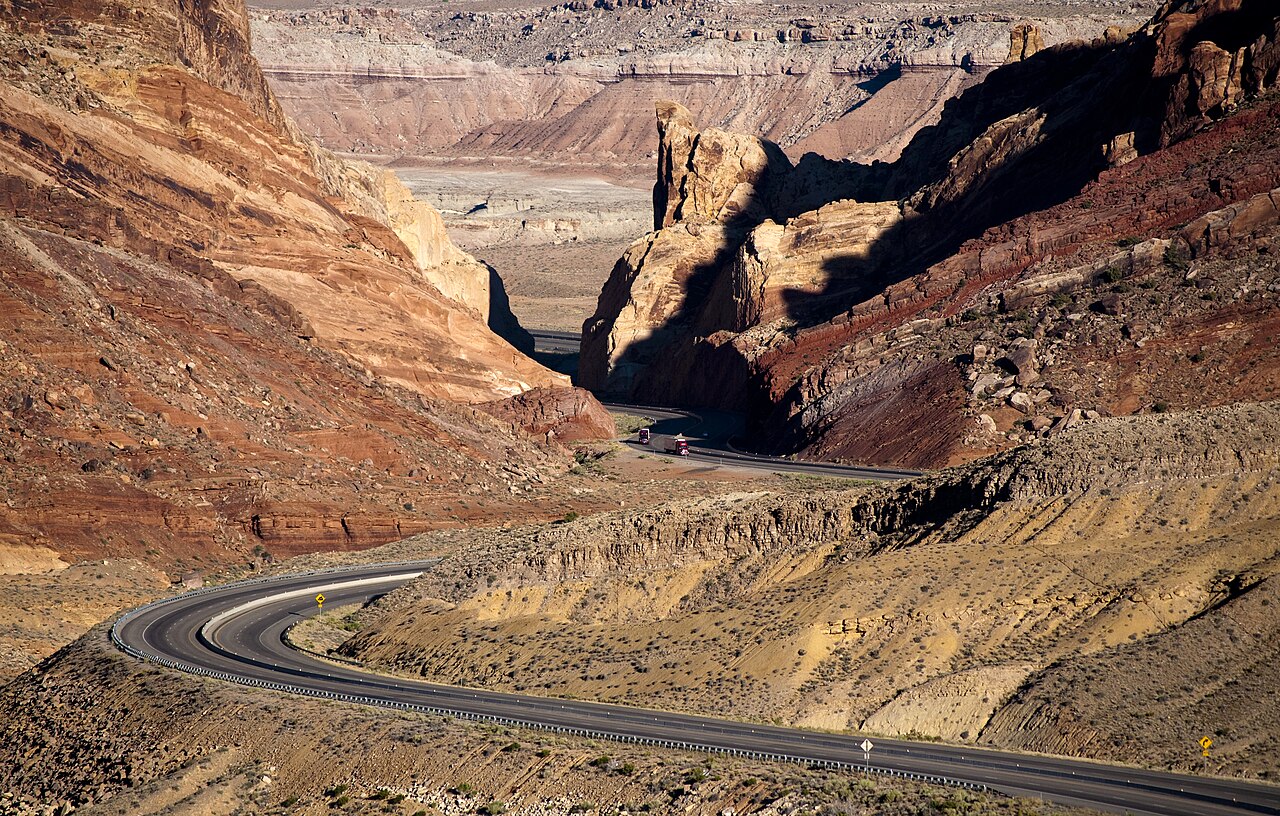
Photo: CGP Grey / CC BY 2.0 / Wikimedia Commons
Collision Damage Waiver and Loss Damage Waiver
The collision damage waiver and loss damage waiver form the foundation of most USA rental coverage packages offered at the counter. A collision damage waiver, often abbreviated CDW, is a contractual agreement where the rental company waives its right to charge the renter for repair costs after a crash that damages the vehicle body. A loss damage waiver, or LDW, broadens that protection to include theft of the car and total loss from vandalism or natural events. Both products are not insurance but waivers of the firm's right to pursue the renter. Neither CDW nor LDW addresses mechanical failure. A renter facing a blown transmission on a remote stretch of Route 66 will find that standard provisions under these waivers exclude engine and drivetrain malfunctions. For such events, mechanical breakdown insurance or roadside assistance coverage must be sourced separately. Travelers on Route 66 can buy endorsements from specialized providers such as Bonzah that pay for towage and repair of mechanical parts far from service centers. Typical daily rates for CDW or LDW in the United States run from $12 to $29 by vehicle class, with economy cars at the low end and SUVs at the high end. Enterprise, Hertz, and Avis agreements apply the waiver only if renters respect authorized use clauses, meaning no unpaved roads and no unlisted drivers. Personal auto policies may duplicate this, but many standard US auto policies extend comprehensive coverage to rentals only with a paid endorsement. Roadside assistance coverage can be added for $3 to $6 per day, yet it often only tows the car to the nearest branch and does not pay for parts. Understanding these terms before signing prevents surprise charges when a breakdown claim is filed.
Personal Auto Insurance and Credit Card Coverage
Most drivers think their personal auto policy covers a rental during a trip, but the coverage is narrower than that. In the United States, a standard auto policy usually extends liability and physical damage coverage to a rental car used for personal travel. Most personal policies include collision and comprehensive on rentals, subject to the policy deductible. Coverage for a breakdown on a remote route like Route 66 depends on whether the driver bought comprehensive protection, since breakdown riders are separate products. Rental car breakdown plans are rarely part of base policies. Credit card rental coverage has real limits. Cards like Chase Sapphire Preferred provide their own collision waiver that sits behind personal auto insurance. The waiver covers only collision damage, not mechanical failure. Mechanical breakdown insurance is excluded because card benefits omit engine or transmission failure. Many cards also deny coverage for rentals over 31 days or vehicles above 9,000 pounds. A personal policy extends rental vehicle protection for temporary personal use within the policy territory. If the driver carries roadside assistance, that endorsement helps with a rental breakdown on isolated stretches. A separate mechanical breakdown policy is still needed for non-collision failures.
Mechanical Breakdown Insurance and Roadside Assistance
Mechanical breakdown insurance for rental cars covers repair costs when a vehicle has a non-collision mechanical failure such as engine overheating, transmission failure, or alternator breakdown during a trip. A flat tire from a pothole is different because these failures come from the car's internal systems, not from driver error or outside impact. On remote routes like Route 66, the nearest repair shop can be 80 miles away, and USA rental coverage with this protection spares drivers repair bills that can run into four figures. Roadside assistance works alongside breakdown insurance during a failure. This add-on sends a service truck for jump starts, lockout help, fuel delivery, or towing to the closest authorized garage. On a cross-country drive, a dead battery outside Albuquerque gets fixed within 90 minutes if the rental contract has roadside assistance. Without it, the driver arranges and pays for third-party services, then requests rental breakdown reimbursement later, which slows the trip. Mechanical breakdown insurance is separate from a CDW. A CDW covers only accident damage, vandalism, or rollover. It does not cover mechanical failure unrelated to a crash. Personal auto clauses may add collision benefits but seldom include this protection. A traveler who relies only on a CDW pays the full cost of a seized engine. Comprehensive coverage combines both protections for predictable budgeting. Slow-travel planners budgeting for a month on Route 66 should check that the rental agreement lists this coverage to avoid $500 daily tow fees.
Travel Insurance and Rental Agreement Fine Print
Travel insurance often covers problems that standard rental policies miss, especially trip interruption on remote routes. A slow traveler driving Route 66 from Chicago to Santa Monica might have a mechanical failure near Seligman, Arizona. A travel policy like Allianz OneTrip Prime (updated 2023) pays up to $2,000 per person for unused hotel nights and rebooking fees when a rental coverage plan does not include trip continuation. This matters because many base rental agreements exclude lodging costs after a tow.
Read the rental agreement fine print before leaving the lot. Enterprise Rent-A-Car's 2022 Arizona contract capped roadside assistance at $50 per incident, and the renter paid extra mechanic charges. The waiver advertised at the counter usually covers collision scratches but excludes engine or transmission failure. Personal auto extensions from providers like State Farm may give limited liability but rarely pay breakdown claims on a non-owned vehicle. Renters must scan the exclusion paragraphs before leaving the lot.
Mechanical Breakdown Coverage on Remote Routes like Route 66
Why Remote Breakdowns Need Special Attention
Remote USA routes create challenges that urban rental agreements ignore. On isolated highways like historic Route 66, the gap between service towns often exceeds 50 miles, and cell coverage fails entirely. Arizona Department of Transportation figures from 2023 show the 120-mile Kingman to Seligman segment held only two repair shops with weekday-only hours. A renter with a failed transmission there may wait four to six hours for a tow, versus under 60 minutes near Chicago. These conditions raise the stakes for rental car insurance breakdown protection.
Delayed assistance makes solid USA rental coverage necessary. Standard contracts usually bundle a CDW that covers crash damage but excludes mechanical fault. Personal auto add-ons from State Farm or Geico typically mirror the policyholder's car terms, which omit non-owned vehicle breakdown. Without a separate policy, the driver pays both repair costs and remote towing that can hit $350 per 50 miles in counties like Mohave.
Route 66 shows sparse services clearly. The Glenrio ghost town at the Texas-New Mexico line has no fuel, and the closest approved site for a breakdown claim is Tucumcari, New Mexico, 30 miles away. Slow-travel planners note roadside assistance coverage bought at the counter often limits help to jump-starts and lockouts, leaving a broken drivetrain stranded. Checking the coverage terms before a remote trip prevents a small fault from becoming a multi-day ordeal.
What Standard Rental Policies Exclude on Remote Routes
Standard rental contracts in the USA contain exclusions that leave drivers vulnerable on remote itineraries such as Route 66. Most agreements from major providers like Hertz, Enterprise, and Avis explicitly deny protection for off-pavement travel, unauthorized drivers, and neglect of basic maintenance.
Route 66 Specific Risks and Insurance Gaps
Breakdown protection runs into specific problems on Route 66, the 2,448-mile highway from Chicago to Santa Monica. The Mojave Desert hits 110°F in July and stresses older rental engines. Towns sit up to 80 miles apart with no services, and drivers pass 1950s infrastructure such as single-pump stations. US rental coverage assumes modern roads, so slow-travel planners get stranded without support in remote stretches.
Standard breakdown policies usually exclude remote areas. A CDW pays for crashes but not engine failure outside cities. Personal auto policy rental endorsements limit benefits to paved state highways, leaving original Route 66 segments in Oklahoma and Texas uncovered. Roadside assistance will tow, but renters pay repair costs above the $50 daily cap. These coverage gaps leave budget travelers with large surprise claims.
Real breakdowns show the risk. A compact SUV that quits near Seligman, Arizona, can sit 90 miles from any shop, and a rental agency may deny the mechanical breakdown claim by blaming unmaintained roads. A tow can also run far past the 50-mile limit that counter roadside plans set. Supplemental mechanical breakdown insurance from providers like Allianz makes sense for Route 66 trips. Slow travelers should read the remote-area clauses before they sign.
How to Ensure Breakdown Coverage Before You Drive
Before booking a vehicle for a remote drive like Route 66, travelers should compare rental car insurance options carefully. Most base rental agreements include a collision damage waiver (CDW) that limits financial responsibility for accidents, but the CDW typically excludes mechanical failure. The major brands' standard contracts do not cover engine or transmission breakdowns on isolated segments such as the 170-mile stretch between Amarillo and Tucumcari. Renters must check their personal auto policy benefits, because providers like GEICO or Progressive may extend mechanical breakdown protection to a rented vehicle under specific comprehensive clauses. Confirm the policy number and exact terms before departure. Supplemental coverage is the most reliable safeguard for remote routes. Standalone plans from specialists such as Bonzah or InsureMyRentalCar cost between $6.99 and $11.99 per day and cover drivetrain, electrical, and cooling system failures. For a two-week Route 66 itinerary, this adds roughly $98 to $168 to the budget, a practical expense given that a single tow from the New Mexico desert can exceed $400. Purchasing this coverage at the time of reservation guarantees activation on day one, whereas buying at the rental counter often carries a 24-hour waiting period. Roadside assistance coverage must also be verified explicitly. Many rental firms sell a roadside plan, but it may only cover flat tires and lockouts, not mechanical tows. AAA Plus members can use their existing $64 annual membership for up to 100 miles of towing, which serves remote-route needs better than pay-per-incident rental add-ons. Always request written confirmation of roadside assistance coverage and breakdown claim procedures before the keys leave the lot.
Claim Procedures for Rental Car Breakdowns
Immediate Steps When Your Rental Breaks Down
If a rental vehicle breaks down on a quiet stretch of road, the driver needs to stay safe first. Pull over to the shoulder or the nearest safe turnout. Then call the rental company on the emergency number listed in the rental agreement. That first call protects the traveler's coverage and opens the official record. Drivers who wait too long can lose the coverage benefits, since most contracts ask for notice within two hours of the failure. Every major rental contract has a roadside assistance number, usually on the key fob or in the glovebox booklet. Calling it reaches the provider that backs the mechanical breakdown cover bought at the counter. Many drivers wrongly use their personal auto insurance benefits first, which makes the claim process harder. The roadside assistance line should be the first call, before the personal insurer. This applies to travelers who bought a separate remote-route endorsement. The renter should never approve repairs on their own. A frequent mistake is paying a local garage to replace a broken belt without the rental agency's written okay. That unauthorized fix voids the CDW and leaves the driver owing the full bill. The rental company sends the vehicle to an approved shop, and only then does the breakdown coverage apply. On remote routes, waiting for the authorized tow keeps the rental car insurance breakdown protections intact and prevents disputed charges later.
Documenting the Breakdown for Your Claim
When a breakdown occurs on a remote stretch of road, the renter must build a paper trail immediately. The first step is visual and locational evidence. Photograph the vehicle from front, side, and engine bay, and make sure the license plate and odometer are legible. Note the exact GPS coordinates, nearest mile marker, and the time of failure. For example, a driver stranded on Route 66 near Tucumcari, New Mexico, at mile marker 285 at 14:30 Mountain Time on July 12, 2023, creates a timestamped record that claim adjusters accept without dispute. Next, secure a written report from the attending mechanic. Whether the help comes from a roadside assistance coverage provider or an independent shop, the document must list the diagnosed fault, parts replaced, and labor hours. A signed statement from Joe's Garage in Seligman, Arizona, dated August 3, 2024, confirming a failed alternator, becomes the backbone of a claim. Finally, keep every receipt for incidental costs. Towing fees, overnight lodging, and even meal expenses may be reimbursable under certain personal auto endorsements or CDW supplements. A $45 tow receipt, a $112 motel invoice, and a $19.50 dinner charge should all enter the claim folder. This disciplined documentation turns a stressful breakdown into a processed refund within 10 business days.
Filing a Claim with Rental Company vs Insurer
When a vehicle fails on a remote stretch of Route 66, the renter must choose whether to file through the rental agency or through a personal insurer. The rental company claim typically uses the agency's own coverage and roadside assistance. A tow truck or replacement car can be arranged directly by the supplier, such as Enterprise or Hertz. A personal auto claim requires the renter to pay out of pocket first and then seek reimbursement from their own provider like State Farm or GEICO. The CDW sold at the rental counter does not cover mechanical faults, so it offers no help for engine or transmission failure. Many travelers carry personal auto rental coverage yet miss the separate documentation rule. Rental desks open a file immediately, while personal insurers expect a breakdown claim via app within 48 hours.
The claim path for this policy follows a stricter sequence. This specialized policy, available from providers like Allianz or through certain Visa credit cards, demands a written repair estimate from a licensed garage before any payout. Suppose a clutch burns out near Gallup, New Mexico. The renter must call the insurer's hotline, obtain a tow to an approved shop, and submit the rental agreement plus the roadside assistance coverage receipt. Roadside riders often cap reimbursement at $500 per incident, with a $100 deductible applied. Papers need the repair order and a police report if collision occurred.
Timeline expectations for a rental car insurance breakdown claim vary by channel. Rental company internal claims usually close within 3 to 5 business days after the vehicle is returned. Personal insurer claims take longer, often 7 to 14 days for inspection and direct deposit. Settlements for this coverage average 10 to 20 days from document submission. Travelers should budget for temporary mobility costs during these windows, as a delayed claim on a cross country trip can leave them stranded without a refund.
Common Claim Denials and How to Avoid Them
Many road travelers get a breakdown claim denied for reasons they could have avoided. The most common cause is negligence or breaking the rental agreement. On Route 66, taking a sedan onto unpaved detours voids the coverage because off-road driving breaches the contract. Ignoring a low-oil warning light and driving on forces engine failure that the policy will not cover. Rental firms such as Hertz and Enterprise exclude damage from unauthorized drivers or operation under the influence, which leads to automatic denial. Missing paperwork is another top reason a rental breakdown claim fails. Adjusters need the original rental contract, a detailed repair invoice from a licensed shop, and a roadside assistance coverage receipt if a tow was used. A large share of claims are rejected because drivers send only a dashboard photo with no written diagnostic report. Travelers should keep paper copies and timestamped pictures of the disabled vehicle at the exact mile marker. Denial appeals are simple but time sensitive. Call the rental agency's claims line within 24 hours for a written explanation. Then collect missing items like a CDW addendum or personal auto declaration page that proves overlapping protection. For unresolved disputes, file a complaint with the state Department of Insurance. State insurance departments do resolve a share of such appeals in the traveler's favor. Credit card chargeback is a final option when the contract included roadside assistance coverage but the issuer ignored it.
Choosing the Right Coverage and Cost Tips
Comparing US Rental Coverage Providers
Major rental firms build their USA rental coverage around the collision damage waiver. This waiver covers collision and theft but leaves out mechanical failure. Enterprise, Hertz, and Avis each sell a roadside assistance add-on for $3.99 to $4.95 per day. The add-on arranges towing and jumpstarts but pays nothing for repairs. Enterprise Roadside Assistance, for example, tows only up to 50 miles. That leaves drivers stuck on remote Route 66 where the nearest garage can be 80 miles away. Third-party coverage fills that gap. Allianz Global Assistance, Bonzah, and InsureMyRentalCar sell standalone policies at $7 to $12 daily with per-incident limits of $3,000 to $5,000. These plans pay for engine, transmission, and electrical repairs caused by defect rather than driver error. Most personal auto policies do not extend to mechanical issues on rented cars. A dedicated mechanical breakdown policy is the only dependable safeguard for remote trips. The coverage limits show a clear split. Counter roadside plans cap towing and give no repair money. Third-party mechanical breakdown insurance flips that, funding repairs up to $5,000 while excluding tires, hoses, and routine maintenance. To claim benefits, drivers need a written diagnosis from a licensed shop and must call the insurer within 24 hours. A 14-day Route 66 plan through a third party at $10 per day costs $140, which beats a single $3,200 transmission failure near Amarillo.
Using Personal Auto Insurance for Rentals
Before declining the CDW at the rental counter, travelers should pull out their personal auto policy and read the fine print. Many US policies extend comprehensive and collision coverage to rental vehicles, but the limits and deductibles vary. For example, a State Farm auto policy in Illinois typically covers rentals up to the actual cash value of the insured car, while a GEICO policy in California may apply a separate $500 deductible for breakdown claims. Checking these details before the trip prevents surprise out-of-pocket costs on remote stretches between Amarillo and Albuquerque. State differences in coverage rules create further complexity. In New York and Florida, state law requires rental companies to include minimum liability protection in the base rate, but breakdown coverage for the vehicle itself is not mandated. Texas and Arizona treat personal auto extensions differently: Texas allows transfer of collision coverage with a $250 deductible, while Arizona often requires an endorsement for out-of-state rentals. A slow traveler budgeting for a month-long Southwest loop should confirm with their insurer whether their coverage applies across state lines without a rider. Avoid double paying for vehicle protection by coordinating benefits. If a credit card like Chase Sapphire Preferred already provides primary collision coverage and roadside assistance, adding the rental company's daily waiver at $15 to $30 per day duplicates spend. On a 14-day Route 66 drive, that unnecessary add-on totals $210 to $420. Instead, file a breakdown claim through the existing personal auto policy or card benefit, and keep the savings for local food markets in Santa Fe. Confirm the policy terms before pickup so the road trip stays safe and affordable.
Roadside Assistance Membership Benefits
Roadside assistance memberships such as AAA give practical protection to travelers who have a rental car breakdown on a remote highway. AAA started in 1902 and sells tiered plans that follow the member instead of a specific vehicle. A renter in the USA can call for help whether driving a personal rental or a Hertz sedan on Route 66. The Classic level costs about $64 a year and includes up to 5 miles of towing. Plus and Premier extend that to 100 and 200 miles. Better World Club and Good Sam run similar programs with eco-friendly or RV-focused extras. These memberships often pay for services that this insurance skips, like lockout help, fuel delivery, and battery jumps. On a 2,448-mile Route 66 trip, a flat tire near Seligman, Arizona, gets fixed fast by a AAA truck, which avoids a costly rental breakdown report. Roadside aid pays for the tow, not the engine repair. That is where a breakdown insurance add-on matters. A CDW covers accidents, but a separate mechanical policy is what covers drivetrain failure. A $64 AAA card plus a $15 per day third-party plan lets slow-travel planners keep predictable budgets on long rural drives.
Money Saving Strategies for Rental Insurance
Bundling breakdown protection with a comprehensive travel policy is the first cost saving move for visitors to the United States. Providers like Allianz Global Assistance and World Nomads offer mechanical breakdown insurance as an add-on for $15 to $30 per trip, while rental desks charge $12 to $20 daily for equivalent coverage at the counter. On a 2,400 mile Route 66 drive from Chicago to Santa Monica, bundling cuts about $140 from a two week budget compared with buying at the counter. Using credit card benefits wisely avoids duplicate coverage purchases at the pickup desk. The Chase Sapphire Preferred and Capital One Venture X supply a collision waiver that excludes engine or transmission failure, so travelers must verify whether their personal auto endorsement covers mechanical faults on remote highways. Few travel cards include that kind of mechanical protection. Adding AAA roadside assistance coverage for $70 a year bridges the gap for those planning frequent remote routes like the desert stretches of Route 66. Pre-purchasing USA rental coverage online is the third tactic for controlling costs. Sites like RentalCover.com and InsureMyRentalCar.com sell this coverage for $6 to $9 daily, roughly half the counter rate. A 14 day plan costs about $98 prepaid versus $210 at the airport kiosk. This approach also simplifies the claims process because digital policies display the 24/7 hotline and exact procedure upfront. Travelers who buy coverage online tend to resolve claims faster than those using dealer-sold waivers.
Key Takeaways and Next Steps
The first step for any road trip is understanding your breakdown protection. The collision damage waiver (CDW) sold at the Hertz or Enterprise counter covers collision and theft but excludes mechanical failure. Personal auto endorsements from State Farm or GEICO also omit powertrain defects. Travelers need a separate breakdown policy or a roadside assistance add-on before leaving the lot. On remote highways like Route 66, which runs 2,448 miles from Chicago to Santa Monica and passes towns with a single garage within 60 miles, the gap in coverage matters. On isolated southwestern segments, a meaningful share of rentals end up needing a tow over $300 without pre-purchased coverage. Slow-travel plans that stay in rural New Mexico or Arizona gain from a daily $6-9 MBI policy instead of risking out-of-pocket repair bills. The practical next step is to check existing coverage from the rental agreement through the renter's credit card benefits (Visa Infinite covers up to $5,000 in repair), their personal auto policy declarations page, and the rental agency's optional waivers. Comparing these at least two weeks before departure avoids claim disputes at roadside. Print the roadside assistance confirmation and save the 1-800 number offline, since cell service fails on long stretches of the historic route. Good preparation makes a breakdown a minor delay.
Official sources
Details worth verifying before you go — checked against:

Travel Writer & Editor
Emily Johnson writes and edits Do Travel Blog. Every guide on the site starts the same way: with a question she actually had while planning — when to book, which pass to buy, how to get from A to B without overpaying. Where a number matters, she cites the source: park tickets link to the park's own fee page, visa rules to the official consulate, ferry times to the operator. Prices get re-checked against those pages before each update, and a guide is re-dated when its numbers move. Nothing here is sponsored — she doesn't accept payment for coverage. Spotted something stale or wrong? Email hello@dotravel.blog and she'll fix it.