Tamarindo Beach Costa Rica: Visitor Guide & Safety
Plan your Tamarindo beach guide with this Costa Rica travel resource. Get Tamarindo safety tips, surf lessons, and where to stay.
What This Tamarindo Beach Guide Covers
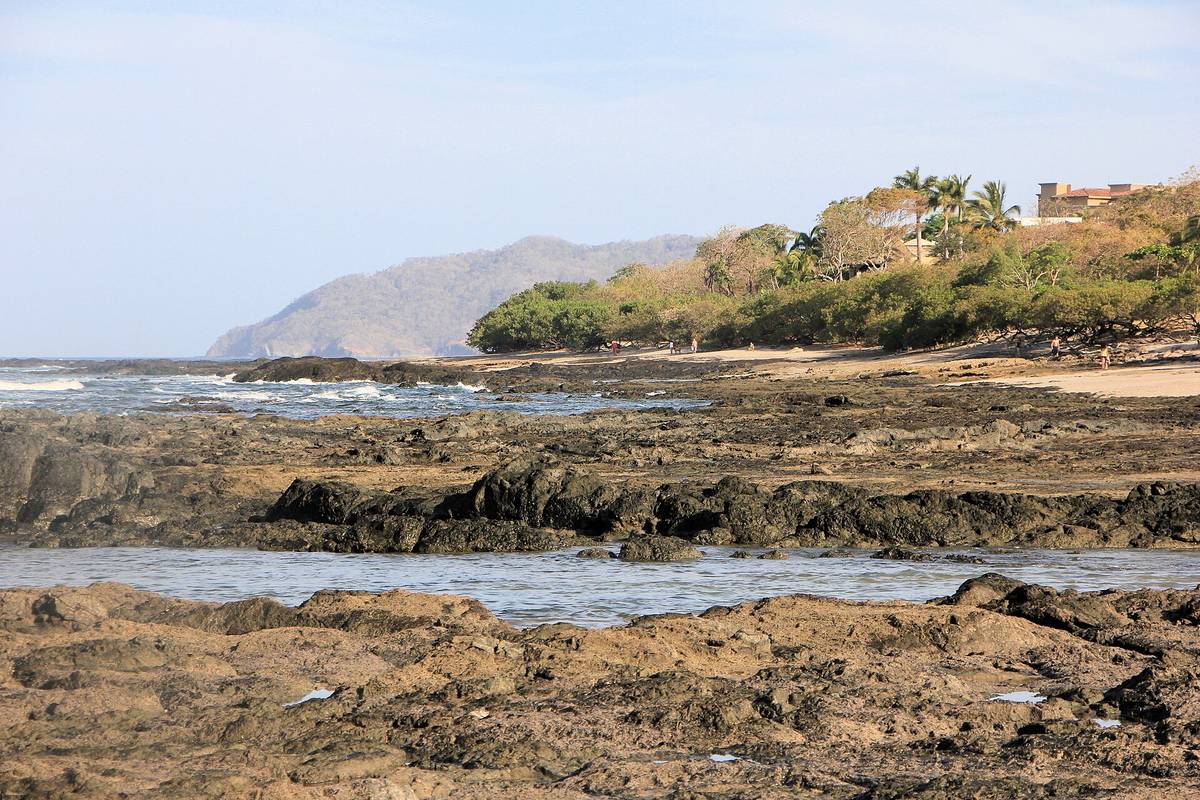
This Tamarindo beach guide covers travel on Costa Rica's northwestern Guanacaste coast, not the whole country. It focuses on Tamarindo town and its 3 kilometer shoreline crescent, which runs between the Tamarindo River estuary and Playa Langosta. The plan is built around practical matters: lodging on a budget, local food markets, and a relaxed list of activities. The guide skips all-inclusive resort write-ups and instead maps independent cafes, surf schools, and guesthouses for slow travelers. Tamarindo beach sits on the Guanacaste coast at 10.3009 N, 85.8396 W, about 65 kilometers from Liberia's Daniel Oduber International Airport. Next to it, Playa Grande became a leatherback turtle sanctuary in 1991. The town has 7,000 residents and gets the most visitors from December to April during the dry season. Travelers book Tamarindo surf lessons through Witch's Rock Surf Camp, which has run courses since 1999, or shop the Saturday morning farmers market for fruit and cheese. Where to stay Tamarindo runs from eco-minded Hotel Capitán Suizo at $150 per night to $30 dormitories at Tamarindo Hostel, which shows the budget angle. The guide goes into Tamarindo safety and visitor practicalities. Rip currents build near the river mouth and thieves take unattended beach bags, so later sections list locked storage and the rural guard patrol number. Howler monkeys and iguanas come to the tree line, so food needs to be secured. Readers get budget tables for lodging from $25 hostels to $180 boutique hotels, plus a monthly weather breakdown to plan a trip. Practical advice includes night beach warnings because lighting is limited after 10pm, and the guide covers this with mapped patrol zones.
Getting to Tamarindo
Flights and Airport Transfers
Most visitors fly into Liberia International Airport, officially Daniel Oduber Quiros International Airport (LIR). The airport is about 65 kilometers northeast of Tamarindo, a central point for Costa Rica travel, and the drive takes around 75 minutes in normal conditions. United, American, and Delta run direct seasonal flights from US hubs like Houston and Los Angeles, so LIR is the closest major gateway to the Guanacaste coast. From the terminal, travelers have three practical transfer choices. Shared shuttles including Interbus and Gray Line run fixed departures to Tamarindo hotels, costing $25 to $40 per person with a trip of around 90 minutes and several stops. Private taxis wait outside arrivals and charge $90 to $120 for a direct ride, a good pick for families or anyone focused on peace of mind after a late flight. Rental cars from Alamo and National let you explore beyond the beach, and the route is clearly signed from the airport exit. The main access road goes south from Liberia on Route 21 to the Belen junction, then west on Route 155 into Tamarindo. This paved road carries most Costa Rica Pacific coast access and stays reliable all year. Travelers from San Jose take the Interamerican Highway (Route 1) northwest about 240 kilometers, then Route 18 and Route 155 near Filadelfia. Visitors booking Tamarindo surf lessons like the short transfer since boards can stay at your lodging without extra hauling. From May to November, green season afternoon showers can slow the drive, but the highways remain passable. For me that transfer choice starts before landing — comparing a few Liberia arrival dates on my go-to flight search shows early whether the airfare leaves room for the private taxi or points me to the shared shuttle.
Driving and Local Transport
Practical planning starts with transport. Renting a car gives flexibility. Book with agencies like Adobe Rent a Car, where mandatory insurance adds about $12 daily. Inspect for scratches and photograph the car before leaving, since Guanacaste dust wears the paint. Reserve three weeks early in the dry season (December to April), because Liberia airport depots sell out. Fuel averaged 720 colones per liter in early 2024, so a small hatchback cuts costs. Road conditions in Guanacaste are mostly paved but need care. Route 155 from Liberia to Tamarindo is smooth except for potholes near Santa Cruz after rains. From May to November, the green season floods low bridges quickly. A compact SUV with 6 inches of clearance handles most crossings, but locals wait out storms. Tamarindo is safer when visitors skip night driving on unlit rural roads. In town, walking and biking suit the compact layout. The 1.5 kilometer strip from the river mouth to the Langosta bridge is flat. Bike rentals run $10 per day near the soccer field, and many Tamarindo hotels lend free wheels. Sidewalks on Avenida Central are patchy, so watch for scooters. Travelers taking Tamarindo surf lessons often carry boards on foot to the break.
Where to Stay in Tamarindo
Hotels and Resorts
Travelers reading this section will see that beachfront properties make up most of the town's lodging. Hotel Tamarindo Diria Beach Resort sits on Playa Tamarindo with 229 rooms updated in a 2023 renovation, so Costa Rica travel groups with boards step straight onto the sand. Cala Luna Boutique Hotel & Villas has 28 private villas about 200 meters from the shore, each with a kitchenette. The JW Marriott Guanacaste at Hacienda Pinilla is 15 km south but shows up in many lodging searches because it runs a shuttle to town. Beachfront location saves transit time and makes quick swims easy. Families comparing options should look at hotels with kids programming. Hotel Capitán Suizo has family bungalows with outdoor garden showers and a children's menu at its restaurant. The Diria runs a supervised kids club from 9 am to 5 pm in peak months. Parents booking Tamarindo surf lessons can use beachfront bases so children join Witch's Rock Surf Camp's 10 am beginner session and walk back in minutes. The adjacent river mouth launches estuary wildlife tours, a common outing, reachable from these properties. Luxury and budget tiers differ sharply. Cala Luna and JW Marriott charged $250 to $400 per night in 2024 and have infinity pools and volcanic mud spa treatments. Budget travelers find clean rooms at Hotel La Ramona for $85 or dorm beds at Tamarindo Hostel for $22. Safety matters at every price. Capitán Suizo uses gated entries and in-room safes to reduce theft. Most Tamarindo lodgings now have night security, which improves safety for budget and luxury guests. A practical mid-range beachfront pick is the Diria at $160 nightly with security and central access to town amenities.
Vacation Rentals and Hostels
Readers will find a wide range of self-catering condos and private villas steps from the sand. Complexes like Vista Villas and Tamarindo Bay Condos offer 2-3 bedroom units averaging $120-$180 per night in green season (May to November) and $220-$350 in peak dry season. Many villas in the Matapalo area, such as Casa Lomas del Mar, sit 800 meters from the main swim zone, giving families quiet nights while staying within a 10-minute walk of attractions like the Saturday market and the mangrove tour launch. A typical Costa Rica travel plan pairs a condo stay with Tamarindo surf lessons booked through on-site management, often at lower rates than beachfront kiosks. Budget travelers rely on hostels clustered on Calle Central. Pura Vida Hostel and Tamarindo Backpackers charge $14-$22 for dorm beds and $55-$70 for private rooms, both with shared kitchens and bike rentals. These stays place you two blocks from the beach break and next to grocery stores, supporting security by keeping late walks short and lit after sunset at 6:30 pm in January. When planning where to stay, reserve condos and villas at least 90 days before arrival if traveling between December and April, as inventory drops and demand peaks. Use local agencies such as Tamarindo Vacation Rentals rather than only global platforms to secure lower cleaning fees and direct contact for safety questions. For hostels, same-week booking works outside Easter week. Always confirm whether the unit has air conditioning and a safe, because guest reviews frequently cite unlocked ground floors in older buildings. Checking recent 2024 guest photos prevents surprises with mold during September rains.
Things to Do in Tamarindo
Beach and Water Activities
Visitors to Tamarindo find calm inshore waters suited to slow-travel rhythms. Snorkeling peaks in the dry season (December-April), when visibility at the rocky north point near the Tamarindo River estuary reaches 15-20 feet. Water temperatures hold near 78°F, comfortable for long sessions. The shallow reef hosts parrotfish and occasional sea turtles, making it one of the accessible snorkeling Costa Rica spots for beginners. Main Street shops rent mask and fins for $10, and the guide advises checking tide tables before entry.
Kayaking and paddleboarding thrive in the sheltered estuary mouth before noon when winds stay under 5 knots. Tamarindo Coastal Adventures rents tandem kayaks at $18 hourly and stable paddleboards at $15, with briefings on mangrove navigation. Guided two-hour tours often spot iguanas along the banks. These low-impact outings fit budget planning and pair with shore birdwatching.
Sunset cruises complete the list. The 55-foot catamaran Tamarindo Voyager departs the central pier at 5:00 PM May-November, charging $65 adults, $35 children for a two-hour Playa Grande route. Crew enforce safety rules like life-vest use near the channel. For plans beyond surf, pair a morning paddle with this cruise. Costa Rica travel stays simple with lodging options a 10-minute walk away, though Tamarindo surf lessons suit mid-morning waves. Advance booking through local hotels is recommended in peak July.
Wildlife and Nature Tours
Visitors will find wildlife and nature tours near the top of the list of things to do in Tamarindo. The Tamarindo Estuary protects about 1.5 kilometers of mangrove channels behind the main shoreline. Guided kayak or boat trips through the estuary cost $35 to $45 per person. Operators such as Tamarindo Expeditions run small fleets from the public dock. The mangroves give young fish and crustaceans a place to grow, and their dense roots shade cool pools where white-faced capuchin monkeys feed at low tide. Monkeys and birds are most active at dawn, when howler monkeys call from the trees near the estuary mouth. Naturalists have recorded over a hundred bird species in the buffer zone, among them roseate spoonbills, boat-billed herons, and mangrove warblers. The Guanacaste Guide Association licenses walks and keeps groups to eight people so the habitat stays undisturbed. Slow-travel planners like these small sessions because they show the ecosystem without the pressure of bigger cruise crowds. Other Guanacaste beaches extend the Costa Rica trip past the lagoon. Playa Grande is 8 kilometers north and is a protected nesting site for leatherback turtles from October through March. Nightly tours there are limited to 20 visitors to protect the nests. Playa Conchal is 20 kilometers southeast and has shell-covered shores with clear water for snorkeling. Playa Flamingo sits 25 kilometers away and runs dolphin-watch cruises from its marina. For peace of mind, travelers should hire certified guides and avoid paddling the mangrove channels alone after 5pm, when the tidal currents pick up. Where to stay in Tamarindo affects early tour departures. Budget spots like Hotel Tamarindo Diria start near $80 per night and put guests within a 10-minute walk of launch points. Visitors who mix nature with Tamarindo surf lessons can paddle the estuary at 7am and catch waves at the north end of the beach by noon. Plan on setting aside two half-days for wildlife to keep a relaxed travel pace.
Dining and Nightlife
Readers will find this Guanacaste town balances surf culture with the conveniences of a developed Costa Rica travel base. Visitors have two ATMs at Banco Nacional and Scotiabank, a 24-hour Farmacia Tamarindo pharmacy, and Super Compro grocery for self-catering. These amenities suit families and slow travelers mixing local markets with beach days.
The dining scene spans casual sodas to international kitchens. Pangas Beach Club serves fresh ceviche and grilled mahi-mahi with oceanfront tables, while Dragonfly Bar and Grill offers Thai-Costa Rican fusion plates averaging $14 per entree. For a budget bite, Soda La Teja plates casado meals for under $8. Things to do Tamarindo after dark often start with a sunset happy hour at Shark's Mouth bar, where two-for-one mojitos run from 5 to 7 pm. Live music venues like Volcan Bar host local bands Thursday through Saturday, and the Beach Bar Tamarindo keeps a DJ until midnight.
Tamarindo safety at night stays manageable if visitors stick to the central lit promenade and avoid leaving valuables on beach towels. Travelers who choose lodging near the town center can walk back to lodgings such as Hotel Paso del Sol within 10 minutes. Surf instructors often lead Tamarindo surf lessons at dawn, leaving evenings free for the town's relaxed nightlife.
Tamarindo Surf Conditions and Lessons
Surf Breaks and Seasonal Conditions
For wave riders, the tour starts with the town's principal break: a sandy-bottomed beach wave directly in front of the main strand that stays mostly waist to chest high, with a forgiving closeout shape suited to newcomers. At the northern river mouth, a softer peeling left breaks over a mild sandbar, a spot repeatedly used for Tamarindo surf lessons because the drop is gradual and the fall zone clear of rocks. These conditions let beginners practice pop-ups without the intimidation of reef or point breaks found elsewhere on the Costa Rica travel circuit. Seasonal timing matters. The Costa Rica Pacific coast swells are fueled by southern hemisphere low-pressure systems that track north between April and October, delivering the most reliable energy to Guanacaste. August and September are the standout months, with consistent chest-to-head-high waves and average periods of 14 to 18 seconds recorded by local monitoring buoys. For those still learning, May through November offers smaller, more frequent sets, while the December to March dry window brings light offshore winds and knee-high ripples ideal for first sessions. This calendar makes surf safety planning straightforward: novices should target the green season's gentler mornings. Beyond the break, safety includes respecting lifeguard flags and avoiding the river-mouth rip that strengthens on outgoing tides. Visitors who mix surf with things to do Tamarindo will find the calm estuary ideal for kayak tours, and lodging ranges from beachfront hostels to mid-range hotels within a two-minute walk of the beginner sandbar. A well-planned trip pairs swell data with local accommodation so travelers maximize water time.
Tamarindo Surf Lessons and Rentals
The town's surf scene is welcoming for first-timers, with several established schools catering to beginners. Costa Rica travel newcomers often start with Tamarindo surf lessons at Tamarindo Surf School, founded in 2003, where a 2-hour group session costs around $45 and includes a soft-top board and rash guard. Witch's Rock Surf Camp, operating since 1996, runs a beginner package with video analysis and a maximum ratio of 3 students per instructor. Both schools meet at the north end of the beach near the Diria hotel, where waves break gently over a sandy bottom. Board rental shops line the main street just one block from the shore. Pura Vida Ride offers daily rentals from $15 for a foam longboard to $30 for a fiberglass shortboard, with weekly discounts of 20 percent. Kelly's Surf Shop, a family business open since 2008, stocks more than 60 boards and provides free wax and leash with every rental. For visitors planning time beyond the water, these shops also sell reef-safe sunscreen and local sim cards. Safety in the water depends on respecting conditions and local guidance. The bay has a seasonal rip current near the Tamarindo river mouth, especially strong in July and August. Red and yellow flags mark guarded zones from 9am to 5pm daily, and lifeguards from the Costa Rica Red Cross patrol the central stretch. Beginners should stay within the flagged area and avoid paddling out past the second sandbar, where advanced riders gather. Lodging ranges from hostels to resorts, but most surfers choose lodging within a 10-minute walk of the beach to maximize lesson time.
Tamarindo Weather and Best Time to Visit
Seasonal Weather Patterns
Two seasons shape any Costa Rica travel plan here. The dry season runs from December through April, with blue skies and little rain across Guanacaste province. Tamarindo gets about 20 millimeters of rain in February, which suits slow travelers who like uncrowded morning markets and a relaxed outdoor pace. The green season lasts from May to November and brings higher humidity with regular afternoon showers. In September and October, monthly rainfall can hit 300 millimeters, but mornings stay sunny and good for morning plans like visiting the local fish market or booking Tamarindo surf lessons before noon.
Temperatures stay steady through the year. Daytime highs run 27 to 32 degrees Celsius and nights rarely fall below 22 degrees. The ocean sits at a warm 28 degrees, fine for swimming and surf instruction in either season. This helps with budget planning, since where to stay Tamarindo often costs 30 percent less in the green season while the weather stays pleasant.
Tamarindo's weather comes from its spot on the leeward side of the Nicoya Peninsula. Monteverde lies 50 kilometers inland and gets over 2500 millimeters a year, while Tamarindo averages close to 1500 millimeters, most of it in short bursts. For safety in storms, leave the beach when lightning shows up, a sensible rule for any visitor.
What to Pack for Your Trip
Visitors planning a Costa Rica trip around the Guanacaste coast should pack for Tamarindo's climate. The dry season runs December to April and brings strong equatorial sun, with UV indices often above 11 at midday. Use broad-spectrum sunscreen at SPF 50 or higher, put on 30 minutes before going out and again every two hours. Polarized sunglasses with UV400 protection and a wide-brimmed hat with neck flap cut glare from the white sand. People who book Tamarindo surf lessons need a long-sleeve rash guard made of UPF 50 fabric, which local schools such as Witch's Rock Surf Camp require for morning sessions. Rain gear is still necessary even though Tamarindo is known for sun. The green season from May to November brings afternoon storms, and September and October see up to 300 mm of rain per month at the Liberia station nearby. A packable waterproof shell under 300 grams and quick-dry hiking shorts keep you comfortable in sudden downpours. A sealed dry bag protects passports and phones, a practical way to protect documents by avoiding water damage to documents. Even in dry months, a small travel umbrella fits in a daypack for occasional drizzle. Beach items finish the list. Reef-safe sunscreen without oxybenzone protects the leatherback turtles that nest at Playa Grande next to the bay. An insulated 1-liter water bottle helps in March when temperatures reach 34°C. Water shoes with grippy soles make the rocky river mouth near the Tamarindo estuary easier to cross. Travelers choosing where to stay often pick condos on Playa Langosta. A lockable beach safe for valuables wraps up the packing list and lowers theft risk near public access points.
Beach Town Amenities and Services
Dining and Shopping
Visitors will find a compact town center where dining ranges from roadside sodas to international restaurants. Local cuisine centers on the casado, a plate of rice, beans, plantains, salad, and protein that costs around 5,000 colones ($9) at spots like Soda Las Brisas. Fresh ceviche and grilled mahi-mahi appear on menus along Calle Central, with Dragonfly Bar & Grill serving a seafood platter for two at 18,000 colones. For travelers on a Costa Rica travel budget, the weekly farmers market every Thursday near the soccer field sells tropical fruit below supermarket prices. Grocery needs are covered by Auto Mercado, a 2,400-square-meter store stocked with imported cheese, sunscreen, and bottled water, open daily from 7 a.m. to 10 p.m. Smaller pulperias dot the side streets for last-minute purchases. Pharmacy services are reliable. Farmacia Tamarindo on Avenue Principal dispenses mosquito repellent and rehydration salts, and staff speak English for tourists seeking aftercare advice after sun exposure. Many Tamarindo condos include kitchenettes, making the Auto Mercado run practical for slow travelers. Souvenir shopping clusters around the pedestrian path to the beach. Local artisans sell hand-painted oxcarts and wooden masks at Tamarindo Crafts, while the Costa Rica Sun store offers fair-trade coffee and woven bags. Prices for a small carved bowl start at 8,000 colones. These shops close by 8 p.m., so visitors planning evenings out should shop before dinner.
Medical and Practical Services
The town works as a compact service hub for Costa Rica travel, mixing tourist conveniences with local infrastructure. Beyond the surf schools and seafood restaurants, the main strip has a pharmacy, a grocery store, and a laundry service. Slow travelers benefit from the weekly farmers market held Tuesday mornings near the soccer field, where vendors sell papaya, plantains, and artisanal cheese at prices well below hotel shops. This mix of practical amenities supports both short visits and extended stays. Medical and emergency care in Tamarindo meets the needs of most visitors without a trip to the capital. Clinica Tamarindo has operated since 2009 and offers bilingual physicians and walk-in consultations from 8am to 6pm daily. A standard visit costs $50 to $70. For after-hours emergencies, the public health post handles minor cases, while serious trauma goes to Hospital Metropolitano in Santa Cruz, 35 km east. The national emergency number 911 connects to ambulance dispatch. Safety planning should note that the nearest hyperbaric chamber is at CIMA Hospital in San Jose. Banking access stays straightforward for international guests. Banco Nacional and BAC San Jose ATMs sit along the primary road, dispensing US dollars and colones with foreign card fees of $3 to $5 per withdrawal. Travelers who prefer cash for small vendors should exchange currency at Juan Santamaria airport before arrival. Lodging in Tamarindo includes riverside hostels and beachfront condos, all within walking distance of these practical services, which makes the town a reliable base for Costa Rica travel.
Tamarindo Safety: Practical Advice
General Personal Safety
Tamarindo safety worries many people planning a Costa Rica trip, but the town is one of the calmer bases on the Guanacaste coast. Violent crime against visitors is rare. The U.S. State Department's 2023 report said most incidents in the area were non-confrontational theft rather than violence. The main risk for any visitor is petty theft, especially on the sand and in crowded car parks near the main surf break.
You can lower the theft risk with basic habits. Store passports and extra cash in the hotel safe at properties like Hotel Capitán Suizo or other stays that provide in-room lockboxes. On the beach, never leave a bag unattended while swimming.
Water and Surf Safety
Tamarindo safety begins in the water, where rip currents pose the most consistent hazard for swimmers. The sandy bottom off the main beach slopes gently, but a channel near the Tamarindo River mouth at the southern end develops strong rip currents after tidal swings and heavy rain. Local lifeguards say a steady share of monthly rescues involve swimmers caught in these narrow outflows.
Lifeguard presence in Tamarindo is managed by the Costa Rican Red Cross with the municipal tourism board. From December through April, a crew operates a tower near the Tamarindo Diria hotel between 9:00 and 17:00 daily. During the green season, coverage drops to weekends, leaving weekday swimmers without oversight. Note that self-vigilance is required outside staffed hours. Many visitors pair a morning swim with Tamarindo surf lessons from certified schools for extra supervision.
A color-coded flag system communicates daily risk. Green means calm, yellow caution, red prohibits entry for hazardous surf or rip activity. On 14 January 2024, a red flag flew after a 2.5 meter Pacific swell. Flags stand at the lifeguard tower and Captain Suizo hotel. Where you stay affects how fast you read these signals, with Hotel Paso Real nearby. Checking the flag is a key safety step for any Costa Rica travel itinerary.
Wildlife and Environmental Awareness
Travelers should treat wildlife as a core safety concern on any Costa Rica travel plan. The Tamarindo estuary, where the river meets the Pacific, holds American crocodiles (Crocodylus acutus). A 2022 Guanacaste Conservation Area survey recorded 14 adults, some over 3.5 meters. Swimming within 200 meters of the river mouth is banned by municipal signs, yet incidents occur. In January 2023 a crocodile approached a paddleboarder, prompting extra patrols. Guided boat tours keep a safe 50 meter distance and avoid dusk. Beyond the water, dry forest edges shelter venomous fer-de-lance snakes (Bothrops asper). Snakebites are rare in the Tamarindo district, but hikers should wear closed shoes on Las Baulas trail. Insects are a bigger nuisance. Aedes aegypti mosquitoes spread dengue in Guanacaste, so use 25 percent DEET repellent and nets. Tamarindo surf lessons start at sunrise to dodge insect peaks. Environmental responsibility closes the loop on responsible travel. The beach forms part of the Las Baulas National Marine Park, a nesting zone for olive ridley turtles from July through December. Park reports document hundreds of nestings each season near the main swimming stretch. Visitors must observe the leave no trace rule. Pack out all plastics, avoid flash photography near nests, and join organized beach cleanups. The local NGO Tamarindo Eco collected 3 tons of debris in 2022. Licensed eco guides lead night walks from November to January to observe hatching events without disturbing sand. Choosing where to stay Tamarindo with a certified blue flag status supports waste management. Things to do Tamarindo should always include respecting marked nesting zones to keep the ecosystem intact for future Costa Rica travel.
Bottom line
Costa Rica travel runs smoother with a few habits. The colon is the official currency, yet US dollars are taken at most Tamarindo businesses at about 500 colones per dollar in 2025. The Liberia airport sits 65 km north, with shared shuttles costing $40 to $60. May through November brings Pacific afternoon rains, so pack light rain gear and reef-safe sunscreen plus a reusable bottle. Local sodas keep meals near $6 to $10, fitting slow-travel budgets. Tamarindo safety stays manageable with basic care. Petty theft from beach bags ticks up in the high season, so never leave valuables unattended. Rip currents near the river mouth demand caution, and swimmers should use flagged zones with lifeguards from 9 am to 5 pm. Licensed catamaran sunset tours and guided Diria Park walks boost enjoyment without added risk. Booking Tamarindo surf lessons at accredited schools like Witch's Rock teaches ocean hazard awareness alongside wave skills. Planning ahead secures the best options. Lodging spans Hotel Capitan Suizo at $180 nightly to Selina dorms at $25, but both sell out December to April. Reserve activities like the Saturday Plaza Conchal farmers market or mangrove kayak tours two weeks early in peak months. A solid Tamarindo beach guide urges confirming shuttle and lesson times before arrival. Early bookings also lock in lower rates for surf camps. With these Costa Rica travel tips, visitors can savor papaya at the mercado and enjoy a safe, paced coastal stay.
Official sources
Details worth verifying before you go — checked against:
Travel Writer & Editor
Emily Johnson writes and edits Do Travel Blog. Every guide on the site starts the same way: with a question she actually had while planning — when to book, which pass to buy, how to get from A to B without overpaying. Where a number matters, she cites the source: park tickets link to the park's own fee page, visa rules to the official consulate, ferry times to the operator. Prices get re-checked against those pages before each update, and a guide is re-dated when its numbers move. Nothing here is sponsored — she doesn't accept payment for coverage. Spotted something stale or wrong? Email hello@dotravel.blog and she'll fix it.