Uluwatu Surf Lessons: 20 Falls and My First Wave in Bali
Surf lessons Uluwatu Bali taught me through 20 falls. Read my personal journey learning to surf Uluwatu and catching my first wave as a Uluwatu surf beginner.
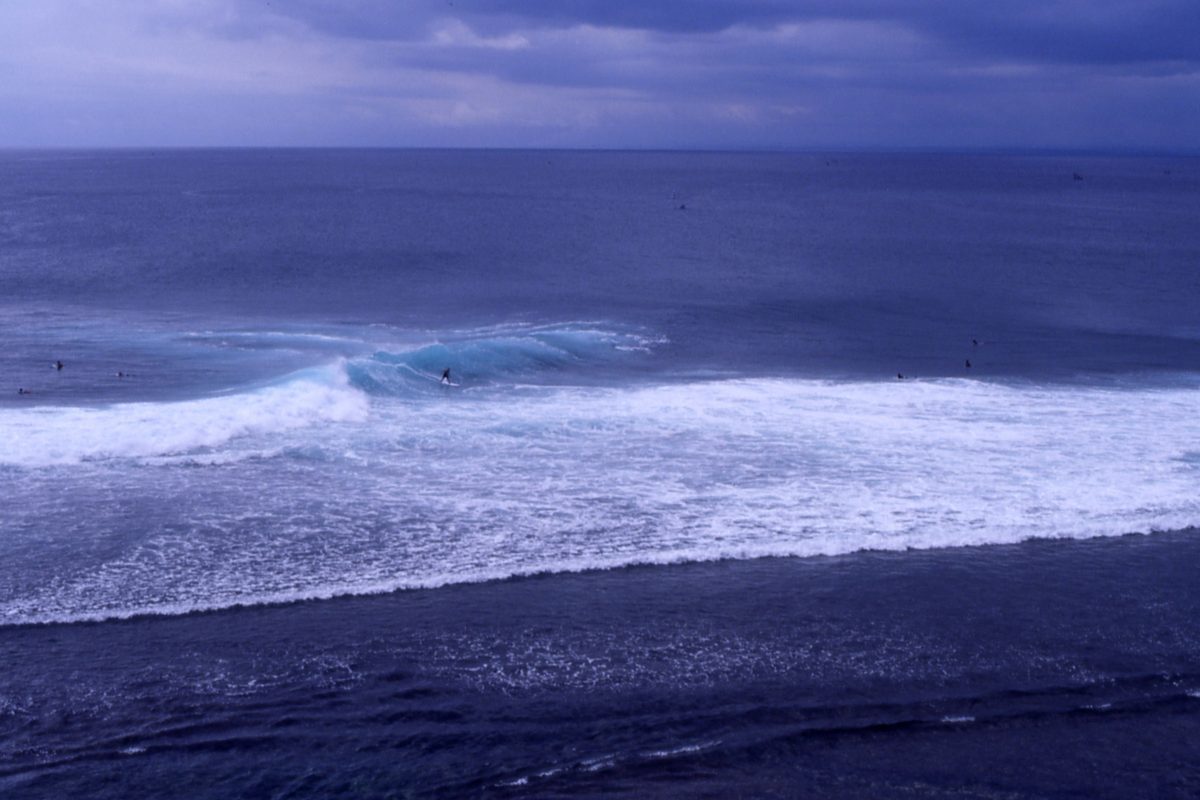
How My Uluwatu Surf Journey Started
I had been planning trips around regional trains and quiet villages for years, but last spring I did something out of character. I booked a flight to Indonesia for surf lessons in Uluwatu. The cliffs of the Bukit Peninsula looked nothing like my Lisbon neighborhood, and that was exactly the point. I wanted a challenge that would push my body and reset my head, far from the slow markets I usually write about.
My goal was simple to state and hard to live. I would spend two weeks learning to surf Uluwatu, and I promised myself I would track every fall. The number became a kind of scoreboard. Twenty wipeouts at the main Uluwatu surf break before I ever felt the board lift and carry me. Some falls came in the shallow reef channel, others before I cleared the whitewater. One first wave after all that salt and bruises. If you are a a beginner, that ratio might sound discouraging. For me it was honest and oddly motivating.
Through this series I will give you the practical takeaways that a Bali surf school Uluwatu handed me between sessions. We will cover how to time the paddle out, where the rocks sit at low tide, and why surfing Bali for beginners demands patience over power. The falls taught me more than the single ride. By the end you should know what to expect from surf conditions at Uluwatu, how to book lessons that fit a real beginner's pace, and what gear saves your knees on the reef.
Getting Ready for Surf Lessons in Uluwatu
Picking a Bali Surf School in Uluwatu
When I first looked into surf lessons in Uluwatu, I saw that the cliff above the break hides a few small schools. Within five minutes on foot from the beach access path, I found three setups. One was a family run gazebo where a father and son fixed boards between sessions. Another was a bigger surf school operation with a shaded tent, a pile of soft tops, and a whiteboard with the day's groups. The third was a freelance coach who pinned his number to the warung wall and offered to meet at the temple stairs. For a beginner like me, the real gap was attention. The camp style group packages looked good because a surf camp package usually bundles board rental, a rash guard, two hours of coaching, and a cold coconut for around thirty five dollars. A few multi day camps throw in a basic guesthouse room and breakfast, which works for slow travelers who like the same routine. I nearly booked a five day bundle that came with video of my first tries. Instead I went with booking a local instructor for one on one. I texted the freelance coach on WhatsApp and we set a time before the morning rush. A private lesson ran about twice the group price, but with twenty falls ahead of me, I wanted someone watching only my mistakes. He showed up with a smaller foam board, tied it to his scooter, and led me down the cliff with a plan for the calm inside part of the reef. That call decided every wipeout after it.
What to Bring for Your First Sessions
I signed up for surf lessons with a local outfit and quickly learned that gear choices make or break a first session. For my first sessions, I rented a longboard from a local school rather than hauling my own. A soft-top longboard around 8 feet is the standard for beginners because it floats well and paddles easily. Bringing a personal board from Europe meant extra baggage fees and the risk of dinging it on the flight, so rental was the practical call. The Uluwatu surf break is a shallow reef, not a sandy beach. I wore reef booties to protect my feet from sharp coral when walking out and falling. A rash guard was essential too, not just for sun but to stop the board wax from scraping my chest during those twenty falls. Most schools include a rashie, but I brought my own for fit. Sun protection in Bali is no joke. I applied reef-safe zinc to my face and wore a hat between sets. For water safety, I stuck close to my instructor and never paddled past the marked zone. Surfing Bali for beginners means respecting the rip and the reef. That preparation let me focus on the thrill of a first wave instead of worrying about cuts or sunburn.
Learning to Surf Uluwatu: The Break and the Season
Uluwatu Surf Break and Reef Basics
When I showed up for surf lessons, the instructor drew a line in the sand to explain the break. Uluwatu is a reef break, meaning waves curl over a living coral shelf rather than a sandy bottom. The surf zone sits below the limestone cliff, split into five peaks called Outside Corner, Racetracks, Main Peak, Surfers' Peak, and Bombie. Each peak feeds the same swell but breaks at a different angle because the reef rises unevenly. For a beginner, this structure means the take-off spot is fixed to shallow rock, not a shifting sandbar. That reef is why learning here feels harder than a beach lesson. A fall on sand is a soft tumble. Here the coral shreds a wetsuit, and wave energy concentrates over the shallow shelf so a wipeout hits direct. Currents run along the reef edge, dragging you sideways while you paddle. A good school keeps novices in the white-water channel near the inside reef, but even there the floor drops and waves rebound off coral with double force. Reading the water is the survival skill they teach first. White water is the frothy broken foam rolling shoreward. It is messy but slow, perfect for stance practice. Unbroken waves, called green waves, are smooth swell shoulders that haven't collapsed. Here, you learn to spot the dark line where the reef trips the wave into a curl. My first rides started with misreading that line, but after twenty falls I saw the pattern. Surfing Bali for beginners is less bravery, more watching the reef breathe.
Bali Surf Season for Beginner Surfers
When I started planning my lessons, my instructor said the calendar matters as much as the board. Bali has two tropical seasons, but swell size changes a lot from month to month. Learning is easiest when the ocean is calm, so the shoulder periods work best. The smallest waves come in April to June and again in September to early October. These windows sit at the edges of the dry season, and the Indian Ocean sends fewer large groundswell sets to the Bukit Peninsula. A Uluwatu surf beginner will find the reef break less harsh, with waist-high rollers instead of overhead walls. I booked my trip for late May after reading every surf forecast I could find. The Bali surf season changes when lessons run. A good school plans sessions around the tide and checks the swell charts. In smaller-wave months they hold more beginner classes at sunrise when wind is light. When big swells show up, those schools coach only experienced surfers at the main peak. New surfers should avoid big swell periods. July and August bring the largest waves and crowded lineups. Wet season storms from December through February can also create dangerous surf. I picked a calm month and gave myself a real chance at a first wave without swallowing salt all day.
My 20 Wipeouts at Uluwatu
Wipeouts 1-5: First Tumbles in the White Water
I reached the beach with a foam board from the school. My lessons started with sand drills, but the real test came when I paddled into white water at the break. My first pop up attempts failed before my knees left the deck, and I flopped into the foam. On wipeout one a runner wave at the shallow shelf folded me in half. The white water swallowed me whole and spun me like laundry in a rinse. I surfaced gasping with salt in my nose. My instructor Kadek paddled close to check on me.
Wipeouts 6-12: Current Struggles and Failed Pop Ups
By my sixth wipeout at Uluwatu, the lessons I booked had lost their shine, and the project became a stamina battle. The warm Bali water felt forgiving, but paddling back out after each fall exposed a weakness. My shoulder muscles, tuned by carrying a toddler through Lisbon markets, lacked the paddle strength this reef break demanded. Every set that rolled in, I paddled hard, yet the board nose lagged behind the curl. The instructor from the school yelled to paddle harder, but my arms burned and I slipped behind the section.
Fall number seven came from a mistimed pop up. I had practiced on the sand until my knees ached, but the moving wave confused my timing. As the board lifted, I pushed up too early, landing with one knee on the rail and the other leg tangled. The next two attempts followed the same pattern. I was either too fast, launching before the wave had real grip, or too slow, staying flat as the lip threw me off. Surfing here demands a split second decision that my body had not learned yet.
Reef scrapes started appearing by wipeout ten. The break runs over a shallow coral shelf, and every tumble left a stinging line on my shin. A particularly sharp fall opened a cut near my knee, and I swallowed a mouthful of salt water. That moment broke something inside. My confidence dipped hard. I floated on the board, watching other learners glide past, and wondered if surfing Bali for beginners was a mistake. But the memory of a first wave still felt possible, so I paddled back out for number eleven.
Wipeouts 13-19: The Worst Late Falls
By the time I reached the thirteenth fall, my arms felt like wet rope and my brain had gone foggy. The worst late drops came in a cluster. At Uluwatu, a late drop-in means you miss the steep part of the wave and slam down the closeout section. I did that on fall thirteen, fourteen, and fifteen. The board nose-dived, I ate reef, and the whitewater pounded my back. Falling here teaches you that fear grows in the tired gaps between attempts. After fall sixteen I sat on the foam and watched a Balinese kid paddle straight into a clean line. My mind whispered to quit. Mental fatigue made every set look bigger than it was. The surf had turned choppy and mean. I was a beginner counting bruises like coins. Falls seventeen and eighteen were panic drops, too late and too steep, slamming into the trough. I kept a mental tally toward twenty because my instructor said the first wave comes after you stop caring about the count. Surfing Bali for beginners is mostly about surviving the closeouts. On fall nineteen I dropped late again, slammed, and came up spitting salt, still short of the magic twenty.
Wipeout 20: The Last Fall Before the Wave
The twentieth fall came without warning. I had just paddled into position when a late drop closed out and sucked me over the ledge. My board pulled off the leash, my lungs burned as I tumbled through whitewater, and the reef below scraped my calf. For a few seconds I was just a body in the wash, spitting salt and laughing at how done I felt with the lessons. The break had been merciless all session, but this tumble felt like a full stop.
My First Wave Surf Experience
The Pop Up That Worked: Gliding on the Longboard
I had taken plenty of lessons before this moment, but my pop up had always been a frantic scramble. On this attempt, something shifted. My chest pressed off the board, knees came under me in one smooth motion, and my feet landed flat instead of tangled. The mechanic finally clicked after nineteen falls. The process had taught me patience, and that patience paid off when the longboard stabilized beneath me. The wave was a gentle shoulder on the inside reef, perfect for a beginner like me. I stayed low, arms out for balance, and the longboard glided forward with a quiet hum. Unlike the shorter boards I had tried earlier in the week, the extra length gave me a stable platform. I could actually look up and see the line of the wave instead of staring at my feet. Standing on the reef break felt surreal. The water below was clear enough that I could see coral shapes through the glassy face. My feet were planted on the waxed deck, the sun warm on my back, and for a few seconds I was moving with the ocean rather than fighting it. Surfing Bali for beginners is often about surviving the whitewash, but this was different. This was the wave I had dreamed of during those previous wipeouts. The reef at Uluwatu can be intimidating, yet from up on the board it looked like a garden passing underneath. I rode until the wave softened, then stepped off with a grin I could not wipe away.
From Surf Camp to Riding My First Wave
When I signed up for lessons, I thought I would pick it up fast. The camp laid out a clear sequence. Day one we stayed on the sand and drilled pop ups until my thighs burned. By day three we paddled into the whitewater while our instructors yelled timing cues over the noise of the break. I had already fallen twenty times by then, and each fall taught me to ease my ego. Progress came slowly, which suited how I like to travel. This journey meant accepting that effort and result rarely line up. I had booked two weeks, so the camp slotted into my slow travel plan without pressure. Our group of learners turned into a small squad. Lena was a graphic designer from Hamburg, and Rico was a retired teacher from Lisbon who, like me, took trains over flights. We split the cold rinses and the coconut stalls. The morning I finally stood, the wave was a soft shoulder at the inside reef. I heard Lena scream.
Uluwatu Beginner Takeaways and Your Next Move
Those twenty falls at the Uluwatu surf break were not failures. They were tuition paid in salt water and scraped knees for a single, perfect ride. When I look back, each wipeout taught me something a textbook never could. I learned to read the current, to respect the reef, and to laugh when the whitewash tossed me around. That first wave did not come easy, but it came real. If you are a beginner, do not let the scary cliffside lineup keep you on the sand. Local surf lessons are built for people who have never touched a board. Local coaches know the gentle channels and will have you paddling out safely. Surfing Bali for beginners is less about talent and more about patience and a good guide. The break has a way of humbling everyone, yet the community out there is generous with tips and encouragement. My advice is simple. Book a local surf school today and claim your own twenty falls. The dry season fills fast, and the best instructors get snapped up by June. Whether you dream of a long stay or a quick escape, learning to surf Uluwatu will give you a story that outlasts any resort tan. Your first wave is waiting, and the only way to find it is to fall a few times first.
Official sources
Details worth verifying before you go — checked against:

Travel Writer & Editor
Emily Johnson writes and edits Do Travel Blog. Every guide on the site starts the same way: with a question she actually had while planning — when to book, which pass to buy, how to get from A to B without overpaying. Where a number matters, she cites the source: park tickets link to the park's own fee page, visa rules to the official consulate, ferry times to the operator. Prices get re-checked against those pages before each update, and a guide is re-dated when its numbers move. Nothing here is sponsored — she doesn't accept payment for coverage. Spotted something stale or wrong? Email hello@dotravel.blog and she'll fix it.