Nature Gems That Exceed Expectations
Explore hidden nature spots where travel reality meets your expectations. Find untouched wilderness and secret hiking trails for a real experience.
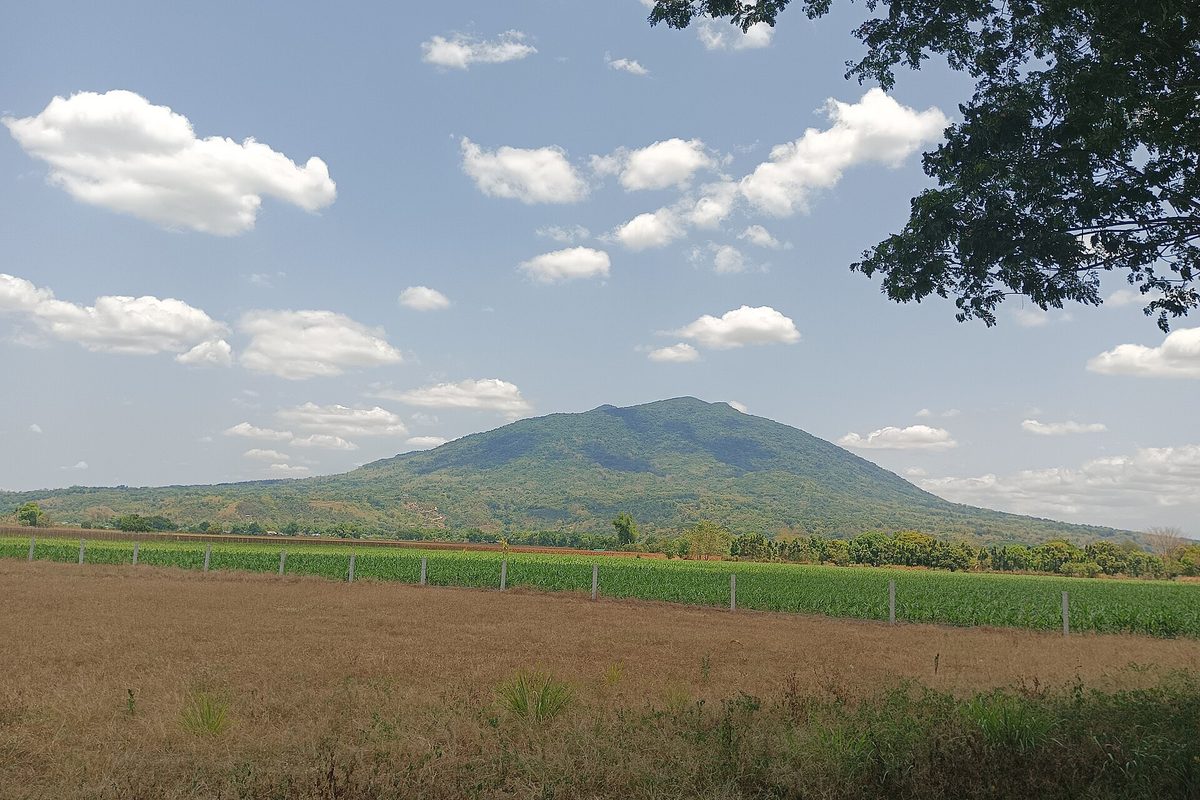
The Paradox of the Perfect Frame
We see the world through a curated lens. Before we step onto a trail or stand before a mountain range, we have already seen it on a screen. We know how it should look because Instagram and Pinterest set our expectations. We expect vibrant turquoise glacial lakes, symmetrical forest paths, and jagged peaks.
There is often a gap between travel expectations vs reality. A photo captures a frozen second of perfection but strips away the sensory details: the smell of damp pine needles, the biting chill of morning mist, or the rhythmic crunch of gravel under your boots. When we chase only the perfect shot, we sometimes miss the magic of the mundane. This is why finding hidden nature gems feels rewarding. These are places where crowds thin out and raw wilderness begins to speak in its own language.
The Over-Tourism Trap
Think of the Swiss Alps or the Amalfi Coast. They are beautiful but also icons of over-tourism. In these locations, you often share your solitude with a hundred other people trying to capture the same angle. When every square inch of a landscape is mapped and marketed, the sense of discovery can fade.
To find an authentic experience, look for places not yet saturated by commercialization. These are landscapes that don't always make it onto the front page of travel magazines but offer a deeper connection. They require more effort to reach, often involving longer drives or steeper climbs, but the reward is a sense of belonging rather than just observation.
The Magic of Hidden Nature Gems
What makes a place a true hidden nature gem? It isn't just physical beauty; it is the feeling of being first. When you find a secret hiking trail that feels like your own private discovery, the emotional impact is amplified.
Consider the difference between a famous national park and a local woodland. In the national park, you are a guest in a well-managed gallery. In the local woodland, you are an explorer in a wild world. The latter allows for more spontaneity. You can stop to watch a single bird for ten minutes without worrying about a line of people behind you. This is where photography vs reality becomes most apparent. A photo might show a majestic waterfall, but it cannot easily convey the roar of the water vibrating in your chest or the spray settling on your skin.
Seeking Untouched Wilderness
Untouched wilderness represents the goal for many travelers. It is land that feels as though it hasn't been fully claimed by human intervention. In these spaces, nature follows its own rules.
When you step into a truly wild landscape, your senses sharpen. You begin to notice subtle shifts in the scenery, like how light filters through a canopy of ancient oaks or how a stream carves its way through limestone. These places offer solitude because they demand your attention. Without the distractions of city noise or constant human movement, you are forced to engage with the present moment.
Travel Expectations vs Reality: A Case Study in Landscapes
Let's look at three types of landscapes and how our expectations often differ from the reality we find on the ground.
The Forest Floor
Expectation: A dense, uniform sea of green trees. Reality: A complex ecosystem of mossy logs, hidden ferns, varying shades of bark, and a carpet of decaying leaves that muffles every step you take. The true beauty is in the micro-details.
The Mountain Peak
Expectation: A sharp, clear view of the world from above. Reality: A rugged journey involving switchbacks, heavy breathing, and perhaps some mud. The view is spectacular, but the reality is the physical effort required to earn it.
The Coastal Shore
Expectation: A pristine beach with white sand. Reality: A dynamic environment where waves shape the shoreline constantly, salt hangs in the air, and every tide reveals new treasures of shells and smoothed stones.
The Art of Authentic Travel
Authenting travel is about trade-offs. It is the choice to take the longer route because it leads to a more interesting destination. It is the willingness to get your boots dirty in exchange for a view that isn't crowded by tour buses.
To find these gems, move beyond the bucket list mentality of seeing every famous landmark. Instead, try adopting a discovery mindset. Ask yourself: what is nearby that I haven't visited yet? Can I find a trail that doesn't have a name on my map?
When we prioritize authentic experience over curated perfection, our memories become richer. We stop looking for the best photo and start looking for the best feeling. This shift in perspective changes how we interact with the scenery. Instead of just glancing at a mountain, you begin to wonder about its history, what creatures live in its shadows, and how the weather will change by dusk.
Navigating Secret Hiking Trails
The best way to find these hidden spots is to seek out secret hiking trails. These are often tucked away in corners of the world that require local knowledge or a willingness to wander.
Often, the most rewarding paths aren't the ones with the clearest signs. They are the ones where you can feel the ground change beneath your feet from soft dirt to jagged rock or from thick grass to open meadow. These transitions tell a story of the land's geology and biology.
When exploring these trails, try to practice slow travel. Don't just march toward the summit or the end of the path. Stop frequently. Sit down. Listen to the wind. Observe the way a single leaf hangs from a branch. This is how you bridge the gap between seeing nature and feeling it.
The Role of Solitude in Nature
Solitude is the secret ingredient that turns a good landscape into a great one. In our busy lives, we are constantly bombarded by information. Nature offers a different kind of information that comes from within.
In profound solitude, your internal monologue quiets down. You start to notice small things: the way a spider weaves its web between two stalks of grass or how the temperature drops as you enter a shaded ravine. This quietness allows for deeper reflection. It is in these moments that nature gems truly shine, because they provide a sanctuary from the noise of modern life.
Photography vs Reality: Capturing the Feeling
While we often use cameras to preserve our memories, it is important to remember that beyond-the-lens-sensory-travel|photography vs reality] is an ongoing dialogue. A photo can capture the color and shape of a landscape, but it struggles to capture its soul.
To truly appreciate a hidden nature gem, you must experience it with all five senses before you reach for your camera. Feel the texture of the bark. Smell the earthy scent of the soil after rain. Hear the distant call of a bird. Once you have fully inhabited the space, take the photo. The image will be more meaningful because it is anchored in a real, lived experience.
How to Find Your Own Hidden Gems
If you want to start finding these places for yourself, consider these strategies:
- Go Local: Explore the wilderness within a two-hour radius of your home. You might be surprised by what is right in your backyard.
- Follow the Water: Rivers and lakes often lead to some of the most dramatic and less-visited scenery.
- Look for The In-Between: Don't just go to the famous peaks. Go to the valleys between them. The transition zones are often where unique biodiversity lives.
- Seek Out Seasonal Changes: A forest in autumn looks entirely different from a forest in spring. Visiting the same spot at different times of the year is a great way to find new gems in familiar places.
- Use Local Knowledge: Talk to people who live near the wilderness. They often know about the small creek, the hidden grove, or the secret meadow that doesn't make it into the big guidebooks.
Nature gems are not just places on a map; they are opportunities for connection. When we step away from over-commercialized tourist traps and venture into untouched wilderness, we find something more than beautiful scenery. We find a sense of perspective.
We realize that while our lives are often fast and loud, nature moves at its own pace. It is patient, resilient, and complex. The next time you plan a trip, don't just aim for the most famous spot on your feed. Look for the place that promises solitude. Seek out the hidden gem that feels like it belongs only to you.
Your actionable next step: This weekend, find one local trail or park that you have never visited before. Leave your phone in your pocket for at least twenty minutes of the walk. Focus on the textures, smells, and sounds of the land. Experience the reality of nature beyond the filter.
Official sources
Details worth verifying before you go — checked against:
Travel Writer & Editor
Emily Johnson writes and edits Do Travel Blog. Every guide on the site starts the same way: with a question she actually had while planning — when to book, which pass to buy, how to get from A to B without overpaying. Where a number matters, she cites the source: park tickets link to the park's own fee page, visa rules to the official consulate, ferry times to the operator. Prices get re-checked against those pages before each update, and a guide is re-dated when its numbers move. Nothing here is sponsored — she doesn't accept payment for coverage. Spotted something stale or wrong? Email hello@dotravel.blog and she'll fix it.