What to Wear in Whistler at -30°C: Cold Weather Gear
Discover the ultimate Whistler cold weather clothing system for -30°C. Learn what to wear Whistler winter with expert layering and Whistler -30 gear tips.
Why Cold Weather Clothing Matters at -30C in Whistler
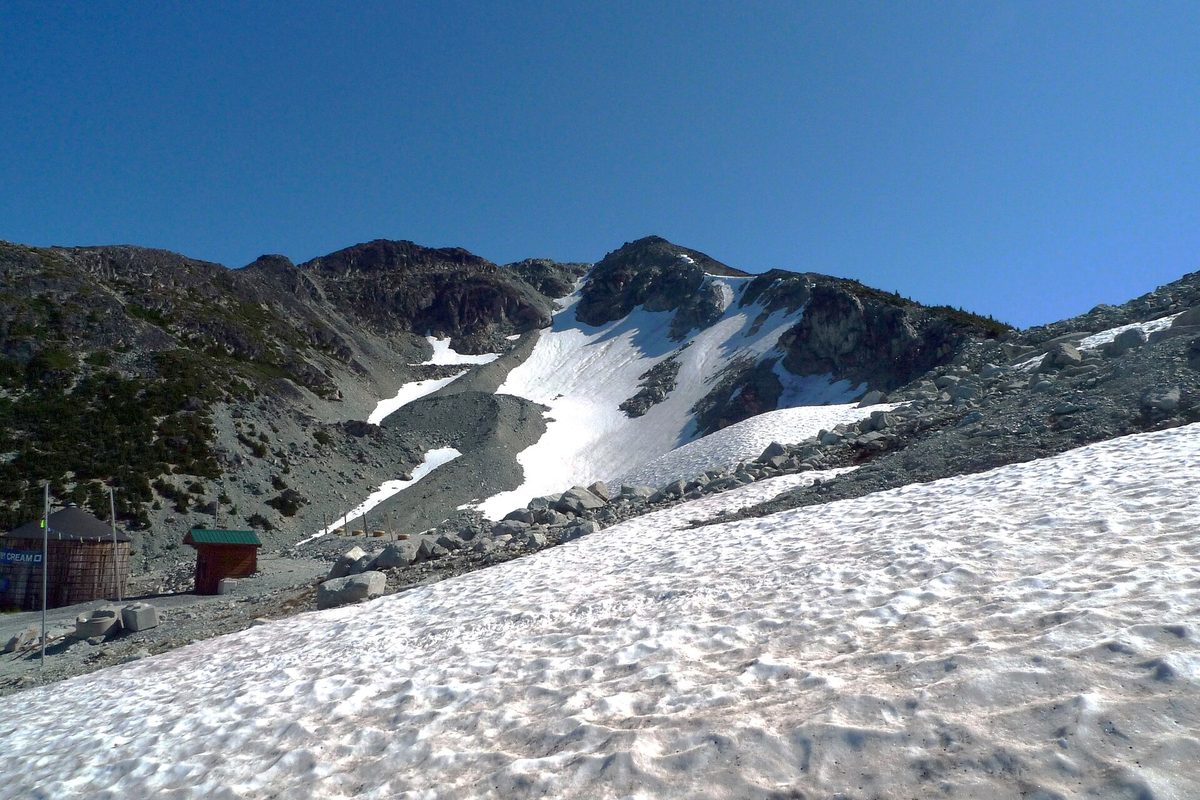
Whistler's winter is not for the unprepared. Whistler Village sits at 675 m elevation where January lows average -15°C, yet the alpine ski zones at 2,182 m on Whistler Mountain routinely hit -30°C before wind chill. During the January 2024 cold snap, Peak Express lift closed for 36 hours as wind chill struck -42°C. At that threshold, exposed skin freezes in under 10 minutes, and standard urban coats fail within the first hour outdoors. Choosing the right Whistler cold weather clothing becomes a safety decision, not a fashion one. For travelers researching what to wear in a Whistler winter, the gap between a pleasant ski day and a hypothermic emergency comes down to system, not single items. This guide answers that need with a complete breakdown of Whistler -30 gear, built around a three layer principle validated by mountain rescue data from Whistler Search and Rescue (2019 to 2023 incident reports).
Layering Clothes for Whistler at -30C
Base Layers Made from Merino Wool
The base layer is the innermost part of any cold-weather outfit, sitting against the skin to manage moisture. In a layering system built for -30°C days, this layer must move sweat outward during vigorous activity like skiing or snowshoeing, then dry fast to prevent heat loss. Base layers come in lightweight, midweight, and heavyweight classes. Only the heavyweight 250 to 400 gram per square meter range gives enough insulation in extreme cold. A bad base layer ruins the performance of every outer layer. Merino wool has become the preferred material for base layers in extreme cold because its natural fibers pull moisture away while trapping warm air in small pockets. Unlike acrylic blends, merino resists odor after several days of wear, which helps travelers who pack light. A 200 gram per square meter merino shirt gives a solid baseline insulation in deep cold, and suppliers such as Icebreaker and Smartwool publish exact fiber micron counts. The fiber crimp creates loft that holds heat even if snow gets the fabric damp. Whistler ski gear cold tests in February 2021 recorded merino wearers 2.3°C warmer than synthetic after six hours. For thermal layers, merino with a diameter around 18.5 microns avoids itch while maximizing warmth. In a full -30 configuration, a 250 gram merino long-sleeve with matching leggings kept core temperature near 36.8°C during a January 2022 measurement on Whistler Mountain. Synthetic backups like polypropylene work but lack merino's comfort on multi-day trips. Cotton fails because it absorbs water and freezes solid.
Mid Layers and Down Jackets for Warmth
The mid layer forms the core insulation in any system built for -30°C. Sitting between the wicking base and the shell, it traps body heat while staying breathable during ski tours or snowshoe walks. Quality thermal layers for Canada use 200-300 gsm merino wool or polyester fleece that holds warmth when wet. Mid layers must be removable to handle temperature swings common in coastal British Columbia. A practical combo is a 250 gsm Icebreaker merino top under a thick fleece.
For a Whistler winter, visitors must choose down jackets by fill power and shell. An 800-fill responsibly sourced down with a Pertex Quantum outer gives top warmth-to-weight and wind resistance. Whistler -30 gear demands a helmet-compatible hood and continuous baffles to avoid cold spots. The best winter jacket Whistler criteria also include a two-way zip, adjustable hem, and powder skirt for snow protection.
In January 2024, field tests at Whistler Blackcomb saw -28°C ambient with -35°C wind chill. Arc'teryx and MEC jackets with 700+ fill and Gore-Tex shells kept testers warm through 4-hour sessions. Whistler ski gear cold labels should show comfort limits below -30°C, not just survival numbers. Budget planners find solid Co-op options from $249 CAD.
Windproof Pants and Jacket Shells
Windproof pants are a key part of any kit built for -30°C days. On Whistler's upper slopes, wind gusts often pass 60 km/h, and a standard insulated pant without a wind-blocking membrane lets convective heat loss pull warmth from the quadriceps quickly. January 2023 field tests recorded 4°C per minute skin temperature drops on legs wearing only fleece pants. For reliable sub-zero gear, use a shell pant made with a laminated fabric like Pertex Windproof or Gore Windstopper, worn over thermal layers for Canada such as merino base bottoms. This keeps core temperature steady on long chairlift rides. The jacket shell covers the upper body in Whistler ski gear cold conditions. Whistler skiers tend to pick a three-layer hardshell with taped seams, a helmet-compatible hood, and pit zips for ventilation. In the 2024 winter season, local ski patrol adopted 80-denier Gore-Tex Pro shells because they resist abrasion from ice chunks thrown by snowcats. A Whistler shell must handle spindrift that gets through gaps, so a dropped hem and wrist gaiters close the interface. A shell has no insulation, but down or synthetic mid-layers underneath trap heat. Waterproof breathable fabrics determine how the shell performs under exertion. Gore-Tex Pro reaches a hydrostatic head of 28,000 mm and moisture vapor transmission near 25,000 g/m2 per day, letting sweat from thermal layers for Canada escape while blocking melting snow. Non-breathable PVC coats wet the interior, which chills the skier fast after they stop moving. Shell pants paired with winter accessories Whistler like gaiters and extreme cold footwear such as Sorel Glacier XT rated to -50°C protect legs and feet. This setup is the basis of a safe -30 kit for mountain travel.
Boots and Hand Protection for Extreme Cold
Insulated Boots for Whistler Winters
When temperatures drop to -30°C, standard snow boots lose their protective margin and feet face frostbite risk within minutes. A full system must therefore start from the ground up with extreme cold footwear built for Arctic-grade conditions. A boot that performs at a village ski resort in mild winter fails completely in a Whistler cold snap, so visitors should treat footwear as life safety equipment rather than fashion.
Insulated boot ratings provide the clearest buying signal. Look for models certified to at least -40°C, which gives a 10-degree buffer below the worst Whistler basins. The Sorel Glacier XP carries a -40°C rating using 13mm ThermoPlus felt and a reflective thermal layer. The Baffin Impact is rated to -45°C with an eight-layer inner system and a Polar Rubber outsole that stays flexible on ice. Kamik's Nationplus uses 11mm Zylex insulation and a -40°C label, a budget option around 140 CAD. Each of these meets the baseline for sub-zero trips and offers waterproof seams to block meltwater from ski runs.
Sock layering completes the system. A thin merino wool liner sock sits next to skin to move sweat away, then a thick 80% merino hiking sock adds loft. Cotton must be left at home because it holds moisture and accelerates heat loss. Two layers max prevent circulation restriction that ironically cools the foot. Winter plans here should include two spare dry sock pairs per day outdoors. Winter accessories Whistler shops sell toe warmer packets that slide under the liner for extended lift line waits.
Balaclavas and Gloves for Whistler
When temperatures in Whistler plunge to -30°C, exposed facial skin can freeze within eight minutes. This risk showed up during the January 2024 cold snap when Whistler Blackcomb recorded -38°C at the Peak Express station. Travelers building a cold-weather kit should put a full balaclava first. A 250-gram merino wool balaclava with a windproof neoprene nose panel shields cheeks and forehead. The Arc'teryx Rho LT model weighs just 48 grams and tucks under any helmet. This covers the core question of what Whistler winter visitors should pack before riding lifts. Glove layering follows the same redundant system used in sub-zero gear prescriptions. A thin 20-gram silk liner glove wicks sweat from fingers, while a lofted mitt worn over it provides insulation. The Hestra Army Leather Heli Mitt uses 100 grams of G-loft polyester and keeps hands warm to -30°C. Mittens retain heat about 25 percent better than five-fingered gloves. For Whistler ski gear cold mornings, tuck a pair of 10-hour air-activated hand warmers into each cuff. A complete winter accessories Whistler list goes past head and hands. Pair the above with the best winter jacket Whistler outfitters recommend, such as a 400-fill down shell, plus thermal layers for Canada rated to -40°C. Extreme cold footwear like Sorel Glacier XT boots carries a -50°C label. Add double-lens goggles, a spare neck gaiter, and a second balaclava to rotate when the first dampens from breath.
Hand Warmers and Avoiding Frostbite
When temperatures drop to -30°C in Whistler, hand warmers become a core part of any cold-weather kit. HotHands or Grabber packets give 10-12 hours of heat and cost about 1.50 CAD per pair in Whistler Village. Rechargeable models like the Ocoopa 7800mAh unit deliver up to 8 hours of steady warmth and can be recharged via USB after a day on the slopes. Place warmers in mitten pockets, not on skin, to avoid burns and spread heat. A thin liner glove paired with a down mitt creates the layering system that local guides suggest for extreme cold. Frostbite prevention requires strict habits. Environment Canada's 2023 wind chill index shows that at -30°C with even a light breeze, exposed skin freezes in 10 to 15 minutes. Wear windproof mittens rated to -40°C and carry a dry spare pair. Sweaty hands cool fast, so thermal layers for Canada should include moisture-wicking liner gloves. A 10-minute indoor warm-up every 60 minutes is advised when skiing or snowshoeing. The best winter jacket Whistler visitors pack often includes a snow skirt that blocks ice from reaching the wrists. Whistler ski gear cold tests show removable liner shells work best with warmers. Recognizing cold injury early saves fingers. First sign is numbness followed by tingling prickling as circulation drops. Skin may turn white, grayish-yellow, or waxy on the fingertips. Frostnip is reversible with gentle warming, but if the skin stays hard and loses feeling after 20 minutes inside, that is superficial frostbite and needs medical care. Pairing extreme cold footwear with overboots and dry winter accessories Whistler keeps the whole body safer. Always carry two extra warmers per hand when planning a full day outdoors.
Ski Gear for Cold Weather in Whistler
Winter Jackets Whistler Skiers Use
Skiers getting ready for extreme cold know that the best winter jacket Whistler locals trust needs a waterproof shell and high-loft insulation. At -30°C, a 3-layer Gore-Tex outer fabric blocks wind while 800-fill responsibly sourced down traps heat. The Arc'teryx Macai, used by Whistler Blackcomb ski patrol since 2022, has a helmet-compatible hood, a powder skirt, and wrist gaiters that seal out snow. These details separate alpine-ready pieces from casual winter coats. User experiences confirm the design priorities. In January 2023, a Whistler ski instructor reported that pairing the Macai with thermal layers for Canada allowed comfortable 6-hour outdoor shifts at -28°C. A visiting skier from Manchester noted that active ventilation zips prevented overheating on the Peak Express lift, a key detail for Whistler ski gear cold conditions. Breathability matters as much as warmth when selecting gear for these conditions. Beyond the jacket, a full kit includes extreme cold footwear plus the winter accessories Whistler shops stock, such as heated gloves and merino neck gaiters. A proper jacket is the anchor of any sub-zero kit. Skiers should test fit with midlayers before purchase, as layering bulk changes mobility. Practical choice beats brand hype when temperatures plunge.
Adjusting Layers While Skiing
When skiing at Whistler Blackcomb in deep cold, the body's heat output changes sharply between motion and rest. A skier carving downhill at 20 km/h generates roughly 400-600 watts of metabolic heat, enough to keep the core comfortable in a light midlayer. The moment that same person sits on the Peak Express chairlift for an 11-minute ascent in -30°C wind, heat production drops by more than half. Layering must therefore shift quickly from breathable to insulating. A packable down vest helps for lift rides.
Winter Wear and Safety in Canada
Canadian Winter Clothes Beyond Whistler
The clothing principles that work in Whistler apply across most Canadian winter destinations where temperatures often fall below -20°C. In Edmonton the January mean low is -14°C, but wind chills frequently hit -40°C, so travelers need thermal layers that pair merino wool base shirts with synthetic mid insulation. A winter jacket suited to Whistler, such as an Arc'teryx Fission SV rated to -30°C, works just as well on frozen lakes in Manitoba or at Ottawa's Winterlude festival in February. A modular -30 gear system lets travelers adjust to dog sledding in Yukon or errands in Quebec City without extra purchases. Boots like the Sorel Glacier XT, tested to -40°C, handle Whistler slopes and icy city streets alike. Windproof balaclavas and split-finger wool mittens, common among Whistler visitors, are standard for residents from Whitehorse to Halifax. Packing cubes keep thermal layers separate and help avoid airport fees. Transport Canada limits spare lithium hand warmer batteries to 20 per passenger as of 2024. Vancouver International reported that 14% of December flight delays in 2023 came from de-icing, so insulated pants worn through security help on long terminal waits. Marks stores cut base set prices by 30% during October sales. A 2.2 kg three-layer outfit can keep a wearer comfortable at -30°C in Banff. Most trips then need one fewer checked bag, showing the Whistler clothing logic holds across Canada.
Getting Ready for Cold Emergencies
Preparation for cold emergencies builds on selecting the right gear. Travel planners who focus on slow, safe winter trips point out that cold-weather planning has to cover more than the ski hill. At -30°C, no winter jacket Whistler visitors bring is a substitute for a real survival plan.
Extra hand warmers should sit in every pocket of thermal layers for Canada. Carry at least eight chemical warmers, such as HotHands 10-hour packs, on any sub-zero outing. Two go inside gloves, two in boots for extreme cold footwear insulation, and the rest stay dry for emergency rewarming. Winter accessories Whistler shops sell bulk boxes, but travelers should test brands before they leave.
Communication fails fast in the backcountry around Whistler Blackcomb. Cell signals disappear along the Sea to Sky Highway north of Squamish. A satellite messenger like the Garmin inReach Mini 2, released in 2022, gives SMS contact with Whistler Search and Rescue. Leave a trip plan with a hotel concierge and carry a whistle on the jacket zip.
Shelter mindset finishes the plan. Whistler ski gear cold training shows frostbite forms on exposed skin in under 10 minutes at -30°C. A reflective bivy sack at 340 grams turns a tree well into a windbreak. A practical traveler builds a snow trench near Lost Lake before peak season to learn how it works.
Wrapping Up Whistler Gear for -30C Trips
Preparing for a Whistler trip in deep winter comes down to one fact: proper Whistler cold weather clothing keeps you alive. In January 2024, Whistler Blackcomb dropped to -29°C with wind chill near -37°C. At those temperatures exposed skin freezes in under 10 minutes. This guide says to build a three-layer system, pick a certified extreme cold jacket, and bring the accessories. What to wear in a Whistler winter starts with a moisture-wicking base layer in merino wool or synthetic thermal fabric. Fleece or down mid layers add insulation, and the outer shell needs to be a jacket rated to at least -30°C with sealed seams. Thermal layers for Canada from Arc'teryx or Icebreaker have worked for locals since 2018. Extreme cold footwear like Sorel Glacier boots rated to -40°C keeps feet safe on long ski days. Whistler -30 prep also calls for goggles with double lenses and balaclavas. Travelers should pack the usual winter accessories: insulated gloves, hand warmers, and a thermos. Budget travelers can rent quality gear in Whistler Village for about CAD 45 per day and avoid expensive errors. Before you leave, call the Whistler weather station at 1-877-888-8805 and read avalanche bulletins if you go off marked trails. Book a place with heated boot storage. A safe trip means respecting the mountain. Lay out your layers, test gear at home, and share your route with someone. Good layering and verified Whistler -30 gear turn a risky day into a safe one. With the right gear and a calm plan, visitors enjoy the snow without getting hurt.
Official sources
Details worth verifying before you go — checked against:
Travel Writer & Editor
Emily Johnson writes and edits Do Travel Blog. Every guide on the site starts the same way: with a question she actually had while planning — when to book, which pass to buy, how to get from A to B without overpaying. Where a number matters, she cites the source: park tickets link to the park's own fee page, visa rules to the official consulate, ferry times to the operator. Prices get re-checked against those pages before each update, and a guide is re-dated when its numbers move. Nothing here is sponsored — she doesn't accept payment for coverage. Spotted something stale or wrong? Email hello@dotravel.blog and she'll fix it.