Crossing Borders in the Balkans: Hitchhiking Tips and Tricks
Learn how to handle Serbia Bosnia border hitchhiking, required travel documents, and customs tips to make your Balkan border crossings easier.
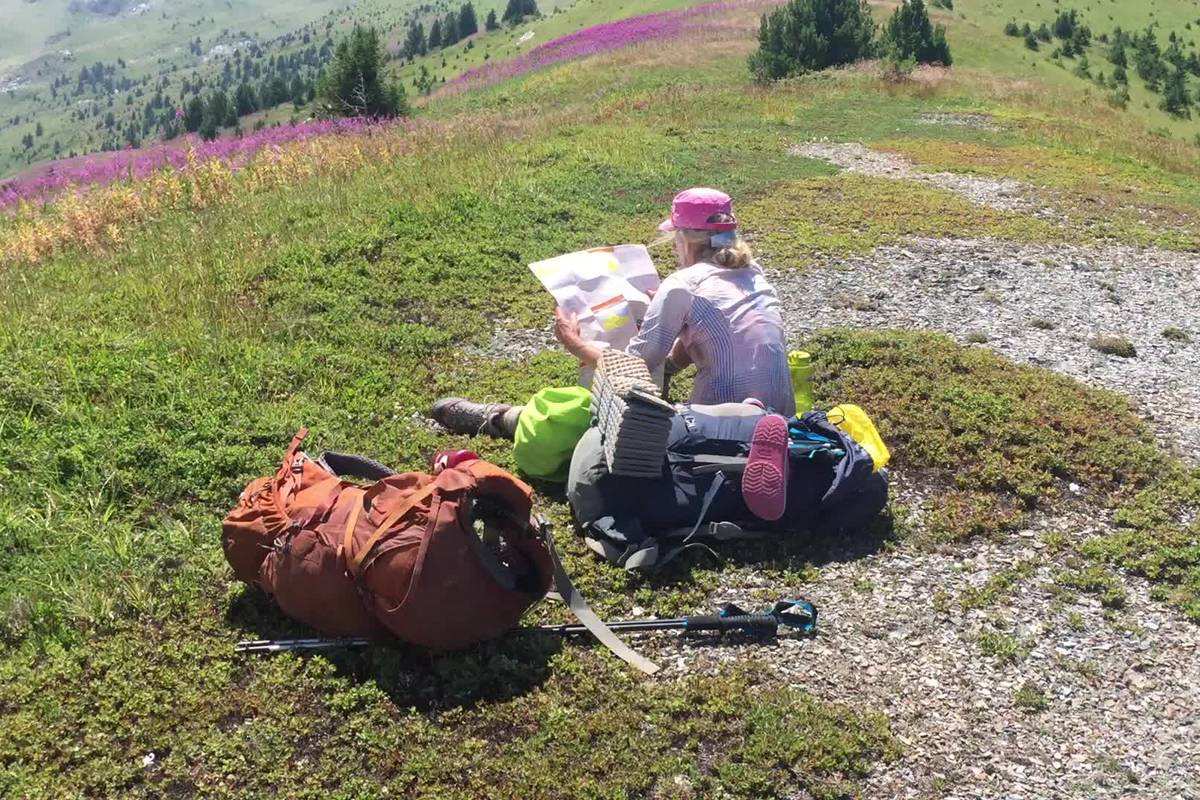
Navigating Balkan Border Crossings: A Guide to Hitchhiking
Crossing from Serbia into Bosnia and Herzegovina is rewarding but unpredictable for budget travelers in Southeast Europe. The landscape consists of rolling hills and mountain villages, but the administrative side is a mix of checkpoints and regulations. For those hitchhiking, the Serbia Bosnia border presents hurdles that differ from standard road trips. You are dealing with both geography and the moods of border guards, as well as whether local drivers are willing to commit to a trip that includes a mandatory stop at a frontier post.
The main challenge of hitchhiking across these frontiers is the vehicle logistics. Many local drivers hesitate to take hitchhikers to the border because of the paperwork or the perceived risk of transporting foreigners across national lines. Unlike a bus, where you just need a ticket, hitchhiking relies on trust and clear communication. Be prepared for a driver to drop you off a few kilometers before the crossing, meaning you will have to walk to the terminal or find a new ride on the other side. This is common and should be expected.
To succeed, keep your travel documents ready. A valid passport is required, and physical copies of insurance or entry visas can prevent delays. Border officials in this region are generally professional but meticulous. Any discrepancy in your paperwork can lead to long questioning sessions that frustrate your driver and slow down traffic.
This guide provides a tactical approach to these transitions. The best mindset for travelers is a blend of patience and flexibility. You cannot force a schedule when you depend on the generosity of others, so embrace the slow pace. Whether you are waiting at a roadside in Vojvodina or trekking through the mountains of Bosnia, stay adaptable. By understanding local customs and the pressures of Balkan border crossings, you can make a potentially stressful transit a normal part of your journey.
Essential Travel Documents for the Balkans
Managing the travel documents for the Balkans requires more than just a passport. Administrative requirements vary between EU members and non-EU states. If you are planning a trip through the region, focus on the entry and exit regulations for Serbia and Bosnia and Herzegovina, as these are often the main points of friction.
For most Western travelers, a passport with at least six months of validity is the standard. In Serbia, citizens of the US, UK, and EU generally do not need a visa for short stays. If you are from a non-exempt country, you must secure a visa before arrival. Bosnia and Herzegovina follows a similar pattern, but you should check current reciprocity agreements. A common mistake is assuming that because one Balkan country is visa-free, the others are too. Verify the requirements for every stop on your itinerary to avoid being turned back.
When dealing with Balkan border crossings, the most overlooked detail is the entry and exit stamp. Many travelers using smaller roads or unofficial transport find that border guards occasionally forget to stamp their passports. This can create legal headaches later. If you enter Bosnia without a stamp and then try to leave for Croatia, authorities may assume you entered illegally, which can lead to fines or delays. Double-check your passport before leaving the booth. If a stamp is missing, ask the officer for it immediately.
For those using Serbia Bosnia border hitchhiking, documentation is even more vital. Hitchhiking often involves crossing at smaller checkpoints where guards are less used to international tourists. Keep your documents organized. Carrying a physical printout of onward travel plans or hotel reservations can help satisfy a skeptical agent who wants to know why you are crossing in a stranger's car.
There are several common pitfalls. First, relying only on digital copies of your passport is a risk. While a PDF on your phone is a good backup, many border posts still require the original physical document. Second, failing to account for the Schengen Area boundary is a frequent error. When moving from Bosnia or Serbia into Croatia or Slovenia, you enter the Schengen zone. This means movements are tracked more strictly, and previous overstays in other EU countries will be flagged.
To avoid these issues, use a travel folder for your passport, visa copies, and a basic itinerary. If you are traveling with a vehicle, the Green Card (international motor insurance) is mandatory for most Balkan border crossings. Without it, you will have to buy expensive temporary insurance at the border. By staying organized and verifying every stamp, you can keep the administrative side of your journey smooth.
Strategic Border Crossing Points: Serbia to Bosnia and Herzegovina
When planning your route from Serbia into Bosnia and Herzegovina, the checkpoint you choose can determine if your day is easy or a logistical nightmare. For those relying on Serbia Bosnia border hitchhiking, the strategy is usually a choice between major transit hubs and smaller, rural crossings. Each has different challenges depending on your patience and luck with drivers.
Major checkpoints, such as Zaseblje or routes near Belgrade, are common for commercial trucks and tour buses. The advantage is the volume of traffic, so you are almost guaranteed to find a vehicle. However, these hubs often have long queues and a rushed atmosphere. Border guards at high-traffic points are efficient but less likely to engage in the friendly banter that often helps a hitchhiker feel welcome.
Smaller border crossings offer a more authentic experience and often faster transit. Minor checkpoints are frequently overlooked, meaning you can often walk through the terminal in minutes. For hitchhikers, these rural routes are a mixed bag. You are more likely to be picked up by locals who are curious or helpful. In smaller villages, a traveler by the road is often viewed with more interest than at a massive hub. The downside is the unpredictable traffic. You might wait an hour for one car, and if that driver is not heading your way, you are stuck.
Finding hitchhiker-friendly routes requires a balance. Roads leading toward Višegrad or crossings near the Drina river are often good choices. These areas blend accessibility with the slower pace of the countryside. When navigating these Balkan border crossings, position yourself slightly before the border post. Many drivers decide to give a lift after they have cleared customs and are back up to speed. Standing too close to the gate can be dangerous and is often prohibited by police.
Your interaction with officials depends on your preparation. While we have discussed the general requirements, their application varies by checkpoint. At major crossings, guards are strict about stamps and passport validity. At smaller crossings, you might find a more relaxed approach, but this is not guaranteed. Have your passport and visas ready before you reach the window to avoid holding up the line.
Target mid-sized crossings for the best experience. These points have enough traffic to ensure you are not stranded but are small enough to avoid the queues of primary highways. If you are at a major hub and the wait is too long, ask your driver to take a detour through a smaller village crossing. Many local drivers know back ways that avoid traffic jams and lead through scenic landscapes. Diversifying your approach turns a bottleneck into an opportunity for exploration.
The Logistics of Hitchhiking at the Border
Crossing a frontier by thumb requires a tactical approach. Once you have cleared passport control, the most important decision is where to stand. Many travelers stand too close to the exit gate, which creates a bottleneck and annoys drivers and officials. Instead, walk 50 to 100 meters past the final customs checkpoint. Look for a wide shoulder or a pulling-off area where a car can stop without blocking traffic. This is especially true for Serbia Bosnia border hitchhiking, where narrow roads make drivers hesitant to stop if they are obstructing a queue.
Visibility is key. Stand where drivers can see you from a distance. If there is a pedestrian walkway, use it, but do not hide behind signs or barriers. In the Balkans, drivers are generally helpful, but they prefer a hitchhiker who looks prepared. Having a clear sign and standing in a safe area increases your chances of a ride.
Interacting with authority is the next step. When dealing with border police and customs officers, be polite and transparent. Border officials in the Balkans are used to tourists, but hitchhikers can trigger extra scrutiny. If asked how you arrived or plan to leave, be honest. Explain that you are traveling independently and waiting for a ride. Keep your travel documents in a folder within reach. If an officer asks for your passport again after you have cleared the booth, comply immediately. A friendly attitude prevents a routine check from becoming a long interrogation.
Communication with drivers across the frontier requires a different strategy. Once you cross into a new country, language and social cues may change. When a driver pulls over, start with a greeting in the local language. A simple "Zdravo" or "Hvala" helps build rapport. Be clear about your destination but remain flexible. If you are crossing from Serbia into Bosnia, the driver may not go all the way to your final city, but they can drop you at a larger town or a more active hitching spot.
One common challenge is the anxiety drivers feel at borders. Some are hesitant to pick up strangers immediately after a crossing due to customs regulations regarding smuggled goods. To put them at ease, mention that you have already cleared customs and have your paperwork in order. This confirms you are not a liability. If you have a large pack, keep it organized so you can show your gear quickly if asked. This transparency builds trust and makes the transition to the open road smoother.
Managing Border Wait Times and Customs Procedures
Crossing the Serbia Bosnia border hitchhiking is a gamble depending on the season. During peak summer, Balkan border crossings often get congested due to tourism and diaspora travel. To minimize delays, avoid crossing on weekends or public holidays. If you are in a long queue, stay patient and keep the documents the authorities require accessible. Trying to jump the queue or argue with officials usually results in longer delays.
Customs regulations for gear and electronics can cause friction. Most travelers pass through without issue, but carrying high-value professional equipment like cinema cameras, drones, or multiple laptops may trigger questions. Both Serbia and Bosnia and Herzegovina have rules regarding the temporary import of professional gear. It is a good idea to have a printed list of your electronics, including serial numbers and values, to prove the items are for personal use. This reduces the chance of being flagged for commercial import duties.
Handle unexpected questioning with a calm approach. If an officer asks about your itinerary or travel method, provide clear and honest answers. When explaining that you are hitchhiking, emphasize your destination and the towns you plan to visit. Avoid vague answers. If asked about funding or duration of stay, refer to the documents officials expect, such as a return flight or proof of funds.
In some cases, you may be asked to step aside for a secondary inspection. This is often a routine check. Keep your tone polite and avoid defensive body language. If you are in a vehicle with a local driver, authorities may question the driver more than you, but staying composed and having your passport ready ensures the process moves quickly. Preparing for these procedures helps you navigate the Serbia Bosnia border hitchhiking experience with less stress.
Safety, Ethics, and Final Tips for Balkan Frontier Travel
While the region is generally welcoming, solo hitchhikers should be cautious near Balkan border crossings. These areas can be chaotic, and the transition between jurisdictions can attract opportunistic people. Trust your intuition. If a ride feels wrong before you reach the frontier, decline it. When waiting for a lift, stay in well-lit, visible areas and keep your document folder on your person rather than in the trunk. Avoid sharing specific itinerary details with strangers until you trust them.
Interacting with local officials requires patience and respect. Cultural etiquette in the Balkans often favors a formal approach. Address officers politely and avoid arguing over bureaucratic delays. A friendly greeting in the local language can ease tension. Remember that border guards have absolute authority, so being cooperative is the fastest way to get your entry processed.
To ensure a smooth transition, especially during Serbia Bosnia border hitchhiking, use this checklist:
- Passport and necessary visas are easy to reach.
- Offline maps of the border zone are downloaded.
- Small amounts of local currency are ready for tolls or fees.
- Water and snacks are packed for delays.
- Emergency contacts are shared with a friend or family member.
By combining these precautions with respect for local laws, you can navigate the region with confidence. The key to frontier travel is preparation and a flexible mindset. Keep your paperwork organized, stay vigilant in hubs, and accept the slow pace of the border as part of the adventure.
Official sources
Details worth verifying before you go — checked against:
Travel Writer & Editor
Emily Johnson writes and edits Do Travel Blog. Every guide on the site starts the same way: with a question she actually had while planning — when to book, which pass to buy, how to get from A to B without overpaying. Where a number matters, she cites the source: park tickets link to the park's own fee page, visa rules to the official consulate, ferry times to the operator. Prices get re-checked against those pages before each update, and a guide is re-dated when its numbers move. Nothing here is sponsored — she doesn't accept payment for coverage. Spotted something stale or wrong? Email hello@dotravel.blog and she'll fix it.