Belgrade to Sarajevo: Hidden Gems and Off-Beat Stops
Find the best off-beat Balkans travel spots on the scenic route from Belgrade to Sarajevo. Explore hidden gems, rural towns, and nature stops.
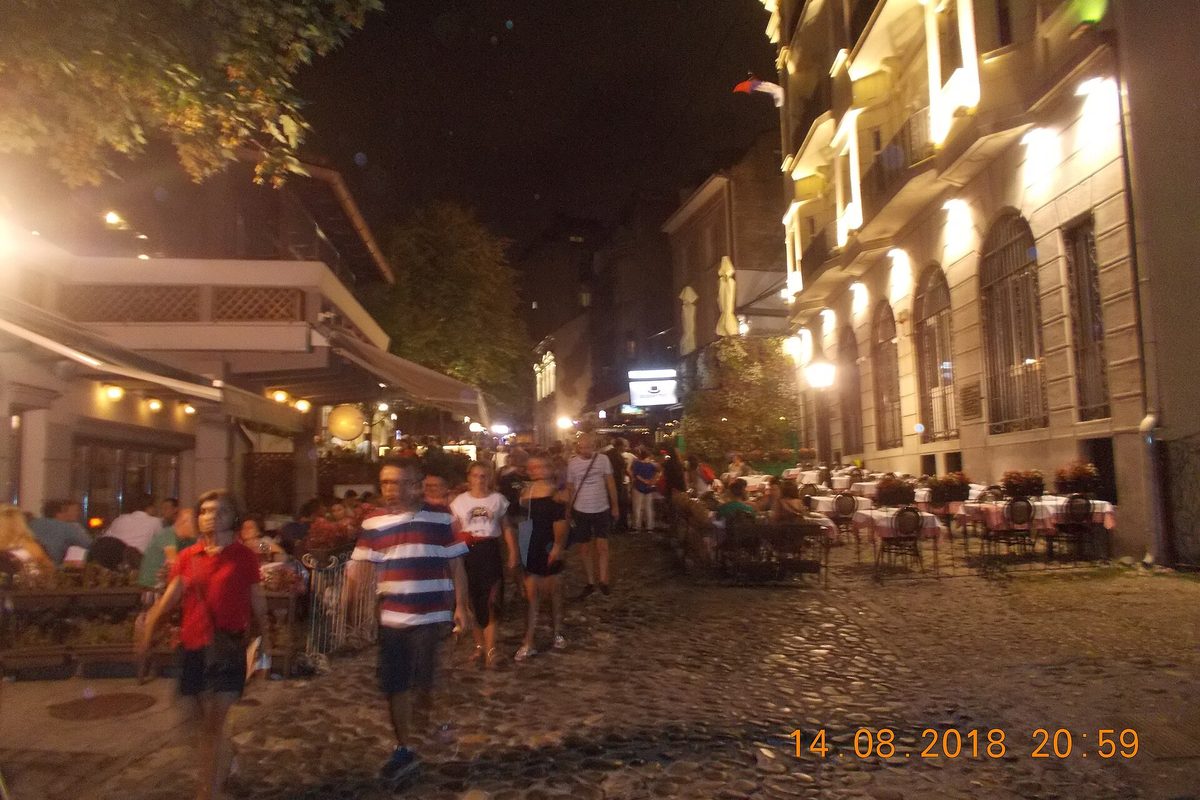
Slow travel from Belgrade to Sarajevo
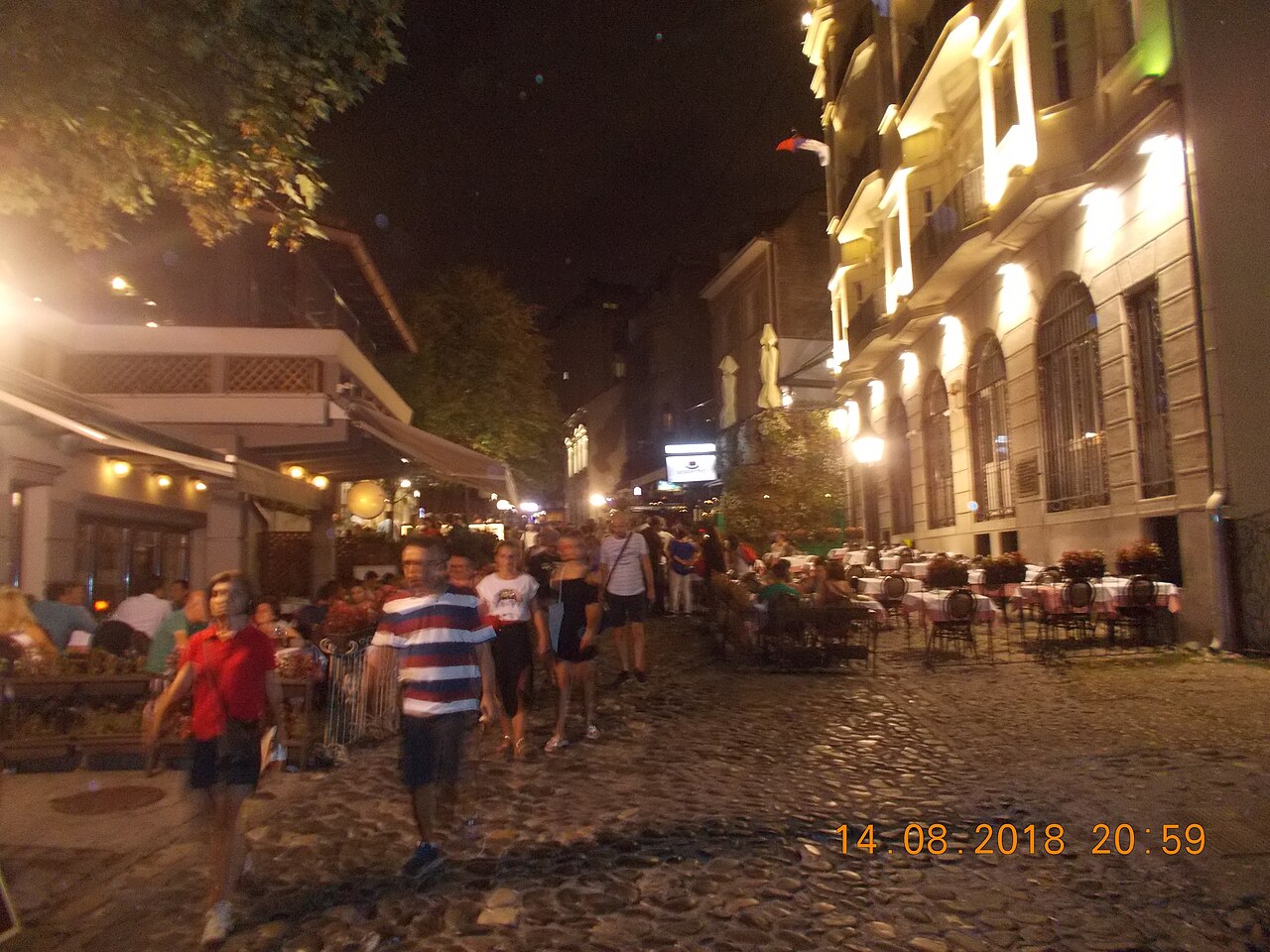
Photo: Rudolph.A.furtado / CC0 / Wikimedia Commons
There is a specific kind of magic in the uncertainty of hitchhiking. It comes from a willingness to let the road decide the destination, turning a simple trip into a series of unplanned encounters. For those seeking off-beat Balkans travel, the stretch between Belgrade and Sarajevo is more than a distance to cover; it is a story to experience. A bus might get you there in a few hours, but it removes the texture of the landscape and replaces the journey with the sterile hum of an air-conditioned cabin.
Taking the scenic route from Belgrade to Sarajevo turns the trip into a sensory exploration. Instead of the highway, you find yourself on winding secondary roads with weathered asphalt where life slows down. The contrast is clear. Fast transit treats the Balkans as a blur of green and grey, but slow travel reveals the hidden gems Serbia and Bosnia have to offer. You stop at roadside cafes for strong coffee and long conversations, seeing the architecture of rural villages that the main roads bypass.
The feeling of this journey is one of gradual revelation. It starts with the urban energy of Belgrade, a city of grit and grandeur, and slowly shifts into the rolling hills and deep river valleys of the interior. As you move toward Sarajevo, the landscape changes from the wide plains of the Danube basin to the jagged peaks of the Dinaric Alps. You feel a transition as you cross the border, moving from the Serbian heartland into the layered history of Bosnia.
This route teaches you how to be present. By rejecting the efficiency of a modern commute, you see the raw beauty of the region. You see mist clinging to the mountains and ancient stone bridges over turquoise streams. This is the point of the slow route: the realization that the most valuable part of the trip is not arriving in Sarajevo, but the quiet, unexpected moments found along the way. It is a journey that requires patience and rewards curiosity with a better understanding of the land.
Preparing for off-beat Balkans travel
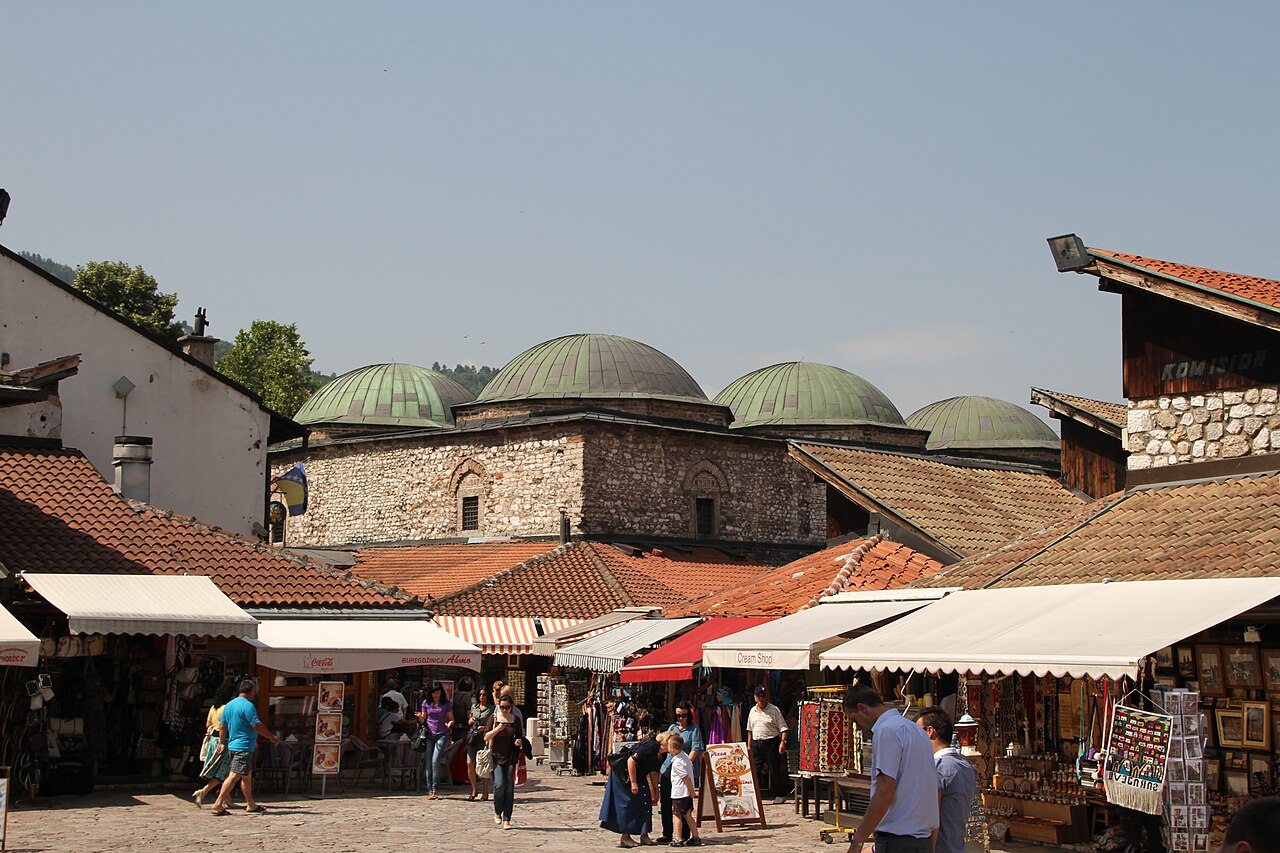
Photo: Bjoertvedt / CC BY-SA 3.0 / Wikimedia Commons
Stepping away from tourist hubs requires a mindset shift and a specific kit. When you commit to the backroads, you trade predictable hotels for rural hospitality. To find the hidden gems Serbia and Bosnia offer, your preparation should focus on flexibility and respect for the local pace of life.
If you plan on exploring the countryside via rural hitchhiking, your gear should be practical. A high-visibility vest is essential; it signals your intent to drivers and increases safety on narrow mountain roads. Carry a sturdy, waterproof backpack and a portable power bank, as electricity can be spotty in remote villages. Most importantly, keep a physical map. While GPS is useful, signal drops are common on the scenic route from Belgrade to Sarajevo, and a paper map helps you communicate with locals who may not speak English.
Cultural etiquette is important in the Balkans. In Serbian and Bosnian villages, social life is built on kinship and generosity. When entering a home, remove your shoes. If you are offered rakija, the local fruit brandy, it is polite to take at least a small sip. Avoid discussing sensitive political histories unless your host brings them up first. A few basic phrases in Serbian or Bosnian, such as "Hvala" (thank you) and "Dobar dan" (good day), will open doors. Showing a genuine interest in the local way of life is the fastest way to discover the true hidden gems Serbia and Bosnia have to offer.
Safety for slow travel here is less about crime and more about the environment. The roads are winding and can be treacherous during autumn rains or winter snows. Check local weather reports before heading into the highlands. When hitchhiking or using local buses, keep valuables in a small cross-body bag. Be mindful of unexploded ordnance (UXO) signs in remote, forested areas of Bosnia; stick to established paths and avoid unmarked ruins.
Finally, embrace the concept of "polako," or the art of taking it slow. This kind of travel is not about ticking boxes on a list. It is about a three-hour coffee conversation with a farmer or an unplanned detour to a riverside village. By packing light, respecting local norms, and prioritizing safety, you turn a simple trip into a cultural immersion. Whether you are tracing the scenic route from Belgrade to Sarajevo or getting lost in the Drina Valley, the best experiences happen when you are prepared for the unexpected.
Leaving Belgrade: The first hidden gems of Serbia
As you leave the concrete sprawl of the capital, the landscape changes quickly. The grey industrial edges of Belgrade dissolve into rolling emerald hills and dense forests. This transition from urban chaos to rural serenity is the first reward of a scenic route from Belgrade to Sarajevo. The air grows cooler, traffic thins, and the pace of life slows, signaling the start of the adventure.
Your first destination should be the Sumadija region, the heart of Serbia. While most tourists bypass this area for the coast or the capital, Sumadija is where the soul of the country resides. The region consists of orchards and vineyards where the hills ripple. Stop in the small town of Topola, the ancestral home of the Obrenovic dynasty. Here, you can explore the royal vineyards and taste local wines that are rarely exported. Sumadija is a place of wooden fences, grazing livestock, and a sense of peace that contrasts with the energy of Belgrade.
To experience the hidden gems Serbia and Bosnia travelers seek, you must venture off the main highways. Secondary roads wind through villages where time seems to have paused. Look for small, family-run "kafanas" on the roadside. These are rustic eating houses where the menu is whatever the owner cooked that morning. Order the "sarma" (cabbage rolls) or a platter of grilled "ćevapi" with fresh onions and homemade ajvar. These local food stops in small Serbian towns offer a glimpse into Serbian hospitality. A meal often turns into a long conversation with a local farmer about the history of the land.
Continuing westward, the scenery becomes more dramatic. The road carves through deeper valleys and limestone cliffs. This stretch is essential for anyone leaving the highway, as it reveals the raw beauty of the Serbian countryside. You will pass through forests of ancient oak and beech, where the only sound is the wind and the occasional chime of a distant church bell.
Capturing this transition requires a slow approach. Stop at a random overlook to watch the mist in the valleys of the Sumadija hills. The shift from the brutalist architecture of the city to the thatched roofs and stone walls of the rural interior shows the region's complexity. By the time you leave the Serbian heartland and head toward the Bosnian border, you have moved beyond the typical tourist circuit. You are navigating the hidden arteries of the country. This segment of the scenic route from Belgrade to Sarajevo prepares you for the rugged terrain and history that await you in Bosnia.
Crossing the border: Nature stops and rural Bosnia
Leaving the Serbian plains and moving toward the border is where the essence of the trip reveals itself. As the landscape shifts from rolling hills to the limestone peaks of the Dinaric Alps, the road becomes about unexpected discoveries. The transition into Bosnia and Herzegovina is a plunge into a world of rugged beauty and stillness. For those following a scenic route from Belgrade to Sarajevo, the stretch immediately following the border crossing is often the most rewarding part of the journey.
One of the most striking features of this region is the Drina river valley. The water is a crystalline emerald that contrasts with the deep greens of the forests. Driving along the valley, you will find vistas that feel untouched. The river winds through steep canyons, and there are unmarked pull-offs where you can stop to listen to the water. This area is a treasure trove of hidden gems Serbia and Bosnia travelers often overlook. The scale of the valley is humbling, with sheer cliffs rising hundreds of feet above the riverbed.
Beyond the river, rural Bosnia has a network of hidden waterfalls and mountain passes. These are not manicured tourist sites, but raw, wild spaces. You might find a cascading fall behind a thicket of beech trees or a mountain pass with a view of the Balkan highlands. Navigating these roads requires patience, as the asphalt often gives way to gravel, but the reward is a sense of isolation. These passes connect isolated peaks and show the geological forces that shaped this part of Europe.
However, the heart of the experience is the interaction with the people. In remote Bosnian hamlets, a stranger is often treated as a guest. It is common to be waved over by a local farmer or invited for coffee in a small, family-run cafe that does not appear on a digital map. These encounters are the gold standard of slow travel. Whether it is a conversation about the village or a shared plate of homemade pita, these moments provide human context to the landscape. The hospitality in these rural areas is sincere and values generosity over commercialism.
As you wind deeper into the territory, the architecture of the hamlets tells a story. You will see stone houses with steep roofs designed for heavy winter snows and small gardens with organic produce. The pace of life here is dictated by the sun and the seasons, a contrast to the urban energy of the cities. By slowing down and venturing off the main highway, you uncover the spirit of the region. These small villages are the true hidden gems Serbia and Bosnia borders protect, offering sanctuary for those who seek silence.
Continuing along the scenic route from Belgrade to Sarajevo, the road eventually flattens as you approach the basin of the capital. But the memory of the rural highlands lingers. The combination of the Drina river, the mountain waterfalls, and the warmth of the Bosnian people creates a travel narrative that is richer than a standard tour. In these quiet, unmapped spaces, the magic of the Balkans is most potent, proving that the best way to see the world is often to get a little bit lost.
The road to Sarajevo: Final hidden gems and landscapes
As you push deeper into the region, the landscape shifts from the rolling hills of central Bosnia into the jagged peaks of the Dinaric Alps. This stretch is where the scenic route from Belgrade to Sarajevo reveals its power. The road winds through limestone canyons and pine forests, offering a sense of isolation that is rare in Western Europe. For those committed to the scenic route, these mountain passes are destinations in themselves. The air grows thinner and colder, and the vistas reveal deep valleys where the only signs of life are solitary shepherds and small villages clinging to the cliffs.
Beyond the natural grandeur, the road is dotted with small-town architecture that tells a story of overlapping empires. In these quiet settlements, you will find Austro-Hungarian influence blended with Ottoman styles. You might see a Baroque town hall a few blocks away from a centuries-old mosque, or a weathered stone bridge that survived multiple wars. These hidden gems Serbia and Bosnia travelers often overlook provide an intimate look at the region's history. Stopping in these towns allows you to experience the slow pace of rural life, where a cup of strong Bosnian coffee in a local kafana is the primary social currency.
Navigating the rugged terrain of the Dinaric Alps requires patience. The roads are often narrow, with sharp hairpin turns. However, the reward is the discovery of nameless waterfalls and turquoise streams that carve through the white rock. These natural landmarks are the essence of the region's appeal, offering silence before the final descent into the urban bustle. The contrast between the grey limestone and the green of the alpine meadows defines the approach to the capital.
As the horizon reveals the silhouette of Sarajevo, the sensory experience shifts. The scent of pine and damp earth is replaced by the smell of charcoal grills and roasting meat from street vendors. The silence of the mountains gives way to the sound of traffic and the distant call to prayer echoing through the valley. Approaching the capital from this direction allows you to feel the transition from the wild nature of the interior to the multicultural energy of the city. The descent is a gradual awakening, where the ruggedness of the Dinaric Alps blends into the streets of the city.
This final leg of the journey is a transition of the spirit. By choosing the scenic route from Belgrade to Sarajevo, you have bypassed the sterile highways for a path that demands engagement. You have seen the scars of history in the stone walls of small towns and the timelessness of the mountains. These final landscapes remind us that the true value of exploring the Balkans lies in the spaces between the major cities, where the land still speaks its own language and the hidden gems remain untouched by mass tourism.
Lessons from the road: Reflections on the scenic route
Looking back at the journey, the most impactful hidden gems were not the famous monuments, but the unplanned stops. From the quiet riverside cafes in rural Serbia to the mountain passes of Bosnia, the real value of off-beat Balkans travel lies in the gaps between the major cities. These moments, such as a shared coffee with a local farmer or a sudden detour to a forgotten waterfall, provide a level of authenticity that a standard tour package cannot replicate. When you prioritize the journey over the destination, the landscape becomes a teacher.
Choosing a scenic route from Belgrade to Sarajevo changes your perspective of the region. Instead of seeing the Balkans as a series of fragmented borders or conflict zones, you see shared traditions and natural beauty. Slow travel forces you to engage with the rhythm of the land. It transforms the trip from a checklist of sights into a visceral experience of geography. You notice the subtle shift in architecture as you cross borders and the way hospitality remains constant regardless of the language spoken. This pace allows for a deeper emotional connection to the territory, revealing a side of the Balkans that is welcoming and peaceful.
For those planning their own adventure, the best advice is to embrace uncertainty. The most rewarding parts of exploring hidden gems in Serbia and Bosnia are often the ones you did not plan for. Do not over-schedule your days. Leave room for the wrong turn that leads to a stunning vista or the conversation that lasts longer than expected. Pack light, stay flexible, and be prepared to deviate from the GPS.
True adventure requires a willingness to be uncomfortable and a curiosity about the mundane. Whether you are navigating winding mountain roads or trying to communicate through hand gestures in a remote village, remember that the goal is not efficiency. The goal is discovery. By stepping away from the tourist hubs and leaning into the slow lane, you will find that the Balkans offer a richness of experience that rewards the patient and the brave.
Frequently asked questions
Is hitchhiking safe in Serbia and Bosnia?
Safer than you might expect, but the real risk is the environment, not crime. The roads are winding and treacherous during autumn rains or winter snows, so check local weather before heading into the highlands. In forested areas of Bosnia, respect the unexploded ordnance signs: stick to established paths and avoid unmarked ruins.
What should I pack for the Belgrade to Sarajevo route?
Practical gear beats gadgets here. Bring a high-visibility vest for the narrow mountain roads, a waterproof backpack, and a power bank, since electricity can be spotty in remote villages. Keep a physical map too: GPS signal drops are common on the scenic route, and a paper map helps you communicate with locals who do not speak English.
What etiquette should I follow in Serbian and Bosnian villages?
Remove your shoes when entering a home, and if you are offered rakija, the local fruit brandy, take at least a small sip. Avoid sensitive political history unless your host raises it first. A couple of phrases open doors: "Hvala" for thank you and "Dobar dan" for good day.
Where should I stop between Belgrade and Sarajevo?
Start with the Sumadija region, especially Topola with its royal vineyards and wines rarely exported. On the road, look for family-run kafanas serving sarma or grilled cevapi with ajvar. Once across the border, the emerald Drina river valley and the mountain passes of the Dinaric Alps reward the slow pace.
Official sources
Details worth verifying before you go — checked against:
Travel Writer & Editor
Emily Johnson writes and edits Do Travel Blog. Every guide on the site starts the same way: with a question she actually had while planning — when to book, which pass to buy, how to get from A to B without overpaying. Where a number matters, she cites the source: park tickets link to the park's own fee page, visa rules to the official consulate, ferry times to the operator. Prices get re-checked against those pages before each update, and a guide is re-dated when its numbers move. Nothing here is sponsored — she doesn't accept payment for coverage. Spotted something stale or wrong? Email hello@dotravel.blog and she'll fix it.