Best Tequila Farms to Visit in Jalisco
Discover the best tequila farms Jalisco offers. Book agave farm tours and visit tequila ranch estates for authentic tasting with farmers.
Why Tour Family-Owned Tequila Farms in Jalisco
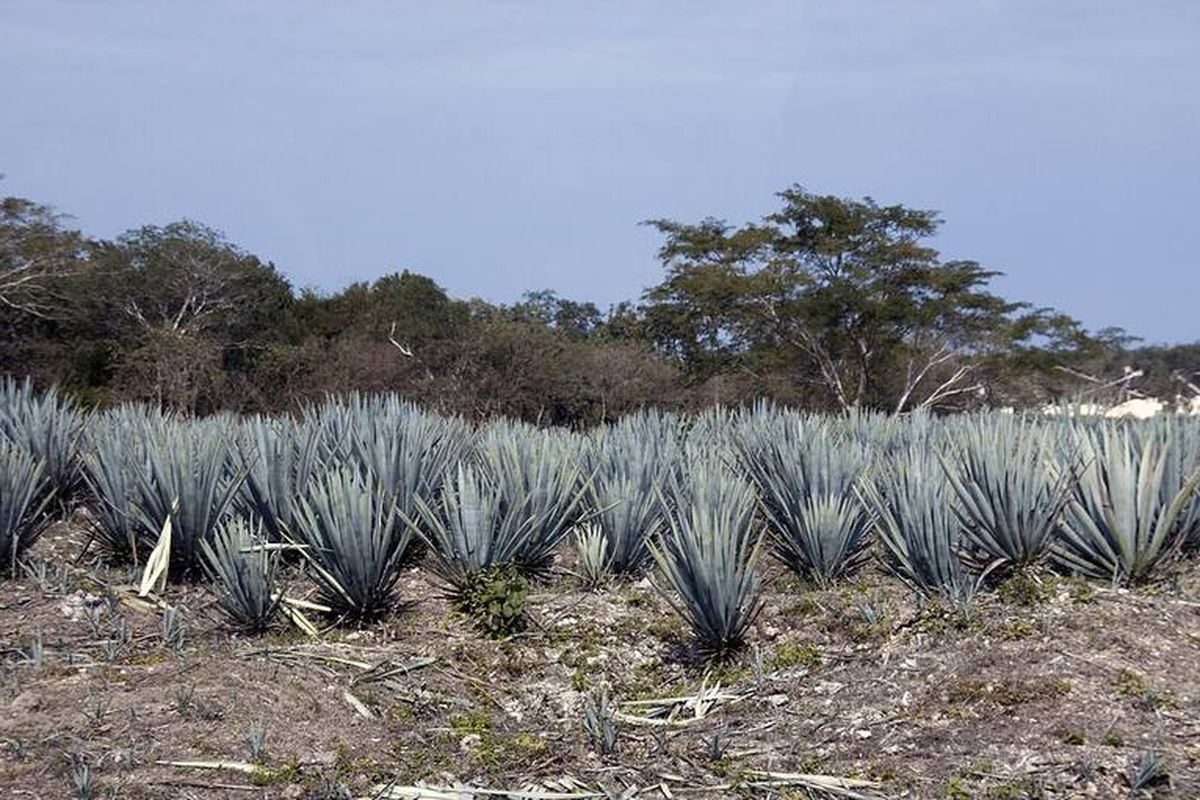
Travelers planning a trip to Mexico's tequila heartland will find that the best tequila farms in Jalisco are often the small, family-owned estates that have cultivated blue agave for generations. This guide focuses on those independent farms and distilleries, skipping the large industrial brands to show the people behind the bottles. For those who want agave farm tours that go beyond a standard visitor center, these ranches open their fields and roasting ovens to guests. Visiting tequila ranch properties with the farmers who tend them gives a kind of authenticity that mass-market tours lack. Across the Los Altos highlands and the historic Valley of Tequila, family operations such as Cascahuin and El Tequileno welcome small groups to walk the agave rows, watch the harvest with a coa knife, and taste spirits straight from the barrel. Many of these estates produce organic tequila using traditional methods, and some offer a farm stay so visitors can wake to the smell of cooking agave. The appeal is direct: real tasting experiences with the farmers themselves, who share stories of land and family recipes. Readers will learn which family-owned farms fit an itinerary, what happens during a working distillery visit, and how to book stays that support local producers. The article also covers travel logistics between the highland towns and the valley, plus tips for respecting harvest seasons. With that, planning a tequila route through Jalisco gets easier.
Jalisco's Agave Growing Regions
Los Altos Farms and Highland Agave
The Los Altos region of Jalisco sits at an elevation of roughly 2,000 to 2,400 meters above sea level. It is a high plateau with crisp air and rolling terrain of red volcanic clay. This terra roja soil is rich in iron and low in organic matter, so agave roots dig deep for nutrients and the plants develop concentrated character. Travelers researching the best tequila farms in Jalisco will find that highland estates dominate the region with generations of cultivation expertise.
Agave tequilana Weber azul grown in these highlands matures over seven to nine years, nearly two years longer than lowland cousins near the town of Tequila. Cooler nights and intense daytime sun build higher sugar levels in the pinas, often reaching 24 to 26 Brix at harvest. Distillers confirm that highland agave yields a sweeter, more floral tequila with fruity notes, a profile prized by small-batch producers. When visitors book through local cooperatives, they taste this sweetness next to valley expressions.
Family-owned operations define the Los Altos landscape. The Romo family tends 55 hectares near Jesus Maria, harvesting by hand with coas dating to 1954. At Rancho Los Altos, a third-generation estate founded in 1968, annual production stays under 5,000 bottles so each batch reflects the soil. These highland estates welcome guests for a farm stay, letting slow travelers wake to the smell of roasting pinas and join the jimador in the field. A farm stay in the highlands averages about 1,200 Mexican pesos nightly with meals, a budget-friendly alternative to resort stays in Guadalajara. To visit tequila ranch properties like these, plan a three-night stay in Arandas and reserve directly with the family to support local budgets.
Valley of Tequila Ranches and Lowland Agave
The Valley of Tequila lies in flat lowlands southwest of Guadalajara. Volcanic ash from the Tequila Volcano has enriched the soil there for centuries. This plain became a UNESCO World Heritage site in 2006 and grows agave with an earthy sweetness found in many of the best estates in Jalisco. Travelers who book a visit walk rows of blue agave on ranches that have operated for centuries, some from the 1700s. Historic haciendas including Hacienda La Rojeña, founded by Jose Cuervo in 1795, and Hacienda Los Lobos still distill tequila and let guests walk the ranch grounds. Family-owned ranches such as Rancho El 15, started in 1930, host slow-travel stays where visitors join harvest festivals and learn traditional roasting. The valley is the center of lowland production. Its flat land makes farm stays easier to reach than the rough highland trails. Highland farms to the east sit at 2,000 meters with red clay soil that gives agave brighter citrus and floral notes. Highland farms make sought-after organic labels, but the valley's volcanic ground produces a rounder, more herbal taste with cooked agave and mineral hints. Because the valley sits near Tequila town, many ranches sell tasting passes for under $20. That lets slow travelers spend several days visiting estates without spending much.
How Soil and Climate Affect What You Taste
The highlands of Los Altos and the lower valley produce markedly different spirits because of soil composition and climate. The best tequila farms in Jalisco are split between these two zones, and agave farm tours in each reveal why. Highland estates sit at elevations near 2,100 meters where red volcanic soils and cool nights slow agave maturation, concentrating sugars. The resulting tequila often shows floral, citrus and vanilla notes on the tasting room palette. In contrast, the lowlands around the town of Tequila sit at 1,200 meters with iron-rich clay that yields earthier and peppery profiles, sometimes with smoke. Readers planning a visit should match region to palate. Those who enjoy bright, sweet aromas will prefer highland estates such as Tequila Ocho's Rancho El Refugio, where the 2023 harvest delivered peach and cooked agave on the tasting room nose. Travelers drawn to savory spirits should book tastings in the lowlands, like Casa Herradura's Hacienda San Jose del Refugio, founded in 1870, where the tasting room emphasizes roasted pepper and wet stone. Sustainable farming practices now shape many family operations. Organic tequila certification under Mexican norm NOM-070 requires zero synthetic pesticides, and ranches like G4 in Los Altos report 30 percent water savings through rainwater capture since 2019. Visitors on a farm stay at Rancho La Purisima can join composting work and see cover-cropping that protects slopes from erosion. Choosing between regions is practical because a slow-travel budget favors one cluster to avoid long drives. Farm stays in Los Altos tend to run around 90 USD per night with breakfast, while Valley ranches sit closer to 70 USD, letting travelers pick by taste and cost.
Top Family-Owned Tequila Farms in Los Altos
Visiting G4 Tequila's Family Distillery
The G4 Tequila estate in Jesus Maria is one of the better tequila farms in Jalisco for travelers who want a slow, hands-on visit. Felipe Camarena runs a fourth-generation family operation that has grown blue agave on the same highland ground since 1937. He works with his sons to manage 40 hectares of organically certified fields and avoids synthetic fertilizers, a choice that shows in the clean, mineral style. Guests walk into the mature agave rows with a Camarena family member. The ranch visit covers the full cycle from planting to harvest, then goes to the small distillery where batches under 3,000 liters ferment in open wooden vats. Copper pot stills produce a crisp blanco that shows the highland terroir. G4 bottles by hand and ages select lots in American oak for 18 months, instead of using industrial methods. The family interaction is what sets the stop apart. Felipe often leads the tasting himself and explains why the family waits 8 years for peak agave sugar instead of rushing the crop. Visitors cut a pencil-sized sample from the pinas to taste the raw sweetness, something a standard tour does not offer. Tours run Tuesday through Saturday by reservation only, capped at 12 people, with a $55 USD fee that covers a three-hour walk and a five-expression tasting. Two restored adobe cabins are available for $90 per night, letting guests extend the slow-travel pace into the Jalisco countryside.
Terralta Small-Batch Agave Farm Tour
The Terralta small-batch agave farm tour is on the Vivanco family estate in Jesus Maria in the Los Altos highlands of Jalisco. The ranch has grown blue agave since 1959 and earned USDA and EU organic certification in 2018. Visitors on the tour walk through a working farm that stays quiet compared with the busy lowland estates. The guided walk covers 14 hectares of blue agave at 2,100 meters, from the fields to the still. Guides explain how piñas mature eight to nine years before jimadores cut them by hand with coa knives. The route goes to a stone tahona wheel and copper pot stills where batches under 3,000 liters ferment with wild yeasts. The family skips synthetic fertilizer, so the tequila tastes clean and mineral. In the adobe tasting room, Vivanco family members pour blanco, reposado aged six months in American oak, and a limited anejo. Guests sit at a long table while the patriarch talks about harvests in the 1970s. Travelers can book a night in a restored casita for $65, with breakfast from local markets. The casita costs less than nearby hotels. A standard tour ticket is $28 and includes the walk, tasting, and a discount on a bottle. Terralta's close work with the family from field to still makes it one of the better agave visits in Jalisco.
Staying at a Los Altos Agave Hacienda
Travelers looking for the best tequila farms in Jalisco should skip the day trips and stay overnight at a working agave hacienda in the Los Altos region. Family-owned estates like Hacienda La Providencia near Tepatitlán have grown blue agave across 85 hectares since 1948. A stay there puts guests in restored stone quarters with a view of the fields, and meals use produce from the estate. This slow travel setup lets visitors follow the rhythm of agave life instead of a scripted tasting. Morning work on these estates often starts with planting. From May to July, guests help the González family set agave pups into cleared rows and hear about the eight-year cycle the plants need. November is the busy harvest. Visitors work with jimadores using coa knives to cut mature piñas that weigh 30 to 50 kilograms. In the evening the group roasts the hearts in a stone horno and tastes unaged spirit from the still. The easiest way to book is through a specialized operator. Jalisco Slow Travel in Guadalajara sells a two-night hacienda stay with farm tours and a ranch circuit that visits three family distilleries in the region. Packages start at 240 US dollars per person with transport from the city. Travelers meet the farmers behind the bottle and learn the full process from soil to glass. Three days is enough to understand the craft. Guests leave with a signed harvest log and a numbered bottle of small-batch organic tequila from their visit. For those mapping the highland estates, a hacienda overnight is the real starting point. Almost all of these plans start in Guadalajara, and I check what the flight costs before reserving the hacienda — running my dates through the flight search I use first tells me whether the whole trip fits the month's budget.
Best Tequila Ranches in the Valley of Tequila
Casa Urbina Traditional Ranch Tour
Casa Urbina is a family ranch in the Valley of Tequila where the Urbina family has grown blue agave on the same land since 1924. The larger distilleries near Los Altos use industrial methods, but this estate still works the way it did four generations ago. People who book the farm tour see a production cycle that has stayed the same for nearly a century. The ranch cooks with a traditional horno, a conical stone oven where the harvested piñas roast for three days over volcanic rock. After cooking, the soft agave goes to a tahona, a two-ton stone wheel that a mule pulls to crush the fibers into sweet must. This simple process makes a small batch that shows the valley's mineral soil without added chemicals. The tasting is run by the farmers. Don Ernesto Urbina and his son walk guests through their blanco and aged reserve, explaining each step in the hacienda courtyard. The buildings come from the 1880s hacienda and keep their thick adobe walls, arched walkways, and a central fountain that once served the agave workers. Travelers can stay in restored adobe rooms and wake to the smell of roasting agave before joining the morning harvest.
El Tesoro Valley Ranch Tasting
Travelers looking into tequila farms in Jalisco often list El Tesoro Valley Ranch as one of the better estate visits in the Tequila valley. The 92-hectare property sits at 1,300 meters elevation near the town of Tequila, where the Salinas family has grown blue agave since 1994. The ranch makes a small-batch valley tequila and caps output at 7,500 bottles a year, so each batch shows the harvest conditions of its single estate. A visit starts with a walk through rows of 8-year-old agave fertilized with compost from the distillery's own bagasse. Tours here skip the bus crowds. Guests see the traditional horno masonry oven and the 2-ton volcanic stone tahona wheel that has been in use since 2002. El Tesoro received organic certification from Certimex in March 2021, and every bottle carries a lot number tied to its field block. Owner Don Roberto Salinas runs limited tours only on Tuesday and Thursday mornings, with at most 8 guests per session. He leads the tasting of five expressions himself, including the 2022 blanco and a 2018 extra anejo aged 36 months in American oak. The ranch also has a farm stay in two restored adobe casitas at $140 per night, with breakfast from the garden. For slow-travel planners, the $95 tasting fee covers transport from Tequila town center and a written harvest log. Reservations open 30 days ahead and sell out within a week, which is why El Tesoro stays on the short list of Jalisco tequila farms offering real owner-led visits.
Agave Farm Working with Local Farmers
Travelers researching the best tequila farms in Jalisco should look past the large industrial distilleries and consider the family-run ranch operations in the region that focus on sustainable agriculture. Rancho El Mirador is one such operation: a 95-hectare certified-organic estate 8 km outside Tequila town where local farmers have practiced dry-land agave cultivation since 2015. The ranch skips synthetic pesticides and uses cover cropping and composting to keep soil healthy. Certimex granted it organic certification in March 2021. Community-led tour operator Campesinos del Agave runs the agave farm tours here, and all 14 farming families who work the fields receive the guide fees in full. Visitors to this kind of tequila ranch walk a three-hour route that explains the 8-year growth cycle of blue agave and the traditional horno roasting method. Each booking includes a 45-minute workshop on watershed protection in the Rio Santiago basin and the role of bats in pollinating wild agave. The ranch limits groups to 10 people, smaller than the busier estates to the north, and offers a farm stay in restored adobe cabins at 85 USD per night, which fits a slow-travel budget. Community-led models like this one show how organic tequila production can support rural livelihoods and protect the land. After reintroducing hedgerows, the ranch reported more native bird species on its fields.
Farm Stays and Tasting Rooms
Overnight Stays at Agave Farms
Travelers hunting for a farm stay often miss out by not staying overnight at a farm. Across the Valles region, several family-owned estates sell packaged stays. In the valley, Rancho La Purisima runs a two-night farm stay from $180 per person, including guided tours and three tastings of the estate spirits. Further north in the Los Altos belt near Tepatitlan, Hacienda El Carmen offers a three-day package at $240, with hands-on jimador training and meals from the on-site market garden. These highland estates farm organically and limit sulfur use during fermentation to keep the agave terroir intact.
Sleeping on a working ranch means early mornings. Guests at visit tequila ranch properties like Los Abuelos in Amatitan wake to roosters at 5:30 a.m. as crews start harvesting blue agave. Rooms are basic: whitewashed walls, cotton linens, and ceiling fans instead of air conditioning. The payoff is quiet nights and clear stars.
Slow-travel planners suggest contacting farms directly. Most small distilleries have fewer than six rooms, so booking through their own websites gets better rates than third-party sites. May and September are slower months with smaller crowds and often a 15% discount on multi-night stays. Travelers who say they care about budget planning may get a free farm-to-table breakfast.
Tasting Rooms Run by Farmers
The tasting room at a family-run agave farm looks nothing like the polished visitor centers of industrial distilleries. At estates such as Rancho Tapatio, a 40-hectare plot near Tepatitlan, the tasting room is a shaded courtyard with a wooden bar built from repurposed agave poles. Visitors sit on hand-carved stools while the farmer pulls small batches from stainless steel tanks behind him.
Booking Through Local Tour Operators
Local tour operators are the main way to reach the best farms in Jalisco, especially for travelers who skip the commercial distillery buses. In the Valley of Tequila and the high plains of Los Altos, independent guides like Jalisco Hidden Trails (founded 2018) and Agave Road Custom Tours set up direct visits to family estates that mass itineraries leave out. They arrange transport, translation, and tasting slots with farmers whose families have worked the land for three generations. A custom private farm tour booked through a local operator runs $95 to $140 per person for a six hour circuit with two or three estate visits and a farm lunch of roasted agave and a tasting. Group sizes stay at six to eight guests. This keeps the small ranches, such as Rancho El Pitayo near Atotonilco, from feeling crowded. Walk up visitors to the popular estates often wait in lines of 40 plus on weekend peaks. For travelers who want to stay overnight at tequila ranch properties, operators like Los Altos Agave Experiences bundle a farm stay with morning harvest demos. Booking through a trusted local operator tends to cut hidden fees compared with online resellers. Operators also schedule around harvest cycles so travelers can watch piña cutting between November and March. This farmer first approach is what makes the region's best agave farm tours work.
Plan Your Jalisco Tequila Farm Trip
Travelers tracing the best tequila farms in Jalisco will pass through two growing zones with different characters.
Official sources
Details worth verifying before you go — checked against:
Travel Writer & Editor
Emily Johnson writes and edits Do Travel Blog. Every guide on the site starts the same way: with a question she actually had while planning — when to book, which pass to buy, how to get from A to B without overpaying. Where a number matters, she cites the source: park tickets link to the park's own fee page, visa rules to the official consulate, ferry times to the operator. Prices get re-checked against those pages before each update, and a guide is re-dated when its numbers move. Nothing here is sponsored — she doesn't accept payment for coverage. Spotted something stale or wrong? Email hello@dotravel.blog and she'll fix it.