Slow Travel in Tuscany: Avoiding the Tourist Rush
Slow travel Tuscany guide: avoid tourist rush with authentic Italy travel. Deep itineraries, off-path towns, and local culture for real exploration.
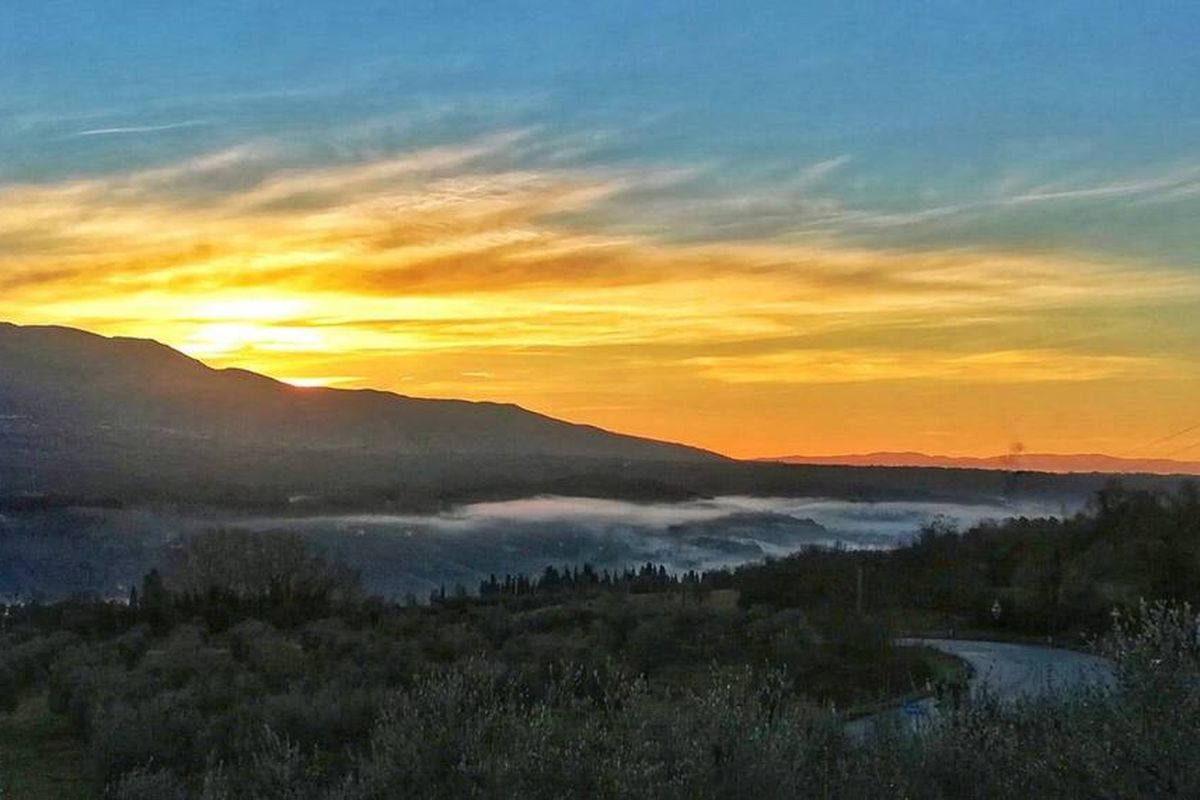
Slow Travel in Tuscany Explained
What Slow Travel Means in Tuscany
Slow travel Tuscany means settling into one region for weeks rather than days, treating a single village or valley as a home base instead of a photo stop. Instead of racing through a checklist, you rent a cottage outside Lucca or an apartment in Montepulciano and live there long enough to fall into the local rhythm. The pace allows mornings at the bakery, afternoons exploring nearby trails, and evenings where the same trattoria owner remembers your order. This approach to authentic Italy travel values depth over distance.
Contrast that with the common 3 cities in 5 days plan that packs Florence, Siena, and Pisa into a single exhausting sprint. Travelers on such schedules spend more time on trains and bus tours than in conversation with residents. They see the highlights through a lens of crowds and tick-box tourism, then leave without understanding how the region actually functions. The whirlwind model maximizes landmarks visited but minimizes meaningful connection.
Tuscany's compact but layered geography makes slow travel especially rewarding. The region is small enough that you can reach the coast, rolling vineyards, and hill towns within an hour, yet it holds remarkable diversity. One week in the Val d'Orcia reveals Etruscan ruins, working farms, and quiet monasteries, the next uncovers Maremma beaches or Chianti cellars. This density means staying put still offers constant discovery.
By choosing depth over distance and avoiding tourist traps Italy visitors often hit, you find off the beaten path Tuscany experiences: a harvest festival in a hamlet of fifty people, a ceramics workshop in a family garage, or a dawn walk through fogged olive groves. The reward is a true sense of place.
Why Local Stays Beat Rushed Sightseeing
Staying in one Tuscan village for a week shows more than a tour of three cities would. The core of slow travel is building local relationships that turn a trip into a lived experience. When you rent a cottage outside Montepulciano, the neighbor who lends you eggs soon invites you to press olives with his family. You learn regional dialect words, hear stories about the 1966 flood, and taste pecorino aged in cellar caves. That kind of experience cannot be scheduled between museum openings. Consider the fatigue of queueing at the Uffizi Gallery in Florence. In July, visitors often wait over ninety minutes in a roped line, then shuffle through crowded halls for a thirty second glimpse of the Birth of Venus. Compare that with a late morning walk through a small vineyard near Greve, where the owner pours Vernaccia straight from the barrel and explains why the south slope ripens later. No tickets, no headphones, no exhaustion. This is off the beaten path tuscany at its best, where depth replaces checklist tourism. Memory works in favor of the slow approach. Cognitive research on travel recall shows that spaced, sensory rich encounters are retained far longer than rapid sightseeing bursts. A guest who helps rake grapes in September remembers the smell of must for years, while the Uffizi visitor forgets the queue by October. respecting local rhythms shows cultural humility. By avoiding the trap circuit and choosing family run lodgings, you put money into real households and learn customs first hand. That is the lasting value of staying local. Choosing a single base embodies this approach and yields stories no guidebook captures.
How Crowds Hurt Tuscan Towns
Florence in peak summer sees its narrow medieval streets packed shoulder to shoulder with day trippers. The Uffizi and Ponte Vecchio become bottlenecks where walking takes three times longer than necessary. In San Gimignano, the famous towers overlook squares so crowded that locals avoid the center entirely by mid morning. The town's charm disappears when every doorway sells the same mass produced trinkets instead of regional goods. This crowding drives price inflation that pushes out businesses serving residents. Rent for a shop on a main street in these towns has tripled in a decade as operators chase tourist euros. A bakery that once sold bread to neighbors closes because it cannot compete with a gelato franchise targeting visitors. The loss of local shops erodes the everyday fabric of a place, leaving a stage set rather than a living community. Choosing slow travel tuscany means staying longer in fewer places and spending at family run establishments. When visitors slow down, they eat at the trattoria where the owner farms the olives, not just the central pizzeria with a multilingual menu. This approach keeps money with residents and preserves the character that drew people in the first place. Skipping the hotspots is not about missing sights but about timing and pace that let towns breathe.
Planning a Quiet Tuscany Trip
Picking One Place to Stay
When planning a quiet Tuscany trip, the most important decision is where to sleep. For a week like this, we recommend booking one agriturismo in the countryside near Siena or Arezzo and using it as your only home for the week. An agriturismo is a working farm that rents rooms, often with vineyards or olive groves on site. Near Siena, Agriturismo Le Cetine outside Castellina offers rolling views and easy road access. Around Arezzo, La Pieve in the Valdichiana is a restored farmhouse with the same calm. Staying in one place lets you practice slow travel instead of treating Tuscany as a checklist. From a single base, your day trips should fall inside a 30 to 60 kilometer radius. That circle covers many towns without long drives. Near Siena, reach San Gimignano in 40 km, Montalcino and its Brunello cellars at 40 km, Pienza at 50 km, and Montepulciano at 60 km. From an Arezzo base, Cortona sits 30 km south, Anghiari is 40 km, and the forests of Casentino are within 50 km. Keeping distances short means you avoid the worst crowds, like Florence bus queues, and you still return to a quiet balcony each evening. Compare this with base hopping, where travelers change hotels every two or three nights. Moving between Florence and Rome eats half a day in packing, checkout, and transit each time. You see postcard squares but miss the texture of daily life. A single base makes all of this easier. You shop at the same market, learn the baker's name, and notice light on the cypress line. Off-the-beaten-path moments, like a harvest dinner with the farming family, only happen when you stay put. Plan your week with three or four day trips and leave the other days open. That unscheduled time is where the real Tuscany lives.
When to Visit to Skip Crowds
Timing is the first lever. The low season from November to March opens a different region. Hotels drop rates by 30 to 50 percent, restaurants serve without queues, and towns like Lucca or Montepulciano feel lived in rather than staged. Winter light is soft, mist sits in the valleys, and you can talk with a baker or vintner without a tour group hovering. Truffle hunts in November and carnival events in February add local color that mass visitors miss. Trains and rural buses run on time, and you can book a table at a sought after trattoria without a reservation weeks ahead. Evenings in an agriturismo with a fireplace cost less yet feel more genuine, a core part of the experience. Flights slide with the season too — when I plug the same quiet weeks into the flight search I use, the fares line up neatly behind those lodging discounts.
Shoulder months hold their own rewards. September brings the grape harvest, when small wineries invite guests to pick Sangiovese and press grapes by foot. October is olive harvest time; you can watch cold pressing and taste oil that never reaches export shelves. These are moments that beat any museum line. If you plan around them, you get shoulder-season Tuscany without the cold of winter, plus the landscapes are still green after summer heat.
One date demands caution. Mid August, especially around Ferragosto on the 15th, turns Tuscany into a bottleneck. Italians take national holiday, coastal and hill towns swell, parking vanishes, and prices spike. For quiet travel, skip August entirely. Choose the quiet months and your trip becomes real connection instead of a checklist.
Making a Loose Daily Plan
When practicing slow travel, treat your itinerary as a sketch instead of a fixed schedule. A sample 7-day loop could start in the hill town of Volterra, then go to the quiet villages of Murlo and Monticiano, continue through the less visited parts of Val d'Orcia, and finish in the chestnut forests of Casentino. This route stays away from the bus lines between Florence and Siena that most guidebook itineraries focus on. The point is to notice the region's daily pace instead of gathering photos.
Getting Around by Car Train or Bike
When practicing slow travel, the choice between car rental and regional trains shapes how your days unfold. Renting a car lets you reach hilltop hamlets like Montichiello or Castiglione d'Orcia that buses rarely serve. Parking in fortified towns such as Montepulciano is limited to lots below the walls, and ZTL restricted zones in historic centers can fine unauthorized drivers up to 150 euros. Most agencies require drivers to be at least 21 with a year of license, and automatic transmissions cost about 30 percent more than manual. Regional trains on the Firenze-Siena-Chiusi line run roughly every two hours, with single tickets from Siena to Chiusi costing about 12 euros. For slow travel, the train lets you read or watch vineyards pass without dealing with narrow lanes. Many slow travelers combine both: train to a hub like Buonconvento, then local bus or bike. The Val di Chiana has dedicated bike routes that avoid main roads entirely. The signposted Ciclopista della Val di Chiana runs 55 kilometers from Chiusi Scalo to Arezzo along a former railway embankment, with stops at wineries in Montepulciano for tasting Vino Nobile. Riders can cover flat sections in a half day, stopping at the Etruscan museum in Chiusi. This off-center approach keeps you away from bus tour queues. Walking trails between villages reward those who linger. The 7 kilometer footpath from San Quirico d'Orcia to Pienza follows the old pilgrimage route, taking about 90 minutes through cypress lanes. Another is the Sentiero dei Cacciatori linking Castellina in Chianti to Radda, a 12 kilometer hike with panoramas of vineyards. By choosing these means, skipping the crowds becomes natural because you arrive on foot or by bike when day-trippers have left.
Towns and Villages Few Tourists See
Val d'Orcia Past Pienza and Montalcino
Most visitors to the Val d'Orcia stop at Pienza and Montalcino, but the slow approach suggests driving south where the crowds thin out. The village of Castiglione d'Orcia sits on a ridge with a restored fortress and the nearby Rocca d'Orcia ruins. These stone remains date back to the medieval Aldobrandeschi family and offer wide views over the Orcia River valley. You can walk the quiet lanes without jostling tour groups, which shows a Tuscany that values place over photo ops.
Just a few minutes away, Bagno Vignoni presents a different kind of retreat. Instead of a central piazza, the village wraps around a rectangular pool fed by hot springs, and a small thermal creek runs below the cliff where steam rises in cooler months. Locals have used these waters since Roman times. Travelers seeking quiet will appreciate that the creek side path is free and nearly empty even in summer.
For hands-on experiences, book a morning at a small family farm in the surrounding hills. Several run by the same household for generations offer pecorino cheese tasting made from their own sheep milk. You sample aged wheels paired with honey while the farmer explains the seasonal grazing. This moment beats any crowded enoteca in the famous towns.
Maremma and the Etruscan Coast
The Maremma region in southern Tuscany moves at a different pace for slow travelers. Away from the bus tours of Siena and Florence, this coastal and hill area stays off the beaten path, with locals still setting the rhythm. Travelers who want the real thing will find towns that have barely changed in centuries. Pitigliano climbs out of a cliff of soft volcanic tufa, its pale stone houses piled above a ravine. Etruscans dug the town's caves and cellars, and the Jewish community used them later, which gave Pitigliano the nickname
Garfagnana Mountain Villages
The Garfagnana region sits in the northern Apennines, a part of the region far from the busy streets of Florence or Siena. Here, slow travel means settling into mountain villages where daily life continues much as it did generations ago. Two towns stand out for visitors who want authentic italy travel without the crowds that define the postcard circuit.
Barga is a medieval hill town with a well preserved cathedral and a network of narrow alleys that open onto small piazzas. The poet Giovanni Pascoli lived nearby, and his home is now a museum. You can spend a morning watching artisans or simply enjoy a coffee while locals do their shopping. Castelnuovo di Garfagnana is the area's main town, centered on a sturdy fortress built by the Este family. On market days the square fills with stalls selling cheese, honey, and forged tools, a scene that captures the region better than any postcard.
A short drive from these villages brings you to the Apuan Alps marble quarries tour. This excursion takes you up slopes where brilliant white marble has been cut since Roman times. Michelangelo walked these mountains to choose blocks for his sculptures. Guides explain how wire saws and traditional methods extract the stone, giving a tangible link to centuries of craftsmanship.
The local chestnut flour cuisine is a highlight of the region. Garfagnana's forests yield chestnuts that are dried and milled into flour. Try necci, thin chestnut pancakes cooked on iron plates and folded around ricotta or sliced salami. Castagnaccio is a dense cake of chestnut flour with pine nuts and rosemary. Chestnut polenta paired with wild boar ragout shows how this humble ingredient anchors real mountain cooking.
Arno Valley Artisan Towns
The Arno Valley lies between Florence and the Tyrrhenian coast, yet most visitors ride through it by train without stopping. A slower way to see Tuscany starts in Montelupo Fiorentino, a town known for Italian ceramics since the Renaissance. Local workshops still shape and glaze terracotta using patterns handed down over centuries. You can watch a potter at the wheel, then buy a hand-painted plate that no Florence gift shop sells. This is travel measured in time with the maker rather than in photo stops.
Empoli nearby gets dismissed as a commuter city, but its glassblowing and local wines are worth a visit. The white grapes, such as Empolese Trebbiano, seldom appear outside the region, and small glass studios make pieces for cathedrals across Europe. Staying a night puts you away from the crowded hillside towns that draw most tourists.
The better plan is to skip the Florence day trip entirely. Rather than join bus groups that fill the Uffizi at 9am and leave by dusk, stay overnight in the valley. You get Florence mornings before the buses, then return to a quiet guesthouse where travel means dinner with neighbors instead of a list of sights.
Learning Local Culture by Staying Put
Cooking with Tuscan Families
Traveling this way often means eating at a wooden table in a Chianti farmhouse. In the Berti family kitchen near Greve in Chianti, guests roll dough the old way. They shape a mound of flour into a well, crack in three local eggs, and add a pinch of salt from Volterra. The flour comes from Figline mill and gives the pasta a nutty color. Fingers blend the dough until it turns shaggy, then it is kneaded ten minutes until smooth. The dough rests under linen while the nonna tells harvest stories. She rolls it thin with a mattarello and cuts wide pappardelle ribbons. Making pasta this way ties you to the land in a way a restaurant reservation does not. Sourcing ingredients is half the lesson. Each week the family goes to the rural market in Panzano before noon. The Saturday market opens at seven and they arrive early. Stalls overflow with san marzano tomatoes, bitter chicory, and wheels of cave-aged pecorino. A butcher sells wild boar shoulder for ragù and a neighbor brings new olive oil cloudy with sediment. Shopping here feels genuine because vendors know customers by name and few tourists show up. You learn to pick celery and carrot by smell instead of reading labels and to haggle for basil. The experience is measured in conversations more than photos. In autumn those ingredients appear at the sagra della pappardella al cinghiale, a festival in a Chianti square strung with lights. Held each September, the event fills the square with wood smoke. Locals sit on benches to eat wild boar simmered five hours with red wine and juniper. The sagra is pure local life, missed by bus tours, and worth staying around to hear about. Cooking with Tuscan families lets you skip the tourist menus and taste what the region actually eats.
Family Vineyards and Olive Mills
Slow travel means spending several days in one area rather than racing between cities. In Bolgheri, a coastal village famous for Sassicaia red, you can book a tasting at a family estate or a smaller neighbor where the owner pours the wine and recalls pruning vines as a child. Near Florence, Carmignano offers ancient DOCG vineyards farmed by the same clans for centuries. This kind of travel puts you at a kitchen table, not a polished bar. November is the heart of olive harvest across the hills. Family mills, called frantoio, open their doors for visitors who want to see the cold pressing. You watch green olives arrive in nets, hear the grinder, and taste oil that is cloudy and peppery within an hour of extraction. A mill near Chianti or Lucca might let you dip bread in the fresh 'olio nuovo' while the producer explains why early harvest yields bitter notes. Large commercial wineries near Siena or Montalcino often run bus tours with scripted guides and crowded tasting rooms selling branded gifts. They prioritize volume over conversation. By choosing experiences such as a family vineyard or a November mill visit, you skip the staged shows and instead build a real connection with the land and its keepers. The pace is slow, the stories are personal, and the bottle you bring home carries a name you can pronounce.
Village Festivals and Daily Life
Staying in one place shows that the best cultural moments often happen in village squares instead of famous museums. Small food festivals called sagre fill the calendar even in the smallest hamlets. The Sagra del Fagiolo in Sorano is one example, a modest celebration of the local bean that brings neighbors from nearby valleys together for communal dinners under string lights. Held in late summer, the festival serves fagioli all'uccelletto slow-cooked with tomato and sage, a dish absent from restaurant menus in Florence. There are no tour buses, just long wooden tables and recipes handed down through families. This is Italian food culture at its plainest, where you taste the place instead of photographing it. As the afternoon heat drops, provincial towns ease into the evening passeggiata. Families go out for a slow walk along the main street, pausing to chat with the baker, the barista, and the mayor. Children ride bicycles in loops while older men debate football on benches. Joining the walk is free and tells you more about daily life than any guided tour. It is a simple way of traveling quietly while connecting with the rhythm of a place that does not perform for visitors. Local saint day processions add another dimension. On the patron's feast, statues are carried through narrow lanes with brass bands and incense. These events are not staged for outsiders; the town tells its own story in public. For those who stay a while, such moments show how faith and community shape the calendar. Choosing festival season means planning stays around these events. You swap a checklist of cities for a seat at the table where local life actually unfolds.
Keeping It Real While You're There
Eating Where Residents Eat
Once you settle in, the fastest way to eat like a local is to find trattorie with no English menu in the window. These small family-run spots often have a handwritten list of daily specials taped to the door and a dining room filled with regulars speaking only Italian. In Cortona, for example, Trattoria La Porta Vecchia has no translated card, but its ribollita and pappardelle al cinghiale draw neighbors rather than coach tours. If you see a glossy menu with photos and a
Booking Farm Stays Direct
The best farm stays are rarely found on large booking platforms. Regional tourism websites like those run by Tuscan provinces list family-run agriturismos that do not pay commissions to global OTAs. Searching these official pages lets you contact owners directly by email or phone. This approach helps you avoid the markups because you bypass the filtered, price-inflated listings that crowd the big sites. You get a clearer picture of the surrounding village and landscape. Once you have a shortlist, ask about a discount for a week long stay. Many farmers will lower the nightly rate by 10 to 20 percent if you book seven nights directly. They save on cleaning and turnover, and you get a steadier guest. Mention your flexible dates and quiet season interest. A longer stay lets you settle into local rhythms instead of hopping towns. Before you confirm, make sure the stay includes real farm activities. A real farm stay means joining grape harvest, feeding animals, or making pecorino with the family. A genuine agriturismo invites you to daily work, not just a room. Ask for a weekly schedule of tasks and meals sourced from the land. That is how you live the region rather than watch it from a window.
Official sources
Details worth verifying before you go — checked against:
Travel Writer & Editor
Emily Johnson writes and edits Do Travel Blog. Every guide on the site starts the same way: with a question she actually had while planning — when to book, which pass to buy, how to get from A to B without overpaying. Where a number matters, she cites the source: park tickets link to the park's own fee page, visa rules to the official consulate, ferry times to the operator. Prices get re-checked against those pages before each update, and a guide is re-dated when its numbers move. Nothing here is sponsored — she doesn't accept payment for coverage. Spotted something stale or wrong? Email hello@dotravel.blog and she'll fix it.