Reef Conservation: Diving the Barrier Responsibly
Explore Great Barrier Reef conservation with responsible diving reef tips in Cairns. Understand coral bleaching and join reef citizen science.
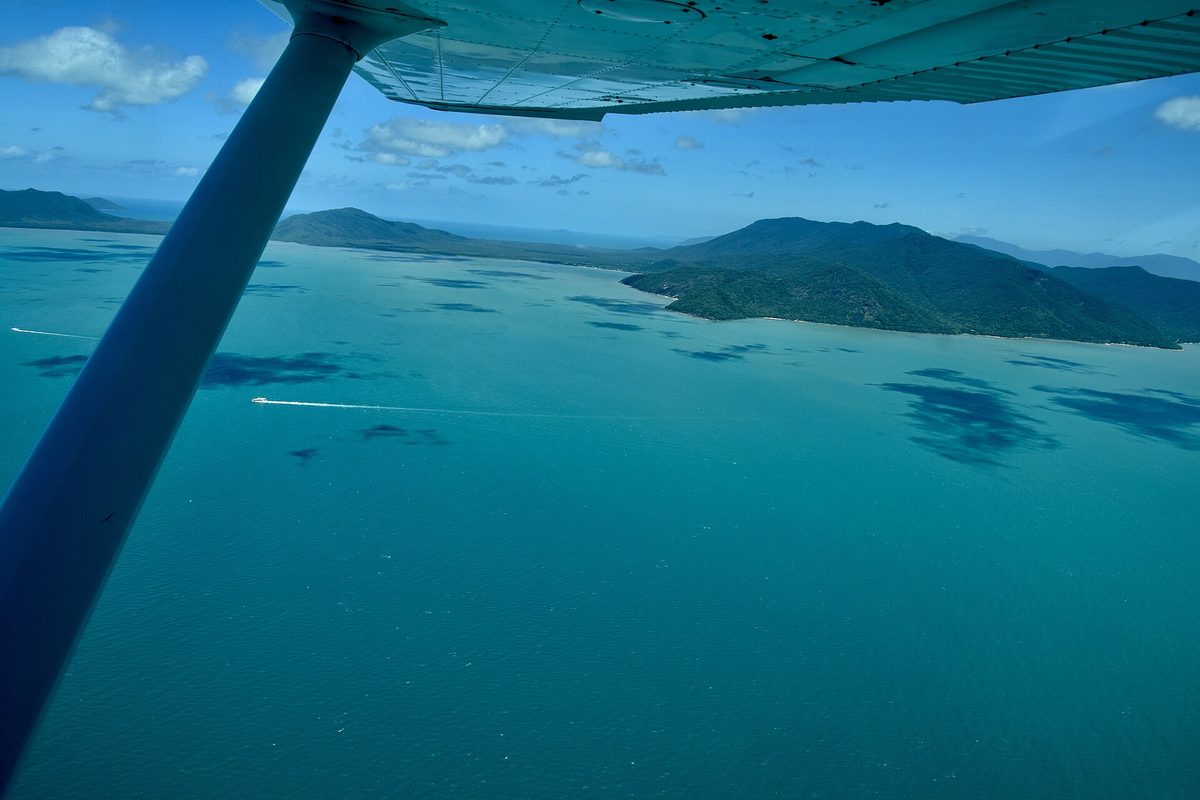
Diving the Great Barrier Reef without harming it
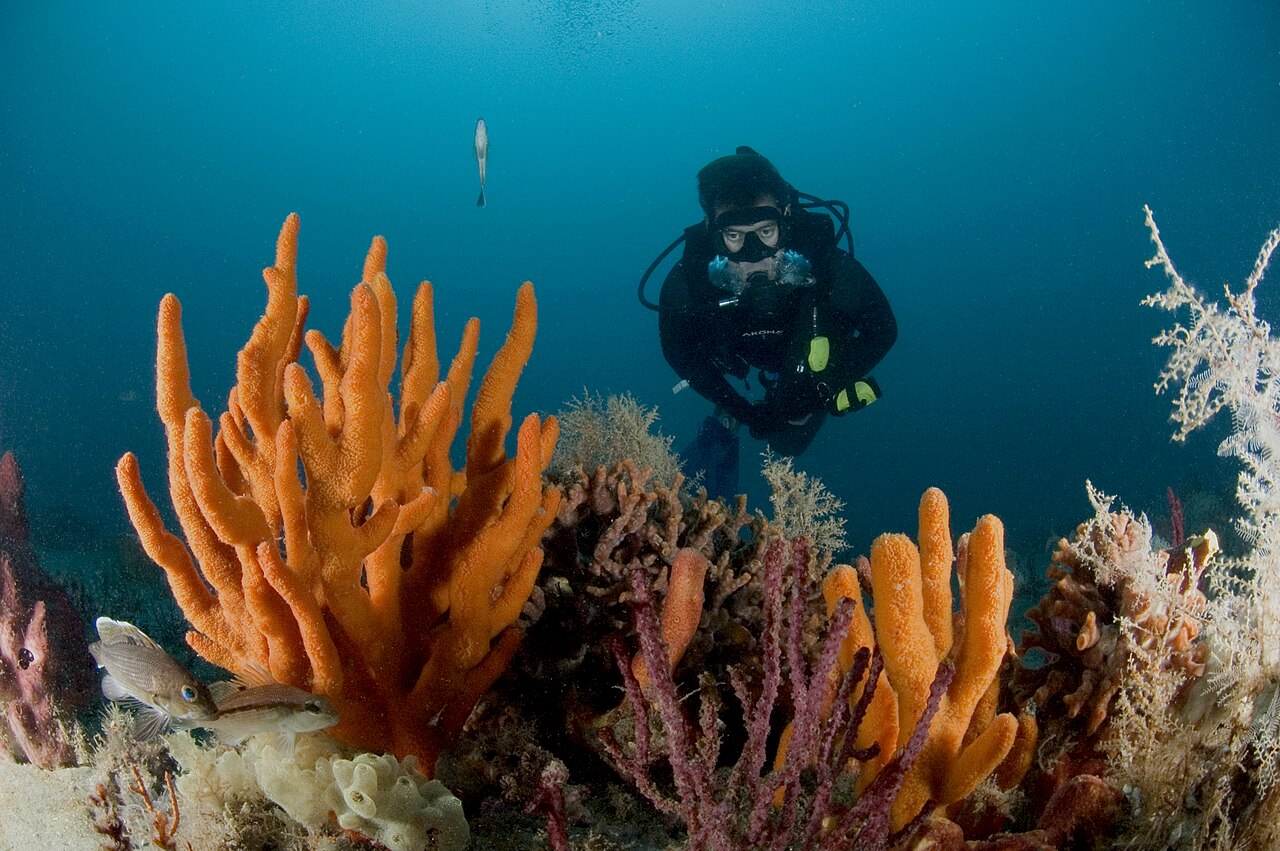
Photo: National Marine Sanctuaries / Public domain / Wikimedia Commons
The Great Barrier Reef is under heavy strain as climate change drives repeated mass bleaching. The Australian Institute of Marine Science has tracked a loss of nearly 50% of coral cover since 1985, and surveys around Cairns recorded severe bleaching during the 2016, 2017, 2020, and 2022 heatwaves. The 2024 event was the fifth mass bleaching since 2016, and these now come closer together than before. In the Cairns sector, the 2022 bleaching hit an estimated 35% of shallow reef colonies, which shows that tourism has to be managed carefully if the reef is to survive.
Coral Bleaching on the Great Barrier Reef
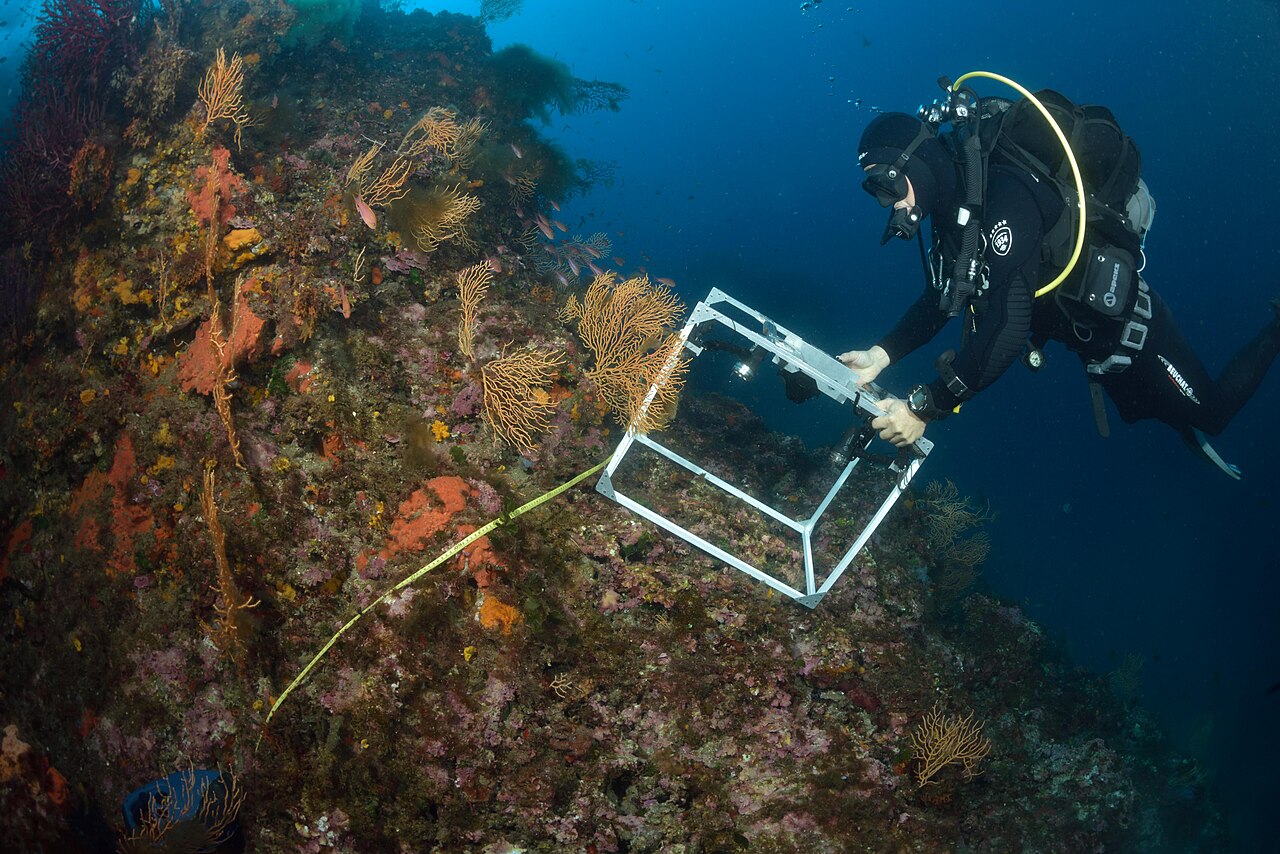
Photo: Olivier Dugornay / CC BY 4.0 / Wikimedia Commons
How Coral Bleaching Happens
Coral bleaching on the Great Barrier Reef starts when a partnership that has kept reefs alive for millions of years breaks down. Tiny coral polyps build the reef structure, but they depend on microscopic algae called zooxanthellae living inside their tissues. These algae take in sunlight and make sugars through photosynthesis, giving the coral up to 90 percent of its energy and its color. When the relationship fails, the coral goes white and shows the limestone skeleton beneath. Climate change is the main cause of mass bleaching. Atmospheric carbon dioxide went from 280 parts per million before industry to over 420 parts per million in 2023, and ocean temperatures rose with it. Marine heatwaves that held sea surface temperatures just 1 to 2 degrees Celsius above the local summer average for four or more weeks make corals push out their algae. The Great Barrier Reef bleached badly in 2016, 2017, and 2020, and coral bleaching Cairns monitoring programs found that 50 to 60 percent of shallow reefs lost live coral cover in the worst pulses. Local pressures make the global problem worse. Along the Cairns coastline, runoff from sugar cane farms brings fertilizers that feed algal blooms and cut water clarity. Sediment from cleared land buries polyps, and outbreaks of crown-of-thorns starfish, a native predator, can strip a reef of tissue in months. Boats that drop anchor without care add physical harm. Reef protection efforts thus join global emission cuts with local Cairns work such as monitored dive sites and coral restoration Queensland projects. Responsible diving reef practices, including the dive green Cairns code of no-touch, let tourists aid reef citizen science without adding local strain.
Coral Bleaching in Cairns Right Now
Recent surveys of coral bleaching at Cairns sites show a mixed but urgent picture. The Great Barrier Reef Marine Park Authority's 2025 summer monitoring covered 22 reef sites between Cairns and Port Douglas. Field teams recorded bleaching on 64% of surveyed colonies, with 28% suffering high mortality in shallow lagoons. The 2024 event had already stressed these systems. A March 2025 spike in sea surface temperatures reached 1.8 degrees above the 1990-2020 mean, triggering a second consecutive year of mass bleaching.
Severity varied by depth. At 2-5 meter depths near Michaelmas Cay, divers noted 80% pale corals, while deeper profiles at 12 meters showed only 35% discoloration. Recovery signs emerged by August 2025 as trade winds cooled surface waters. The Cairns sector's fast-growing Acropora showed 15% regeneration of branch tips, a modest but real bounce-back that reef citizen science volunteers helped document.
Such data should guide visitor behavior. Reef protection rules in Cairns now limit touch contact and anchor drops. Local operators partner with coral restoration Queensland projects, using citizen science logs to track patch health. Dive green Cairns campaigns encourage divers to report bleaching via the Eye on the Reef app, turning tourism into monitoring and direct conservation action.
Climate Pressure on the Reef System
Global climate forces and the local biosphere shape the modern stress profile of the reef. Planetary carbon emissions have lifted Coral Sea surface temperatures by roughly 0.8 degrees Celsius since 1900, and this warming drives the coral bleaching Cairns divers now witness each summer. The local biosphere filters that stress through its own variables. Rainfall runoff from the Barron and Daintree catchments carries sediment and nitrogen that suppress coral recovery, while port activity near Trinity Inlet alters light penetration. These place based factors explain why two adjacent reefs show different survival rates after the same heatwave. Cumulative stressors add to the climate signal. The Cairns sector faces heat along with other shocks. Category 4 Cyclone Ita in 2014 scraped reef flats, crown of thorns starfish outbreaks ate 30 percent of live coral on some transects in 2019, and flood plumes in 2022 smothered propagules. Reef Health Index data from 2023 shows Cairns monitoring stations averaging 2.3 concurrent stressors per year, a load that halves the time corals need to regain biomass. Responsible diving reef behavior is a local mitigation lever, because fin kicks and anchor scars add wounds that infected lesions exploit. Cairns reefs are sentinel systems for the entire network. Their position at 16 degrees south puts them at the warm edge of the reef's diversity gradient, so temperature anomalies appear here months before they spread north. Coral restoration Queensland teams at Fitzroy Island and reef citizen science volunteers from the Museum of Tropical Queensland log weekly heat exposure, feeding the Early Warning System. Dive green Cairns operators such as Passions of Paradise submit thermal logs that let marine park managers trigger shade cloth deployments. This sentinel function makes the region a living laboratory for reef science.
Reef Protection Rules for Divers
Don't Touch Coral and Control Your Buoyancy
The Great Barrier Reef Marine Park Authority enforces a strict no-touch rule for all Cairns divers. Under the 2019 Marine Park Regulations, touching live coral can bring a fine of up to 2,660 Australian dollars. One glove scratch strips the coral's mucus layer and lets infection set in. After the 2020 mass bleaching, coral bleaching Cairns surveys by the Australian Institute of Marine Science recorded 22 percent mortality on inshore patches. Responsible diving reef practice means keeping hands clasped or resting on a slate. Neutral buoyancy is the core of reef protection Cairns training. Divers should hover at least 1.5 meters above the reef and add or release air in small bursts. Dive green Cairns operators like Divers Den require a buoyancy refresher for guests inactive for 12 months. A 2022 reef citizen science audit of 14 sites found PADI Peak Performance Buoyancy holders caused 63 percent fewer contact incidents. Good fin technique prevents damage. The frog kick sweeps fins outward in a slow oval and avoids the downward thrust that snaps coral tips. Coral restoration Queensland teams at Fitzroy Island nurseries report fin strikes cause nearly 40 percent of broken Acropora fragments. Divers must stay horizontal and never kick near walls. Eye on the Reef turns these rules into data. Trained visitors file buoyancy reports that feed reef dashboards, helping operators target teaching .
Responsible Diving in Cairns
Dive operators based in Cairns help protect the Great Barrier Reef by running a pre-dive briefing before each trip. Companies like Passions of Paradise and Ocean Freedom spend about 20 minutes on buoyancy control, no-contact rules, and local marine park zones. After the 2016 and 2017 heatwaves bleached Cairns coral badly, these briefings added climate context so visitors see why fragile Acropora colonies need space. The briefing is required. The Great Barrier Reef Marine Park Authority makes it a condition of operator permits. Reef protection Cairns guidelines turn that briefing into enforceable conduct. Divers must hold neutral buoyancy at least two metres above the substrate, wear no gloves, and avoid touching or resting on coral. The dive green Cairns initiative, started by Tourism Queensland in 2022, backs these standards with a printed code of conduct handed out at the marina. Operators in the program use fuel-efficient transit and waste-free lunches, carrying conservation past the waterline. Responsible diving reef etiquette depends on the individual. One fin kick on coral can kill tissue already stressed by bleaching. Under the EPBC Act, contact fines reach AUD 2,000. Many Cairns boats now mix etiquette with reef citizen science. Guests on Coral Expeditions record photo quadrats that feed coral restoration Queensland monitoring, so a leisure dive gives the reef measurable support.
How Cairns Operators Restore the Reef
Coral Nurseries and Restoration in Queensland
Coral nursery methods support coral restoration in Queensland. Several Cairns-based operators run underwater gardens that rebuild damaged reef sections. The Reef Restoration Foundation started in 2018 and keeps mid-water coral trees at Fitzroy Island, where staff tie fragments of fast-growing Acropora species to PVC frames. These nurseries let broken coral pieces collected from the seafloor heal and grow without algae competition. The Great Barrier Reef needs this kind of propagation because natural recovery from coral bleaching near Cairns has slowed as sea temperatures rise.
After six to twelve months on the lines, nursery fragments reach five to ten centimeters and are ready for outplanting at degraded Cairns sites. Moore Reef and Flynn Reef have received thousands of transplanted colonies fixed with marine epoxy by dive teams. Dive operators require neutral buoyancy and no contact with wild coral while securing new growth. Passions of Paradise and Ocean Freedom train guests in these methods, so a normal dive trip becomes a restoration shift. Since 2018 the Foundation has outplanted more than 25,000 corals across the Cairns section of the marine park.
Reef protection around Cairns goes past the nursery. The local tourism board awarded dive green certifications in 2022 to vessels that limit anchor damage and fund community projects. Reef Teach runs citizen science programs where visitors photograph tagged colonies and upload survival data to a public database. A 2023 monitoring report found 70% of outplanted corals survived their first year, showing that local work offsets some bleaching pressure.
Travelers on a slow, planned trip can choose operators with active nurseries, since the booking fee funds coral restoration in Queensland. This fits mindful travel that prizes place over schedule.
Eco Certified Low Impact Dive Operators in Cairns
Eco certification is the main way Cairns dive businesses support reef protection. Ecotourism Australia runs the ECO Certification program, and its Advanced Ecotourism standard had accredited 17 Cairns operators by March 2024. Reef Magic and Divers Den are among the operators that pass annual audits checking wastewater containment and a limit of 24 passengers per guide. The credential tells travelers their trip funds measurable reef protection work in Cairns instead of extractive tourism. Low impact tours put that certification into daily routine. The Dive Green Cairns campaign started by the Cairns Regional Council in 2021 requires boats to use fixed mooring buoys rather than anchor on live coral. Briefings now open with a 10 minute buoyancy refresher so guests keep fins off coral, which has suffered bleaching in Cairns since the 2016 and 2017 mass events. Ocean Freedom runs six passenger boats with electric auxiliary motors, lowering underwater noise that stresses marine life. The effort continues after the dive ends. Certified operators aid coral restoration in Queensland by reporting crown of thorns starfish during citizen science surveys. Passengers record sightings on the Eye on the Reef app, sending data to the Great Barrier Reef Marine Park Authority. This education gives each visitor skills to reduce harm on later trips.
Ranger Patrols and Protected Reef Areas
Ranger patrols form the frontline of Great Barrier Reef conservation across the Cairns sector. The Great Barrier Reef Marine Park Authority stations field rangers at the Cairns base and nearby Fitzroy Island, with daily vessel patrols covering popular dive sites from Trinity Inlet to the outer reef. Their role goes past compliance checks. Rangers monitor coral bleaching Cairns hotspots such as Buzzards Reef and Flynn Reef, logging colony health into the reef citizen science database that operators and researchers share. They also brief visiting divers on responsible diving reef conduct, explaining how a single fin kick can scar a 200 year old coral formation. No-take protected zones anchor the protection strategy. Following the 2004 rezoning, roughly 33 percent of the marine park became green zones where all extractive activity is banned. Around Cairns, the Green Island Preservation Zone and the Michaelmas Cay no-take area shelter breeding grounds for turtles and seabirds. Anchoring on coral is prohibited, and divers must maintain neutral buoyancy inside these boundaries. These refuges give coral restoration Queensland teams space to transplant heat tolerant fragments without disturbance, strengthening resilience against recurring bleaching. Enforcement backs the rules with real consequences. Rangers board dive vessels to verify permits and inspect dive logs, and they deploy light aircraft for aerial surveillance of remote reefs. In 2023, Cairns rangers issued 45 infringement notices for zone breaches and careless contact with coral, with on the spot fines starting at AUD 2,220. Operators who embrace dive green Cairns ethics cooperate by reporting violations and training guides in reef protection Cairns standards. This joint effort keeps the no-take boundaries effective and the reef's future tangible.
Joining Reef Citizen Science
Citizen Science Programs for Cairns Divers
Divers who want to support reef science while exploring Queensland can join structured citizen science programs that turn a leisure dive into real data collection. The Eye on the Reef program, managed by the Great Barrier Reef Marine Park Authority since 2009, remains the benchmark for this work. Similar operator-led initiatives in Cairns now extend that model, letting visitors contribute to long-term monitoring of coral bleaching Cairns sites on daily trips. Data collection tasks are designed for non-scientists but follow strict protocols: divers photograph fixed coral colonies, record water temperature, and note the percentage of bleached tissue on key boulder corals to track coral bleaching Cairns trends. These observations upload via a smartphone app within 24 hours, creating a continuous record that helps researchers detect early stress signs across the reef matrix. Reef citizen science opportunities in Cairns have expanded sharply since 2022. Operators such as Divers Den supply CoralWatch charts so guests rate coral health. Reef Magic collaborates with James Cook University on coral restoration Queensland nurseries, where volunteers attach fragmented Acropora to underwater frames. The dive green Cairns movement includes the Reef Keepers partnership, offering clean-up dives that double as monitoring runs. Each activity reinforces responsible diving reef habits: perfect buoyancy, no glove contact, zero anchor damage. Together, these programs show that reef protection Cairns is a measurable practice, not just a slogan. In 2023 alone, volunteer divers submitted over 12,000 surveys, giving managers the detail needed to target restoration funds effectively.
How Your Dives Help Great Barrier Reef Conservation
Every dive off Cairns can become a data point when travelers join structured citizen science programs. Local operators such as Passions of Paradise and Ocean Free have partnered with CoralWatch since 2002, training guests to monitor impact by recording coral color and bleaching status on standardized charts. A single morning dive at Flynn Reef can yield 15 to 20 monitored colonies, giving researchers at the University of Queensland a granular view of reef health that traditional surveys miss.Reporting findings is equally straightforward. Divers log observations through the CoralWatch app or hand sheets that operators forward to the Reef Health Database. In 2023, reef citizen science efforts in Cairns contributed over 12,000 validated surveys, helping track coral bleaching Cairns events that peaked at 30% partial mortality in shallow lagoon sites during the March heatwave. This stream of data supports coral restoration Queensland projects, where broken fragments from monitored areas are nursed in underwater nurseries near Fitzroy Island.Practicing responsible diving reef habits (maintaining buoyancy, not touching corals) amplifies the value of each visit. Combined with reef protection Cairns guidelines and dive green Cairns operator choices, these actions turn a holiday into measurable support for the ecosystem. The cumulative effect of monitored dives strengthens adaptive management across the marine park.
Diving the Reef Without Causing Damage
More than a decade of reef monitoring shows what needs to happen next. Great Barrier Reef conservation now depends on cutting local pressures while countries deal with global emissions. Coral bleaching hit Cairns in 2016, 2020, and 2022 and stripped color from large areas of the northern reef. The 2022 event affected 91 percent of reefs surveyed by the Great Barrier Reef Marine Park Authority. How divers behave is a core defense, not an afterthought. Cairns operators such as Passions of Paradise and Quicksilver use permanent moorings and work with coral restoration Queensland projects run by the Reef Restoration Foundation. That group has planted over 3,500 coral fragments on nursery frames since 2018.
Divers can help before they step off the boat. Reef protection Cairns rules under the Marine Park Regulations allow fines of up to AUD 2,200 for touching coral, but good behavior starts with skill. Divers should hold neutral buoyancy, keep fins off the substrate, and use mineral based sunscreen without oxybenzone. Picking a dive green Cairns operator with Advanced Ecotourism Certification means trips follow no anchor policies and keep groups small. These habits cut the physical and chemical stress that slows bleaching recovery.
Citizen science makes one dive count for years. The Eye on the Reef program from the Marine Park Authority lets visitors record bleaching and marine life through a free smartphone app. CoralWatch at the University of Queensland gives color charts to rate coral health. In 2023, 4,200 volunteers submitted 12,000 surveys across Queensland. Travelers can register at the Cairns Visitor Centre or at Reef Teach evening sessions before a trip. Reef citizen science creates the long term record that shapes restoration and shows responsible tourism keeps the reef alive for the next generation.
Official sources
Details worth verifying before you go — checked against:

Travel Writer & Editor
Emily Johnson writes and edits Do Travel Blog. Every guide on the site starts the same way: with a question she actually had while planning — when to book, which pass to buy, how to get from A to B without overpaying. Where a number matters, she cites the source: park tickets link to the park's own fee page, visa rules to the official consulate, ferry times to the operator. Prices get re-checked against those pages before each update, and a guide is re-dated when its numbers move. Nothing here is sponsored — she doesn't accept payment for coverage. Spotted something stale or wrong? Email hello@dotravel.blog and she'll fix it.