Cairns Diving Guide: Great Barrier Reef for First-Timers
Plan your first Cairns diving adventure on the Great Barrier Reef. Learn when to go, how to get certified, and what to expect on dive trips.
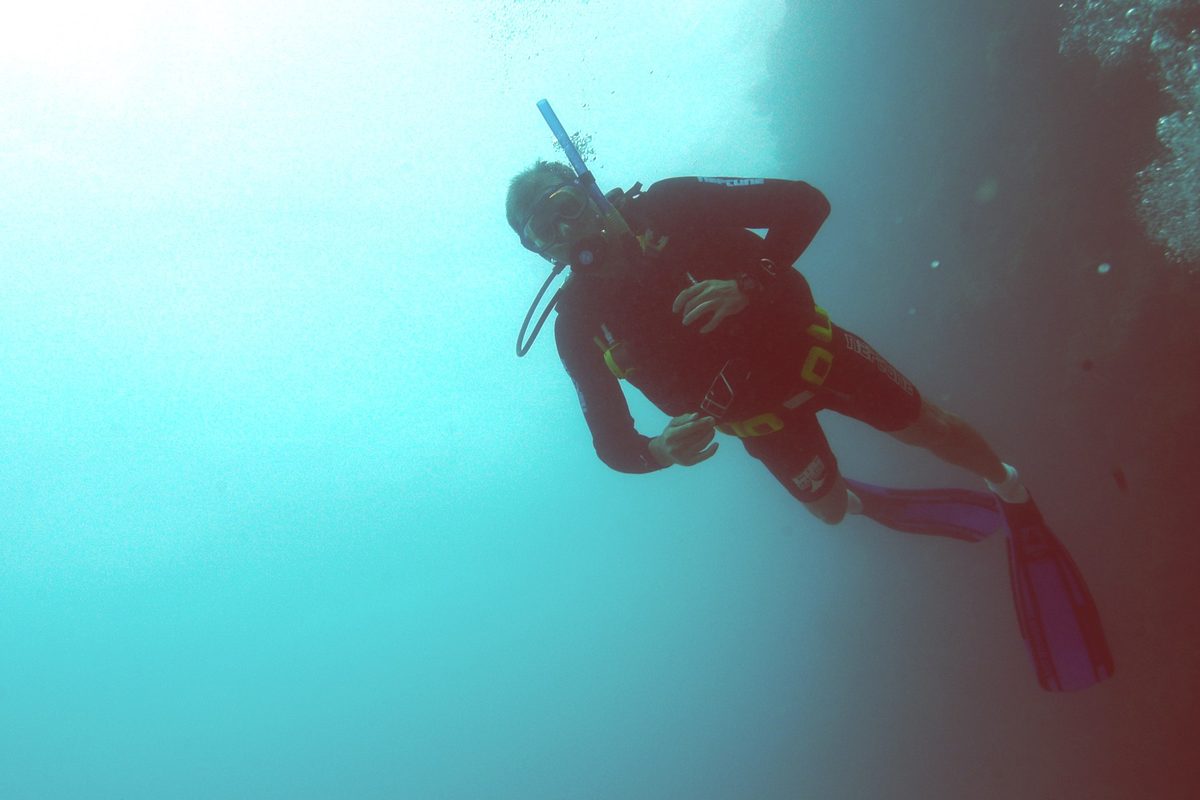
Plan Your First Great Barrier Reef Diving Trip from Cairns
Cairns sits at the edge of the world's largest coral reef system, which makes it the main starting point for Great Barrier Reef diving. More than 2 million visitors come through this tropical Queensland city each year, and many book Cairns dive trips to see the reef's 2,900 individual reefs and 900 islands. A first-timer to Cairns diving should focus on planning the logistics: pick the right season, control costs, and sort out the basics before arrival. This guide covers how to reach Cairns by air or rail, when the water is calmest with the best visibility, what certification you need before boarding, and what a day on the water involves. Diving here needs no prior experience if you take a learn-to-dive program that issues a PADI Open Water card after three days of training. Many travelers add a liveaboard boat to get more time underwater. The best time to dive Cairns is June to October, when southeast trade winds ease and surface temperatures stay near 24 degrees Celsius. Great Barrier Reef tours leave daily from the marina near Trinity Inlet. Half-day snorkel trips start at 99 Australian dollars, and full scuba charters run 250 to 400 dollars with gear included. Plan ahead so transport, season, and certification fit a realistic budget for your trip.
Getting to Cairns for Your Dive Trip
Flights to Cairns Airport and Getting to Dive Shops
The trip starts with a flight into Cairns Airport (CNS), the main gateway to the reef. Domestic travelers can pick from frequent services run by Qantas, Virgin Australia, and Jetstar. A direct flight from Sydney takes about 3 hours, and Melbourne departures run close to 3.5 hours. Brisbane is the nearest major hub at just under 2.5 hours. For international visitors, Cairns Airport has direct flights from Singapore with Singapore Airlines (around 6.5 hours), Tokyo via Japan Airlines, and seasonal flights from Hong Kong. These routes make the trip possible without a domestic connection. After landing, the trip to the dive shops near the Cairns Marina and Reef Terminal is short. The airport is about 10 kilometers north of the city center, a 15 to 20 minute drive depending on traffic. The Cairns Airport Shuttle runs shared rides for about 19 Australian dollars per person, while taxis charge a flagfall plus metered rate, usually 35 to 45 dollars to the dive precinct. Rideshare services like Uber and Ola pick up curbside at the designated zone outside the arrivals hall. Many trips include free hotel or shop transfers, so check pickup when booking dive packages. Accessibility for first-time divers is a real strength here. The airport has step-free pathways, accessible restrooms, and help for travelers with reduced mobility. Most dive schools sit within a short distance of the terminal and provide gear storage and wheelchair-friendly briefing rooms. Tour boats leave from pontoons built with ramps, so a wide range of visitors can reach the underwater experience. Sorting out transport ahead of time leaves more time for the reef and less stress on launch day.
Cairns vs Port Douglas as Dive Bases
Dive operators run from the Cairns Marina, roughly 70 kilometers from outer reef sites like Norman and Hastings Reef, about 90 minutes by boat. Port Douglas lies 70 kilometers north and launches from Marina Mirage, around 60 kilometers from Agincourt Reef. The shorter run makes reef trips from Port Douglas slightly faster for northern access, though both bases reach the reef within a half day.
The atmosphere differs for first-timers. Cairns is a city of 150,000 with hostels, dive schools for certification courses, and busy nightlife. Port Douglas is a small village with boutique resorts and a quieter pace, better for travelers wanting a calm pre-dive routine. Trip length follows the split: trips from Cairns run as day excursions or multi-day liveaboards, while Port Douglas focuses on day boats with few overnights.
For first-time visitors, Cairns is the stronger base. It hosts most reef tours and liveaboards to the Coral Sea. Port Douglas suits day trips to Agincourt and Opal Reef, especially when combining diving with Daintree rainforest visits. Travelers seeking liveaboards should book through Cairns operators, as the city remains the primary departure point for extended trips.
Best Time to Dive Cairns
Weather and Visibility by Season
Tropical North Queensland has two distinct seasons that shape any dive plan. The dry season runs from May to October and gives the conditions most visitors want. Seas stay calm across the Coral Sea, and visibility at outer reefs such as Flynn Reef and Milln Reef often reaches 15 to 20 meters. Diving in these months sees low rainfall, with only 60 to 100 mm monthly precipitation in Cairns and daytime temperatures of 25 to 30°C. Operators schedule most departures in this window because weather cancellations are rare. The wet season from November to April is different. Monsoon troughs bring heavy afternoon storms and humidity above 70 percent, while January air temperatures peak near 31°C. Diving is still possible, but river runoff after rain can drop visibility to 8 to 12 meters near coastal shelves. Marine stingers are the bigger issue. Box jellyfish and Irukandji show up in shallow coastal waters from November through May, so most tour operators require stinger suits and some netted beach enclosures close temporarily. Divers who know the region use the wet season for outer reef trips instead of shore dives. Water temperature follows a steady pattern. It drops to about 23°C in July and rises to 29°C in February. A 3mm wetsuit works for summer sessions, while winter divers do better with a 5mm or 7mm and a hood on multi-dive days. People who train in the dry season get clearer water and need less insulation, but the right time to dive Cairns comes down to how much heat, rain, and stingers you can handle.
Marine Life and Stinger Season Timing
The best months line up with seasonal marine events that reward careful planning. Humpback whales migrate along the Great Barrier Reef from June to September. Boats departing from Cairns Marina record the most sightings in July and August. Green sea turtles nest on islands such as Michaelmas Cay from November to January, and hatchlings reach the sea from February through April. Coral spawning is a mass reproductive event triggered by lunar cycles. It typically follows the November full moon within three to five days and creates spectacular night dives for those on overnight excursions. Water visibility during these windows often exceeds 20 meters.
November to May is stinger season, when box jellyfish and Irukandji populate coastal shallows. Most dive packages include full-body lycra stinger suits at no extra cost, which reduces sting risk while snorkeling or diving. The suits also block ultraviolet rays. Visitors who plan to dive in summer should expect to wear this protective gear on every descent, since boats carry vinegar stations as standard.
The tropical cyclone season runs November to April, and severe storms can force cancellation of trips with little notice. In February 2011, Cyclone Yasi shut down Cairns marinas for over a week and stranded booked groups. June through October brings calm weather, avoiding both stingers and cyclones. The dry months bring steady trade winds and 24 to 28 degree water, which suits first-timers.
Certification and Learn to Dive Cairns
Open Water Certification Requirements
Independent scuba on the Great Barrier Reef requires an Open Water certification. Travelers planning to dive must hold a PADI, SSI, or equivalent card before renting gear and descending unsupervised. The rule exists for safety. Sites like Flynn Reef and Milln Reef have currents and depth changes that demand good buoyancy control. Most certification courses set a minimum age of 10 for junior Open Water and 15 for the standard adult license. Across Cairns, operators strictly enforce the 15 year threshold. A typical medical screening asks about asthma, ear surgery, and heart conditions. In 2024, Queensland regulations required a physician sign-off for any positive answer on the RSTC medical questionnaire. The swim test is practical rather than athletic. Candidates complete a 200 meter continuous swim without aids or a 300 meter swim with mask, fins, and snorkel, then tread water for 10 minutes. Uncertified visitors still have clear options. Beginner programs let newcomers complete a pool session and one open water dive under instructor care within two days. Operators also offer Discover Scuba experiences where a guide accompanies each diver at a maximum depth of 12 meters. This path gives first-timers a real taste of Great Barrier Reef diving without the full coursework. Booking a spot during the dry season from June to October pairs calm seas with these introductory programs. The dry season is the most reliable window for diving Cairns.
Learn to Dive Cairns as a First-Timer
First-time visitors who want to dive in Cairns can take PADI Open Water courses from local shops such as Pro Dive Cairns and Divers Den. These run over 3 to 4 days and mix pool training, theory, and two to four open water dives on the Great Barrier Reef, which is the main draw. A typical 3-day schedule has classroom or eLearning review, confined water skills, then boat trips to outer reef sites like Norman Reef or Hastings Reef to practice open water skills. Referral and eLearning pathways give people a way to certify with little classroom time. Many travelers finish PADI eLearning at home before they arrive, then do pool and ocean dives in Cairns in as little as 2 days. Most Cairns operators accept referral certificates from other agencies like SSI and NAUI, so visitors skip the theory and work on practical skills. This split approach helps people on tight schedules avoid classroom time in tropical heat. A standard 3-day learn to dive Cairns course costs AUD 595 to AUD 695 at 2024 prices. The fee includes full scuba equipment rental, wetsuit, mask and fins, boat transfers from Cairns Marina, morning and afternoon tea, lunch on dive days, and the international certification card. eLearning referral options cost less for the practical part, about AUD 399 to AUD 450, but you still pay PADI around AUD 199 for the online theory. These schools often pair a first dive with later trips for certified divers. Booking directly with local shops instead of third party brokers saves about AUD 50 per person and supports local operators directly. June through October brings visibility past 20 meters and surface temperatures near 24°C, which makes open water training comfortable.
Snorkel or Scuba Options for Beginners
First-time visitors to Cairns can see the reef without certification by snorkeling. Surface diving on the Great Barrier Reef needs no license and works for all ages. Most Cairns reef tours include gear, flotation vests, and a guided briefing at Moore Reef or Green Island. A Great Adventures day trip costs about AUD 259 and covers equipment plus a 30-minute safety talk. For a deeper look, intro scuba experiences with professionals are available through operators like Pro Dive Cairns. Participants aged 12 and older go down to 12 meters with a PADI instructor at Outer Reef platforms. No certification is needed, but you fill out a medical form before boarding. Packages typically include two guided dives with a 1-to-4 instructor ratio. Pick snorkel or scuba based on how comfortable you are in open water. Snorkeling suits travelers who like calm surface floating, especially from June to October when visibility exceeds 20 meters. Intro scuba dives give confident swimmers close views of green sea turtles. Those wanting multiple days should look at entry-level courses. A 3-day PADI Open Water program with Dive Center Cairns costs around AUD 595 with four open water dives. Both options get you onto the reef without prior experience.
Booking Cairns Dive Trips and Tours
Day Trips vs Liveaboard to the Outer Reef
Most first-timers begin with a day trip to the outer reef. Operators such as Divers Den and Quicksilver Cruises depart from the Cairns Marina at 7:30 AM, reaching sites like Norman Reef or Hastings Reef after a 90-minute catamaran ride. A standard day runs nine hours including two guided dives, a buffet lunch, and snorkel time, with return to port around 5:00 PM. These day trips bundle equipment rental and marine biologist briefings into a flat fee of AUD 260 to AUD 340 per person.
For travelers seeking deeper immersion, liveaboard vessels offer multi-day circuits through remote sections of the reef. A three-day, two-night itinerary with Pro Dive Cairns or Spirit of Freedom typically includes 11 dives across sites such as Cod Hole and Ribbon Reefs, with nights spent anchored under starlit skies. The extended format lets divers log consecutive days of training, complete a certification course, and witness nocturnal marine behavior unavailable on day returns. Prices start near AUD 750 and rise to AUD 1,200 depending on cabin class and season.
Choosing between these options depends on schedule and budget. Day trips suit travelers on a tight itinerary or modest spend, delivering a concentrated taste of the outer reef without overnight commitment. Liveaboards reward those with four or more free days and a willingness to invest above AUD 700 for accelerated skill building. The June to October window brings visibility above 20 meters and calm trade winds, making either format reliable for first-timers. Cairns thus accommodates both quick explorers and slow-travel enthusiasts who prioritize reef immersion over rushed sightseeing.
Choosing a Dive Shop and Great Barrier Reef Tours
Choosing a shop for Cairns diving starts with verifying licenses. Operators must hold a Great Barrier Reef Marine Park Authority Tourism Operator License and a Queensland commercial permit. Pro Dive Cairns, founded 1989, and Divers Den, operating since 1992, publish these openly. Guide ratios define safety: certified divers get 1:4 with instructors, while beginner intro courses keep 1:2. Equipment must meet AS/ZS 2299.1 standards, with tanks and regs serviced within twelve months and logs shown on request. First-time visitors should prioritize shops that publish clear safety briefings alongside these credentials. Reading reviews prevents mistakes before you book. Check at least 50 recent TripAdvisor and Google reviews before paying a deposit. In March 2024, Pro Dive Cairns holds 4.7/5 from 1,184 reviews and Cairns Dive Centre 4.5 from 612. Weigh repeated notes on boat hygiene, compressor reliability, and guide care over scenery praise. Patterns of canceled sites or old wetsuits reveal operational problems. Before booking Great Barrier Reef tours, prepare questions. Ask maximum group size per guide, mooring distance from Cairns Marina, and transit time. Is nitrox available for longer dives? What is the weather cancellation policy if wind exceeds 20 knots? Those diving without a certificate should confirm the discover program includes two open-water dives at Flynn Reef. Conditions peak June to October, so ask if seasonal currents alter sites. Cairns rewards vetting. An operator that answers specifics on licensing, ratios, and gear servicing proves ready for a safe day on the water.
What to Expect on a Typical Cairns Dive Trip
From Boat Briefing to First Outer Reef Dive
Most day trips leave from the Reef Fleet Terminal on Spence Street, and check-in is at 7:00 AM. The dry season from May to October draws the biggest crowds, but operators run every day. Operators such as Ocean Freedom ask divers for certification cards and a medical form before boarding. At the berth, staff fit you with a 5 mm wetsuit for the 24-28°C water, plus BCD, regulator, and fins. People on training programs get extra orientation on the dock before the boat leaves.
After a 90-minute trip to the outer reef, the dive supervisor covers hand signals, buddy pairs, and the no-touch coral rule. Certified divers on Great Barrier Reef dives may go to 18 meters. The group then checks buoyancy at the mooring line, adding or dumping BCD air to sit neutral at 3 meters. That keeps divers off the reef and stretches the air supply.
Cairns dive trips do two guided dives at sites like Norman Reef, with 60-90 minutes on the surface between them. Lunch is a deck buffet with salads, rolls, and hot food. The first dive brings clownfish and giant clams, and the second works the bommies where turtles feed. Guides keep groups to 6 so new divers get close support. Boats usually get back by 4:30 PM, which leaves the evening free to book another Great Barrier Reef tour.
Reef Health, Marine Park Rules, and Safety
The Great Barrier Reef Marine Park covers 344,400 square kilometers under the 2003 Zoning Plan run by the Marine Park Authority. About one third is no-take green zone where extraction is banned, but even General Use zones open to diving enforce a strict no-touch rule to protect the fragile ecology. Divers must not handle coral, poke anemones, or take shells. Commercial boats avoid anchoring on reef and use fixed mooring buoys that rangers install. Reef health has come under pressure from mass bleaching in 2016, 2017, 2020, and 2022. The Australian Institute of Marine Science has tracked a modest rebound in hard coral cover across the northern sector in recent years, though cover remains below historic levels. First timers should expect healthy coral alongside scattered bleached patches on shallow slopes. NOAA noted thermal stress again in early 2024, showing the ecosystem remains vulnerable to warming seas. Visibility on typical trips runs 10 to 30 meters, clearest in the dry season from June to October when rainfall is low. This is also when winds are calmest, though temperatures hold at 24 to 29 Celsius all year. Many beginners start in sheltered inner reef lagoons with light currents, building confidence before outer reef dives. Safety protocols are standard across licensed operators. Before entry, divemasters brief on buddy separation, hand signals, a max ascent of 9 meters per minute, and a 3 minute safety stop at 5 meters. Vessels carry oxygen, VHF radios, GPS beacons, and link to the Australian Coast Guard for emergencies. Tour boats staff a dive medic per trip, and divers deploy a surface marker buoy if separated from the group.
Putting the Plan Together
Planning a first trip follows the steps already outlined. Travelers fly into Cairns Airport (CNS), which sits minutes from the city center, and reach the departure marinas in under 20 minutes. The best time to dive Cairns runs from May through October. The dry season gives 20-25 kilometer visibility and calm outer reef seas. You need certification to dive. PADI Open Water holders can join certified Great Barrier Reef diving trips right away. Newcomers take a three-day learn to dive Cairns course with operators such as Pro Dive Cairns. Booking is straightforward: choose a licensed operator, confirm medical clearance, and reserve a June or September date to avoid the biggest crowds.
Once those pieces are in place, diving Cairns Australia is a matter of showing up. Great Barrier Reef tours leave daily from Cairns Marlin Marina, and scuba Cairns packages cover gear, lunch, and briefings. Winter Cairns dive trips sell out six to eight weeks early, so reserve this week. Use the operator portal, pick certified or intro dive, and pay the deposit. The reef goes on your calendar within minutes. The Great Barrier Reef is booked and your planning is finished.
Official sources
Details worth verifying before you go — checked against:

Travel Writer & Editor
Emily Johnson writes and edits Do Travel Blog. Every guide on the site starts the same way: with a question she actually had while planning — when to book, which pass to buy, how to get from A to B without overpaying. Where a number matters, she cites the source: park tickets link to the park's own fee page, visa rules to the official consulate, ferry times to the operator. Prices get re-checked against those pages before each update, and a guide is re-dated when its numbers move. Nothing here is sponsored — she doesn't accept payment for coverage. Spotted something stale or wrong? Email hello@dotravel.blog and she'll fix it.