Italy Travel Guide: The Dolomites and Slow Tuscany Trips
Twenty Italy pieces that split into two different holidays — alpine solo hiking and slow village Tuscany — plus what losing luggage in Rome taught us.
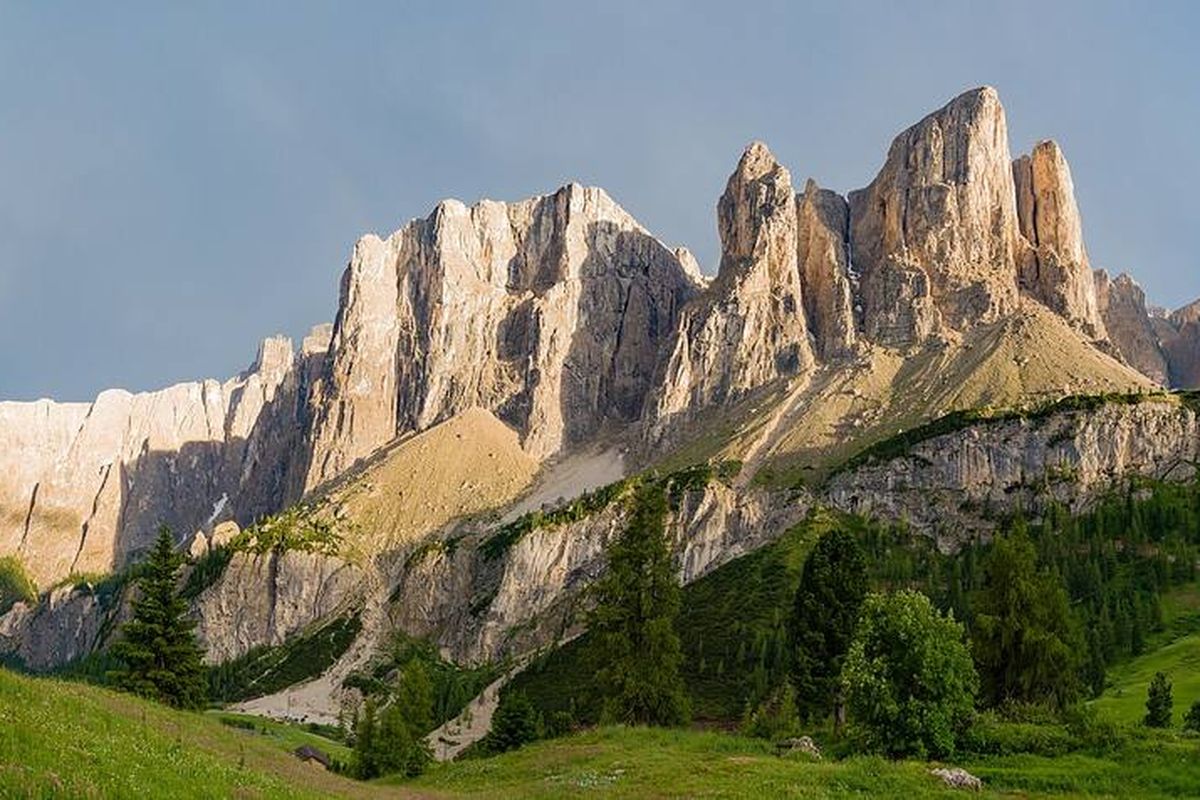
Our Italy coverage began with lost luggage, not landscapes. A delayed bag at Ciampino turned into five separate pieces about Italian airports, and that accident shaped everything else: the Italy we write about is two trips that barely overlap, and you'll enjoy either more if you pick one instead of merging them badly.
Trip one: the Dolomites, mostly alone
The alpine half is the strongest sequence we've published. Start with the complete solo planning guide, then pick routes from the trail shortlist and pack from the gear list. Safety is its own article, not a footnote: alpine safety covers the emergency number and rescue routing, and the trail strangers piece is the honest answer to "isn't it lonely?"
Getting there is easier than the mountains look. Cortina d'Ampezzo, the natural base, has no train station — the nearest rail is Calalzo–Pieve di Cadore, about 35 km away on the slow regional line from Venice Santa Lucia, under 10 euros. Most people fly into Venice Marco Polo and take the Cortina Express bus straight to town instead. Once you're there, the Dolomiti Bus network reaches trailheads like Cinque Torri and Passo Falzarego, so a rental car would sit unused all week.
One opinion, stated plainly: the Dolomites are the best solo hiking in Europe, and the refuges make multi-day routes work without camping gear. If you disagree, it's probably because you went in July. So did everyone else.
What the refuges actually cost
The hut system is the reason you don't need a tent. Rifugi are staffed guesthouses: dorms of four to twelve bunks, half board as the standard booking — dinner, bed, breakfast, with fixed menus of barley soup, polenta with venison, apple strudel. The planning guide's numbers, conditions attached: 35 to 50 euros a night for a dorm bed with half board, 70 to 100 for a single room, a 10–20 euro deposit per night, and popular huts like Lagazuoi and Nuvolau taking reservations four months out for July and August. Most still prefer a phone call or an email to a booking platform.
Pick routes by the CAI grades on the signs: T is easy, E needs sure footing, EE means equipped ridges with cables. Going solo, we stayed on T and E — the network runs past 1,000 signed routes, so nothing forces you onto steel. The Tre Cime loop from Rifugio Auronzo at 2,333 meters is the standard first day, about 10 kilometers; start before 9 a.m., or before 6:30 if you want the eastern flank to yourself.
Weather is the real gatekeeper
Summer storms follow a pattern: clear mornings, cumulus stacking by early afternoon. Hut wardens say most rescue calls involve hikers caught above the treeline after 2 p.m., so the discipline is start at dawn and be below the ridgelines by noon. Dial 112 for any emergency; 118 reaches mountain rescue directly.
Trip two: Tuscany, slowly
The rural half has almost no overlap with the mountains. avoiding the tourist rush is the entry point, the village slow-living guide is the deep piece, and eating seasonally with the artisans piece explain why the region rewards slowness.
The village pieces are set in places like Montefollonico in the province of Siena — roughly 280 residents, shops shut from 1 to 4, a Thursday market anchoring the week. That's not nostalgia, it's logistics: the siesta is when the village belongs to itself, and the evening passeggiata is when it belongs to everyone. The piazza piece explains why the square works as the town's living room, and why an hour there teaches more than any itinerary.
If the slow-life math tempts you toward a longer stay, the village guide keeps real numbers on it: 600 to 900 euros a month for a two-bedroom stone house, around 150 for utilities, groceries under 300 for two people. This is a travel site, not a relocation agency, but those figures are the honest ones.
What a day of food costs
This is the question the food pieces answer best. Street lunch runs about 3 euros for pizza al taglio or 2–3 for an arancino; a trattoria lunch with a quarter-liter of house wine rarely passed 15 euros when we tracked it. Aperitivo is the quiet bargain: between 6 and 8 p.m. one 8–12 euro spritz comes with a buffet substantial enough to be dinner — the version near Bologna's Piazza Maggiore covered a full evening meal for 10 euros. Coffee is the easiest save: standing at the bar costs under 2 euros, while the same cappuccino at a table near the Trevi Fountain ran 5. In Venice, cicchetti at 2–4 euros each make a standing lunch for under 10. The food budget piece has the receipts, and the cheap-food piece has the logic behind them.
When to go, honestly
The two trips have opposite calendars. The Dolomites work late June to late September — refuge openings set the season, not the weather, and the snow agrees: passes above 2,000 meters can hold winter until late June, and the crossings on Passo Giau (2,236 m) linger into early July. July and August are the warmest and the busiest; June and September trade a little warmth for empty trails. Tuscany is best in May and the second half of September, when the villages belong to the people who live in them; the rural digital-detox piece explains what there is to do in the quiet months, which is the entire point.
The slow-Italy mindset
Two pieces sit between the trips and belong to neither mountain nor village: adopting Italian slow living anywhere and the slow morning routine. Read them before either trip — they're the closest thing we have to instructions for enjoying Italy on its own schedule. If you take away one idea, make it dolce far niente, the sweetness of doing nothing. It sounds like a poster until you try it in a village square at 4 p.m.
One more honest gap: we have nothing real on Venice, the Amalfi Coast, or Sicily yet. What exists elsewhere online about beating the crowds there didn't survive our own visits, so we wrote nothing rather than repeat it. The south waits.
The airport-disaster series (read before you fly)
Italy is where our luggage fell apart, literally: the Fiumicino recovery guide, the Ciampino version, how to file a PIR correctly, your EU rights when bags are late, and which insurance actually paid. three days on one shirt is the field test, and the carry-on essentials list plus where to buy emergency clothes in Rome are the prevention layer.
The two rules that matter most: file the Property Irregularity Report before you leave the arrivals hall, or the claim dies there, and keep the ten-digit WorldTracer reference. Roughly 70 to 80 percent of delayed bags come back within 24 to 72 hours; past 21 days a bag is legally lost, and the written claim against the 1,288 SDR cap (about 1,530 euros) begins. The short version of all nine pieces: carry-on is not a suggestion for Italian airports, it's the plan.
Official sources
Details worth verifying before you go — checked against:
Travel Writer & Editor
Emily Johnson writes and edits Do Travel Blog. Every guide on the site starts the same way: with a question she actually had while planning — when to book, which pass to buy, how to get from A to B without overpaying. Where a number matters, she cites the source: park tickets link to the park's own fee page, visa rules to the official consulate, ferry times to the operator. Prices get re-checked against those pages before each update, and a guide is re-dated when its numbers move. Nothing here is sponsored — she doesn't accept payment for coverage. Spotted something stale or wrong? Email hello@dotravel.blog and she'll fix it.