How I Save Money on Food in Italy Without Losing Quality
I learned how to save money on food in Italy without sacrificing quality. Discover my personal tips for eating cheap in Italy, from street food to trattorias, and avoid tourist traps.
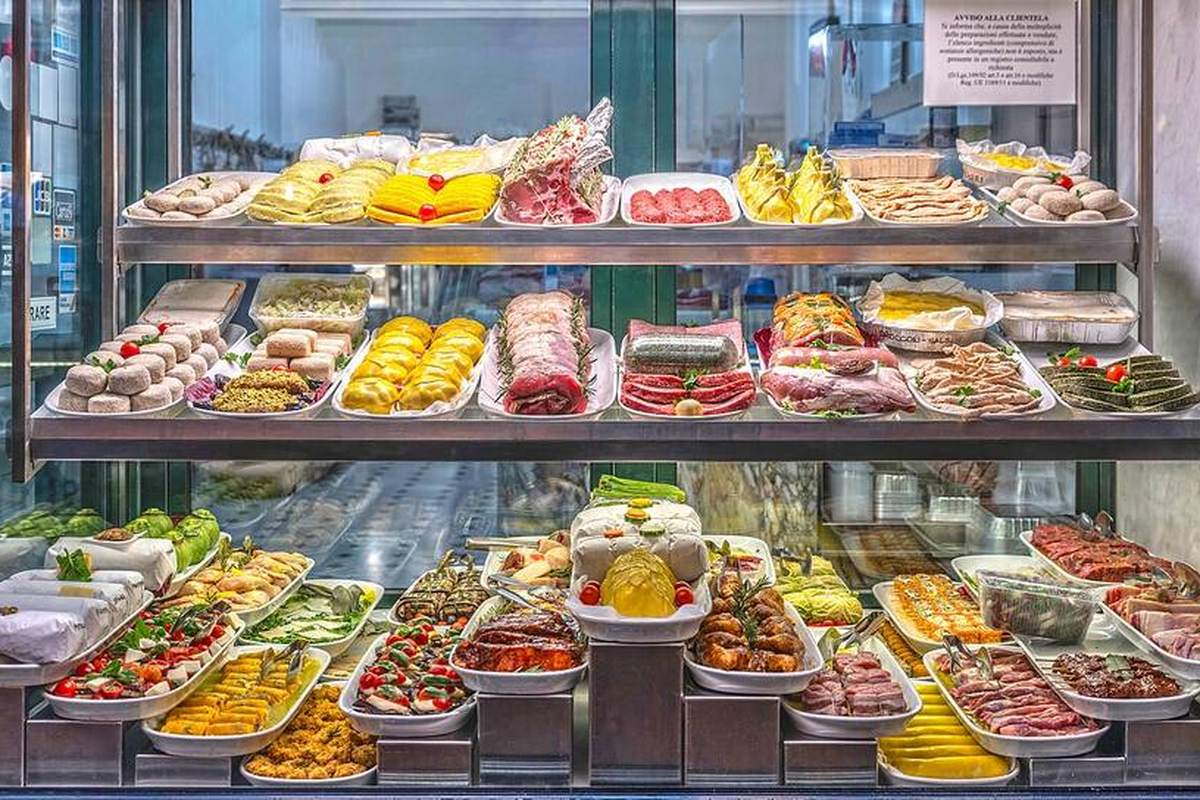
How I Learned to Eat Well on a Budget in Italy
Why I Wanted to Save Without Sacrificing Quality
When I first planned my trip to Italy, I knew I'd be a food lover in a country that celebrates every meal. But I was also traveling on a tight budget, and I worried that saving money on food in Italy would mean eating sad sandwiches or skipping the local specialties. I wanted the real thing: fresh pasta in a family-run trattoria, crisp pizza from a wood-fired oven, and the best gelato I could find, all without wrecking my savings.
That tension between quality and cost drove me to figure out how to eat cheap in Italy without compromise. My motivation was simple: experience authentic Italian cuisine on a traveler's budget. Over time, I discovered a handful of strategies that worked consistently. I started gravitating toward morning markets instead of tourist cafes, cooking a few meals in rental apartments, and looking for street food spots where locals lined up. I also learned which tourist traps to walk past and how to spot a good-value menu.
This article shares the practical tips I picked up from my own trial and error. Whether you are planning your first trip or your fifth, I hope my budget food Italy experience helps you eat well without the stress of overspending. These are the Italy food budget tips I wish I had from day one.
Smart Strategies I Used to Eat Cheap in Italy
Embracing Street Food and Local Markets
One of the fastest ways I started saving money on food in Italy without feeling like I was missing out was to embrace street food and local markets. Instead of sitting down for a full meal every time I got hungry, I grabbed a slice of pizza al taglio, sold by weight, and that single square was often enough to tide me over for a few hours. In Sicily I discovered arancini, those golden rice balls stuffed with ragu or mozzarella, which cost around two to three euros each and felt like a proper meal. And everywhere I went, a simple panini from a neighborhood shop was cheaper and more satisfying than anything I could order from a tourist-menu restaurant.
Markets became my go-to for both groceries and ready-to-eat food. At Mercato Centrale in Florence I wandered past stalls selling fresh pasta, cheeses, and cured meats, then picked up a paper cone of fried zucchini flowers for a few euros. At Campo de' Fiori in Rome I learned to go around lunchtime, when vendors pack their displays with the day's catch and locals are buying. That is when you find the best mozzarella di bufala or sun-dried tomatoes, not the plastic-wrapped pre-made packs sitting out for tourists. I could assemble a picnic of bread, cheese, olives, and prosciutto for under ten euros and sit in a piazza watching the city go by.
A few simple strategies made eating cheap in Italy actually work: go to markets during lunch for the freshest items, steer clear of any stall that has all the prepacked bags ready to go, and do not buy anything that looks like it has been sitting out. If local shoppers are lining up at a particular vendor, join them. That is how you taste regional specialties without the markup.
Cooking My Own Meals in Hostels and Apartments
Another easy win was choosing accommodation with a kitchen. By booking hostels and apartments with cooking facilities, I cut my daily food costs in half. I would stop by Conad, Carrefour, or Lidl for staples: a bag of pasta for under one euro, fresh tomatoes, basil, and olive oil. Those supermarkets are everywhere in Italy and their house brands are just as good as the name brands.
Cooking turned into its own kind of adventure. A simple pasta with cherry tomatoes, garlic, and basil became my go-to after a long day of walking. I also tried panzanella, a Tuscan bread salad, using day-old bread from a bakery and ripe tomatoes from the market. One evening I gathered three other travelers from the hostel and we cooked together using what we had bought earlier at the local market. We shared stories over a meal that cost each of us less than three euros. That experience reminded me that eating cheap in Italy does not mean missing out. I still ate out a few times a week, usually for a proper pizza or a gelato. That balance let me enjoy restaurant meals without feeling like I was breaking my budget.
Taking Advantage of Aperitivo Hours
My favorite discovery was the aperitivo hour. Between 6 and 8 PM, many bars and cafes serve a drink plus a buffet of snacks, olives, cheeses, small pasta dishes, and cured meats for the price of one cocktail or glass of wine. In cities like Milan, Bologna, and Turin, this tradition is a genuine cost-saving strategy for eating cheap in Italy without sacrificing quality or variety.
The key is to treat it as a full meal instead of a pre-dinner snack. Order one drink (a spritz or a glass of local wine is usually 8 to 12 euros) and help yourself to the spread. The buffets often include hearty options like risotto, bruschetta, roasted vegetables, and even small portions of pasta. It's not unusual to fill a plate or two before heading out. For travelers wondering how to eat cheap in Italy, this is a proven hack from my own Italy food budget tips.
My personal experience eating cheap Italy style was put to the test in Bologna, known as the food capital of the country. One evening at a bar near Piazza Maggiore, I ordered a 10-euro Campari spritz and found a buffet laden with tortellini, parmesan chunks, focaccia, and marinated artichokes. I went back for seconds. It was enough for dinner, and at a fraction of the cost of a sit-down restaurant. That single aperitivo covered my evening meal and gave me a taste of local flavors without breaking my budget. The trick is to go early, eat slowly, and pace yourself. One drink and a full plate or two of the buffet makes this one of the best budget food Italy experiences you can have.
How I Found Authentic Trattorias Over Tourist Traps
The first thing I learned about saving money on food in Italy was to avoid any restaurant with a waiter waving a plastic menu at me. English menus with glossy pictures of spaghetti are a dead giveaway, as is the Menu Turistico, a fixed-price offering that sounds cheap but delivers frozen lasagna and a watery sip of wine. These places thrive on foot traffic near major landmarks, and the food never justifies the cost.
Genuine trattorias, on the other hand, rarely advertise. The ones I loved had handwritten specials taped to the door (in Italian only), simple wooden tables with paper placemats, and most importantly, a crowd of locals eating lunch at 1:30 PM. When I ordered the daily special and a quarter-liter of house wine, my bill rarely exceeded 15 euros. That is how to eat cheap in Italy without feeling like you are missing out.
My best budget food Italy experience came by accident. In Trastevere, I took a wrong turn off Piazza Santa Maria and ended up on a quiet side street. An osteria with a chalkboard listing three pastas of the day caught my eye. Inside, an older couple served pasta to tables of Roman families. I sat down, pointed at cacio e pepe and asked for un quartino di rosso. The meal was spectacular, and the total came to 11 euros. I had wandered into a real slice of Roman cooking, and it cost half of what tourist menus charge. That evening taught me that the best Italian meals are the ones you stumble onto, if you know what to look for.
Mistakes I Made That Cost Me Money
Falling for the 'Menu Turistico' at a Rome Restaurant
I spotted the chalkboard near Piazza Navona with a bold promise: three courses for 15 euros. After a long morning of walking, my hunger overrode my better judgment. The menu listed spaghetti alla carbonara, a mixed salad, and tiramisu, my weakness. I sank into a chair at the outdoor table, already imagining a perfect Roman lunch that wouldn't wreck my budget.
The carbonara arrived looking nothing like the photo: watery sauce, pre-grated cheese, and bacon instead of guanciale. Worse, the bill included a 3-euro coperto (cover charge) per person and a 10% service fee I had not noticed on the menu. What I thought was a 15-euro deal became 21 euros for food I would have rather skipped. I learned the hard way that 'menu turistico' often means the restaurant targets one-time visitors who will never come back.
Now I follow a simple rule: avoid any place with photos glued to the window or a menu printed in five languages. Instead of trusting a sign, I open Google Maps and scan recent reviews, especially ones that mention specific dishes in Italian. I also look for tables filled with locals rather than tourists. That 15-euro lesson taught me that eating well on a budget does not mean sacrificing quality; it means knowing where not to eat.
Wasting Money on Overpriced Coffee Near Landmarks
My first coffee in Rome was a lesson I wish I hadn't paid for. Jet-lagged and giddy from spotting the Trevi Fountain around a corner, I sat down at the first cafe I saw, ordered a cappuccino, and happily handed over 5 euros. The foam was fine, the view was lovely, but the sting hit when I realized I could have had the same coffee for under 2 euros just a few steps away. That markup comes from two things: sitting at a table with waiter service, and the sheer foot traffic of a landmark location. Every cafe within 50 meters of a major sight knows you are paying for the view, not the espresso.
The real trick I learned is simple: drink your coffee at the bar. Italians call it al banco. You walk up, order, pay first (or after, depending on the region), and stand at the counter. It takes two minutes, you get the same beans, same machine, same barista, but the price drops by 2-3 euros because you are not renting a chair and a tablecloth. My rule now is to walk at least one full block away from any major attraction before I even look for a coffee. That small detour usually lands me in a normal bar where locals are chatting, the espresso is cheaper, and nobody is rushing me because they need the table for the next tourist.
After that first painful 5-euro cappuccino, I never paid more than 1.50 euros for an espresso, and most cappuccinos were under 2.50 euros. That small habit, avoiding the table surcharge and the landmark premium, saved me around 3 euros per coffee. Over a two-week trip with at least one coffee a day, that is over 40 euros. That is enough for two solid meals at a trattoria. So yes, I still visited every fountain and piazza I wanted to see. I just did not drink my coffee there.
Not Checking Local Market Hours Before Going
My first week in Florence, I set out early to the Mercato di Sant'Ambrogio, excited to stock up on cheap produce and fresh bread. But when I got there, every shutter was down and the square was silent. It was a Monday. I had completely forgotten that many Italian markets close on Sundays and sometimes Mondays. That morning, I missed out on bags of ripe tomatoes, locally made cheese, and fruit for a fraction of what tourist shops charge. Instead, I grabbed a sad pastry from a nearby cafe and paid nearly triple for it.
That mistake stuck with me. From then on, I made it a habit to check operating hours online or ask the hostel receptionist the night before. This one change is a big part of how I saved money on food in Italy without missing out on quality. Markets became my go-to for breakfast supplies and picnic lunches, and I never wasted another morning wandering empty streets.
Tips for Eating Authentic Italian Food on a Budget in Key Cities
Rome, Florence, and Naples: Cheap Pizza, Pasta, and Street Food
Spending two weeks hopping between Rome, Florence, and Naples taught me that eating well on a budget doesn't mean skipping meals or settling for bland food. Some of the most memorable dishes I had were from the cheapest spots. The trick was knowing where to look and what to order.
In Rome, I quickly learned to avoid any restaurant with a menu board in English near the Trevi Fountain. Instead, I went for pizza al taglio shops, where you pay by weight and get a hefty slice for around EUR 3. One afternoon near Piazza Navona, I grabbed a rectangle of crispy margherita and a supplì (fried rice ball with mozzarella) for less than EUR 6. Pasta shops like Pastificio Guerra also serve fresh pasta bowls for EUR 4. That became my go-to lunch strategy: fill up on carb-heavy street food for a few euros rather than sitting down for a EUR 15 meal.
Florence surprised me with the lampredotto sandwich. I was hesitant about tripe, but the street stall near Mercato Centrale made it irresistible: slow-cooked innards on a crusty roll with salsa verde. The vendor, a cheerful elderly man who barely spoke English, charged me EUR 4. I sat on a nearby bench watching locals eat their lunch and felt more connected to the city than any restaurant meal could offer. Markets like Sant'Ambrogio also have affordable options; I grabbed a panino with porchetta for EUR 3.50.
Naples was the cheapest of all. Pizzeria da Michele, the famous spot from the movie, still sells a margherita for EUR 6. I arrived at 11:30 AM to avoid the long queue and ate a perfectly charred Neapolitan pizza that rivaled any I'd had in upscale pizzerias for a fraction of the cost. A general rule I followed in all three cities: eat where workers eat for lunch. The panini shops, bakeries, and market stalls that fill up with office staff around 1 PM almost always offer authentic food at fair prices. That approach turned my entire Italy food budget into a daily adventure rather than a sacrifice.
Venice, Sicily, and Beyond: How to Save in Costly Regions
In Venice, I skipped canalside restaurants and went to bacari, tiny wine bars where cicchetti like baccala mantecato on polenta cost 2-4 euros each. A couple of cicchetti with an ombra (small glass of wine) made a satisfying lunch for under 10 euros. Eating standing at the bar felt wonderfully authentic and changed how I thought about my food budget.
Sicily is a street food paradise. In Palermo, I grabbed a warm arancino for 3 euros, a cannolo filled fresh with ricotta for 2 euros, and pane e panelle (crispy chickpea fritters in a sesame bun) for about 3 euros. Eating on a bench in a lively piazza, watching daily life pass by, felt more genuine than any sit-down meal. This personal experience showed me that eating cheap in Italy doesn't mean sacrificing flavor at all.
I made it a rule to skip expensive sit-down dinners whenever possible. Instead, I visited local markets like the Mercato di Rialto in Venice or Ballaro in Palermo, buying fresh bread, creamy mozzarella, ripe tomatoes, and cured meats for a canal-side or seaside picnic. Many bakeries sell takeaway pizza al taglio by weight for 2-4 euros a slice, which easily beats any overpriced tourist menu.
The Too Good To Go app became my secret weapon for maintaining Italy food budget tips without compromise. Bakeries and delis across the country sell surplus food ultimately for roughly one-third of the original price. I scored pastries from a pasticceria in Catania for 4 euros and a full pasta dinner from a trattoria in Syracuse for 5 euros. It is a brilliant way to enjoy authentic Italian cuisine on a budget.
Bottom line: Eating Well in Italy Doesn't Have to Break the Bank
My Top Takeaways for Food-Loving Travelers
Looking back, the strategies that saved me the most were simple: I hunted down local markets instead of tourist-adjacent grocers, grabbed street food like arancini and pizza al taglio for lunch, and booked apartments with a small kitchen so I could whip up quick breakfasts. That approach alone cut my daily food costs by roughly half without ever feeling like I was missing out.
The key lesson I learned is that eating cheap in Italy does not mean eating poorly. A 3-euro panino from a corner bakery was often fresher and more flavorful than a 15-euro sit-down meal near a major square. The quality of basic ingredients here is so high that even a simple slice of focaccia hits different.
My advice: trust the places where locals queue, where the menu is handwritten in Italian, and where the owner greets regulars by name. Avoid spots with laminated photo menus or aggressive touts. Those are the real tourist traps.
Whether you are a solo traveler or dragging along a family like I do, you can enjoy genuine Italian cuisine on a budget. Plan your own money-savvy Italian food adventure. Your wallet and your taste buds will thank you.
Official sources
Details worth verifying before you go — checked against:

Travel Writer & Editor
Emily Johnson writes and edits Do Travel Blog. Every guide on the site starts the same way: with a question she actually had while planning — when to book, which pass to buy, how to get from A to B without overpaying. Where a number matters, she cites the source: park tickets link to the park's own fee page, visa rules to the official consulate, ferry times to the operator. Prices get re-checked against those pages before each update, and a guide is re-dated when its numbers move. Nothing here is sponsored — she doesn't accept payment for coverage. Spotted something stale or wrong? Email hello@dotravel.blog and she'll fix it.