Morocco Travel Guide: Sahara Route, Villages, When to Go
Eighteen Morocco pieces stitched into one plan: the eight-day Marrakech-to-Sahara route, desert nights with Bedouin hosts, and the heat you need to respect.
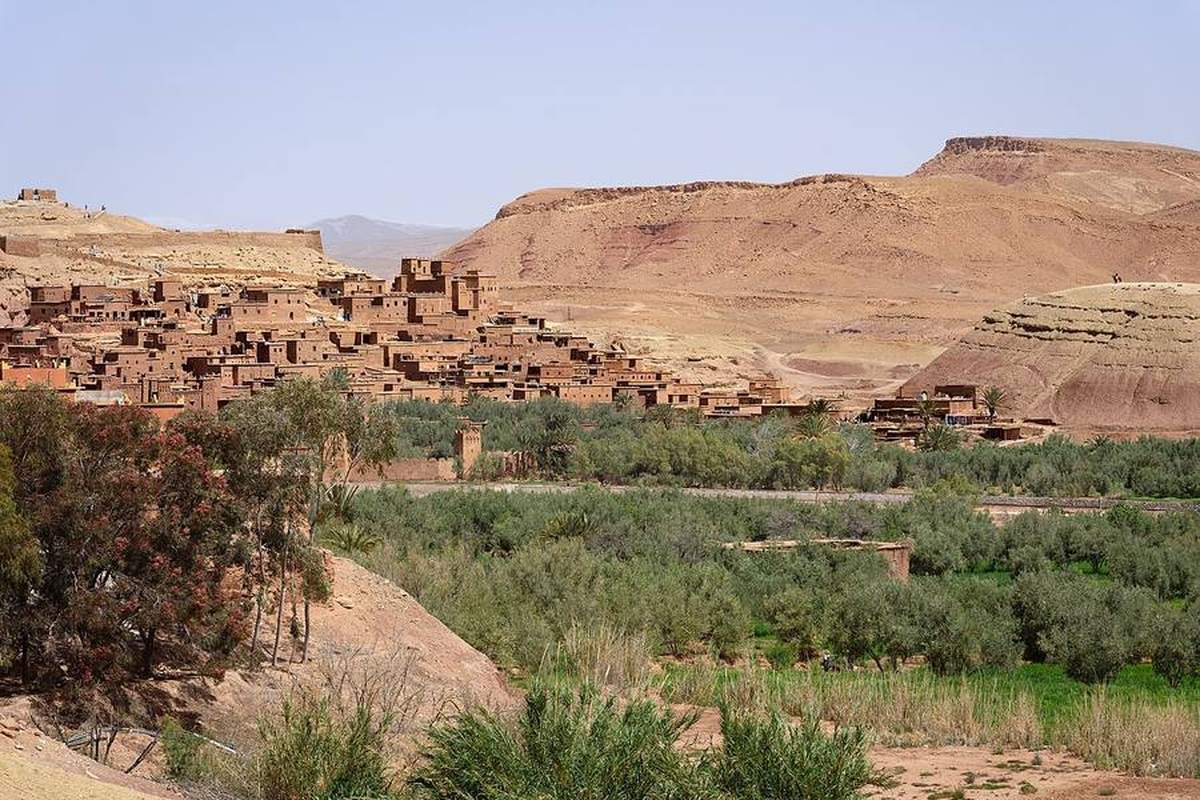
Morocco is the one destination where our coverage has a spine: the Marrakech-to-Sahara corridor, walked twice, in two seasons. Eighteen pieces grew out of those trips, and they arrange themselves into one decision tree — when to go, how many days the desert deserves, and how close to Berber village life you actually want to sleep.
The corridor at a glance
The standard Morocco sahara itinerary runs eight days: two in Marrakech, one day crossing the High Atlas over the Tizi n'Tichka pass (2,260 m) with a stop at Aït Benhaddou, a night in the Dades or Todra gorge, then the long push to Merzouga on the edge of Erg Chebbi for a camel trek and a night in a desert camp before the drive back — five hours is a realistic single-stretch driving day, and anyone selling the whole loop in fewer days is selling time you don't have. Spring (March to May) and late autumn are the honest seasons; summer works only if you treat heat as the main opponent, and winter is campable but the desert nights drop near freezing. Budget-wise, expect entry fees in the 20 to 150 MAD range per site, rugs and crafts from 200 to 400 euros when you buy well, and the biggest cost split is whether you take a private driver or shared transport.
The eight-day spine, and its honest twin
Start with the eight-day Marrakech-to-Sahara itinerary, then read the day-by-day account with distances and stops before committing to driving times. The two disagree in places — that's why both exist. the season guide settles when to go; my short version: spring and late autumn, and if summer is non-negotiable, read the summer survival piece first and take it seriously.
Desert nights are the point
The Sahara stretch lives or dies on how you sleep. the Merzouga camel trek guide covers what the ride actually asks of your body, the campfire night guide and my own night under the stars cover what the evening feels like, and the night packing checklist saves you from the one mistake everyone makes — underestimating how cold the desert gets after dark.
Berber villages: how deep do you want to go
This is the part most itineraries flatten into a photo stop. We went the other way: how booking a village stay actually works, a night without power in the Atlas, what tea and hospitality customs mean before you accidentally insult a host, and the honest trade-offs in village stays versus riads and camps. the Atlas life piece is the one I'd hand a friend who thinks the desert is the whole country.
For the road-trip variant, the Merzouga-to-Zagora village route strings seven days around the settlements instead of the dunes, and the cultural experiences shortlist filters the tour-brochure filler from the real thing.
Packing, briefly
the eight-day packing list covers city, mountains and desert in one bag, and the village-night addendum covers the modesty and warmth questions the main list can't.
What the desert portion actually costs
Money on this route splits into three buckets. Entry fees and sights stay modest — the Jardin Majorelle in Marrakech runs 150 MAD, and most kasbah and gorge stops land in the 20–100 MAD range. Crafts are where budgets break: a hand-knotted rug bought well costs 200–400 euros, which is a fair price for the weaving hours behind it and a ruinous one if you buy it as an impulse at the dunes. And transport is the big fork — a private driver for the full corridor costs several times the shared-transit option, and the honest comparison lives in the day-by-day account, which prices both ways.
What I'd change on a second run
Two things. First, I'd give Merzouga two nights instead of one — the drive in is long enough that a single camp night turns the desert into a checkpoint rather than a place, and the second evening is when the dunes actually empty out. Second, I'd book the Berber village stay for the middle of the route, not the end: after the desert, any village feels like a footnote, while before it, the night without electricity reads as rehearsal instead of anticlimax. The route pieces above already assume neither of these — that's what the honest twin is for.
The gap, stated plainly
We have nothing real on Fes, Chefchaouen or the coast yet — the trips haven't happened. Rather than paraphrase other people's guidebooks, we left the north out. This guide is the Marrakech-Sahara half of Morocco, done properly.
Official sources
Details worth verifying before you go — checked against:
Travel Writer & Editor
Emily Johnson writes and edits Do Travel Blog. Every guide on the site starts the same way: with a question she actually had while planning — when to book, which pass to buy, how to get from A to B without overpaying. Where a number matters, she cites the source: park tickets link to the park's own fee page, visa rules to the official consulate, ferry times to the operator. Prices get re-checked against those pages before each update, and a guide is re-dated when its numbers move. Nothing here is sponsored — she doesn't accept payment for coverage. Spotted something stale or wrong? Email hello@dotravel.blog and she'll fix it.