Berber Village vs Other Off-Grid Stays in Morocco
Atlas vs Sahara vs kasbah vs eco-lodge: compare off-grid Morocco stays on price, power, access, and authenticity, with the 100–200 MAD village anchor.
Why Compare Off-Grid Stays in Morocco
The search for travel without power has grown among slow travelers since 2022. Travelers increasingly want to put screens away and pay attention to where they are. Anyone considering a reservation should look closely at off grid Morocco options first.
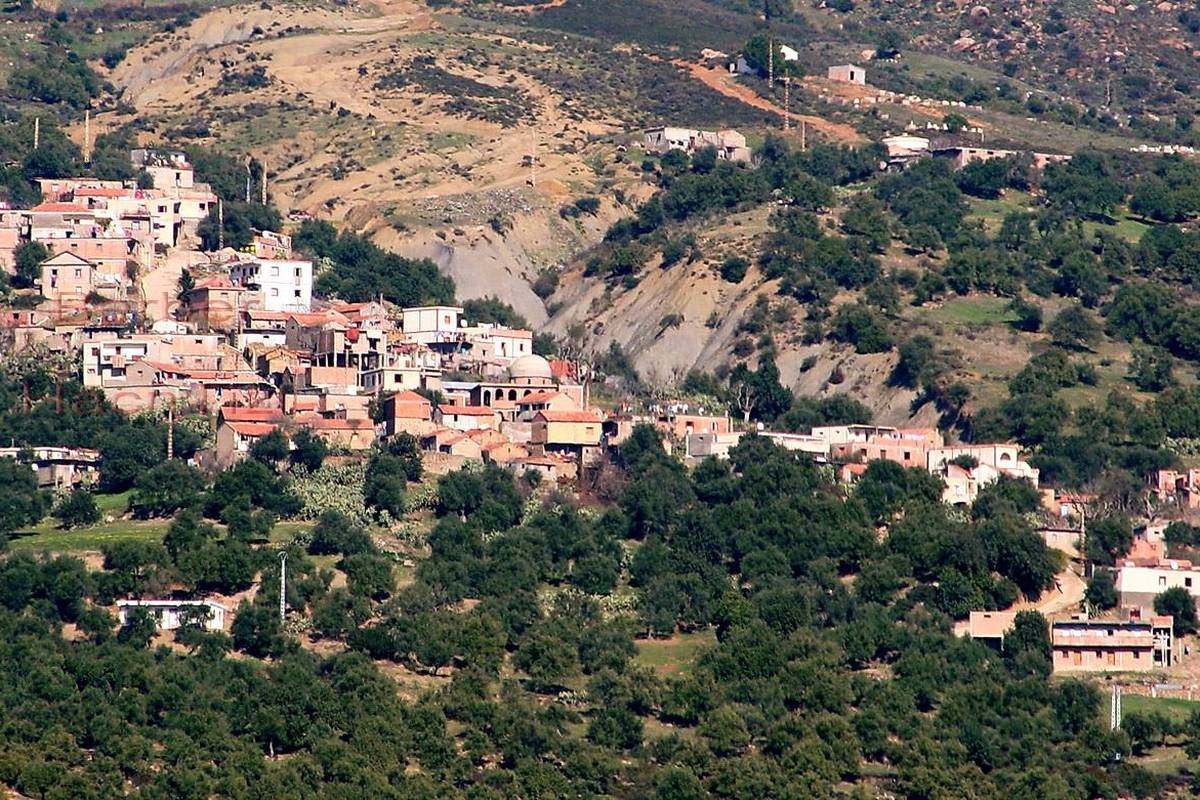
This article covers a narrow topic: an Atlas vs Sahara stay analysis built around a village-by-village comparison. The High Atlas settlements of Imlil and Aroumd have stone homes and communal bread ovens. The Sahara camps near Merzouga have dune-side tents with solar lanterns. The desert camp and mountain settings show two different kinds of isolation. Good remote Morocco picks balance cost and authenticity, such as the no wifi villages of Tazzarine where a night costs around 120 dirham (about 12 USD) including tagine dinner.
Readers get a practical look at these stays that goes past the photos. The series compares authentic and touristy experiences using concrete criteria: access roads, host family interaction, and meal sourcing. The Berber village comparison shows which stay gives real cultural exchange instead of a performance. The goal is clear guidance for choosing a mountain guesthouse or a desert camp without wasting time or money.
Understanding Off-Grid Morocco Options
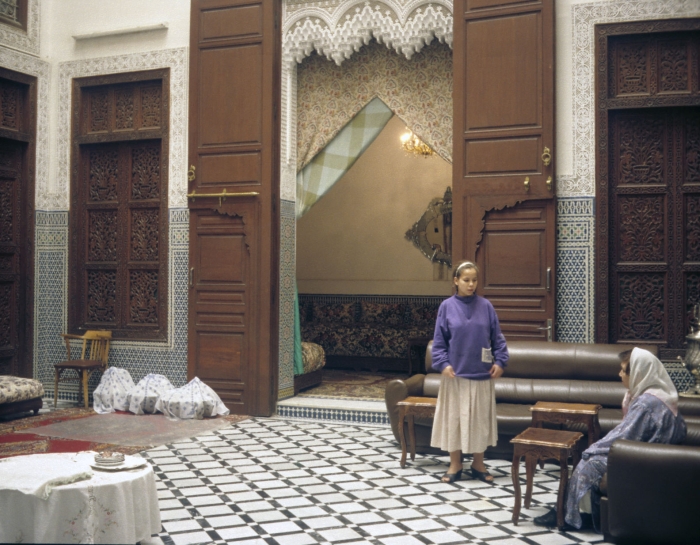
Photo: / CC BY-SA 3.0 / Wikimedia Commons
What Makes a Stay Off-Grid in Rural Morocco
In rural Morocco, a stay counts as off-grid when the household has no reliable grid electricity and the guest quarters have no internet. Villages without wifi sit in the High Atlas and pre-Sahara foothills, where households use solar panels or small generators for a few hours of evening light. Traveling without power means the visitor accepts candle-lit dinners, hand-washed linen, and mobile phones charged only at the rare village shop with a car battery. These settings differ from a Desert camp vs mountain lodge that may keep a generator hidden behind the dunes.
Beyond the missing screens, poor infrastructure shapes the whole trip. Paved roads end 12 km from Imilchil, and only a minority of Atlas communes have all-season road access. Water comes from a spring or tanker, and toilets are basic pit latrines. For the budget planner, a 3-day stay in a Berber home runs about 240 MAD per night with tagine and bread, against 900 MAD at a Saharan camp with Starlink. Remote Morocco trips require accepting that a flat tire near Taznakht can end a day rather than delay a schedule.
To tell authentic stays from touristy ones, three checks help. Ownership: a Berber household scores well when the host family lives on-site year-round, not only in summer. Food sourcing: real tables use market vegetables from the weekly souk in Asni, not frozen imports. Pace: slow travel skips the staged 7 am camel procession for Instagram. Off-grid stays build trust when the plan follows village rhythm, like a bread-baking lesson in Ait Bouguemez. The Atlas vs Sahara stay decision should weigh these points, since a touristy camp can copy mud brick and still miss the local economy.
Types of Remote Stays From Berber Villages to Kasbahs
When evaluating off grid Morocco options, travelers should compare Berber villages by road access from Marrakech, daily rhythm without connectivity, and price per night including meals. In the Atlas vs Sahara stay debate, mountain villages such as Imlil (1,740m) sit just 64km from Marrakech yet offer no wifi, and mule tracks replace paved roads. A typical homestay in Tizi Oussem costs around 250 MAD per person with dinner, a budget figure slow travel planners track closely. Kasbah stays present a different model of remote lodging. These restored fortified homes, like Kasbah Amerdhil near Skoura built in the 17th century, often pair thick adobe walls with solar panels and limited generator use. Eco lodges add another model, with properties such as the Atlas Mountain Eco Lodge using greywater recycling and serving produce from on-site gardens. Both options score higher on comfort while keeping an authentic feel when owned by local families. For those weighing desert camp vs mountain, nomad tents remain the purest desert alternative. In Erg Chebbi outside Merzouga, Berber families pitch goat-hair tents with woven rugs and a shared tagine pot, with zero grid connection from May to October. This remote Morocco experience trades privacy for starlit silence, a tradeoff worth weighing against your own expectations of terrain.
Atlas Berber Villages Access and Logistics
Getting to Berber Villages in the High Atlas
Reaching the Berber villages of the High Atlas starts on the paved R203 from Marrakech to Asni, about 50 kilometers and a 90 minute drive. Past Asni the road becomes a single-lane mountain track and the last 12 kilometers to Imlil are a rough scree-covered lane that only high-clearance vehicles can manage. From Imlil you must go on foot. Aroumd sits at 1,900 meters and takes a 4-kilometer mule path climb of 400 meters. Travelers without a local guide often underestimate the switchbacks to Tacheddirt, a village at 2,300 meters where vehicles have been banned since 2018. The Atlas and the Sahara need different logistics. Desert camps near Merzouga get guests through organized 4x4 convoys from Erfoud, a one-hour drive on flat sand roads. In the Atlas, connectivity ends well before you arrive. No villages on the route have wifi and the last reliable signal disappears at Ouirgane, 25 kilometers before the inner valleys. There is no signal across the 15 kilometers to Imenane. This is part of the split between authentic and touristy travel. Some operators promise satellite internet at luxury kasbahs, but traditional Berber settlements keep radio contact with valley chiefs. Sahara tented camps often run generator-powered wifi while High Atlas homes use candlelight. Planning a remote Atlas trip means booking mules ahead and hiring certified guides from the Tabrant Association. A three-night stay requires packing food because village markets in Amssakrou close by 7pm. Compared with coastal remote riads, the Atlas is the hardest to reach but gives the deepest cultural exchange. These off grid options suit slow travelers who measure distance in hours walked rather than kilometers driven.
What to Expect Power-Free Travel in Mountain Communities
Travelers comparing an Atlas and Sahara stay in a Berber village see that villages in the High Atlas run without national grid power. In Aroumd at 1,800 meters, homes use a 50-watt micro-solar kit installed in 2018 that gives four hours of evening light, then propane lanterns and beeswax candles. Cooking happens on wood stoves and water warms in roof solar bags. Phones stay uncharged because no signal reaches the valley. Days follow sunlight, with breakfast at dawn and dinner by 8pm.
Rural Morocco hospitality defines these stops. In Tacheddirt, guests get mint tea within five minutes, a Berber custom since the 1990s. Imlil Valley homestays charge 120 to 180 dirhams nightly with dinner, cheaper than coastal hotels. Meals are lamb tagine with apricots and barley bread from clay ovens, often using produce from the Friday souk. Unlike a desert camp setup, these no wifi villages favor face-to-face talk, a real contrast for slow travel.
The best remote Morocco village stays stay safe with prep. Mule paths to Ikkiss are kept by local groups since 2015, with signs in Tamazight and French. January lows hit -2C, so pack 0C sleeping bags and a headlamp. Kasbah du Toubkal gives wool blankets and propane showers. Incidents are rare. Beds are firm and rooms cold but clean, meeting backpacker basics. Hiring a local guide for 200 dirham makes navigation easier.
Cultural Immersion With Local Families
These stays show a clear gap between authentic and touristy homestays. Staying with a family in Tizi Oussem means no private bathroom, no wifi, and shared tagine dinners where the host speaks Tamazight. A touristy foothill guesthouse, by contrast, may advertise wifi, en-suite bathrooms, and set dinner menus - comfort, but little contact with the household.
Sahara Desert Camps and Nomad Tents
Desert Camp vs Mountain The Terrain Difference
The Berber village comparison begins with the ground beneath the feet. In the High Atlas, the no-power villages cluster around terraced valleys such as Imlil at 1,740 meters, where walnut groves and snow-fed streams cut through red clay villages. The Sahara stay experience, by contrast, plants travelers in Erg Chebbi's dune fields near Merzouga, where the sand rises to 150 meters and the horizon holds no structural landmark for 50 kilometers. This Atlas vs Sahara stay landscape divide changes everything from packing lists to daily rhythm.
Climate magnifies the split. A desert camp vs mountain setting means swapping crisp alpine air for extreme aridity. January nights in the Atlas can drop to -5 Celsius with frozen tap lines, while summer highs linger at a manageable 24 Celsius. The Sahara camp in August routinely hits 45 Celsius at noon, then plunges to 8 Celsius after sunset, demanding layered clothing and constant water discipline. For slow travel planners tracking budget heating or shade needs, the mountain wins on comfort but loses on raw novelty.
Wildlife and silence further distinguish the two. The Atlas shelters Barbary macaques in the Azzaden Valley and migratory raptors that nest on cliff ledges, with stream noise breaking any quiet. The Sahara offers a different sensory test: outside a few desert camp vs mountain outliers with generators, most nomad tents sit in absolute stillness broken only by wind across sand. That silence is why no-wifi villages in the High Atlas and unplugged Sahara camps both rank among best remote Morocco picks for authentic vs touristy reset. Most Atlas hamlets have no signal at all, while some luxury Sahara camps now run Starlink, so the mountains still win for a true disconnect.
Sleeping in Nomad Tents Authenticity and Comfort
Traditional nomad tents in the Sahara are hand-built from woven goat hair or camel wool. Berber families sew the panels and stretch them over wooden poles. The fabric breathes in the heat and holds warmth at night. A gap at the center lets smoke from the cooking fire escape. Mountain Berber homes, by contrast, are built from stone and mud brick for the cold.
The authentic vs touristy divide shows up in the desert camp vs mountain choices. Real nomad camps give you floor cushions, shared tagine meals, and no electricity. Luxury tourist camps set up canvas tents with iron beds, private toilets, and generators running until midnight. Travelers who choose the luxury sites lose the silence that defines remote stays. The best remote Morocco experiences use the simpler setup.
Preparing for power free travel means bringing a 20,000 mAh power bank, a small solar panel, and a headlamp with spare batteries. Download offline maps of the Erg Chebbi dunes before leaving Merzouche. No wifi villages appear across both desert and High Atlas, so print confirmations and carry Moroccan dirham in cash. A budget planner would note authentic camps cost 250 MAD per night versus 1,200 MAD for luxury.
Access Challenges to Remote Sahara Stays
Planning routes to the best remote Morocco dunes means first picking between Erg Chebbi near Merzouga and Erg Chigaga by Mhamid. From Marrakech, the drive to Merzouga covers about 560 kilometers and takes nine hours on the N10 and R702. Reaching Erg Chigaga requires another 60 kilometers of sand track past Mhamid. A look at Berber villages shows that Atlas villages like Aroumd or Tizi Oussem lie just 65 kilometers from Marrakech with paved roads to Imlil and a final 3 kilometer walk or mule ride. The Atlas vs Sahara stay decision comes down to this access gap. For the deep Sahara, you need a 4x4 on the last stretches to Chigaga, and since 2019 official rules require a licensed guide for any overnight stay in the Erg Chigaga protected zone. Tourist police at Mhamid check permits and vehicle condition before letting convoys through. The no wifi villages of the High Atlas, by contrast, accept independent trekkers without mandatory guides, though a local Berber host makes the authentic vs touristy balance better. Desert camp and mountain access differ a lot: a Sahara camp needs arranged transport packages from 1,200 MAD per person, while an Atlas guesthouse often costs 300 MAD with public bus access. The best remote Morocco dune experiences cluster around Merzouga's Erg Chebbi, where luxury camps run November to February, but the Atlas villages stay workable all year with markets in Asni every Saturday. A slow travel planner points out that the authentic vs touristy split favors Atlas hamlets with women's argan cooperatives, unlike Sahara camps built around quad bike tours. For budget trips, the Atlas vs Sahara stay choice is clear: mountain villages give more cultural contact with less logistics overhead.
Kasbah Stays and Eco Lodges The Middle Ground
Kasbah Stays Fortified Heritage With Basic Amenities
Kasbah stays are fortified mud-brick guesthouses converted from traditional Berber and Arab strongholds. Many structures in the Draa Valley and High Atlas date to the 17th century. The Kasbah of Tamnougalt, built around 1600, now holds a family-run lodge where travelers sleep in thick-walled rooms that stay cool without air conditioning. Among Moroccan stays, these properties fall between a raw Berber village and polished desert camps, giving slow travelers a practical middle ground with heritage and without total deprivation.
Kasbahs once stored grain and sheltered local clans as defensive homes. Today many run as small hotels with shared courtyards and rooftop terraces. The Kasbah du Toubkal, restored in 1995 from a 19th-century fort near Imlil, uses solar power for evening lights but keeps no wifi in its upper rooms, so guests disconnect. This mix of solar power and no connectivity shows how kasbahs meet both authentic and tourist needs: they give beds and cooked meals but skip modern networks. Their fortified architecture also controls temperature, lowering heating needs in winter.
Travelers choosing between Atlas and Sahara stays will find kasbahs in both. In the Atlas, Kasbah Bab Ourika charges about 550 MAD nightly and buys tagine ingredients from the weekly Asni market. On the Sahara fringe, Erfoud's kasbahs trade mountain air for date-palm shade. Unlike desert camps or mountain extremes, kasbahs give solid roofs and basic amenities, making them a common pick among remote Morocco stays for budget visitors who want local food and a real sense of place. A typical stay includes mint tea and barley pancakes for breakfast, keeping costs predictable for slow travelers.
Eco Lodges in Rural Morocco Sustainable but Connected
Eco lodges in rural Morocco sit between the fully off-grid villages and standard hotels, with limited connectivity that sets them apart from isolated hamlets. The Atlas Kasbah Ecolodge near Taroudant has run on solar power since 2009 and limits wifi to the reception courtyard, so rooms have no connection. Cedar Valley Ecolodge outside Azrou offers satellite internet only at the restaurant desk. For travelers choosing between Atlas and Sahara stays, these mountain retreats keep a sustainable rhythm with some connection, which desert camps do not provide. Cultural programs tie the stay to local life. At Kasbah du Toubkal in Imlil, guests join Amazigh bread baking every Tuesday and Thursday with village women each week. Near Ait Benhaddou, the Cooperative Tissage workshop teaches traditional weaving and passes proceeds to Berber artisans. These activities make the lodges strong remote Morocco stays for exchange rather than passive viewing. The contrast with Berber villages shows the authenticity trade off. Real homestays in no wifi High Atlas villages show daily routines without filter, while eco lodges shape the meeting. This balance gives visitors comfort and a taste of local culture. Eco lodges mix both settings, showing these stays can be genuine without going to extremes.
Authenticity Check Berber Village vs Touristy Alternatives
How to Spot Authentic vs Touristy Stays
Travelers comparing stays soon see that telling a real Berber village from a staged show is not always easy. When choosing between Atlas and Sahara stays, the first signs of touristy packaging show up in how the trip is sold. Many operators near Merzouga now advertise Desert camp versus mountain bundles with private 4x4 transfers, fixed three day itineraries, and the same set tagine menu at 19:00. In 2024 a standard luxury tent ran about 1,200 MAD per night, but guests seldom met anyone local except the assigned waiter. Staged music, pre arranged stalls, and a hidden wifi router behind a curtain completed the setup.
Community Benefit and Cultural Immersion Depth
The village stay shows a clear gap in how tourism money reaches rural households. In the Atlas Mountains, a stay at a family-run guesthouse in Imlil or the Toubkal foothills sends most guest spending to the local cooperative. That local economic return differs from many Sahara camps near Merzouga, where foreign owners send profits abroad and hire seasonal staff from outside the area. For travelers deciding between Atlas and Sahara stays, this difference counts when looking at options that actually support communities. Cultural immersion follows the same split. A night in a village without wifi, such as Tacheddirt, means baking bread with the host family, speaking Berber with them, and joining the olive harvest if you visit in November. The difference from staged tourism is obvious next to a luxury desert camp or mountain lodge that puts on folklore shows for bus groups. Slow-travel research finds the strongest remote Morocco experiences are ones where guests join daily life instead of watching it. Mountain homestays bring real community benefit and closer cultural exchange than touristy alternatives. Picking a no-power homestay in the High Atlas keeps local incomes going and gives the traveler a resident's view, something commercial Sahara trips seldom match.
Choosing Your Off-Grid Morocco Experience
The Atlas versus Sahara stay tradeoff comes down to climate, community access, and daily rhythm. In the High Atlas, villages such as Imlil and Tacheddirt sit at 1,800 meters, where Saturday markets in Asni supply fresh produce and Berber families run guesthouses for around 200 MAD per night. The experience leans slow, with mule trails and communal bread baking. By contrast, Sahara camps near Merzouga average 800 MAD and often rely on generators, placing them closer to the touristy end of the scale. A desert camp instead of a mountain stay means trading terraced orchards for dune silence, but losing regular contact with local food systems. The no-power stay map stretches from Tizi Oussem, a no wifi village with zero cellular signal, to remote Draa Valley kasbahs where solar panels power a single light. The best remote Morocco choices balance isolation with cultural depth. Travelers who study the map see that Atlas communities offer more year round agriculture, while Saharan sites peak in October through March with cooler nights. This geographic spread shows that off grid Morocco options vary by elevation and rainfall rather than following one model.
On price, hold one anchor: a genuine village guesthouse runs 100 to 200 MAD per person per night, dinner often included. A quote far above that band means you are looking at a camp, a kasbah, or a commission — not a village night.
The whole comparison, compressed:
| Stay | Typical rate | Power | Connection | Pick it for |
|---|---|---|---|---|
| Atlas village guesthouse | 100–200 MAD per person | none; solar lamps | none | immersion at the lowest cost |
| Authentic Sahara camp | from ~250 MAD | none | none | dune silence, nomad contact |
| Luxury desert camp | ~1,200 MAD | generators to midnight | Starlink at some | comfort in the dunes |
| Kasbah stay | ~550 MAD | solar evening light | often partial | heritage with a solid roof |
| Eco-lodge | varies by property | solar | limited to reception | sustainability with soft beds |
The next step is to plan based on what matters most for authenticity. A traveler focused on real rather than touristy encounters should book a mountain homestay at least five days ahead, joining the weekly souk and budgeting 1,500 MAD for a week of meals and guides. Slower stays in Atlas villages yield stronger local ties than a two night desert stop. Choose the path that matches your appetite for real connection.
Official sources
Details worth verifying before you go — checked against:
Travel Writer & Editor
Emily Johnson writes and edits Do Travel Blog. Every guide on the site starts the same way: with a question she actually had while planning — when to book, which pass to buy, how to get from A to B without overpaying. Where a number matters, she cites the source: park tickets link to the park's own fee page, visa rules to the official consulate, ferry times to the operator. Prices get re-checked against those pages before each update, and a guide is re-dated when its numbers move. Nothing here is sponsored — she doesn't accept payment for coverage. Spotted something stale or wrong? Email hello@dotravel.blog and she'll fix it.