Moroccan Mint Tea Ceremony: Atay, the High Pour, and Three Glasses
The Moroccan mint tea ceremony — atay: why the pour is high, what the foam signals, the three-glasses proverb, and guest rules: shoes off, always accept.
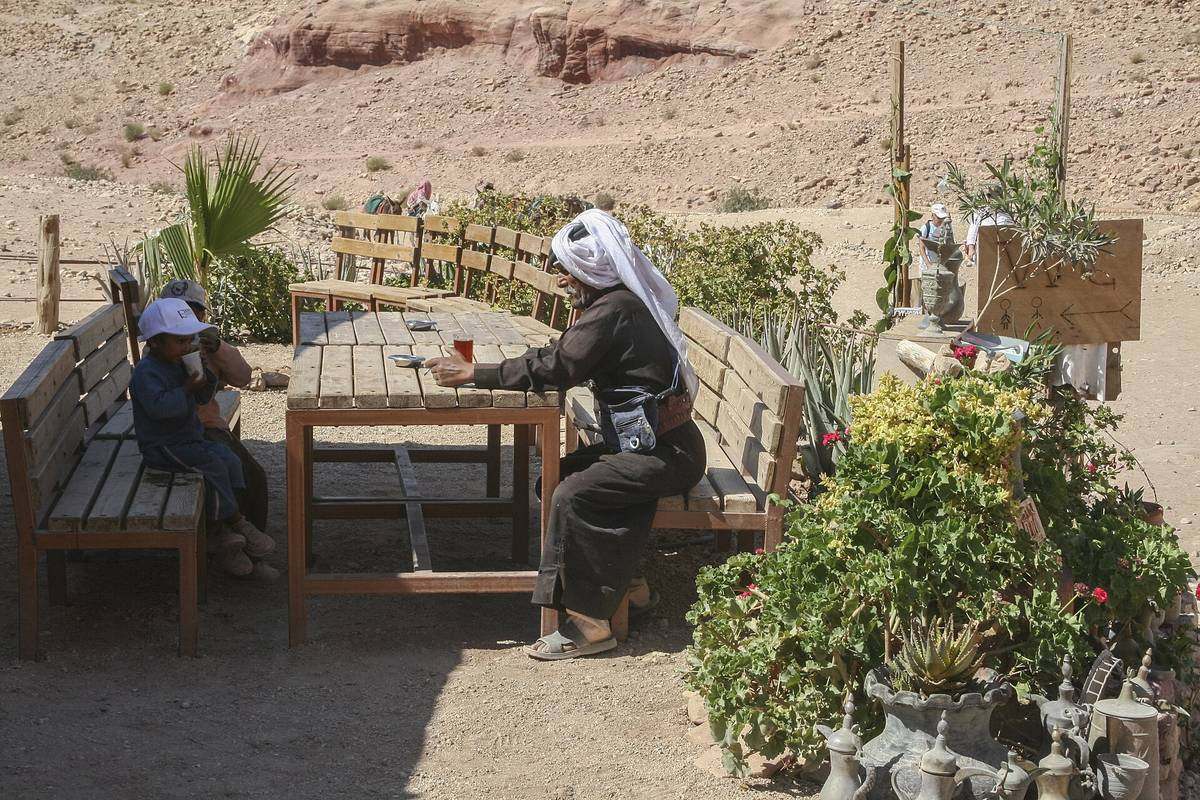
The Moroccan Mint Tea Ceremony: Atay in the Sahara
A small fire burns in the cold desert night outside Merzouga, where the Erg Chebbi dunes reach 150 meters. A cast-iron pot rests in the embers and the sweet smell of green tea with mint cuts the dry air. Visitors often arrive calling this the Bedouin tea ceremony; in Morocco that label is borrowed. The desert's hosts are mostly Amazigh — Berber — and the ritual they pour is atay, the Moroccan mint tea ceremony: a practiced routine that turns a plain drink into a way for strangers to meet. It follows beduin hospitality customs and grew from a mint tea tradition that spread through the North African interior in the 1800s. It uses gunpowder green tea, fresh mint, and a heavy hand with sugar. The server lifts the teapot high above the glass so the liquid aerates and a pale foam forms — the foam says the brew was made right. The three pours follow a saying heard in camps from Merzouga to Zagora: the first is bitter like life, the second strong like love, the third sweet like death. The drink matters less for caffeine than for matching the slow pace of the fire.
Cultural Roots of the Bedouin Tea Ceremony
Berber Customs and Desert Nomad Drink Heritage
The word Bedouin belongs to the Arab desert tribes of Egypt and Jordan; the tea travels south, but the people pouring it in the Moroccan Sahara are Amazigh (Berber). Their communities around Merzouga and the Erg Chebbi dunes have practiced formalized hospitality for over a thousand years, and their custom of welcoming strangers with a sweet infusion became the template for the ceremony travelers come looking for. Medieval Berber caravans in the Tafilalt region offered date syrup and later green tea with mint to travelers crossing the desert edge. After Chinese gunpowder green tea reached Tangier ports around 1854, Berber households adapted the leaf into a boiled brew sweetened with local mint and abundant sugar. The desert nomad drink evolved as a practical necessity for Tuareg and Bedouin groups moving between oases who needed a warming social ritual prepared over a small charcoal brazier. The pouring ritual, where the host raises the kettle high to aerate the liquid and build a foamy head, originated among these nomads to cool the tea and signal respect. In this tradition, three glasses are served, each with its own meaning
Beduin Hospitality and Social Bonding
In the Sahara, beduin hospitality requires that any guest entering a tent receives an immediate offer of tea. The ceremony is a required welcome rather than a casual refreshment. Near Merzouga, hosts light a brazier and begin the pouring ritual with gunpowder green tea, mint, and sugar. Refusing the first glass breaks deep social codes. The rules for arriving are just as fixed. Take your shoes off at the tent or house door — the woven mats are the clean zone, and stepping onto them in boots is the fastest way to give offense. Then always accept, even if you are not thirsty, in a hurry, or halfway through a drive: in the desert, tea is never refused, and the guest who waves it away waves away the host with it. You may leave after the first glass without insult; you cannot refuse the first glass at all. This obligation comes from a 200-year-old desert survival ethic in which sharing a desert nomad drink created a temporary alliance between traveling groups. Social bonding happens through the structured pacing of the tea service. Hosts serve three small glasses in sequence, each poured from 30 centimeters high to aerate the liquid. As the afternoon passes, conversation moves from logistics to genealogy. A Merzouga tea session usually lasts 40 minutes, giving strangers time to become allies. Cultural exchange benefits when travelers join local nomads and learn harvest and tribal history. Social bonding is literal here. Disputes between camps have long been settled over a shared ceremony. The green tea with mint acts as neutral ground where age and rank disappear. Through repeated rounds of pouring, the host signals lasting friendship and turns a simple drink into a contract of mutual protection.
Storytelling Around Fire During Tea Ritual
Around the low acacia-wood fire in the Erg Chebbi dunes near Merzouga, the tea ceremony turns into a storytelling session that links generations. The tea is a desert nomad drink and a prompt for oral history. Elders start with genealogies tracing trade routes from the 1700s, while younger nomads listen and add verses. This firelit narrative is the ritual core of these tea gatherings, where the pouring syncs with the cadence of tales. Cultural exchange happens in these circles. On a typical evening, a small group of travelers from Lisbon, Berlin, or Tokyo sits alongside Sahrawi families, each sharing a story prompted by the green tea with mint served in three rounds. The first glass tells of origins, the second of journeys, the third of hopes. The tea's sweetness balances the bitter base, much like the blend of foreign and local narratives shared during the rounds. Tea nights have become a primary point of contact between visitors and nomad families. Beduin hospitality dictates that no story is rushed and no cup left unfilled. The evening tea ceremony atmosphere deepens after sunset when temperatures fall to about 14°C and the wind quiets over the sand. Firelight flickers on copper pots as the host performs the high pour, creating a frothy foam that signals readiness. Stars appear with exceptional clarity, and the shared silence between stories becomes as meaningful as speech. For slow-travel planners, reserving one night for this intimate practice costs roughly 50 Moroccan dirhams yet delivers more authentic insight than a full day of guided tours. The Bedouin tea ceremony is a practical, budget-friendly anchor of Sahara cultural immersion.
Traditional Ingredients for Moroccan Desert Tea
Green Tea with Mint as the Base
The base of any authentic version of the ritual in the Sahara begins with gunpowder green tea, a Chinese leaf rolled into small pellets. In the Erg Chebbi dunes near Merzouga, local preparers use roughly 2 tablespoons of grade-1 gunpowder tea per liter of boiling water, a ratio refined over generations of preparation. This smoky leaf forms the backbone of the green tea with mint infusion that defines Saharan hospitality.
Sugar Cubes and Sweetness in the Ceremony
The tea ceremony in the Sahara puts sugar cubes at the center of the tea preparation. In a typical session, hosts place small white cubes next to gunpowder green tea and mint. A standard pour uses three cubes per glass, though some nomad families add five for honored guests. The cubes melt during the high pour from the ornate pot and form the froth that defines the drink. This sweetness is part of Bedouin hospitality and signals respect. The traditional brew is deliberately sweet, with 20 to 30 grams of sugar per serving. Current advice limits added sugar to 25 grams a day for women, but the Erg Chebbi heat raises caloric need and nomads valued quick energy. Visitors should know that refusing the cup can slight the cultural exchange the ceremony encourages. People watching blood glucose can ask for half cubes, though hosts may take reduced sweetness as offense without a gentle explanation. Beyond the literal ingredient, the act of sweetening the tea carries meaning in the camp.
Herb Additions and Regional Variations
The base of green tea with mint defines the classic version, but the tea ceremony in Morocco's deep south gains character from foraged herb additions. Along the Erg Chebbi dunes near Merzouga, locals often stir a small bunch of lemon verbena (Aloysia citrodora) into the pot. This practice traces to Berber customs that classified desert plants by their cooling or warming properties. A host may also add absinthe (Artemisia absinthium) gathered from wadi beds, lending a slightly bitter edge that balances the sugar. Verbena turns up in many nomad camps across the Tafilalt region. Local desert plants shape the drink's profile. Rue (Ruta chalepensis) grows in rocky outcrops near Zagora and appears in winter brews as a digestive aid. Desert wormwood, a close relative of absinthe, thrives in the Draa Valley and is harvested each March by Berber families who dry it for the year. These botanicals do more than flavor the tea. They reflect plant exchange across the Sahara that has continued since caravans carried species between oases. The pouring ritual uses the herbs as a gesture of Bedouin hospitality, with the host picking stems for the guest's condition, such as verbena for a traveler with heat fatigue. Regional variation follows tribal geography. Around the village of Rissani, Saturday markets sell bound verbena for 8 Moroccan dirhams (0.80 USD) per 50-gram bunch, making the desert nomad drink accessible to budget visitors. Tuareg-influenced camps west of Tata add a pinch of wild thyme alongside mint, while eastern oases near Figuig prefer absinthe alone. Each variation records local ecology and Berber plant knowledge built over centuries, so the cup works like a map of the Sahara.
The Pouring Ritual and Glass Height
Step-by-Step Pouring Ritual
The tea ceremony uses a careful pouring ritual that starts before the first glass is filled. In a typical preparation, the host heats a brass berrad on coals, adds 2 tablespoons of gunpowder green tea, a large handful of fresh mint, and 5 sugar cubes per cup. After a first boil, the mix steeps for 3 minutes. This green tea with mint base defines the drink served near Merzouga. The pouring requires the pot to be lifted high above the glass so the liquid gets air.
Glass Pouring Height and Foam Creation
The tea ceremony relies on a pouring technique that makes a plain drink into a gesture of hospitality. During the pour, the host lifts the metal teapot, called a berrad, about 25 centimeters above the small glass rim. In the Merzouga tradition, experienced pourers raise the pot to shoulder level, so the stream travels 30 centimeters before it hits the glass. This height is deliberate. It controls temperature and shows respect for the guests. The height creates the foam that sits on top of each glass. As the tea falls through the air, it picks up tiny bubbles that form a pale froth. Local practitioners call this layer the rqa, or success foam, and its presence shows the brew was made right. The aeration also drops the temperature from near boiling to a warmth you can drink without burning your lips. A thin foam line is how onlookers judge the maker's skill. For visitors, the pouring is a live skill demonstration. In a typical session, the host may pour with one hand behind the back or move the stream in a slow arc, keeping the foam intact. This control is central to the ritual, showing the guest is honored. Shared laughter and careful pouring build the cultural exchange that travelers cite as a highlight of slow desert stays. The technique is taught openly, and many guests try the high pour before the session ends.
Meaning of Three Cups of Sahara Mint Tea
The tea ceremony in the Sahara follows the proverb hosts recite as they pour: the first glass is bitter like life, the second strong like love, the third sweet like death. The same leaves are steeped again for each round, so the flavor genuinely shifts — the first glass pours quick and sharp, the second has more body, and the third, sweetened hardest, is the softest and the slowest. The saying doubles as a timetable for guests. Leaving after the first glass is polite; staying for the third is a compliment to the house. The structure mirrors a visit, from arrival to farewell.
Beyond symbolism, the rounds of pouring create a social framework for the ritual. In a long session, the host may refill glasses multiple times within each of the three servings, turning the act into a slow conversation that can span two hours or more. Such sessions give travelers a cultural exchange they rarely forget, as stories pass between host and guest with every pour movement. The height from which the tea falls aerates the brew, but the repetition of serving cements community.
Bedouin tea hospitality dictates that no traveler is turned away without at least one cup, and ideally all three. Among Bedouin families near Erg Chebbi, refusing the first serving is considered an insult to the host, while staying for the full sequence signals respect. This practice sustains trust across isolated encampments where water and shade are precious. The ritual thus functions as both refreshment and a quiet contract of mutual care.
Sahara Mint Tea Recipe and Preparation Steps
Ingredients and Tools for the Recipe
The tea ceremony in the Sahara uses a short list of ingredients measured with desert practicality. For a single pot serving six glasses, the base is one tablespoon of gunpowder green tea, typically the Chinese-grown variety prized for its tight rolls. The preparer adds a full bunch of fresh spearmint, roughly 35 sprigs stripped from the stem, and three to four tablespoons of white sugar, adjusted to taste but traditionally sweet enough to balance the bitter brew. One liter of bottled or boiled spring water completes the mix. These proportions reflect the drink's role among desert nomads as both refreshment and welcome.
The equipment is as specific as the recipe. The Moroccan desert tea is brewed in a berrad, a tapered stainless-steel or silver pot with a long curved spout used for the signature pour. In Merzouga, a village of 5,000 at the edge of the Erg Chebbi dunes, local hosts use the same pot shape passed through generations. Small 100 ml glasses, often painted with cobalt geometric patterns, are set out without handles. In Merzouga, visitors invited to a woven mat see green tea with mint poured from arm's height, a moment travelers remember for its warmth. The precise tools anchor the ritual in place and history.
Tea Preparation Steps at Home
Making the tea at home starts with the first step of the tradition: boil water and steep gunpowder green tea. Authentic recipes use one heaping teaspoon of Chinese gunpowder green tea per 250 milliliters of water. Water comes to a full boil at 100 degrees Celsius. Before the main steep, pour hot water over the leaves, swirl, and discard this first rinse to wash off dust from the leaves. Then add the rest of the boiling water and let the tea steep two to three minutes so the leaves open up and give a brisk, smoky base. For slow-travel cooks, local markets in Morocco sell these ingredients cheaply, with mint bunches around 2 MAD. The next step is the signature part of the Bedouin tea ritual: add mint and sugar cubes to the pot. Put a generous handful of fresh spearmint (Mentha spicata), about 10 to 12 leaves per cup, in the pot with five or six sugar cubes for balanced sweetness. Bring the mix back to a gentle boil for one minute so the mint steeps and the sugar dissolves. This matches camp practice, where hosts change the sugar to taste and may use up to 8 cubes for a sweet desert palate. The final steps focus on the high pour of beduin hospitality. With a long-spouted kettle, the brewer lifts the vessel 30 centimeters above the glass and pours a thin stream to make a light foam called the rqa.
Serving in the Bedouin Style
The last part of the ritual turns a plain drink into a shared moment. In the Erg Chebbi dunes near Merzouga, hosts pour the tea by lifting the decorated silver teapot about 30 centimeters above the small glasses. The fall builds a frothy foam on the surface.
Bottom line
The tea ceremony stays at the center of Saharan social life and shows beduin hospitality in plain terms. For centuries, the pouring ritual has opened negotiations, welcomes, and family gatherings across the Sahara. Sahara mint tea mixes green tea with mint and a lot of sugar, and nomadic groups treat it as a daily drink that keeps them connected. In Merzouga, the tea session is part of how cultural exchange happens: travelers watch three separate pours that cool the liquid and raise foam. People who try Moroccan desert tea at home should keep the slow pace. Heat water to 95 degrees Celsius, steep Chinese gunpowder green tea for 3 minutes, then add fresh mint leaves and sugar cubes. The host pours from 40 centimeters up to aerate the brew, which is why the ritual takes time. Copying the ritual without rushing respects the original context. In the Sahara, join a local camp's evening service. Accepting three glasses tells the host you trust them. Many Merzouga guesthouses now run a traditional tea demonstration, which brings extra income to nomadic families. Visitors who learn the recipe and watch the pouring take part in an exchange that helps both sides. This basic drink has helped people survive and welcome strangers in hard country.
Official sources
Details worth verifying before you go — checked against:

Travel Writer & Editor
Emily Johnson writes and edits Do Travel Blog. Every guide on the site starts the same way: with a question she actually had while planning — when to book, which pass to buy, how to get from A to B without overpaying. Where a number matters, she cites the source: park tickets link to the park's own fee page, visa rules to the official consulate, ferry times to the operator. Prices get re-checked against those pages before each update, and a guide is re-dated when its numbers move. Nothing here is sponsored — she doesn't accept payment for coverage. Spotted something stale or wrong? Email hello@dotravel.blog and she'll fix it.