Bargaining in Marrakesh: How to Avoid Overpaying
Learn how to bargain in Marrakesh. This Marrakech souks shopping guide helps you avoid tourist traps and negotiate like a local.
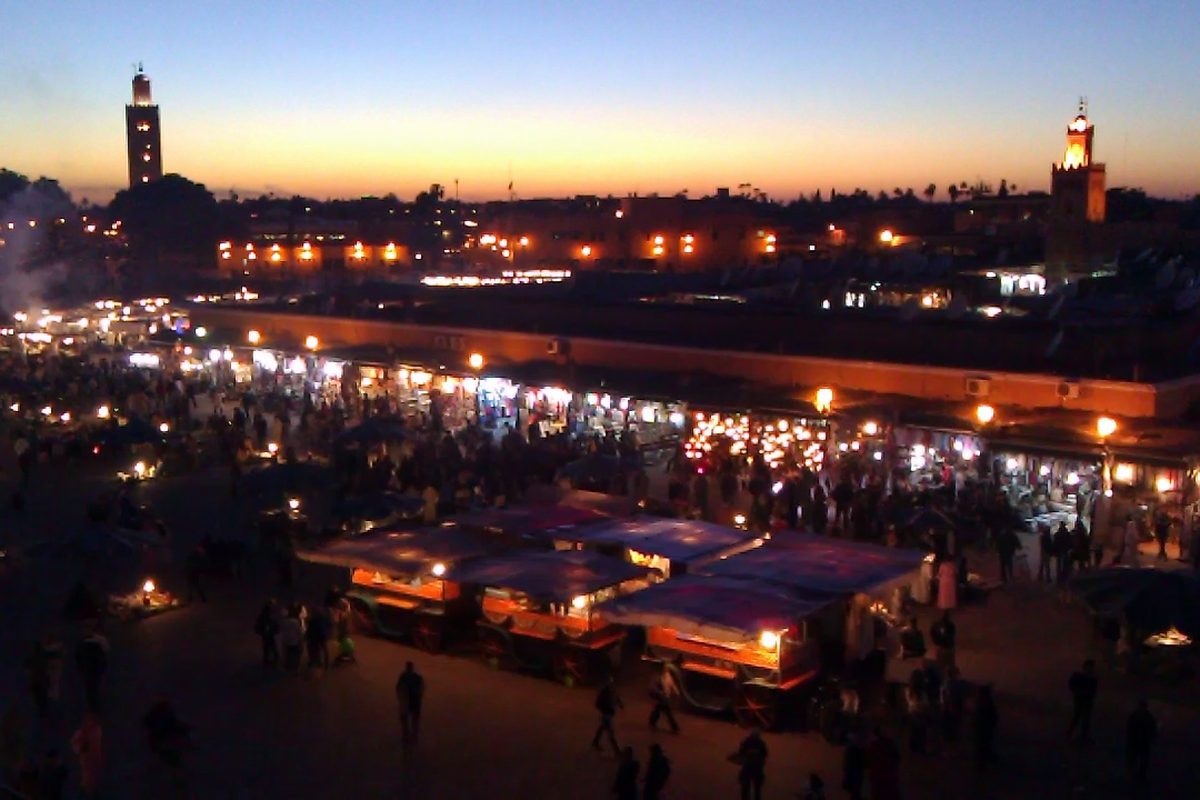
Understanding the culture of commerce in Marrakesh
Walking into the Medina of Marrakesh for the first time is a sensory overload. The smell of cumin and leather, the shouting of vendors, and the colors in the souks create an atmosphere that is both exhilarating and intimidating. For many visitors, the most stressful part is the price tag. In the West, we are used to fixed prices. You see a tag, you pay the amount, and the transaction ends. In Morocco, specifically when bargaining in Marrakesh, the price is a conversation.
To navigate the Marrakech souks shopping guide, you must first understand that haggling is not seen as rude. It is a social ritual. When a vendor gives you an initial price, they are starting a game. The goal is to reach a price where both the buyer and the seller feel they have won. If you pay the first price asked, you are denying the vendor the pleasure of the negotiation, which is a core part of Moroccan commerce.
The psychology of the souks
Successful bargaining in Marrakesh requires a shift in mindset. You are not just buying a lamp or a rug; you are engaging in a battle of wills. The vendor has the home-field advantage. They know the alleys and the products, and they know how much a tourist from your specific country is likely to pay.
The anchor price
The first price mentioned is called the anchor. It is intentionally high, often double or triple the actual value of the item. This anchor sets the boundaries of the negotiation. If the vendor asks for 1,000 Dirhams and you immediately offer 900, you have accepted their anchor. The key to avoiding tourist traps Marrakesh is to reset the anchor immediately with a counter-offer that seems low but remains respectful.
The power of indifference
The person who cares less about the transaction usually has the upper hand. Vendors are experts at reading body language. If you gasp at a beautiful leather bag or tell the seller it is exactly what you were looking for, you have signaled that you are willing to pay a premium. To get the best price, maintain a level of strategic indifference. Admire the craft, but question the utility or the price point. The moment you look ready to walk away is the moment the price begins to drop.
Practical steps: How to haggle in Morocco
Knowing the theory is one thing, but applying it in the moment requires a system. Follow these steps to ensure you do not overpay.
Step 1: The research phase
Before you enter a shop, do your homework. If you want a specific type of Berber rug, spend a few hours walking through different sections of the souks without buying anything. Ask for prices on similar items. This gives you a baseline for what the "tourist price" is versus the "negotiated price." When you finally decide to buy, you will have a better sense of the market value. For a detailed breakdown of costs, see the Marrakesh Price Guide.
Step 2: The opening gambit
Once you have selected an item, ask for the price. The vendor will give you the anchor. Your response should be a counter-offer that is roughly 30% to 50% of their initial ask. This might feel aggressive, but it is the standard opening move in the Marrakech souks shopping guide. If they react with shock, do not apologize. Simply smile and stay firm.
Step 3: The incremental climb
Negotiation is a series of small steps. If they drop from 1,000 to 800, you move from 300 to 400. Never make large jumps in your offer, as this suggests you have plenty of room to go higher. The goal is to meet in the middle, but you want that middle point to be as low as possible.
Step 4: The walk-away
This is the most powerful tool you have. If the price is still too high, thank the vendor and begin to walk away. In many cases, the vendor will call you back with a final, lowest offer. If they do not call you back, it means you have hit their absolute floor price. If they do call you back, you have won the psychological game.
Navigating common tourist traps in Marrakesh
Marrakesh is a world-class destination, but its popularity makes it a breeding ground for common scams. Being aware of these is essential.
The "helpful" guide
As you wander the Medina, you may encounter young men who offer to show you the way to a specific square or a "secret" workshop. Be wary. These guides are rarely just being helpful. They usually lead you to a shop owned by a relative where they receive a commission on any sales. This puts pressure on you to buy and often inflates the prices. If you are lost, use a digital map or ask a shopkeeper who is physically inside their store.
The henna artist trap
In Djemaa el-Fna, women may grab your hand and start applying henna before you have agreed to it. Once the ink is on your skin, they will demand a price that is far above the market rate. Always negotiate the price of the henna before the needle touches your skin, or simply say "no thank you" firmly and keep moving.
The "closed" road
Some locals may tell you that a certain street is closed for a festival or construction, directing you toward a different route. Often, this route leads straight into a high-pressure sales environment. Trust your instincts. If a road looks open, it probably is. If you are unsure, check with multiple people.
Souk etiquette and Moroccan hospitality
While the goal is to save money, remember that you are a guest in someone's country. Bargaining in Marrakesh should be a friendly interaction, not a hostile confrontation.
The role of mint tea
In higher-end shops, especially those selling carpets or expensive jewelry, you will likely be offered mint tea. This is a hallmark of Moroccan hospitality. Accepting the tea does not mean you are obligated to buy, but it does signal that you are a serious buyer. The tea slows down the process and builds a relationship. Use this time to ask about the origin of the product and the techniques used to make it. This shows respect for the craft, which can help you negotiate a better price because the vendor sees you as an appreciative customer. This tradition is similar to the Berber desert hospitality found in the deeper south.
Knowing when to stop
There is a point where bargaining becomes greedy. Once you have reached a price that is fair for both parties, stop. Pushing for an extra 10 or 20 Dirhams might save you a dollar, but it can leave a bitter taste in the seller's mouth. For many of these artisans, these sales are their primary livelihood. A fair deal is one where you feel you got a bargain and the seller feels they made a profit.
Fixed prices vs bargaining
Not everything in Marrakesh is negotiable. Understanding the difference is key to avoiding awkward social interactions.
Where to haggle - Souks: All clothing, leather goods, lamps, and spices. - Street Markets: Food and small trinkets in Djemaa el-Fna. - Independent Boutiques: Most small shops in the Medina.
Where NOT to haggle - Supermarkets: Any store with barcodes and checkout counters. - Pharmacies: Medical supplies and toiletries. - High-end Hotels: Room rates and services. - Formal Restaurants: Menu prices are fixed. - Government Offices: Any official fee or tax.
If you see a price tag that says "Fixed Price," respect it. Attempting to haggle in these establishments is considered inappropriate.
A guide to product quality and value
To avoid overpaying, you need to know what you are actually buying. Not everything that looks "authentic" is actually handmade.
Leather goods
Marrakesh is famous for its tanneries. When buying leather, check the smell. Genuine leather has a distinct, earthy scent. If it smells like chemicals or plastic, it is likely synthetic. Check the stitching; handmade leather should have slight irregularities. If it is too perfect, it might be factory-made.
Textiles and carpets
Berber rugs are a major draw. To tell a handmade rug from a machine-made one, flip it over. A handmade rug will have knots that are slightly uneven on the back. Machine-made rugs have a perfectly uniform weave. Also, ask about the dyes. Natural vegetable dyes fade differently than chemical dyes. An authentic rug will have a story behind its patterns, which the seller should be able to explain.
Spices and saffron
When buying spices, be careful with saffron. It is the most expensive spice in the world, and fake saffron made from dyed corn silk is common. Real saffron has a distinct, hay-like aroma and will not lose its color immediately when placed in water. Buy spices from vendors who have a high turnover of stock to ensure freshness.
Advanced bargaining tactics for the experienced traveler
Once you have mastered the basics, you can use these techniques to further lower the price.
The "bundle" strategy
If you are buying multiple items from the same vendor, do not negotiate them individually. Pick out three or four items and negotiate a total package price. Vendors are much more likely to give a deep discount if they know they are making a larger overall sale. This is the most effective way to reduce the per-item cost.
The comparison tactic
Mention that you saw the same item in another shop for a lower price. Do not lie about the price, but be vague. Say, "I saw a similar lamp in the northern souk for 400 Dirhams." This forces the vendor to compete with their neighbors, which is a powerful motivator in the Medina.
The cash advantage
While more shops are accepting cards, cash is still king in the souks. Offering to pay in cash immediately can sometimes shave off a final percentage of the price, as it saves the vendor transaction fees and provides them with immediate liquidity.
Managing the emotional toll of the souks
Bargaining can be exhausting. The constant negotiation, the noise, and the pressure to buy can lead to decision fatigue. When you are tired, you are more likely to overpay just to end the interaction.
Take strategic breaks
Step out of the souks every hour. Find a rooftop cafe overlooking the Medina. Drink some tea, watch the chaos from above, and reset your mental state. When you return to the shopping area with a clear head, you will be a more effective negotiator.
Set a budget
Before you enter the Medina, decide exactly how much you are willing to spend on specific items. Write these numbers down in a notebook or on your phone. When the bargaining starts, refer back to your budget. If the seller cannot meet your limit, walk away without guilt. This removes the emotion from the transaction and keeps your finances in check.
Summary of the Marrakesh bargaining strategy
To enjoy your shopping experience without the regret of overpaying, keep these core principles in mind:
- Treat the process as a social game. Respect the vendor and the craft.
- Always start your counter-offer significantly lower than the anchor price.
- Use the power of indifference and be prepared to walk away from any deal.
- Avoid "helpful" guides who lead you to commissioned shops.
- Bundle multiple items together to secure a better overall discount.
- Verify the quality of leather and textiles by checking the back and the smell.
- Know the difference between negotiable souk prices and fixed commercial prices.
By following this Marrakech souks shopping guide, you turn a potentially stressful experience into a rewarding cultural exchange. The goal is not to strip the vendor of their profit, but to find a balance that respects both the buyer's budget and the seller's labor. Now, take a deep breath, enter the Medina, and start your first negotiation with confidence.
Official sources
Details worth verifying before you go — checked against:

Travel Writer & Editor
Emily Johnson writes and edits Do Travel Blog. Every guide on the site starts the same way: with a question she actually had while planning — when to book, which pass to buy, how to get from A to B without overpaying. Where a number matters, she cites the source: park tickets link to the park's own fee page, visa rules to the official consulate, ferry times to the operator. Prices get re-checked against those pages before each update, and a guide is re-dated when its numbers move. Nothing here is sponsored — she doesn't accept payment for coverage. Spotted something stale or wrong? Email hello@dotravel.blog and she'll fix it.