A Night in a Berber Village in the Atlas Without Power
Spend a Berber village night in the Atlas Mountains Morocco with a no electricity stay. Discover off-grid Amazigh culture and starry skies.
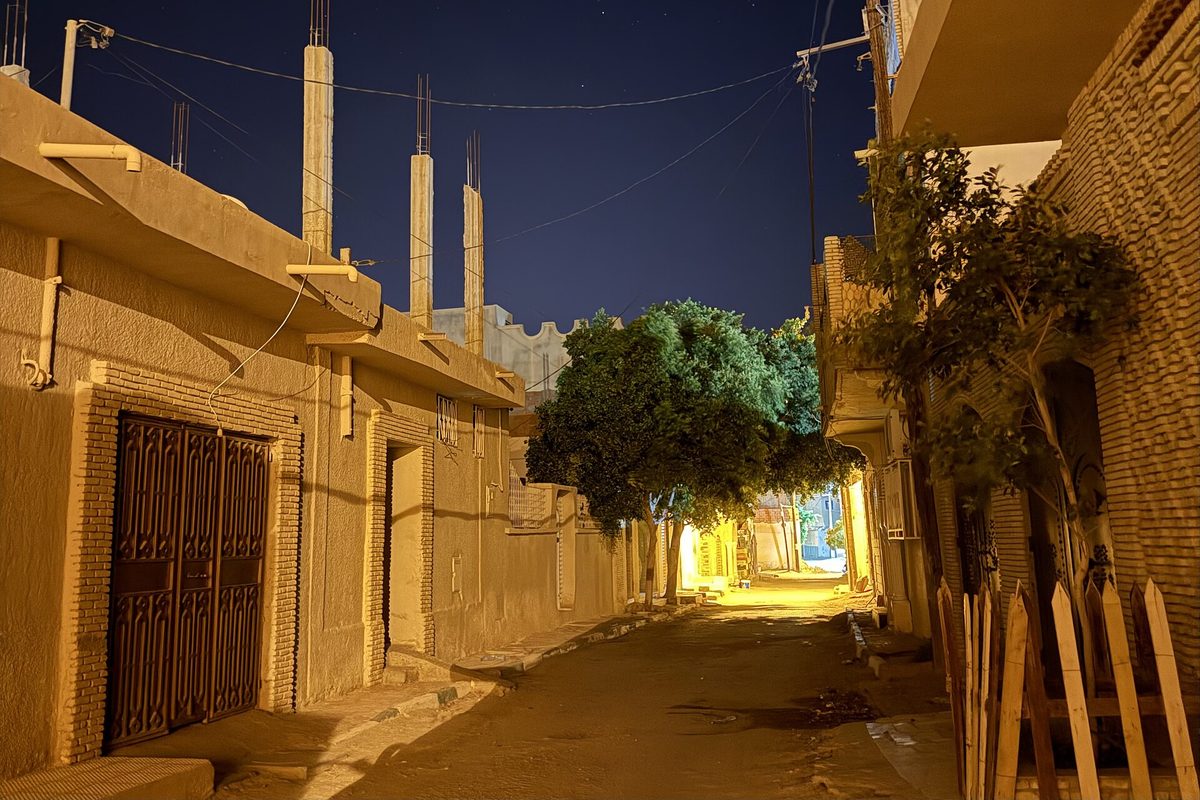
Spending a Night in a Berber Village in the Atlas Mountains of Morocco
I first heard about staying in a Berber village during a slow travel planning session back in Lisbon, but nothing prepared me for a stay with no electricity in the remote Atlas. Our trek began from a small trailhead below Imlil, where mules carried our modest bags up switchbacks lined with walnut trees. After four hours of walking past terraced fields and stone granaries, we reached a traditional village Morocco rarely shows in glossy brochures. The Berber homestay sat at the end of a footpath, a cluster of mud-brick rooms around a courtyard where a single propane lamp fought the dusk. At 2,000 meters, the air turned sharp, and the silence felt heavier than any city night I had known.
That night in the mountains gave me something I had chased across many off grid Morocco trips: total sensory immersion. Without flickering screens or overhead lights, the evening opened with the smell of woodsmoke and simmering lamb tagine. The family's grandmother poured mint tea from a height that told of decades of practice. I listened to the call of a distant owl and the soft rhythm of a hand drum, and realized this exchange was about textures and sounds more than famous sights. The Atlas Mountains Morocco had offered a pause that modern itineraries leave out. My fingers found the coarse weave of a wool blanket, and the warmth of fresh bread pulled from embers made the stay complete. That Berber village night only asked that I pay attention.
The Atlas Trek to a Remote Berber Village
Starting the Off-Grid Trip in Morocco
We left the paved roads shortly after the small market town of Asni, where the sealed route to Imlil turns into a rutted dirt track. Our shared grand taxi bounced over loose stones, and within twenty minutes the only traffic was a mule train carrying sacks of barley. This was the start of our off grid Morocco experience, and the air grew cooler as the valley walls closed in.
The first signs of a traditional village Morocco appeared as low mud brick houses with flat reed roofs clung to the hillside. Terraced fields of almond and walnut trees stepped down to a narrow irrigation channel. A woman in a striped headscarf bent over a stone quern, grinding grain by hand, while a child watched a flock of goats. Woodsmoke from a nearby bread oven drifted across the path. A few curious children peeked from a doorway, then returned to their chores. The scent of wild thyme lined the track. There were no power lines and no satellite dishes, just the quiet rhythm of a village that has changed little in generations. The 2021 census counted roughly 40 percent of rural households in the High Atlas as off-grid; walking in, I could finally picture what that number means.
For our mountain village overnight I had prepared for a no electricity stay. I packed a small headtorch but hoped to rely on the warm glow of candles and a charcoal brazier. The expectation for this Atlas Mountains Morocco night was simple: a thick wool blanket, a slow cooked tagine, and the vast star field that appears when the grid goes dark. A night here promises no screens, only the crackle of fire and the call of distant dogs.
Reaching the Mud Brick Houses Before Dusk
The footpath out of the valley started gently but soon narrowed into a rocky switchback climb through the Atlas Mountains Morocco. I counted roughly twelve tight turns as we gained height, the air thinning and smelling of wild thyme. After about an hour of steady ascent, the trees gave way to open slope where the light turned gold.
From the ridge, the traditional village Morocco came into view as a cluster of flat-roofed mud brick houses pressed into the hillside. Our Berber homestay sat at the lower edge, its ochre walls blending with the earth. A few thin trails of cooking smoke rose straight up in the still air, the only sign of life before dusk.
Two local guides waited at the ridge to greet us. One carried a woven satchel of walnuts; the other pointed toward the guesthouse and explained that our stay with no electricity in the mountain village would begin at sunset. He smiled and said the off grid Morocco experience means the evening belongs to stars and stories. We followed them down the final stretch, reaching the courtyard just as the sun slipped behind the peaks.
That first night would be spent without switches or screens, only the warm glow of a lantern.
Our Berber Homestay in the Mountains
Meeting the Amazigh Host Family
I reached the house late afternoon after a slow bus from Marrakech and a walk up a stony path. Hassan, a soft-spoken farmer in his sixties, and his wife Fatima greeted me with shy smiles and mint tea. Their packed-earth house in this traditional village Morocco had no wires or sockets. The flat roof held stacks of dried apricots, and a narrow window framed the valley below. It was the kind of off grid Morocco home where the day ends when the sun drops behind the Atlas peaks. We performed the customary Amazigh greeting: a light handshake followed by a hand to the heart. Fatima taught me 'azul' for hello and 'aghrum' for bread as we sat on woven mats. Before eating, she sprinkled water on her hands and murmured a blessing. Neighbors stopped by with almonds, asking about my journey through the Atlas Mountains Morocco. Hospitality was practical, not performative. Shoes came off at the threshold, and guests ate first. A stay with no electricity runs on sunlight and muscle. At dawn Hassan milks goats and fills a clay jug from the spring, one leg of a 300-meter downhill walk other families make with 20-liter jerrycans before the sun clears the ridge. The room warms by a wood stove; olive oil wicks replace lamps after dark. For our village stay, dinner was a tagine over coals, eaten by firelight. With no screen to stare at, the mountain village overnight fills with stories and distant flute music. By midday the courtyard is for sorting herbs; at night stars are the only light. Water heats on the stove for a quick wash, and cold altitude air reminds you this off grid Morocco life is quiet but full.
Inside the Village Guesthouse
The guesthouse in this traditional village Morocco was built from mud brick, with thick walls that kept out the chill of the Atlas Mountains Morocco. During our overnight stay, I ran my hand along the uneven surface, feeling the cool clay that local hands had shaped. The mud brick walls held the day's warmth long after sunset, so the stay without electricity felt cozy rather than cold.
Inside, the furnishings were simple but inviting. Low wooden stools and a handwoven rug covered the packed earth floor. A small charcoal brazier in the corner gave off steady heat, its glow the only light besides a couple of candles. The brazier and the thick walls warmed the room, and we took off our outer layers quickly. Cushions stuffed with wool lined a raised platform where we slept, and a carved cedar chest held extra blankets.
What struck me most about the place was the lack of modern devices and screens. No phone chargers buzzed, no television flickered. The off grid Morocco experience meant our evening was lit by flame and conversation. I watched shadows move on the mud plaster, listening to the quiet of a mountain village overnight. Without notifications or blue light, my eyes rested and the rhythm of the place took over.
A Tagine Dinner by Candlelight
Cooking Traditional Food Without Power
I arrived at the house just as the light began to fade over the Atlas Mountains in Morocco, and our host started building a small fire inside a squat metal stove. There is no electricity at the stay, so the evening meal depends entirely on dry juniper and olive wood gathered from the slopes. She put a worn clay tagine on the stove's circular burner, layering lamb shoulder, onion, and preserved lemon with a pinch of cumin and saffron threads brought down from the high valleys. The lid stayed sealed as the gentle heat slowly drew the juices out. Every twenty minutes she turned the conical lid a quarter-circle, the ember-managing motion girls here pick up from their grandmothers around age nine. In this traditional village in Morocco, meal routines follow the sun rather than a clock. Without power, the household eats earlier, using the last usable light to prep and cook, then settles by candlelight to eat. Our off grid dinner in Morocco was not a hardship but a rhythm. Wood stacked by the door, embers kept alive for morning bread, and nothing wasted — surplus meat went down into the cellar dug three meters into the hillside, where the temperature holds between 9 and 11°C through summer. The night settled in with the sound of wind against stone. When the tagine lifted, the aroma hit first. Earthy cumin, sweet carrot, and a wild herb I later learned was called azukku. The meat fell apart under a wooden spoon. Eating by flickering candle, I tasted the highlands clearly. Smoky, patient, and rooted in a mountain village overnight that needs no grid to feed you well.
Sharing Stories Over the Meal
The candle flickered against the clay walls as we settled around the low table. My hosts, Hassan and his mother Aisha, passed steaming bowls of tagine that had been simmering since midday. For this night in the Atlas Mountains, the no electricity stay stripped away every distraction. There were no screens glowing in the corners, no pings from messages, just the soft crackle of the olive-wood fire and our voices. We compared words in Tamazight and English, laughing at the sounds. I learned that in this traditional village Morocco, the oral tradition remains the main way knowledge passes between generations. We lingered for hours, the conversation drifting from harvest festivals to the challenges of off grid Morocco life. The tastes and textures anchored me in that room, making the evening one of the most present moments of my travels.
Evening in a Solar Free Village
How the Berber Village Night Unfolds After Sunset
When the sun drops behind the peaks, the Atlas Mountains of Morocco settle into their own rhythm. In a place with no electricity, nobody waits for streetlights. The village slows down. Women finish the bread, men sit for mint tea, and the children start to yawn toward sleep. The evening opens with the last glow on the horizon. With no grid connection, the only light comes from candles and oil lamps. I watched our host light a small tin lamp filled with olive oil, and the flame cast soft shadows on the mud walls. One candle on the low table made the room feel close and warm. This off grid Morocco setting has a quiet that electric bulbs never leave room for. When the wind moved the flame, the whole scene seemed to shift with it. Outside, the darkened valley became audible. A breeze passed through the almond trees. Somewhere a donkey shifted its weight. From a neighboring house came quiet laughter and the clink of teacups. With no appliances humming, the mountain village overnight felt old. This traditional village Morocco experience is as much about listening as seeing. I heard a distant river and a low song in Tamazight, one of the izlan narrative poems elders still recite by lamplight.
Simple Pleasures of a No Electricity Stay
I stepped out of the mud-brick house and leaned against the doorframe during our evening outside in the Atlas Mountains Morocco. With no bulbs lit anywhere in the valley, the sky opened into a dense field of stars. The Milky Way stretched clear and bright, free of light pollution. My eyes adjusted slowly, and I watched satellites drift and the odd meteor fall. The quiet of a stay with no electricity made the cosmos feel close enough to touch. The Atlas peaks framed the doorway, and the cold air smelled of juniper smoke. I stood there a while, letting the vastness replace the town lights.
Sleeping Under the Starry Sky
The Night Sky Above the Atlas Mountains
I stepped outside after a tagine dinner, and the night wrapped around me like cold wool. We were high in the Atlas Mountains Morocco, somewhere above 1,800 meters, and our no electricity stay meant not a single bulb glowed in the valley. Light pollution simply did not exist at that altitude. The darkness was so complete that I could not see my own boots for the first minute. During this night, the only warm light had been a small lamp fed by olive oil, which the host family extinguished before they slept. Without any artificial glow, the sky opened up with a density of stars I had never met outside a planetarium. The Milky Way cut a pale diagonal band from horizon to horizon. I picked out Orion's belt, the Pleiades cluster as a tiny soft brush of light, and the curved tail of Scorpius. On an off grid Morocco evening, the constellations arrive without effort, clear to the naked eye. The thin air made stars seem sharper. The silence of a traditional village Morocco after dark was just as deep. No generator thrum, no car engine, no phone screens humming. A distant goat bell rang once, then stopped. Wind moved through the almond trees with a dry whisper. That mountain village overnight showed me how a community slows when the sun leaves. Lying on a wool blanket, I listened to the quiet and watched satellites trace slow lines above the ridge. The absence of power turned the night into an open cathedral.
Morning in the Traditional Village
Waking to Mountain Sounds
I woke to a rooster crowing sharp across the valley, the first sound at dawn in the cold quiet. After a night in a Berber village in the Atlas Mountains Morocco with no electricity, that call was my alarm, no phone involved. The rooster was on a neighboring terrace, and another down the slope answered it, a greeting to the light. The air at the door was crisp and thin, with cold stone and a bit of woodsmoke from the kitchen hearth. This off grid Morocco morning was cold enough that I pulled my shawl tighter. Our host was already up, feeding the small fire that had kept the room warm through the stay without electricity. Woodsmoke mixed with simmering mint, a plain comfort before we walked. When the light grew stronger, we packed daypacks for the trek back to the trailhead. In this traditional village Morocco, we filled water bottles at the communal spring and laced sturdy boots for the uneven path. My mountain village overnight had shown me to travel light, but I still checked my layers for the way down. The host's daughter gave us flat bread for the road, a quiet send-off from our Atlas Mountains Morocco retreat.
Why a Mountain Village Overnight Stays With You
The memory of that Berber village night still arrives in fragments: the rough wool of the blanket against my cheek, the metallic tang of mint tea poured from a height, the low murmur of Tamazight conversations broken by laughter. In the Atlas Mountains of Morocco, darkness is not empty. It is full of small sounds, the crackle of a wood fire, the distant bleat of a goat, the wind moving through terraced fields. A stay with no electricity strips away the noise we think we need and leaves something clearer in its place. The smell of smoke clung to my clothes the next morning, a souvenir no shop could sell. What stays with me most is the generosity. Our hosts shared their bread, their warmth, and their stories without expectation. That is the heart of a homestay. If you go, do it with the same respect they offered. Ask before photographing people. Bring a small gift from your own kitchen or market rather than money alone. Learn a few words of the Amazigh language. Book through guides certified by the Moroccan Amazigh Association, which trained 150 of them in 2022, and if you can, pick one of the family guesthouses that put 30 percent of their fees into school supplies. A traditional village experience in Morocco is not a performance for visitors. It is a home, and you are a guest. A mountain village overnight like this one changes how you measure comfort. I have slept in fancy hotels and on overnight ferries, but the off grid night in the High Atlas taught me more about hospitality than any concierge. The stay with no electricity was not a hardship. It was an invitation to slow down and pay attention. If you travel the Atlas Mountains of Morocco, leave the expectation of power behind and you might find exactly what you did not know you were looking for.
Official sources
Details worth verifying before you go — checked against:
Travel Writer & Editor
Emily Johnson writes and edits Do Travel Blog. Every guide on the site starts the same way: with a question she actually had while planning — when to book, which pass to buy, how to get from A to B without overpaying. Where a number matters, she cites the source: park tickets link to the park's own fee page, visa rules to the official consulate, ferry times to the operator. Prices get re-checked against those pages before each update, and a guide is re-dated when its numbers move. Nothing here is sponsored — she doesn't accept payment for coverage. Spotted something stale or wrong? Email hello@dotravel.blog and she'll fix it.