How to Book a Berber Village Stay in the Atlas
Book a Berber village stay in an Atlas Mountains homestay with no power. Our guide shows how to book off grid Morocco stays with Amazigh hosts.
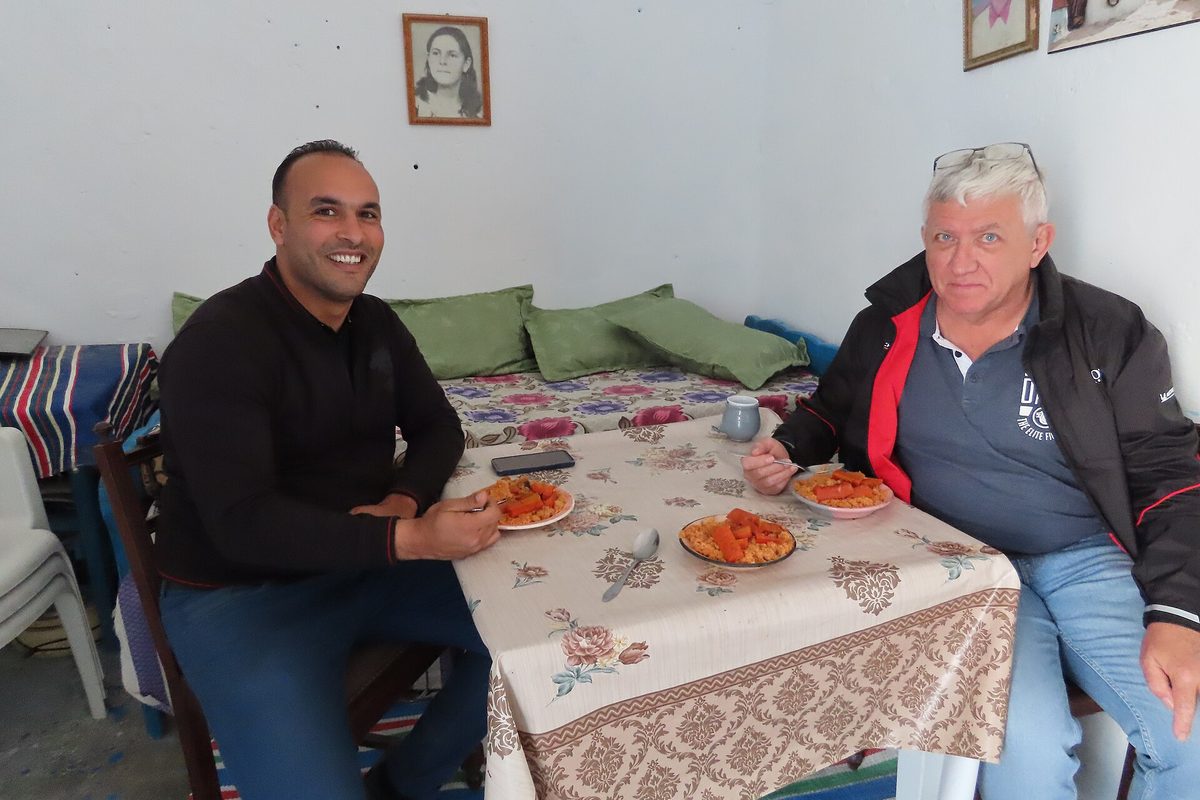
Spending a Night in a Berber Village in the Atlas Mountains
A Berber village stay in the Atlas Mountains is an overnight visit hosted by Amazigh families in remote settlements such as Tacheddirt or Imlil. Their homes are built from local stone and clay and have no connection to the national power grid. The Atlas Mountains homestay experience usually includes a shared dinner of barley couscous, a sleeping mat or simple bed, and the sound of the river instead of traffic. Travelers who book off-grid lodging do so for concrete reasons. Rural Atlas communities high above the valleys often lack grid access, so being off grid is standard rather than a luxury. Visitors who want slow travel like the forced disconnect with no screens, lantern-lit evenings, and early risings aligned with daylight. A village stay booked through a vetted cooperative such as the Toubkal Local Association gets the family 80 percent of the fee directly. Those learning how to visit Berber village homes should expect active cultural exchange. Guests often join the morning bread bake in outdoor ovens and practice Amazigh phrases. Responsible tourism guidelines ask visitors to carry out trash, limit shower time to 2 minutes, and bring cash dirhams because ATM networks do not reach these no-power valleys. This sustainable travel loop keeps the village economy alive without importing foreign infrastructure. From a slow travel planning view, such a stay stays low cost. The 2023 High Atlas cooperative tariff lists 250 dirhams per person nightly with dinner and breakfast, a fraction of a Marrakech riad rate.
What Off-Grid Atlas Mountain Homestays Are Like
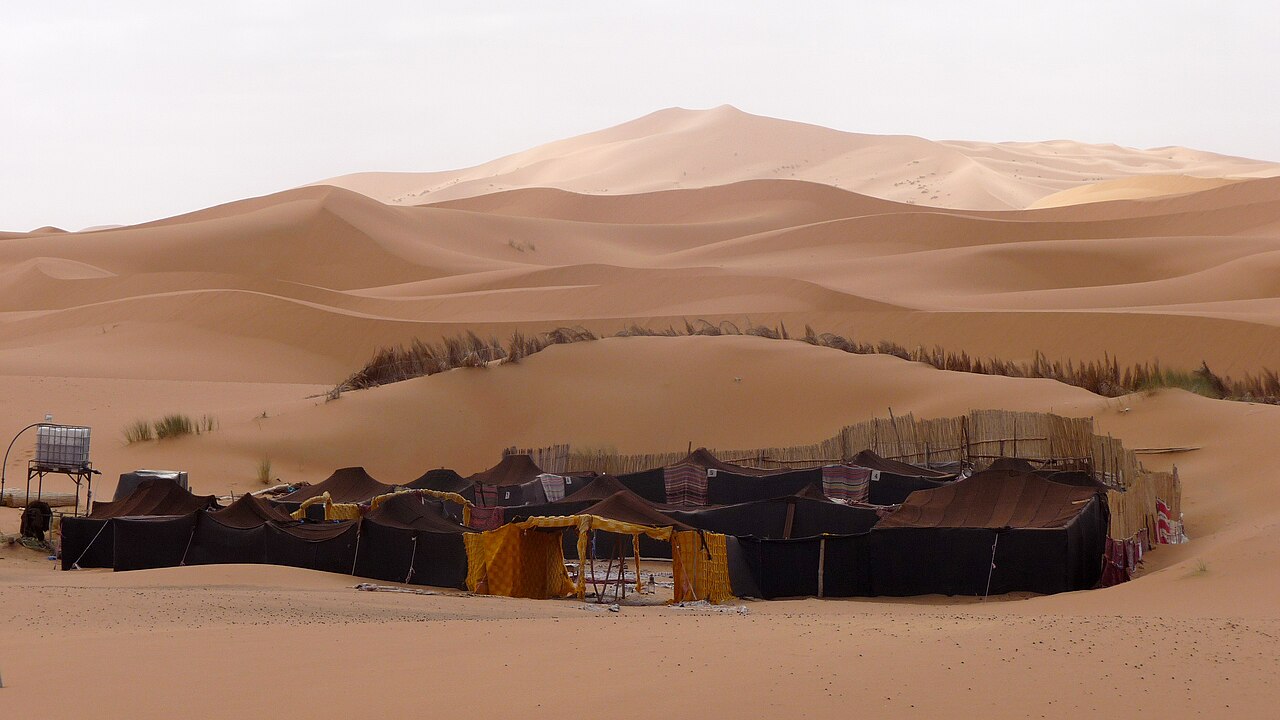
Photo: gailhampshire from Cradley, Malvern, U.K / CC BY 2.0 / Wikimedia Commons
What Makes a Berber Village Stay Real
A real village stay depends on the Amazigh family that hosts it, not the house walls. In these homes, the hosts are relatives who bring guests into the village routine. In Tacheddirt or Ouirgane, travelers feed goats, fetch spring water, or cut barley on terraced plots. Authenticity comes from taking part. When a guest helps press olives or shape khobz bread in a clay oven, the exchange feels true rather than staged. Traditional homes use packed earth and stone with flat roofs weighted by stones. They have no electricity at all. No bulbs, no sockets, no heaters. Evenings glow from a lantern or hearth where tagines cook. For those wanting Atlas accommodation with no power, this is a deliberate low-impact choice. Responsible tourism projects praise such off-grid homes for seasonal eating and minimal waste. A family in Imlil may sleep under wool blankets as temperatures near freezing, yet shared warmth keeps the night soft. The link between a stay like this and the land is practical. Homestays sit at trailheads of mule paths to pastures or walnut groves. Hosts guide guests through fields, showing mint rows and fallow terraces. Travelers who plan to book directly should learn this connection first. Many families list via local cooperatives, not global sites. A fair rate runs 250 to 400 Moroccan dirhams per night with dinner, which supports direct host income and slow travel aims. For those wondering how to visit Berber village settlements, choosing such a stay means joining agriculture and trails rather than watching from a distance.
Living Without Power in the Atlas
Travelers who book such stays find that no electricity sets the pace of a homestay. In winter the sun sets near 18:30, and homes in villages like Aroumd at 1,900 meters use lantern light and hearth fires. A homestay there usually gives one solar lamp per room, but guests cannot charge devices or read past 21:00. Evenings go to mint tea and stories by the wood stove. Communal salamander stoves or open fires heat the rooms, though winter nights from December to February fall to -8 C in the High Atlas, so thick wool blankets are necessary. Water often comes from springs, and in freezing months pipes can freeze, so hosts bring heated jugs for washing. Snow closes the Tizi n'Tichka pass from November through March and cuts road links, which means a village stay booking should plan for possible multi-day isolation. Offline living changes the homestay experience into the kind of responsible tourism the region encourages. With no screens, guests help bake bread in clay ovens or join olive harvests to learn Berber village customs. This Atlas accommodation no power setup lets guests connect slowly with their hosts and the land, which is the main reward of going off grid.
Who Hosts Travelers in the Atlas
Local Berber families run most of the hospitality in the High Atlas, taking visitors into their stone and mud-brick homes for a genuine homestay. In villages like Aroumd and Tacheddirt, about 60 households host guests today. These families offer homestays with firewood and solar lanterns, and no grid connection. Travelers who book off-grid rooms through them sleep on wool mattresses, eat bread from clay ovens, and help with daily work like herding goats. The draw is the human contact, not hotel comfort. Some of this hospitality now runs through community tourism projects. The Ait Souka Village Association started in 2018 and prints a yearly guesthouse directory of verified homes. The Moroccan Ministry of Tourism's community program also supports such stays.
The vocabulary matters when you book. A homestay means you sleep inside the family's own rooms and eat at their table; a gite is a small guesthouse the family runs beside or above their home, with more privacy and sometimes a separate kitchen. Both are family operations — the difference is whether the wall between you and the goats is one wall or two.
Two more bases deserve a slot in a search. The Azzaden Valley, one pass west of Imlil, trades the Toubkal foot traffic for walnut groves and terraced villages where homestay demand — and therefore prices — stays lower. Amizmiz, a market town in the foothills southwest of Marrakech, is the quiet gateway to the western High Atlas: fewer trekkers, a big weekly souk, and family houses around it that take guests without any listing at all. Ask at the Amizmiz riads and guesthouses in town; they phone the village families for you the same day.
Finding and Reaching Berber Villages
Guesthouse Lists and Local Guides
Travelers who want to book off-grid lodging should start with vetted directories such as the Moroccan National Tourist Office rural gite list, which indexes certified village stay options across the High Atlas. Community platforms like Fairbnb.coop and the Atlas Cultural Foundation also publish homestay profiles noting which houses lack grid power. These directories require hosts to confirm they operate without electricity, unlike generic booking sites, so travelers get a reliable shortlist for visiting Berber village settlements like Imlil, Aroumd and Tacheddirt. Licensed mountain guides are the most direct way to arrange an authentic stay. The Association of Imlil Mountain Guides, registered since 1998, trains over 60 local experts who introduce guests to family homes in villages such as Armed and Ouanoukrim. A guide like Hassan M. charges around 400 MAD per day and handles the village stay booking, so the host expects you and knows you are prepared for living without power. This personal connection solves the main difficulty of off-grid travel, which is trust and language. Booking through directories instead of showing up unannounced supports responsible tourism goals. Villages on official homestay registries keep far more tourism spend locally than unbooked walk-up visits. Directories also limit visitor numbers per valley, which preserves the quiet character of these valleys. When travelers book through these channels, they pay for school supplies in Tizi Oussem and maintain mule tracks, so a night in a stone home produces real community benefit.
Visiting a Berber Village on Your Own
Travelers who want to visit a Berber village and arrange a stay on their own first need to reach a trailhead in the High Atlas. From Marrakech, a shared grand taxi to Imlil costs about 70 MAD per seat and takes 90 minutes over 70 km. Renting a car gives more flexibility to reach Ouirgane or Oukaimeden, where rough tracks end at small parking areas. Beyond these points, villages like Aroumd and Tizi Oussem are reachable only on foot, so your own transport gets you to the start of the path, not the village itself. For a homestay with no power, online booking is rare. To book an off grid stay, contact a family guesthouse directly. In Imlil, Hassan Ait Brahim coordinates 12 rooms across three hamlets. A quick WhatsApp message secures a bed and tagine dinner for 150 MAD as of 2023. The Association des Populations du Toubkal also logs village stay requests by phone. Arriving without a reservation works if you ask at the trailhead cafe, but in peak spring months rooms fill by noon. Safety on mountain trails demands preparation. The Bureau des Guides in Imlil certifies local guides for 400 MAD per day on unmarked routes above 2000 meters. Tamazight and Moroccan Arabic dominate; French helps in towns. Always tell your host your planned return when you set out, and practice responsible tourism by carrying out trash and asking permission before photographing residents.
Best Areas for an Atlas Mountains Homestay
The most accessible region for a stay is in the High Atlas valleys within 90 kilometers of Marrakech. The Imlil valley at 1,740 meters is the main trailhead for Mount Toubkal and has around 20 guesthouses, but several nearby hamlets such as Mzik and Aroumd still have no grid electricity. A short drive farther brings you to the Ait Bouguemez valley, called the Happy Valley by locals, where travelers stay among 13 Amazigh villages and a typical village homestay uses solar lanterns and wood stoves. Several of these villages have no power lines, which makes them good choices for travelers who want off-grid nights with clear skies. Heading north, the Middle Atlas Amazigh communities around Azrou and Ain Leuh move at a different pace. Azrou sits at 1,250 meters and is known for its cedar forest. In the nearby village of Ain Leuh, many homes lack connected utilities. There, a no-power setup is normal in family courtyards where bread is baked in communal ovens. Responsible tourism programs like the Fair Trade Tourism label piloted in 2021 help visitors arrange stays that pay directly for school supplies for village children. For real isolation, lesser known villages with off grid appeal include Tizi Oussem, a settlement of 300 people 12 kilometers from Imlil that lost its diesel generator in 2022 and never got a new one. Learning how to visit Berber village enclaves like Id Issa in the Ouirgane valley often starts with the Association Tiguemmi, which handles village stay booking by email instead of commercial platforms. Travelers who book off grid Morocco through such cooperatives pay about 250 dirham per night, and that rate includes a tagine dinner made from the family garden.
Booking a Village Stay Step by Step
Finding and Contacting Amazigh Hosts
Finding an authentic Berber village stay in the Atlas Mountains starts with trusted guesthouse directories. The Association des Gites d'Etape et de Montagne (AGEM) lists over 40 registered homes, with 12 hosts in Imlil offering a true Atlas Mountains homestay without grid electricity. Travelers can also check the Kasbah du Toubkal board, which links visitors to family hosts in Aroumd and Ouirgane. These directories give phone numbers and sometimes a contact at a nearby powered guesthouse who relays messages. Etiquette matters when making first contact. Hosts appreciate a short inquiry stating group size, dietary needs, and dates.
Three practical channels cover most bookings. Direct: a riad or guesthouse in Imlil or Amizmiz will phone a village family on your behalf and point you to the trailhead the same day — this is the closest thing to booking direct. Through a tour: trekking operators out of Marrakech bundle the village night into a guided route, which costs more but handles the language and the mule. Through Workaway: Amazigh families in the foothills list stays where a few hours of orchard or herd work a day covers your board — slower, cheaper, and the right fit only if you actually want to work.
On price, hold one anchor. Stripped of platforms and commissions, a simple village guesthouse bed runs 100 to 200 MAD per person; the higher figures you will read about usually bundle in dinner packages, guides, or operator margins. If a quote lands far above that band, ask what exactly it includes before agreeing.
Agreeing on Details and Payment for an Off-Grid Stay
When arranging a stay in the High Atlas, payment follows cash-only customs that predate tourism. Most homestay hosts in the Atlas live without grid power, so card readers and online terminals are impossible. In Aroumd, a village at 1,900 meters near Imlil, a typical nightly rate runs 250 Moroccan dirhams (about $25) per guest with dinner included, settled in cash on arrival. Some booking intermediaries in Marrakech accept a 100 MAD deposit via Western Union, but the remaining balance is always hand-delivered as dirham notes. Travelers who plan to book off grid Morocco should carry small denominations because hosts cannot provide change for a 200 MAD bill after sunset. Meal and schedule terms need explicit agreement before the guest arrives. A standard no-power package covers mint tea, dinner, and breakfast, while lunch costs roughly 80 MAD extra. Stays usually span two nights; a longer visit requires clarifying whether the guest helps with cooking or buys provisions. Cultural exchange is central to village life: hosts may invite travelers to grind wheat or collect wild thyme, and responsible tourism guidance recommends discussing photo permissions and private space up front to avoid friction. Written confirmation remains useful even where signal is scarce. A village stay booking should be recorded in a plain text message that states guest names, dates, meal plan, and total price. Verbal-only deals are a common source of conflicts here. A screenshot of a WhatsApp summary or a printed email gives both sides a reference. This simple step protects the traveler and the host family.
Getting Ready for Your Off-Grid Morocco Booking
When you book off-grid lodging in the High Atlas, prepare for homes that run without electricity. A homestay at 2,000 meters in Ait Bouguemez means nighttime temperatures can fall to 2 Celsius in April. Pack a headlamp with spare AAA batteries, warm layers including a wool sweater and thermal base, and a paper map because GPS often fails in deep valleys. No power also means no phone charging, so carry a written list of emergency contacts and tell the village stay booking host your arrival day. Responsible tourism guidelines ask visitors to dress modestly: both men and women should cover knees and shoulders, and women may carry a light scarf when entering family rooms in conservative hamlets like Imlil. For gifts, avoid giving money or candy to children. Instead, bring a 1-kilogram bag of sugar or a box of green tea leaves for the host family, or notebooks for the local school. These items support the household without distorting the local economy. Learning how to visit Berber village customs beforehand prevents awkward moments and builds trust with your hosts. Before you confirm a booking, study the trail network with a certified guide from the Bureau des Guides in Imlil, which charges about 400 dirham per day in 2024. Mark two exit routes: a main mule path to the nearest road at Ouaouzguit and a backup ridge line if snow blocks the lower track. Share your plan with the guesthouse owner and a contact in Marrakech. A well planned Berber village stay includes a buffer day for weather delays, since spring storms can close passes above 2,500 meters without warning.
Traveling Responsibly and Sharing Culture
How to Travel Responsibly in Morocco
Travelers who stay in a Berber village in the High Atlas should protect communities that have lived without grid power for generations. Aroumd sits at 1,900 meters, and about 80 families host guests through a cooperative formed in 2018. When visiting Berber village homes, the first rule is to minimize waste. These ecosystems have no trash collection, so bring reusable containers and carry out everything that will not break down. Trekkers leave piles of plastic bottles each season that locals cannot dispose of. Booking a homestay directly through a village cooperative puts payments in families' hands rather than agencies. A typical village stay booked via a Marrakech operator can send a large share of the nightly rate to middlemen. Travelers can arrange stays like these by contacting the Tamraght Women's Craft Association, which lists 14 verified homes without electricity. Buying wool rugs or walnut carvings on site supports artisans directly. Responsible tourism practices call for restraint with scarce resources. A home with no power means wood and candles supply heat and light, so guests keep showers under two minutes and use portable solar chargers. In winter 2021, a snowbound group in Tacheddirt used up the firewood in three days, and hosts now ask 30 dirhams per bundle. These habits make a night in a Berber village a workable example of low-impact travel.
Getting the Most from Cultural Exchange
Travelers who arrange a village stay in the High Atlas find that cultural exchange starts with language. Picking up some Amazigh words shows respect and opens doors no tour operator can. In Central Atlas Tamazight, a few greetings go a long way toward genuine conversation with local families.
Wrapping Up Your Berber Stay Plans
Planning a Berber village stay in the Atlas Mountains takes a clear set of steps that travelers can finish within two weeks. Start by narrowing the region to verified off-grid communities such as Aroumd or Tacheddirt, where no grid power remains the norm rather than a marketing claim. Next, use a village stay booking channel that lists homes with no electrical grid connection. Then confirm directly with the host family about meal inclusion and access road conditions. Travelers who follow this path to book a stay avoid the common mistake of arriving at a property that actually runs on hidden generators. A responsible tourism approach protects both the visitor and the host. A village homestay runs on tight seasonal income, often 300 MAD per night including tagine dinner, so paying the requested rate supports the local school fund. Guests should ask permission before photographing interiors and learn a simple Tamazight greeting.
Official sources
Details worth verifying before you go — checked against:
Travel Writer & Editor
Emily Johnson writes and edits Do Travel Blog. Every guide on the site starts the same way: with a question she actually had while planning — when to book, which pass to buy, how to get from A to B without overpaying. Where a number matters, she cites the source: park tickets link to the park's own fee page, visa rules to the official consulate, ferry times to the operator. Prices get re-checked against those pages before each update, and a guide is re-dated when its numbers move. Nothing here is sponsored — she doesn't accept payment for coverage. Spotted something stale or wrong? Email hello@dotravel.blog and she'll fix it.