Packing List for 8 Days in Morocco: Desert and Cities
Essential packing list for Morocco 8 days covering desert, mountains, and cities. Learn what to pack for a Sahara desert trip, including clothing, footwear, gear, and cultural etiquette tips.
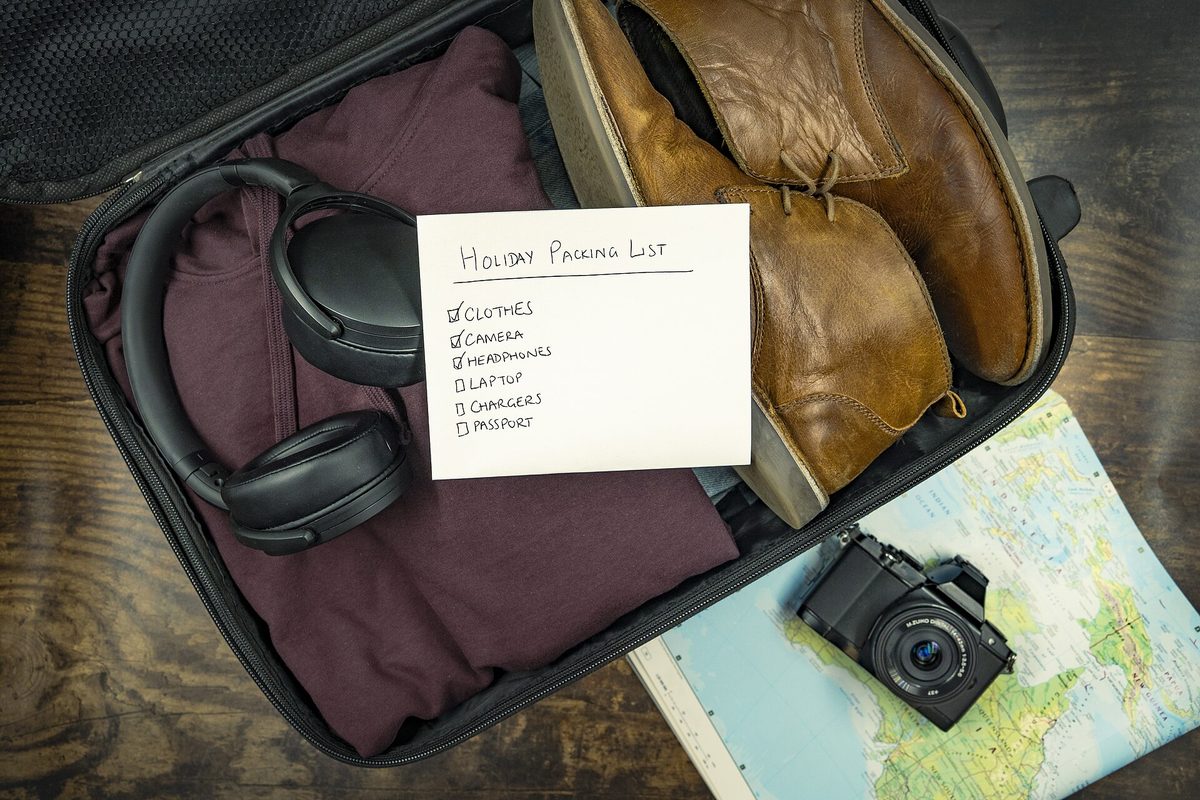
Pack Smart for a Desert, Mountain, and City Adventure
An 8-day Morocco trip means crossing three very different climates in a single week. You might sleep your first night in a riad in Marrakech, the second in a cedar forest in the Middle Atlas, and the third under Saharan stars near Merzouga. Packing for that range without overstuffing your bag takes a deliberate strategy, not guesswork.
This guide covers exactly what to pack for a Morocco desert trip: clothing that respects local customs, footwear for cobbled medina lanes and sand dunes, gear that handles both 35C city heat and chilly desert nights, and cultural tips that help you navigate interactions with confidence. Whether you book a guided tour or travel independently, this packing list for Morocco 8 days keeps you comfortable without weighing you down.
The core principle is layering. A single lightweight merino shirt works under a linen jacket in the city, doubles as a sun-protection layer in the desert, and pairs with a fleece for cold mountain evenings. That kind of versatility is what makes a Sahara desert packing list effective. Morocco travel clothing should prioritize natural fibers, neutral colors that hide dust, and pieces that transition from daytime exploring to evening dinners without needing a full outfit change.
Follow the recommendations in the sections ahead and you will arrive prepared for the unexpected: a sudden sandstorm in Erg Chebbi or a chilly morning hike in the Dades Gorge.
Clothing for Morocco's Diverse Climates
Lightweight Layers for the Sahara Desert
The Sahara Desert demands strategic packing because daytime temperatures often exceed 40°C (104°F) while nights drop to 7°C (45°F). For this reason, your packing should center on lightweight, breathable layers that handle both extremes. Long-sleeve shirts and loose pants form the foundation: they protect your skin from the intense sun and act as a barrier against whipping sand during gusty afternoons. Cotton and linen are the ideal fabrics: they breathe naturally and dry quickly. Avoid synthetics like polyester or nylon, which trap heat and can cause discomfort on long camel rides or desert hikes.
A scarf is perhaps the most versatile item in your bag. Whether you opt for a traditional shemagh, a large square of cotton, or a lightweight pashmina, it can be wrapped around your head to shield from the sun, pulled across your face during sandstorms, or draped over your shoulders for modesty when visiting local villages. It also works as a makeshift towel, picnic blanket, or neck gaiter. Many experienced travelers consider a scarf non-negotiable when deciding what to pack for Morocco desert trip.
As evening approaches, the temperature plummets. A lightweight fleece or packable down jacket is essential for surviving the cold desert nights. Look for one that compresses small enough to stash in your daypack for sunset camel treks or evening campfires. A mid-weight fleece worn over your daytime shirt and a long-sleeve layer provides enough warmth for sleeping in a desert camp or watching stars over the dunes. Combining these layers ensures you stay comfortable through the Sahara's dramatic daily temperature swing without overpacking your suitcase.
Warm Layers for the Atlas Mountains
Temperatures in the High Atlas Mountains drop sharply after sunset, especially above 1,500 meters. Even in spring and fall, daytime warmth of 20 degrees Celsius can give way to near-freezing nights. A fleece jacket paired with a windbreaker forms the core of your warm layer system. The fleece traps body heat while the windbreaker blocks strong gusts common on exposed ridges and passes like Tizi n'Tichka. For rain or unexpected snow during March, April, October, or November, pack a waterproof jacket rather than a simple shell. A breathable waterproof layer keeps you dry during drizzle or sleet without causing sweat buildup on active hiking days. Adding a lightweight down vest or an extra mid-layer provides further warmth for those who feel the cold easily.
Early morning hikes starting before sunrise demand a thermal base layer under your regular clothing. Merino wool or synthetic thermal tops wick moisture and retain warmth even when damp. This base layer also works well for cold desert nights in the Sahara, making it a versatile addition to your kit. The same thermal that keeps you warm on a dawn trek near Imlil will serve you well while sleeping under the stars in Merzouga. When thinking about what to pack for Morocco desert trip, do not forget these mountain essentials. The altitude can surprise even experienced travelers with its chill.
Modest and Versatile City Wear
When moving through Marrakech's souks or Fez's narrow alleys, covering your shoulders and knees is both a cultural courtesy and a practical way to avoid unwanted attention. Women should pack long skirts, midi dresses, or wide-leg trousers made from breathable linen or cotton. For mosque visits, a simple cardigan worn over a tunic and paired with a headscarf lets you enter without changing outfits. Men need long trousers and short-sleeve shirts that cover the shoulders. A single long-sleeve button-down works for both Friday mosque gatherings and nicer restaurants.
A lightweight dress in a neutral print paired with a solid cardigan creates the core of a city wardrobe. Add a pair of black or olive trousers and two tops, and you can rotate through six different combinations without repeating the same silhouette. This kind of efficient packing is what makes the difference. Every piece should serve multiple uses, from morning souk visits to evening tagine dinners.
Neutral tones like white, beige, navy, olive, and charcoal simplify mixing and matching. They also photograph well against Morocco's colorful architecture and blend in with the local palette. If you are building a capsule wardrobe for your trip, start with three bottoms and four tops in these colors, plus one layered piece for mosques. This same foundation carries over when researching what to pack for a Morocco desert trip, where layering for temperature swings becomes the priority.
Footwear for Every Terrain
Sturdy Boots for Dunes and Trails
A reliable pair of ankle-high hiking boots tops the footwear section of any packing list for Morocco 8 days. The itinerary often spans Merzouga's soft dunes, the rocky gorges of the Dades Valley, and the uneven cobblestone alleys of Fes. Low-cut sneakers or flimsy sandals lack the lateral stability needed to protect your ankles from these varied surfaces, making sturdy boots a non-negotiable item for what to pack for Morocco desert trip.
Ankle-high designs provide essential support when traversing shifting sand that can cause your foot to roll, as well as on jagged mountain trails where a misplaced step risks a sprain. They also keep fine Sahara sand and small pebbles from entering the boot, a detail that prevents discomfort after hours of walking. For a Sahara desert packing list, choose boots with a snug fit around the ankle without restricting circulation.
Climate variation demands thoughtful material choices between breathability and waterproofing. Daytime temperatures in the desert can exceed 38 degrees Celsius, yet nights often drop below freezing. A boot with a waterproof membrane such as Gore-Tex protects against dew and rare rain, while a mesh upper allows heat to escape during midday hikes. This combination keeps feet comfortable through the dramatic temperature swings typical of Moroccan terrain.
New boots require a thorough break-in period before departure. Wear them on long walks for at least two weeks, using the thick hiking socks you plan to bring to Morocco. This process softens stiff seams and reveals any pressure points that could form blisters. Investing this small effort at home ensures your boots feel like an extension of your feet rather than a source of pain on the dunes or trails.
Comfortable Shoes for City Exploration
Navigating the labyrinthine medinas of Marrakech, Fes, and Chefchaouen means hours of walking on uneven stone, packed dirt, and the occasional stray cobble. A lightweight pair of sneakers or comfortable walking shoes provides the support and grip needed without the bulk of a hiking boot. Choose a breathable pair that you have already broken in to avoid blisters on day one.
Closed-toe sandals offer a versatile alternative for warmer afternoons and casual evening strolls. They keep your feet cool while still protecting toes from street debris and the occasional donkey hoof. Look for pairs with a sturdy sole and an adjustable strap; leather or textile options hold up better than synthetic flip-flops on dusty pavement.
Speaking of flip-flops: leave them at home. The rough, often oily surfaces of medina alleys make them a tripping hazard, and they offer zero protection against sharp stones or litter. Instead, pack a pair of lightweight water shoes or pool slides if you plan to visit a hammam or hotel pool. For the rest of your Morocco travel clothing strategy, focus on shoes that can handle both the medina and a relaxed cafe terrace without forcing you to change twice a day.
Essential Gear and Accessories
Desert Survival Essentials
The Saharan sun is relentless. A wide-brimmed hat (at least three inches all around) and wrap-around UV-protection sunglasses are non-negotiable in the desert sun. Even in winter, the UV index in the desert can spike quickly. Polarized lenses reduce glare off sand dunes and pale rocks, helping you spot trail markers and avoid ankle-twisting holes. A buff or scarf worn under the hat also protects your neck and face during gusty wind.
A headlamp takes up almost no space but transforms your camp experience. Merzouga desert camps often have no electricity in the tents, and early morning camel treks start well before sunrise. A headlamp with a red-light mode preserves your night vision and won't disturb fellow campers. Bring spare batteries or a rechargeable model that you can top up in the riad before heading into the dunes.
Dehydration is the most common problem for first-time desert visitors. Carry a reusable water bottle (at least one liter; two is better) and refill at every opportunity. Many riads and desert camp operators provide filtered drinking water, so a bottle with a built-in filter offers extra safety but is not essential. Electrolyte packets (like Nuun or Hydralyte) dissolved in your water help replace salts lost through sweat, especially if you are hiking in the Dades Gorge or Erg Chebbi during the middle of the day. Tuck a few sachets into your daypack. Combined with the hat and headlamp, these items make your Sahara desert packing list genuinely Sahara-ready.
Travel Gadgets and Health Items
Any packing list for Morocco 8 days must include a universal power adapter with surge protection. Morocco uses Type C and Type E outlets at 220V, and a universal adapter lets you charge devices in riads, desert camps, and mountain lodges. Surge protection is especially wise given the variable power supply in rural areas. A high-capacity power bank (at least 10,000mAh) is equally critical for what to pack for Morocco desert trip. Once you head into the Sahara, charging opportunities vanish for extended periods. You will rely on your phone for navigation, photos, and communication during long days without outlets.
Beyond your Morocco travel clothing choices, a basic first-aid kit tailored to common travel ailments belongs on any Sahara desert packing list. Include antidiarrheal medication for traveler's diarrhea, a painkiller like ibuprofen, an antihistamine for allergies or insect bites, and oral rehydration salts for the dry heat. These four items cover the most likely health issues during an 8-day journey through cities, mountains, and desert, saving you from scrambling for a pharmacy in a remote village.
Cultural Etiquette and Packing Strategy
Dressing with Cultural Respect
Dressing respectfully is a key part of packing for Morocco, especially when moving between cities, desert camps, and mountain villages. Morocco is a conservative Muslim country, and travelers should cover their shoulders and knees at all times in public. For women, this means loose trousers or maxi skirts paired with tops that have sleeves, even in the summer heat. Men should avoid tank tops and opt for lightweight long-sleeve shirts or T-shirts. Shorts are acceptable only at hotel pools or private riad terraces, but never in souks, mosques, or rural areas. A simple linen shirt or a light cardigan takes minimal space and makes a big difference in showing cultural awareness.
A lightweight scarf is a multipurpose tool in any what to pack for Morocco desert trip list. Women will need it to cover their hair when entering a mosque. For example, the Hassan II Mosque in Casablanca or the Koutoubia in Marrakech require head covering for female visitors. Men do not need head coverings inside mosques, but they should dress modestly with long trousers. The same scarf can double as a dust protector during a Sahara desert packing list excursion or as a layer against the evening chill. Packing a pashmina or a cotton scarf in a neutral color works for all situations.
Remove your shoes before entering any Moroccan home or riad. This practice is both hygienic and a sign of respect. Bringing a pair of slip-on shoes or easy-to-remove sandals makes following this custom effortless. Many travelers in Morocco travel clothing prefer loafers or espadrilles for quick transitions. Slip-ons also reduce hassle at airport security and desert camp entrances. Including a pair in your bag adds minimal weight but saves you from awkwardly unlacing boots at every doorstep.
Packing Light and Leaving Room for Treasures
The biggest mistake travelers make is bringing too much. Stick to a carry-on suitcase or a 40-liter backpack. You will be moving between Marrakech, the Sahara desert, and the Atlas Mountains, so every kilogram counts. Airlines like Royal Air Maroc and Ryanair enforce strict carry-on limits, and a 40L bag keeps you mobile on uneven medina streets and sand dunes alike.
Packing cubes transform a cramped bag into an organized system. Use one cube for desert nights (thermal layers and a fleece), another for city walking (lightweight trousers and breathable tops), and a third for mountain hikes. Color-code or label them so you can grab what you need without unpacking everything. This also helps you rotate your Morocco travel clothing efficiently when laundry access is limited.
Leave at least one-third of your bag empty. Moroccan souks are full of treasures: hand-woven rugs from the High Atlas, leather poufs from Fes, ceramic tagines from Safi. A foldable duffel bag or a cotton tote weighing under 100 grams can double as your souvenir carrier on the return flight. Many travelers who follow a Sahara desert packing list regret not having this extra space.
Packing light is not just practical; it is respectful. A streamlined bag means you move through medinas without knocking into market stalls or brushing against locals, and you spend less time wrestling with luggage and more time drinking mint tea.
Final Thoughts
Your Morocco Packing Checklist - Ready for Any Adventure
An effective packing list for Morocco 8 days centers on layers and sturdy footwear. Morocco travel clothing should prioritize breathable, modest fabrics; pack quick-dry long sleeves, a mid-layer fleece for cool evenings, and a wind-resistant jacket for the Sahara desert. Comfortable walking shoes are essential for medina exploration, along with a wide-brimmed hat and desert scarf. For cultural visits, women should carry a lightweight scarf and men long pants rather than shorts. These items form the core of what to pack for Morocco desert trip.
Packing light maximizes flexibility. A 40-liter carry-on backpack plus a small daypack covers Marrakech, the Atlas Mountains, and sand dunes without heavy luggage. For a Sahara desert packing list, add a sleeping bag liner and a headlamp for the camp. Choose neutral, easy-to-layer pieces in cotton and merino wool. This approach leaves room for market treasures like a Berber rug or leather pouf.
Above all, respect local customs. Dress modestly in rural areas, remove shoes before entering homes, and ask before photographing people. Respecting local traditions deepens your experience, whether sharing tea with a Berber family or bargaining in the souk. When you pack thoughtfully and travel with an open mind, Morocco's landscapes and hospitality become unforgettable. Enjoy every step of the journey.
Official sources
Details worth verifying before you go — checked against:
Travel Writer & Editor
Emily Johnson writes and edits Do Travel Blog. Every guide on the site starts the same way: with a question she actually had while planning — when to book, which pass to buy, how to get from A to B without overpaying. Where a number matters, she cites the source: park tickets link to the park's own fee page, visa rules to the official consulate, ferry times to the operator. Prices get re-checked against those pages before each update, and a guide is re-dated when its numbers move. Nothing here is sponsored — she doesn't accept payment for coverage. Spotted something stale or wrong? Email hello@dotravel.blog and she'll fix it.