8-Day Morocco Itinerary: Marrakech to the Sahara (2026)
Plan the perfect 8 day Morocco itinerary from Marrakech to the Sahara Desert. Discover the Atlas Mountains, Ait Benhaddou, Dades Gorge, and a camel trek in Merzouga.
Why This 8-Day Morocco Itinerary Works
Photo: Grand Parc - Bordeaux, France from France / CC BY 2.0 / Wikimedia Commons
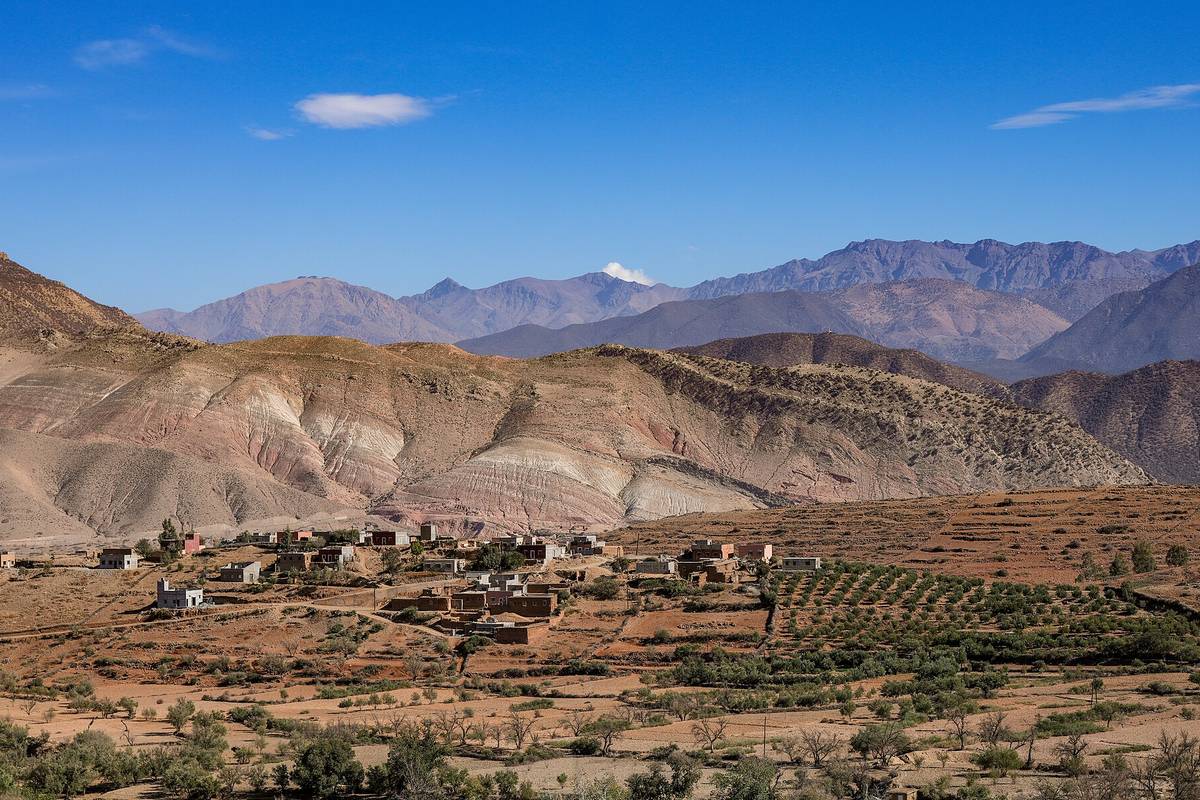
Morocco packs an extraordinary range of experiences into a week. In just over eight days, travelers can move from the bustling souks of Marrakech to the quiet sand seas of the Sahara, passing through dramatic mountain passes, ancient kasbahs, and deep river gorges along the way. This 8 day Morocco itinerary from Marrakech to the Sahara captures the country's blend of Berber culture, varied landscapes, and authentic adventure without feeling rushed.
The route follows the classic Marrakech to Sahara desert path, climbing over the High Atlas Mountains via Tizi n'Tichka pass, then winding through the fortified villages of the Dades Valley and the sculpted rock walls of the Todgha Gorge. The journey ends with a night under the stars at Erg Chebbi dunes near Merzouga, where camel treks and sunrise over the sand sea define the experience. This guide provides a detailed, day-by-day breakdown with practical advice on transportation, accommodation choices, and the must-see stops that make each leg worthwhile.
Whether you are traveling independently or booking a Sahara desert tour from Marrakech, the itinerary works for different budgets and travel styles. Each day includes tips on where to stay, how to get between stops, and what not to miss, from the Ait Benhaddou UNESCO site to the starlit camel ride in the dunes. The plan balances driving distances with immersive experiences, so you cover the highlights without losing depth.
Day 1: Arriving in Marrakech - The Red City
Photo: Grand Parc - Bordeaux, France from France / CC BY 2.0 / Wikimedia Commons
Settling Into the Medina
Arrival at Marrakech Menara Airport (RAK) is straightforward. After clearing customs, you take a pre-arranged transfer or a petit taxi into the medina. Most riads are tucked inside the ancient city walls, accessible only by narrow alleyways. The driver drops you at the nearest car-free point, where a riad staff member often meets you to guide you through the labyrinth. This is the true starting point of the trip, setting the tone for the adventure ahead.
Once you have dropped your bags, step out for an orientation walk. The medina's souks overflow with spices, textiles, and lanterns. A short walk south leads to the Bahia Palace, a 19th-century masterpiece of Islamic architecture with intricate tilework and serene gardens. From there, the Koutoubia Mosque's 77-meter minaret is visible, marking the city's spiritual heart. Hiring a local guide for this first afternoon is a smart investment; they help you navigate the maze, bargain respectfully, and introduce the rhythm of Marrakech. Guides typically charge around 250-300 MAD for a half-day, and their local knowledge pays off in hidden passages and stories you would miss alone. This structured introduction is essential, ensuring you maximize your limited time in the Red City before the drive south.
Evening at Jemaa el-Fnaa Square
As dusk settles over Marrakech, the sprawling Jemaa el-Fnaa square trades its daytime chaos for a lively evening scene. Food stalls appear in neat rows, their grills sending up columns of smoke, while crowds gather around storytellers, acrobats, and Gnaoua musicians. For anyone new to the city, this nightly shift offers an immediate, unfiltered taste of Moroccan culture.
The food here is legendary. First-timers should try a bowl of snail soup (babbouche) for its warming broth, then move on to skewers of grilled lamb or kefta kebabs. A tall glass of fresh orange juice, squeezed on the spot at one of the dozens of stalls, provides a sweet counterpoint. A practical tip: always agree on the price before the vendor starts preparing your order, especially for entertainment like snake charmers or henna artists.
If the crowd feels overwhelming, book a table on one of the surrounding rooftop terraces. Cafe Glacier and Cafe France offer front-row seats to the square's energy, letting you enjoy a tagine or a mint tea while watching the lights and movement below. It is a calm vantage point that still keeps you connected to the scene.
Day 2: Marrakech to Ait Benhaddou and Ouarzazate
Crossing the High Atlas via Tizi n'Tichka Pass
The drive south from Marrakech on the N9 road is where the desert journey begins. Within an hour, the road begins its ascent of the High Atlas mountains via the Tizi n'Tichka Pass, the highest paved road in North Africa at 2,260 meters. This winding route offers panoramic views of the mountain ranges, with designated viewpoints where travelers can photograph the layered ridges and deep valleys. The 100-kilometer stretch from Marrakech to the pass takes roughly two hours, with plenty of opportunities to stop.
The landscape transforms dramatically as the altitude increases. Lush olive groves and argan trees near Marrakech give way to juniper forests, then bare craggy peaks and red sandstone formations. At the summit, the air is noticeably cooler and thinner. From here, the descent into the Dadès Valley reveals a sudden shift to arid, lunar-like terrain - a preview of the Sahara that awaits. This Morocco road trip through the Atlas is one of the country's most scenic drives.
A recommended stop is at a traditional Berber village, such as Tamatert or Ait Tamlil, where families welcome visitors for mint tea. This 20-minute pause offers a chance to stretch legs, snap photos of the thatched-roof houses and terraced fields, and gain insight into rural mountain life. The hospitality is genuine, and the tea is always sweet. For travelers on this route, the pass is a memorable introduction to the diversity of Moroccan landscapes.
Exploring the UNESCO Kasbah of Ait Benhaddou
Ait Benhaddou is a standout on any route south. This mud-brick fortified city, made from earth and straw, is a prime example of southern Moroccan architecture. Its history goes back to the 11th century, when it served as a key stop for caravans traveling between the Sahara and Marrakech. Today, its UNESCO World Heritage status protects this pre-Saharan habitat and its unique collective granaries.
For many travelers, its appeal is multiplied by its role as a Hollywood backdrop. It was the filming location for Gladiator, Lawrence of Arabia, and Game of Thrones' fictional city of Yunkai. As part of the Marrakech to Sahara desert route, a typical stop involves walking through the ksar with a local guide. You cross a seasonal river (often just a trickle) and then wind up steep alleyways to the top for the old granary, which offers commanding views of the surrounding valley and farmland.
After a thorough Ait Benhaddou kasbah tour, most itineraries continue the 30-minute drive to the nearby city of Ouarzazate, which has excellent optional lunch spots for refueling before the afternoon drive. Choosing a riad terrace with views of the film studio adds another layer to the experience. Scheduling the visit for the morning beats both the heat and the crowds, letting you fully absorb the cultural weight of this UNESCO site before pushing deeper into the desert. This stop illustrates the value of an 8 day trip, blending deep history with engaging travel experiences.
Day 3: Ouarzazate to Dades Gorge
Through the Valley of Roses to the Gorges
Leaving Ouarzazate, the route follows the scenic road through the Skoura palm grove, a green expanse of date palms and ancient kasbahs. By midday, the route reaches Kelaat M'Gouna, the heart of Morocco's rose-growing region. This small town is surrounded by fields of damask roses, which bloom in April and May, and the entire valley is scented with the petals used for local perfumes and cosmetics.
A natural stop along the route is a rose cooperative where visitors see the distillation process and buy pure rose water, soaps, and creams from the women who produce them. The products support the local Berber community and make excellent gifts.
Continuing east, the landscape shifts to dramatic geology. The Dades Gorge presents towering canyon walls of rust and ochre, with lush riverbanks and small gardens carved into the cliffs. This is a prime spot for Dades Gorge hiking, and many travelers take a gentle evening walk along the river before dinner. The light softens the rock colors for excellent photography.
Dinner at the hotel often features a local tagine or couscous, served on a terrace overlooking the gorge. The quiet of the canyon at dusk is a memorable highlight of the journey.
Day 4: Dades Gorge to Merzouga - Entering the Sahara
Driving Through Todra Gorge
The morning drive from Dades Gorge to Todra Gorge is one of the most scenic stretches of the whole drive. As you approach, towering limestone walls rise abruptly from the valley floor, narrowing into a dramatic canyon. The cliffs, some reaching 300 meters high, attract climbers from around the world, and you will likely spot ropes hanging from the sheer faces. This geological wonder makes Todra a must-see stop.
A short walk along the river is the best way to experience the gorge up close. The flat path leads you between the canyon walls, where light shifts across the orange rock and small irrigation channels feed pockets of greenery. Bring your camera for the contrast of blue sky against the limestone. This brief hike is a highlight of any Sahara desert tour from Marrakech, offering a tangible connection to Morocco's diverse landscapes before you head east toward the dunes.
After exploring, drive a few kilometers to the town of Tinerhir for lunch. Several local restaurants serve traditional tagines and couscous on shaded terraces overlooking the palm oasis. The food is hearty (slow-cooked lamb with prunes or seven-vegetable couscous) and the setting provides a peaceful break. Tinerhir is the last sizable town before Merzouga, so this stop lets you refuel both yourself and your car. For anyone headed east, this meal marks the final pause before the desert truly begins.
Camel Trek to a Desert Camp in Erg Chebbi
Evening starts with tagine and couscous cooked over an open fire, then Berber drumming around the campfire. Once the flames die, the sky fills with stars, visible because the camp has no ambient light. This overnight stay is the highlight of any Sahara desert tour from Marrakech, and the reason the route remains one of Morocco's most popular trips.
Day 5: Sahara Desert - Sunrise and Exploration
Morning in the Dunes and Erg Chebbi
On day five, set the alarm for 5:30 AM to climb the towering Erg Chebbi dunes before sunrise. The fifteen-minute walk to the crest rewards you with a swirling palette of orange, pink, and gold as the sun crests the Algerian border. The silence is broken only by the wind reshaping the sand. It is a moment that defines the whole route.
Back at camp, a simple breakfast of msemen flatbread, olive oil, and mint tea awaits. Around 8:30 AM, an optional 4x4 tour departs for the dunes and the nearby oasis of Tisserdmine. Your driver navigates the soft sand while you stop for photographs of the date palms and the occasional desert fox. The tour lasts roughly two hours and offers a faster way to see more of the dune field than walking.
The 4x4 continues to Khamlia, a small village known for its Gnawa music. You sit on cushions in a courtyard as local musicians play the guembri and castanets, delivering a hypnotic rhythm that dates back centuries. This cultural stop, common on a Sahara desert tour from Marrakech, provides a contrast to the natural landscape of the morning.
By noon the 4x4 returns you to Merzouga, where you can take a hot shower at your guesthouse and enjoy a relaxed lunch of couscous or tagine. Resting in the shade of the terrace, you reflect on the morning: sunrise over the dunes, the oasis stop, and the music of Khamlia. This balanced pace keeps the days unhurried despite covering so much territory.
Day 6: Merzouga to Tinghir and Todra Gorge
Returning to the Canyons
The morning drive from Merzouga back toward Todra Gorge takes you through Erfoud, a town known for its fossil workshops. Long before the Sahara was a sea of sand, this region lay under a prehistoric ocean. Local artisans extract trilobites, ammonites, and orthoceras from the limestone and polish them into tabletops, tiles, and decorative slabs. It is a worthwhile 30-minute stop on any Marrakech to Sahara desert route, and many workshops welcome visitors to watch the cutting and etching process. The fossils make a distinct souvenir that ties directly to the geological history of the area.
By midday you reach the limestone walls of Todra Gorge, where the canyon narrows to just 10 meters wide in places. This is prime territory for Todra Gorge hiking Morocco style. The riverbed trail is a gentle 45-minute walk suitable for most fitness levels, while the sheer 300-meter cliffs attract experienced rock climbers from around the world. Whether you choose a short scramble up the side canyon or a full morning hike, the cool shade and trickling stream offer a refreshing contrast to the desert heat. Guides are available at the entrance for about 150 MAD per person.
The evening brings you to a guesthouse near Tinghir, perched on the edge of the largest palm grove in Morocco. From the terrace you look out over 800,000 date palms stretching across the valley floor. This is a quiet, family-run accommodation where dinner is served under the stars. The setting embodies the slow pace that makes this 8 day Morocco itinerary work. Not rushing from sight to sight, but ending each day in a place that feels like a destination itself. The palm grove is especially beautiful at sunset, when the light turns the fronds gold.
Day 7: Todra Gorge to Marrakech
Scenic Drive via Ouarzazate and the High Atlas
The drive from Todra Gorge back to Marrakech covers roughly 360 kilometers, retracing the route through Ouarzazate and the High Atlas. The return drive takes about six hours including stops, but the scenery never gets old: gorges give way to palm-studded valleys, then the plateau around Ouarzazate, and finally the winding Tizi n'Tichka pass.
Break the journey at a mountain restaurant on the edge of the pass, where terraces offer panoramic views. Most drivers stop at the well-known spot, but a quieter alternative is to push a few kilometers further to a smaller roadside eatery serving tagine and mint tea.
The optional detour to Telouet Kasbah offers a less crowded alternative to Ait Benhaddou. This crumbling former palace of the Glaoui clan sits off the main road, sees few visitors, and offers a raw glimpse into Morocco's pre-independence power structures. Allow 45 minutes extra for the round trip.
Arrive in Marrakech by late afternoon (traffic permitting). Check into your riad in the medina; staff will likely welcome you with mint tea. The full loop of the Marrakech to Sahara desert route is complete.
Final Evening in Marrakech
After the long drive back from Todra Gorge, your first stop should be a traditional hammam and massage. Places like Les Bains de Marrakech or the spa at Riad Fes offer a 90-minute package combining a steam bath, exfoliation, and full-body massage for around 40 to 60 euros. This is a good way to soothe tired muscles after days on the road.
Then take a final stroll through the medina's labyrinthine souks. The late afternoon light casts a golden glow over the stalls, making it an ideal time for souvenir shopping. Focus on items that are distinct to the region: hand-woven Berber carpets like Beni Ourain rugs (expect to pay 200-400 euros for a medium size), intricately carved metal lamps, and aromatic spices such as ras el hanout and saffron. Haggling is standard; start at half the asking price and negotiate from there.
For dinner, book a rooftop restaurant overlooking the medina. Le Foundouk and Cafe Clock are reliable choices, serving traditional Moroccan dishes like tagine and couscous. The view of the sunset against the Atlas Mountains, accompanied by the call to prayer from the Koutoubia Mosque, creates a memorable end to the Marrakech to Sahara desert route. This final meal is a chance to reflect on the journey.
Before heading to bed, prepare for your departure the next day. Check flight times, pack any fragile purchases (wrap spices in clothing and cushion lamps), and confirm your airport transfer. Most riads can arrange a taxi to Marrakech Menara Airport for 15 to 20 euros. This relaxed evening ensures your 8 day Morocco itinerary ends on a calm note. A wind-down day like this makes the long loop feel complete.
Day 8: Departure and Final Tips
Last-Minute Souvenirs and Airport Transfer
Your final morning in Marrakech is a rare chance to slow down. Head to the Majorelle Garden, Yves Saint Laurent's former botanical sanctuary, where the vivid blue buildings and cactus-lined paths offer a peaceful contrast to the medina's chaos. Entry costs 150 MAD and the garden opens at 8:00 AM, so you can visit early and still have time for a lingering mint tea at a nearby cafe. If garden queues feel too long, any rooftop terrace in the Gueliz district serves excellent espresso with a view of the Atlas Mountains.
Plan your airport departure with care. Marrakech Menara Airport lies roughly 15 minutes from the city center by taxi, but you should allow 3 full hours from your hotel to the gate. The airport's security queue can stretch 45 minutes during peak season, and the check-in counters for budget carriers like Ryanair or EasyJet are notoriously slow. A fixed-price taxi from the medina to the airport costs 100-150 MAD; confirm the fare before you get in.
As the trip concludes, take a moment to reflect on the route you traveled. If you have extra days, consider extending westward to Essaouira, a windy coastal town just 2.5 hours from Marrakech by bus. The packing list served you well for the desert and city; for Essaouira, add a windbreaker and swimsuit. Whether you return home or continue exploring, this journey through Morocco's red city and golden dunes will linger long after your flight departs.
Essential Tips for Your Morocco Itinerary
When to Go, What to Pack, and Staying Safe
The best time for this trip is spring (March to May) or autumn (September to November). These shoulder seasons have mild daytime temperatures for exploring medinas and comfortable nights for sleeping in desert camps. Summer heat can be punishing, especially in Marrakech and the Sahara, while winter nights drop below freezing in the desert. For a balanced experience, aim for April or October.
Packing for this route requires strategy. Start with comfortable walking shoes for the uneven streets of Marrakech and the sandy dunes. Layers are essential: a lightweight jacket or fleece for cold desert nights after scorching days. A scarf protects against sun and dust, and sunscreen is non-negotiable. These Morocco travel tips Sahara veterans swear by will make your journey smoother.
Transportation choices shape the experience. A private driver offers flexibility and door-to-door service, ideal for those wanting to stop at roadside sights. Rental cars give independence but require confidence driving on winding mountain roads. Group tours are the most affordable option and include a Sahara desert tour from Marrakech, but follow a fixed schedule. For most travelers, a private driver strikes the best balance between cost and freedom.
Safety in Morocco is straightforward with common sense. Purchase travel insurance that covers medical evacuation for remote desert areas. Carry enough cash, as Morocco remains cash-heavy, especially in rural villages and souks. Respect local customs by dressing modestly, asking permission before photographing people, and avoiding public displays of affection. Following these guidelines will keep the trip smooth and memorable.
Bottom line
This 8-day Morocco itinerary from Marrakech to the Sahara desert packs a surprising range of experiences into a compact route. Travelers wander the labyrinthine souks of Marrakech, trace the ancient kasbahs of the Atlas Mountains, walk through the sculpted red cliffs of Todra Gorge, and finally stand atop the golden dunes of Erg Chebbi at sunrise. Each stop builds on the last, creating a journey that feels both complete and unhurried.
The Marrakech to Sahara desert route is one of the most rewarding trips in North Africa, and this route delivers a solid balance of culture, adventure, and natural beauty. Whether you are a first-time visitor or returning to explore deeper, the sequence of stops from the bustling Jemaa el-Fnaa square to the quiet silence of the desert camp offers a genuine cross-section of Moroccan life. A plan like this one ensures you hit the essential highlights without feeling rushed.
If you have been considering a Sahara desert tour from Marrakech, now is the time to book. Spring and autumn offer the best temperatures for the desert leg, and reputable local operators can arrange everything from comfortable riads to camel treks and 4x4 transfers. Check recent reviews and confirm logistics before departure, especially for the desert camp accommodations and the mountain passes. Start planning your trip today. The dunes are waiting.
Official sources
Details worth verifying before you go — checked against:

Travel Writer & Editor
Emily Johnson writes and edits Do Travel Blog. Every guide on the site starts the same way: with a question she actually had while planning — when to book, which pass to buy, how to get from A to B without overpaying. Where a number matters, she cites the source: park tickets link to the park's own fee page, visa rules to the official consulate, ferry times to the operator. Prices get re-checked against those pages before each update, and a guide is re-dated when its numbers move. Nothing here is sponsored — she doesn't accept payment for coverage. Spotted something stale or wrong? Email hello@dotravel.blog and she'll fix it.