Where to Find Cheap Authentic Food in Italy
Discover where to find cheap authentic Italian food in Italy without sacrificing quality. From street food and markets to family-run trattorias, tips for eating well on a budget.
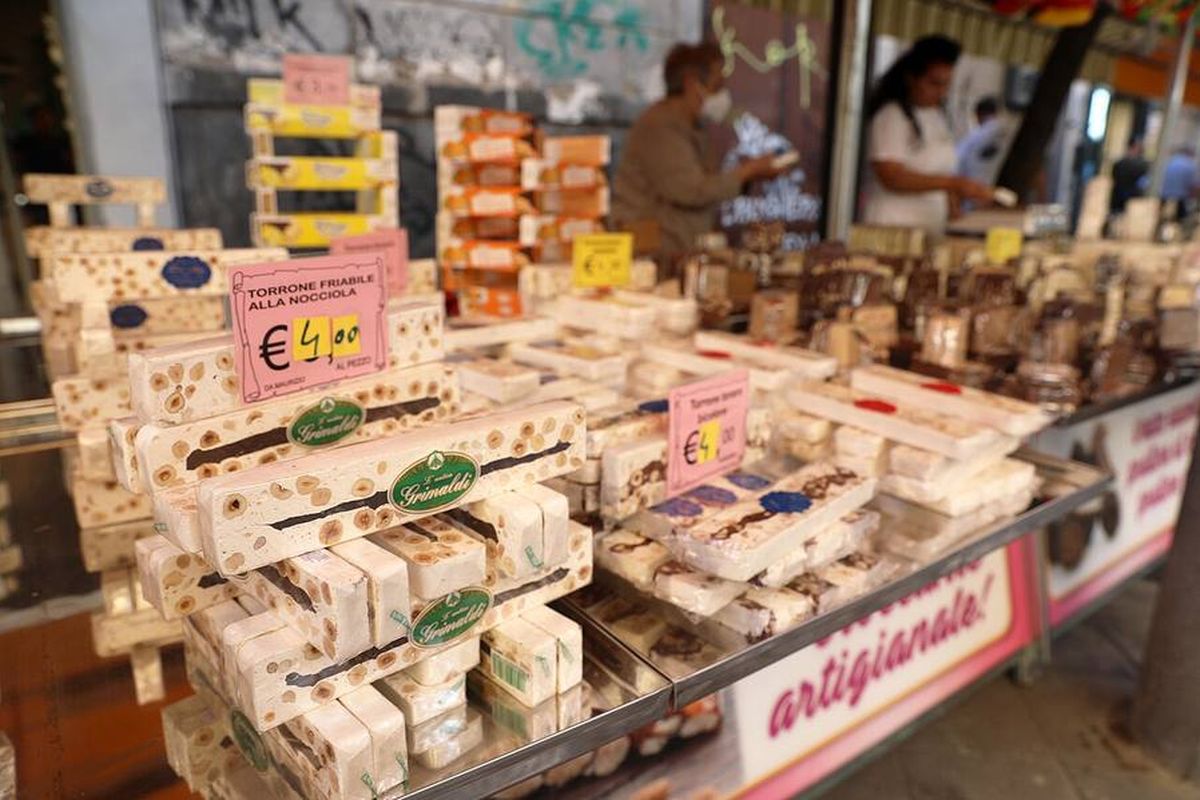
Eating Authentic Italian Food on a Budget
Why Cheap and Authentic Go Hand in Hand in Italy
Italy offers incredible food at every price point if you know where to look. A plate of cacio e pepe in a Roman trattoria can cost 8 euros, while the same dish in a piazza-facing tourist trap might run 18 euros with half the flavor. The secret is knowing where locals eat. That is exactly what this article covers: the bustling morning markets in Florence, the street food stalls in Palermo, the family-run trattorias tucked into side streets, and the regional specialties that vary from Lombardy to Sicily. Every recommendation focuses on one thing: where to find cheap authentic Italian food without sacrificing quality.
The promise is straightforward: you can enjoy authentic Italian food on a budget, and often the most affordable options are the most genuine. Budget Italian food in Italy means eating what is in season, buying from the market, and ordering the daily special rather than the pictured menu. Street food Italy authentic choices like arancini in Catania or pizza al taglio in Rome cost under 5 euros and are made with fresh, local ingredients. A cheap trattoria Italy meal - a primo and a glass of house wine - can satisfy for 12 euros. Cheap and authentic coexist; you just have to know where to look.
Eat Like a Local: Markets and Street Food for Authentic Flavors
How Food Markets Deliver Fresh, Cheap, and Authentic Meals
Food markets are one of the best sources for cheap authentic Italian food because they combine the lowest prices with the freshest ingredients. At Mercato Centrale in Florence, you can grab a plate of freshly made pici cacio e pepe for under EUR10 while sitting among locals. Campo de' Fiori in Rome transforms from a produce market in the morning to a lively evening spot, with vendors selling artichokes, porcini mushrooms, and ripe figs depending on the season. Ballaro in Palermo is a sensory overload: stalls groan under piles of Sicilian specialties like cannoli, fresh ricotta, and grilled swordfish. Rialto Market in Venice offers seafood that local chefs buy daily; nearby bars serve cicchetti for just a few euros each.
- Seasonal vegetables and fruit
- Local cheeses (pecorino Romano, burrata, gorgonzola)
- Cured meats (prosciutto di Parma, finocchiona, salame Felino)
- Crusty bread from a local panificio
- Ready-to-eat snacks: arancini, pizza al taglio, bruschetta
To maximize the experience, visit early: by 8:00 am the best products are out and crowds of locals reveal which stalls have the best quality. Look for queues: an Italian queue at a cheese or salumi stand signals trusted freshness. Avoid stalls selling pre-packaged pasta or vacuum-sealed items; these are almost always overpriced tourist traps. Instead, buy directly from farmers and artisans who display their produce simply. For an authentic markets Italy experience, this approach ensures you eat well without overspending. A few euros spent on bread, cheese, and cured meat from a market can yield a picnic that rivals any restaurant meal. Always carry cash, as many market vendors do not accept cards.
Italy's Best Street Foods You Must Try on a Budget
Italy's street food scene is one of the best ways to eat well without sitting down at a formal restaurant. These portable bites are made using time-tested recipes and sold at prices that rarely exceed five euros. From bakeries to market stalls, the options vary by region and each tells a story of local tradition.
- Pizza al taglio (Rome): rectangular slices sold by weight in bakeries (forni), topped with simple ingredients like tomato, mozzarella, or seasonal vegetables. A 10-15 euro slice costs around 2-4 euros.
- Arancini (Sicily): fried or baked rice balls stuffed with ragu, mozzarella, or pistachio. Look for them at fry shops (friggitorie) in Palermo and Catania for about 2-3 euros each.
- Piadina (Emilia-Romagna): a thin flatbread grilled on a terracotta pan, filled with cured meats and cheese. Market stalls in Rimini, Ravenna, and Forli serve them fresh for around 4-5 euros.
- Crescia (Marche): an herbed flatbread similar to piadina but made with lard or olive oil. Bakeries and street food alleys in Ancona and Urbino sell it for 2-3 euros, often stuffed with local porchetta.
For anyone seeking street food Italy authentic, these four regional specialties deliver both flavor and value. Skip the tourist traps near monuments and instead follow locals into bakeries, fry shops, and market alleys. That is where the real, budget-friendly Italian street food lives.
Navigating Markets Without Overspending: Practical Tips
Eating well for less starts with smart market strategies. Bring cash and a reusable bag; many vendors charge extra for bags or don't accept cards. Compare prices between stalls before buying; the same tomatoes or cheese can vary by a euro or more just a few meters away. This habit alone keeps your authentic Italian food on a budget well within reach.
- Avoid the most touristy central markets, which often inflate prices for imported goods or pre-packaged samples. Instead, venture to neighborhood markets where locals shop daily.
- In Palermo, Ballaro Market offers a more local pulse than the heavily touristed Vucciria; in Venice, skip Rialto Market's overpriced prepared foods and head to the fresh produce section for budget Italian food finds.
- For true street food Italy authentic, look for small vendors grilling arancini or frying seafood on the spot, often at half the cost of sit-down restaurants.
Learning a few basic Italian phrases transforms the experience. Simple greetings like "Buongiorno" or "Quanto costa?" signal respect, and vendors often respond with generous samples or point you to the best seasonal items. Asking "Cosa mi consiglia?" (What do you recommend?) can lead to hidden gems like a local cheese or a just-baked focaccia that won't appear on any tourist menu. This connection is the essence of budget Italian food done right: real flavors, real people, no markup.
Discovering Family-Run Trattorias and Osterie on a Budget
What Defines a Trattoria or Osteria vs a Ristorante
The difference between a trattoria or osteria and a ristorante comes down to formality and price. A ristorante typically offers tablecloths, printed menus, a full wine list, and higher prices to match the polished service. A trattoria, by contrast, is family-run, with simpler decor, a smaller menu, and prices that stay within reach for locals. This is where you find budget Italian food that still feels genuinely Italian: the owner might also be the cook, and the recipes often come from the family rather than a chef's textbook.
Spotting a cheap trattoria in Italy that delivers real quality takes a little practice. Look for restaurants with handwritten menus taped to the window or chalkboards listing the day's specials. Seasonal offerings, like wild asparagus in spring or porcini in autumn, are a strong sign that the kitchen works with fresh, local ingredients. A small dining room with no more than a dozen tables is another clue; large spaces often rely on pre-prepared dishes. If the menu is short, that is a good thing. It means the kitchen focuses on a few recipes done well rather than trying to please everyone.
The line between a trattoria and an osteria has blurred over the years. Historically, an osteria focused on wine with simple food to accompany it, while a trattoria emphasized home-style cooking. Today, both offer affordable meals, though osterie sometimes retain a stronger focus on wine pairings. In practice, the names often overlap, so the best way to judge quality is to peek inside: if the room is full of locals and the aroma comes from a real stove, you are in the right place.
Spotting Real Family-Run Restaurants (and Avoiding Tourist Traps)
The quickest way to find family-run restaurants Italy cheap is to look for places that do not need to lure you in. A menu without glossy photos, a dining room filled with locals, and no staff member standing outside to flag you down are three reliable signs. If the menu is only in Italian and the handwritten daily specials are taped to the wall, you have likely found a trattoria or osteria that prioritizes regulars over tourists.
Before you sit down, pull out your phone and scan a few reviews. Look for reviewers who explicitly mention that the owner was cooking in the kitchen or that a grandmother's recipe appears on the menu. Phrases like "family-run for three generations" or "the same hands have been making the pasta for decades" are stronger signals than a simple four-star rating. Avoid any restaurant within a two-block radius of major attractions that offers menus in six languages, a greeter with a laminated card, or a "special" that seems too good to be true because it usually is.
By steering clear of these tourist traps, you can eat food that is both affordable and genuinely prepared, served in a setting where the passion for cooking has not been replaced by the quest for turnover.
Regional Specialties That Won't Break the Bank
The key to eating well on a budget in Italy is ordering regional specialties that were designed to be affordable. In Rome, cacio e pepe is a cheap pasta dish made with just pecorino romano, black pepper, and pasta water, yet its flavor rivals any elaborate sauce. In Puglia, orecchiette con cime di rapa combines handmade ear-shaped pasta with bitter turnip tops, garlic, and anchovies for a dish that costs around 8 to 10 euros. Pasta e fagioli, a hearty bean and pasta soup found across central Italy, is another filling option that costs even less. These dishes prove that cheap pasta does not mean low quality.
For a second course, look beyond expensive steaks and seafood. Trippa alla fiorentina, Florentine-style tripe cooked in tomato sauce, is a classic budget option at family-run trattorias. Polpette al sugo, tender meatballs in tomato sauce, are usually served as a secondi or even as a starter for just a few euros. At lunchtime, many restaurants offer a pesce del giorno (fish of the day) at a significantly lower price than the evening menu, making it a smart choice for budget-conscious diners. Asking locals for what to order in Italy on a budget often leads to these traditional dishes.
Finally, round out your meal with contorni that are both inexpensive and delicious. A generous plate of grilled vegetables (zucchini, eggplant, bell peppers) costs around 4 to 6 euros and adds freshness to any meal. A classic caprese salad with ripe tomatoes, fresh mozzarella, and basil is equally affordable and showcases the quality of local ingredients. By choosing these simple sides, you can enjoy a complete Italian meal without overspending.
Drinking on a Dime: Cheap Wine, Coffee, and Aperitivo
When you are eating on a budget in Italy, skip the bottled wine list and order a carafe of vino della casa (house wine). Most family-run trattorias serve a local red or white that pairs well with homemade pasta or grilled vegetables, typically costing 4 to 6 euros per half-liter. This is one of the easiest ways to keep your authentic Italian food budget while still enjoying a proper regional pairing.
Coffee prices can double or triple if you sit at a table instead of standing at the counter. For cheap eating, adopt the local habit of ordering an espresso al banco. A caffe normale costs around 1 euro at the bar, versus 3 to 4 euros seated. This is a quintessential Italian street food tip: you get the same high-quality espresso for a fraction of the price, and you drink it standing up in under a minute.
Aperitivo culture in northern cities like Milan and Turin offers another smart strategy for budget Italian food seekers. Pay for one drink (usually 8 to 12 euros) and you gain access to a buffet spread of olives, cheeses, cured meats, salads, and sometimes hot dishes. This works especially well as a light dinner, making cheap aperitivo Italy a practical way to sample multiple regional flavors without ordering a full meal.
Regional Budget Bites: What to Order Where in Italy
Northern Italy: Cicchetti, Risotto, and Mountain Specialties
Northern Italy is full of cheap eats, but you have to know what to order where. In Venice, skip the overpriced tourist spots near St. Mark's Square and go to a bacaro, a small wine bar. There, cicchetti are the main draw: small toasts or bites topped with baccala mantecato (creamed cod), marinated vegetables, or meatballs. Each costs around 2 to 3 euros. Order two or three with a glass of house wine called an ombra, and you get a satisfying meal for under 10 euros. Locals often stand at the counter, making it quick and social.
Milan offers a different budget strategy: the aperitivo ritual. In the Navigli district, many bars offer an aperitivo buffet from around 6 to 8 p.m. For the price of one drink (8 to 10 euros), you can help yourself to a spread of pasta salads, bruschetta, olives, cheese, and sometimes hot dishes. It effectively replaces dinner, making it one of the best budget Italian food deals in the city. Stick to bars frequented by Milanese students and workers for the most authentic options.
In Turin, the budget treats are sweet and historical. Gianduia chocolate, a blend of hazelnuts and cocoa invented locally, is available at historic cafes like Caffe al Bicerin for a few euros. Pair it with a bicerin, a layered drink of espresso, rich chocolate cream, and milk. These affordable specialties let you experience authentic Italian food on a budget while soaking in Piedmont's cafe culture.
Central Italy: Pizza, Pasta, and Street Food in Rome, Florence, and Bologna
In Rome, the cheap eats start at the counter. Pizza al taglio sold by weight at bakeries like Forno Campo de' Fiori or Antico Forno Roscioli lets you sample multiple varieties for under 5 euros. The same places often sell suppli, Roman fried rice balls stuffed with mozzarella and tomato sauce, for about 2 euros each. For pasta, skip tourist-trap restaurants and order the piatto del giorno at lunch menus in working-class trattorias near Termini or Testaccio. A full plate of cacio e pepe or amatriciana runs 10-12 euros and includes bread and a drink.
Florence's best budget bite comes from a cart. The lampredotto sandwich, slow-cooked beef tripe simmered with herbs and served on a crusty roll with salsa verde, costs around 5 euros from street vendors near the Mercato Centrale or San Lorenzo market. It is traditional Florentine street food that tourists often overlook in favor of pricey bistecca alla fiorentina. Grab one for lunch, then browse the market stalls for local pecorino cheese to complete the meal.
In Bologna, head to any osteria off Piazza Maggiore for tortellini in brodo. This simple broth-based pasta dish is both filling and inexpensive, often appearing as a primo for 8-10 euros. For a quick snack, order a mortadella sandwich from a deli like Tamburini or a street stall. Thick slices of the city's signature cured pork on fresh bread cost about 4-5 euros. Both options deliver authentic taste without the high price tag.
Southern Italy and Islands: Arancini, Seafood, and Sweet Treats
In Naples, a budget-friendly pilgrimage to Pizzeria Da Michele, open since 1870, delivers a classic margherita for around 5 euros. This is perhaps the most famous example of cheap authentic pizza that does not compromise on tradition. The simple dough, San Marzano tomatoes, fresh mozzarella, and basil prove that quality comes from craft, not cost. Locals line up daily for this one-item menu, confirming that the best meals are often the simplest.
Cross the Strait of Messina to Sicily, where street food rules. In Palermo, grab a golden, crispy arancino (rice ball stuffed with ragù or butter) for 2-3 euros from a fry shop. For a lighter bite, try pane e panelle: chickpea fritters tucked into a sesame bun for about 2 euros. These classic snacks are authentic Italian food on a budget and widely available at bakeries and street stalls throughout the island.
For dessert, cannoli are a must: crunchy fried shells filled with sweet ricotta, costing around 3 euros at pasticcerie. And while gelato is not always considered street food, a cone of real Sicilian gelato with pistachio or almond flavor is a cheap authentic gelato treat for about 2-3 euros, far superior to mass-produced versions.
For a full lunch, head to the fish market in Catania or Palermo. At Catania's La Pescheria, you can buy fresh grilled swordfish or fried calamari from vendors for 8-10 euros and eat standing at a counter. The market setting adds to the experience, proving you can enjoy high-quality seafood without a white tablecloth.
Savoring Italy Without Stretching Your Wallet
Final Thoughts on Eating Authentic Italian Food on a Budget
Finding cheap authentic Italian food requires the right approach. Focus on morning trips to local markets like Florence's Mercato Centrale or Palermo's Ballaro, where fresh panini and arancini cost under 5 euros. Seek out street food stalls in Naples for pizza a portafoglio (folded pizza for 3 euros) or in Rome for suppli (fried rice balls). Prioritize family-run trattorias and osterias in residential neighborhoods away from main squares. These spots serve generous portions of homemade pasta for 10 to 14 euros and often include a house wine or cover charge that covers bread.
Regional ordering is another key strategy. In Bologna, order tagliatelle al ragù (not spaghetti bolognese) for the best value. In Sicily, choose pasta con le sarde or caponata. Sticking to local specialties ensures fresher ingredients and lower prices, since restaurants buy seasonal produce from nearby suppliers. Avoid tourist-centric menu turistico deals and instead look for pranzo di lavoro (lunch specials) posted outside doors. These typically include a primo, secondo, contorno, and drink for 12 to 15 euros.
The abundance of affordable quality food in Italy is remarkable once you step away from major landmarks. A 4-euro cone of artisanal gelato from a local gelateria with natural colors, a 2-euro espresso at the bar counter, or a 1.50-euro piece of pizza al taglio are all within reach. Always ask a hotel receptionist, a shopkeeper, or the person next to you in line where they eat. Locals rarely steer you wrong. And before settling on dinner, check the lunch menu posted in the window. If the prices are reasonable and the dishes sound authentic, book a table for the next evening.
Official sources
Details worth verifying before you go — checked against:

Travel Writer & Editor
Emily Johnson writes and edits Do Travel Blog. Every guide on the site starts the same way: with a question she actually had while planning — when to book, which pass to buy, how to get from A to B without overpaying. Where a number matters, she cites the source: park tickets link to the park's own fee page, visa rules to the official consulate, ferry times to the operator. Prices get re-checked against those pages before each update, and a guide is re-dated when its numbers move. Nothing here is sponsored — she doesn't accept payment for coverage. Spotted something stale or wrong? Email hello@dotravel.blog and she'll fix it.