Top Places to Visit in Serbia, Bosnia & Montenegro
Discover the best places to visit in Serbia, Bosnia, and Montenegro - from Belgrade nightlife and Mostar's bridge to Kotor's old town and Tara canyon. Plan your Balkans itinerary now.
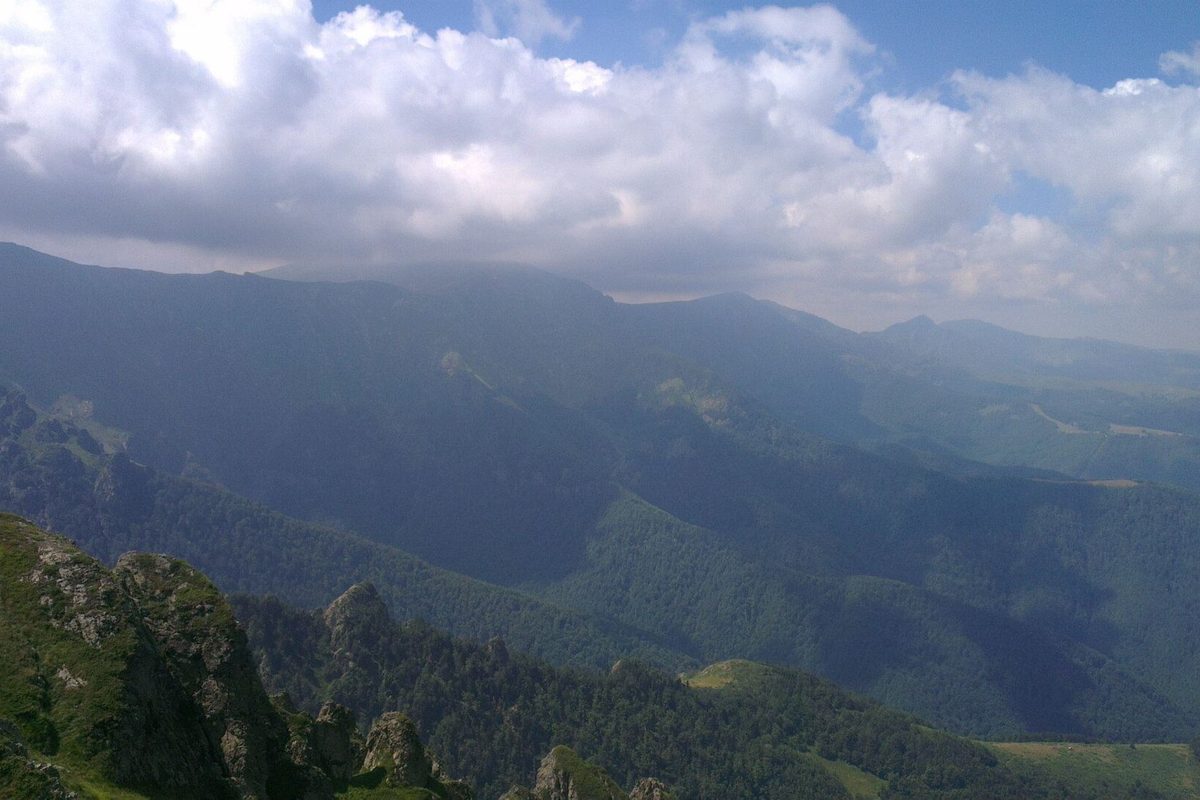
Why This Tri-Nation Route Belongs on Your Balkans Itinerary
Tucked between the Adriatic and the Danube, Serbia, Bosnia and Herzegovina, and Montenegro form a compact yet remarkably diverse travel corridor. Ottoman mosques and Austro-Hungarian palaces line the same cobblestone streets, while brutalist socialist monuments punctuate the forested mountainsides. This guide covers the towns, natural parks, and historic sites along the route, with concrete reasons to visit each stop. From the lively streets of Belgrade to the serene beauty of Kotor old town, the region offers some of the best places in the Balkans for travelers who want history, nature, and culture in one trip.
Within a single week you can walk across the reconstructed Mostar bridge, explore the wartime tunnels in Sarajevo, and gaze into the depths of Tara canyon, one of Europe's deepest gorges. The compact geography means you can cover Serbia Bosnia Montenegro sights without long, exhausting drives. Whether you seek Belgrade nightlife or the quiet fjord-like bay of Kotor, the things to see in the Balkans here defy the region's small area. The article ahead unpacks each destination with practical advice on when to go, what to see, and why it deserves a spot on your itinerary.
Serbia: Where History Meets Urban Energy
Belgrade - Fortresses, Nightlife, and the Sava-Danube Confluence
Belgrade anchors any route through the three countries, and the city's soul begins at Kalemegdan Fortress. Perched on a ridge above the confluence of the Sava and Danube rivers, this ancient stronghold has witnessed centuries of conflict and reinvention. Walk its ramparts to the statue of the Victor (Pobednik) for panoramic views across the two rivers toward Great War Island. The fortress park also houses the Military Museum and a calming green escape from the city's energy.
Just downhill from Kalemegdan, the bohemian quarter Skadarlija preserves 19th-century charm with cobblestone streets, gas lamps, and traditional kafanas where live brass music spills onto the pavement. This is where Belgrade's artists and poets once gathered. A short walk away, Savamala offers a completely different face: gritty street art, converted factories, and buzzing cafes along the Sava riverbank. Together, these districts capture Belgrade's layered identity.
Belgrade's nightlife is legendary, and the splavovi, floating river clubs moored along the Sava and Danube, are a uniquely Belgrade experience. These barge venues range from techno-focused clubs to laid-back open-air bars, many open until dawn, especially in summer. For a more central scene, the bars on Strahinjica Bana Street draw a lively crowd. Among the many things to see in the Balkans, experiencing Belgrade nightlife on the water remains a must. For anyone compiling their list of Balkans best places, the city's blend of fortress history, bohemian streets, and river parties creates a destination unlike any other in the region.
Novi Sad - Petrovaradin Citadel and the Exit Festival Spirit
Novi Sad crowns the Danube with Petrovaradin Fortress, the Gibraltar of the Danube. This 18th-century stronghold sits on a bluff with a clock tower visible for miles and a labyrinth of underground tunnels open for guided tours. Its strategic location once guarded the Austro-Hungarian Empire. Now it draws visitors year-round for the panoramic river views, artist studios, and summer night markets that fill the fortress ramparts.
Below the fortress, the historic center pulses with a relaxed multicultural energy. Trg Slobode, the main square, is ringed by pastel Austro-Hungarian facades and the Neo-Gothic Name of Mary Church. The city's blend of Serbs, Hungarians, Slovaks, and Croats gives it a distinct openness. For anyone planning the route, Novi Sad offers a genuine taste of Balkan coexistence without the bustle of Belgrade.
The EXIT festival each July transforms the fortress into a massive music event, but the citadel's appeal is purely year-round. Concerts, art exhibitions, and a wine festival keep the calendar full. Among the best places in the Balkans for history and atmosphere, Novi Sad delivers both without the tourist density of better-known stops.
Southern Serbia - Nis and Novi Pazar's Ottoman Legacy
Southern Serbia packs two contrasting historical hubs into a single rewarding detour. In Niš, the Niš Fortress is a layered relic of Roman, Byzantine, and Ottoman rule; its thick walls now frame a pleasant park and cafe quarter. Just outside the city, the Skull Tower is a chilling memorial to the 1809 Battle of Čegar, its embedded human skulls a stark reminder of Ottoman-era resistance. Nearby, the Mediana archaeological site reveals a lavish 4th-century Roman villa with intact mosaics, giving travelers a glimpse into imperial life before the Ottomans arrived.
Heading deeper into the region, Novi Pazar offers a different Ottoman narrative. The Altun-Alem Mosque, built in the 16th century, remains one of the finest examples of classical Ottoman architecture in the Balkans, its slender minaret visible above the town's rooftops. Just a short drive away, the Sopocani monastery (a UNESCO World Heritage site) showcases 13th-century frescoes that rank among the finest achievements of medieval Serbian art, a direct counterpoint to the Islamic heritage in town. The nearby Stari Ras fortress, once the capital of the medieval Serbian state, crowns a hill overlooking the modern city, tying together centuries of shifting power.
For travelers seeking the Serbia Bosnia Montenegro sights that reveal deeper layers of Balkan history, this corridor between Niš and Novi Pazar delivers some of the most compelling contrasts on any itinerary. The region ranks among the best places in the Balkans for those who want to move beyond surface-level tourism and explore the Ottoman and Serbian medieval past side by side. As one of the essential things to see in the Balkans, southern Serbia rewards visitors who take the time to connect these historical dots across a single afternoon's drive.
Bosnia and Herzegovina: A Crossroads of Cultures
Sarajevo - Where East Meets West and History Lives On
Start your Balkans trip in Sarajevo, where the Ottoman and Austro-Hungarian empires left their mark on every corner. Begin at Bascarsija, the 15th-century Ottoman bazaar with cobblestone lanes, copper workshops, and cafes serving Bosnian coffee. Just steps away, the Gazi Husrev-beg Mosque is one of the country's most important Islamic structures, its dome and minaret defining the skyline since 1531.
A short walk leads to the Latin Bridge, site of the 1914 assassination of Archduke Franz Ferdinand that triggered World War I. A small museum near the bridge documents the event and its global aftermath. For a more recent chapter of resilience, visit the Tunnel of Hope, the Sarajevo tunnels dug during the 1992-1995 siege. Today, a preserved 20-meter section lets you crawl through the narrow passageway that kept the city supplied with food, medicine, and weapons.
What makes Sarajevo one of the essential things to see in the Balkans is its four-faith quarter, where a Catholic cathedral, Serbian Orthodox church, mosque, and synagogue stand within minutes of each other. The city's spirit, scarred but unbroken, shows in the mix of architectural styles and the easy coexistence of cultures. For anyone ticking off highlights, Sarajevo delivers history, coffee, and an unforgettable human story.
Mostar - The Stari Most and a City Reborn
Mostar's identity is inseparable from the Stari Most, the 16th-century Ottoman bridge that arches 24 meters above the Neretva River. Since 1566, the bridge has connected not just the two banks but the city's diverse communities. Today, the local diving club carries on a tradition that draws crowds: young men climb the slippery stone parapet and leap into the cold turquoise water below, a ritual that has become the city's most photographed moment.
The old town radiates from the bridge in a maze of cobbled lanes lined with craft shops, cevapi stands, and Ottoman-era buildings. Climb the minaret of the Koski Mehmed Pasha Mosque for a sweeping view down the Neretva Valley, where red-tiled roofs meet the green hills. Unlike many other Balkan landmarks, the mosque was largely spared during the 1990s conflict, though the neighborhood around it was devastated.
Visiting the Mostar bridge today is also a lesson in resilience. The original Stari Most was destroyed by shelling in 1993, then meticulously rebuilt with original stones salvaged from the river. The reconstruction completed in 2004 was a powerful symbol of reconciliation. UNESCO listed the old town as a World Heritage site the following year, recognizing the bridge as both a cultural treasure and evidence of the will to rebuild.
Trebinje - Wine, Riverside Charm, and Hercegovina's Hidden Gem
Trebinje is quieter and more relaxed than Mostar, but it holds its own among the best places to visit in the Balkans. The Trebisnjica River flows gently through town, a scenic backdrop for slow walks along its banks. The Arslanagic Bridge, a 16th-century Ottoman stone bridge, is evidence of the region's past and a good spot for photos. That calm makes Trebinje a refreshing stop on any Serbia Bosnia Montenegro itinerary.
Beyond the riverside, Trebinje is the gateway to the Hercegovina wine region, known for robust reds and crisp whites. Visitors can tour local wineries like Vukoje or Popovic, where tastings show the character of the local terroir. The mix of historic architecture and viticulture gives Trebinje a distinct appeal among things to see in the Balkans. A glass of local zilavka wine by the river sums up the town's laid-back vibe.
A short drive from the center, the Tvrdos Monastery offers a quiet escape into Orthodox heritage. This 15th-century monastery, surrounded by vineyards and olive groves, also produces its own wine and rakija, which visitors can sample. Together with the town's unhurried pace, the monastery and the wine country make Trebinje a hidden gem that rewards those who venture off the beaten track. It is a good place to unwind after exploring the more energetic Belgrade nightlife or the dramatic Tara canyon further north.
Pocitelj and the Neretva Canyon - A Painterly Ottoman Village
Pocitelj is one of the best places in the Balkans to see Ottoman architecture. The village climbs the hillside in terraced stone layers, with a 16th-century clock tower at the top dating to 1563. Below it, a mosque and medresa from the same period complete the historic ensemble. Each terrace offers a different perspective of the Neretva River winding through the canyon below.
The village held a strategic position guarding the Neretva valley, visible from the fortress ruins at the summit. The views are dramatic: canyon walls drop sharply to the water and the emerald river flows south toward Mostar. For travelers ticking off highlights, this viewpoint alone is worth the stop. The contrast between the orderly stone houses and the raw natural gorge is one of the most memorable things to see in the Balkans.
Just 30 minutes south, Kravice Waterfalls provide a natural bonus. The Trebizat River cascades 25 meters over a travertine barrier, creating a swimming hole surrounded by lush greenery. Pairing the cultural richness of Pocitelj with the refreshing spray of Kravice makes for a perfect day trip from Mostar.
Montenegro: From Fjord-Like Bays to Rugged Mountains
Kotor Old Town and the Bay of Kotor - A UNESCO Masterpiece
Kotor old town is a well-preserved medieval settlement, its narrow streets opening onto squares like the Square of the Arms. Romanesque churches such as the Cathedral of Saint Tryphon anchor the old town, alongside former palaces that once housed Venetian nobility. The entire fortified city is a UNESCO World Heritage Site, drawing travelers who want a taste of the Adriatic past.
Hiking up to the Fortress of Saint John (known locally as the Ladder of Kotor) is a demanding but rewarding climb. Over 1,350 stone steps wind up the mountain, with each switchback offering wider views of the red-roofed old town and the deep blue Bay of Kotor below. The ascent takes about one hour, and the panorama from the fortress walls is the iconic image of the region.
The Bay of Kotor itself resembles a Norwegian fjord, with steep forested slopes dropping into calm waters. Two islands sit just off the coast: Our Lady of the Rocks, an artificial island built over centuries by local seamen sinking rocks and old ships, and the natural islet of Saint George with its Benedictine monastery. A short boat trip from the old town brings you to these landmarks.
For anyone compiling a list of the region's best places, Kotor old town and the Bay of Kotor stand out as highlights. The combination of medieval architecture, dramatic mountain backdrop, and serene bay makes this a destination that rewards both history lovers and nature enthusiasts.
Durmitor National Park and the Tara Canyon - Europe's Grand Canyon
The Tara Canyon carves through northern Montenegro as the deepest canyon in Europe, reaching 1,300 meters at its most dramatic point. Rafting the emerald Tara River is the most popular way to experience the canyon walls, with Class II to IV rapids running through the spring and summer months. Above the gorge, the graceful Djurdjevica Tara Bridge spans 365 meters, offering a view that stops every traveler mid-stride. This single-arch concrete bridge, built in 1940, connects two sides of the canyon and provides a starting point for short hikes along the rim.
Within the same protected area, Durmitor National Park surrounds the canyon with a landscape of glacial lakes, dense pine forests, and alpine meadows. The park's 18 glacial lakes, known locally as mountain eyes, reflect the surrounding peaks in still, teal water. Bobotov Kuk, the highest summit at 2,523 meters, draws hikers for a full-day climb with panoramic views that stretch to the Adriatic on clear days. Durmitor's UNESCO World Heritage status rewards those who explore its network of marked trails, ranging from easy lakeside loops to multi-day treks connecting mountain huts. Together, the canyon and park form one of the best places in the Balkans for anyone seeking dramatic scenery and outdoor adventure.
Ostrog Monastery - A Cliff-Hewn Pilgrimage Site
Ostrog Monastery clings to a near-vertical cliff face 900 meters above the Bjelopavlici plain. Carved directly into the rock in the 17th century, its white-washed walls look almost suspended against the grey mountainside. Pilgrims from Serbia, Bosnia, and Montenegro come to venerate the relics of Saint Basil of Ostrog, a miracle-working bishop whose body remains enshrined in the Upper Monastery.
The approach road is unforgettable: a series of hairpin bends climbing through a narrow valley, with the monastery appearing suddenly around a final turn. Inside, a palpable hush hangs in the air, broken only by quiet prayers and the flicker of oil lamps. The view from the terrace stretches across the Bjelopavlici plain, a vast patchwork of fields and villages far below. Ostrog remains a deeply spiritual stop on any itinerary through the three countries, drawing devout Orthodox Christians and curious travelers alike.
Budva Riviera and Sveti Stefan - Glamour on the Adriatic
The Budva Riviera ranks among the Balkans' best places for a mix of history and seaside relaxation. The old town, enclosed by thick medieval walls, dates to the Venetian period. Inside, narrow cobblestone alleys wind past small churches and shaded squares. Outside the walls, sandy beaches stretch along the coast, offering swimming and sunbeds. As the sun sets, the town shifts into high gear with bars and clubs that rival any city nightlife in the region. This lively coastal hub is a standout among Serbia Bosnia Montenegro sights.
A few kilometers south, the islet of Sveti Stefan looks like a postcard brought to life. The tiny fortified village, connected to the mainland by a narrow causeway, now operates as an exclusive Aman resort. Its pink-roofed stone houses rise from turquoise water, creating one of the most photographed scenes along this coastline. Even without a stay, the public viewpoint on the coastal road provides a perfect framing spot. The view is free and unforgettable.
When you need a break from the beach, Lovćen National Park is a short drive inland. The road hairpins up the mountain, revealing sweeping views over the Adriatic and the bay below. At the summit, the mausoleum of Petar II Petrović-Njegoš adds a cultural layer to the visit. Dense pine forests and hiking trails replace the coastal buzz with crisp mountain air. This quick escape shows the variety of things to see in the Balkans, where sea and peaks sit within easy reach.
Bottom line
Making the Most of Your Serbia-Bosnia-Montenegro Trip
Travelers who follow a route through Serbia, Bosnia, and Montenegro will see a wide range of sights: the energetic Belgrade nightlife, the layered history of Sarajevo (including the wartime tunnels that tell a powerful story), the photogenic Mostar bridge where locals still dive into the river, the dramatic Kotor old town along a fjord-like bay, and the wild landscapes of Durmitor National Park with the deep Tara canyon stretching below. These are among the essential things to see in the Balkans, offering a complete picture of the region's character and history.
To truly appreciate these Serbia Bosnia Montenegro sights, a flexible itinerary works best. Allow room for spontaneous detours into smaller villages, extra hikes in the mountains, or an unplanned coffee in a historic square. The best travel plans blend city energy, natural wonders, and off-the-beaten-path discoveries, so you experience the region's diverse highlights at your own pace. This route offers exceptional value because it connects three distinct countries in a single manageable loop, giving you cultural depth without the time commitment of a longer tour.
Now is the time to turn these highlights into an actual trip. Start planning your Serbia-Bosnia-Montenegro journey using the stops described above and build a route that feels right for you. Every sight on this list is worth the detour.
Official sources
Details worth verifying before you go — checked against:
Travel Writer & Editor
Emily Johnson writes and edits Do Travel Blog. Every guide on the site starts the same way: with a question she actually had while planning — when to book, which pass to buy, how to get from A to B without overpaying. Where a number matters, she cites the source: park tickets link to the park's own fee page, visa rules to the official consulate, ferry times to the operator. Prices get re-checked against those pages before each update, and a guide is re-dated when its numbers move. Nothing here is sponsored — she doesn't accept payment for coverage. Spotted something stale or wrong? Email hello@dotravel.blog and she'll fix it.