Realistic 2-Week Balkans Budget (Serbia, Bosnia, MN)
Plan your Balkan adventure with our realistic daily budget for Serbia, Bosnia and Herzegovina, and Montenegro. Covers accommodation, meals, transport, and attractions for two weeks.
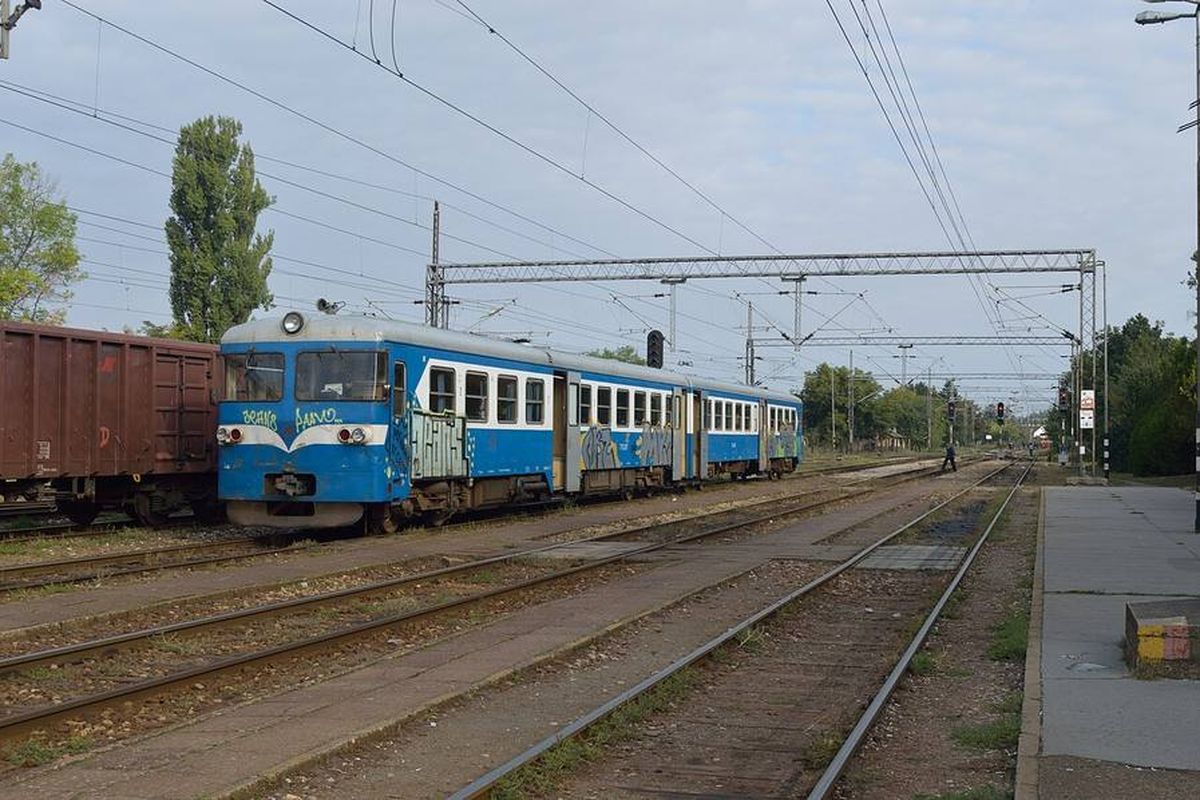
Realistic 2-Week Balkans Budget: Introduction
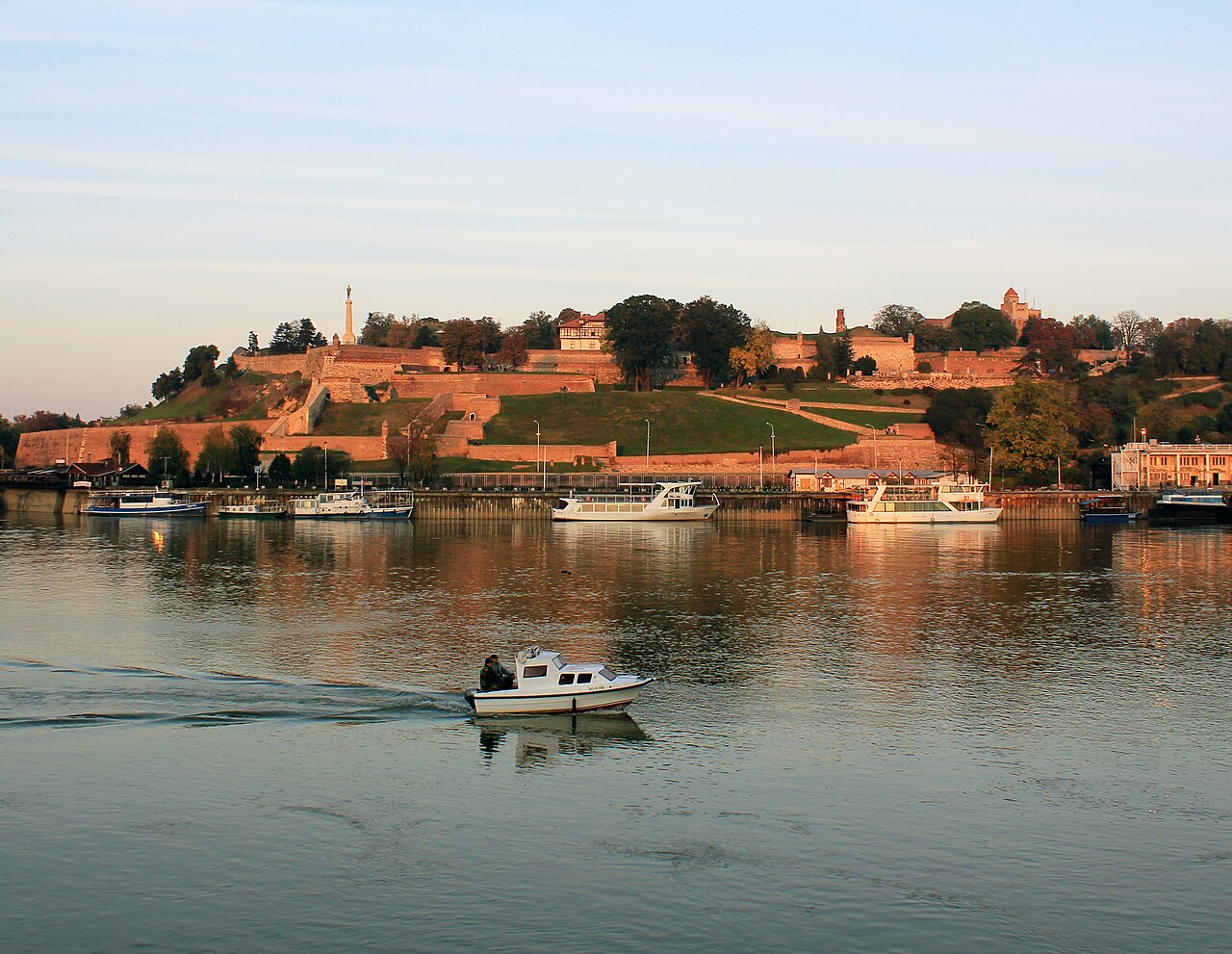
Photo: Bestalex / CC BY-SA 4.0 / Wikimedia Commons
Why a Detailed Budget Matters for Serbia, Bosnia, and Montenegro
Many travelers planning a Balkans trip assume all three countries cost the same, only to discover that prices in Montenegro's coastal towns can be double those in inland Bosnia. Serbia sits somewhere in between, with Belgrade's hostel costs averaging 12-15 euros per night compared to 8-10 euros in Sarajevo. A detailed budget prevents the unpleasant surprise of running out of money halfway through the trip.
This breakdown of the cost of Serbia, Bosnia, and Montenegro draws on actual backpacker experiences from recent seasons. Daily expenses are separated into four categories: accommodation, food, local transport, and activities. For example, a typical day in Bosnia might include a 10-euro hostel dorm bed, a 3-euro cevapi lunch, a 1.50-euro bus ticket within town, and a 5-euro entry to the tunnel museum in Sarajevo. In Montenegro, a day exploring Kotor Bay adds ferry fares and pricier seafood meals, pushing the daily total closer to 45 euros. These real-world numbers allow travelers to allocate their two-week Balkans cost realistically across each country.
Beyond the raw numbers, the budget includes practical tips for saving money without sacrificing experience. Eating at local bakeries (burek for under 2 euros) rather than tourist cafes cuts food costs significantly. Taking shared minibuses instead of private taxis cuts transport costs. Booking hostels with free walking tours or kitchen access reduces both accommodation and meal expenses. These small decisions add up, turning a tight budget into a comfortable trip.
Serbia Budget Breakdown: Belgrade and Beyond
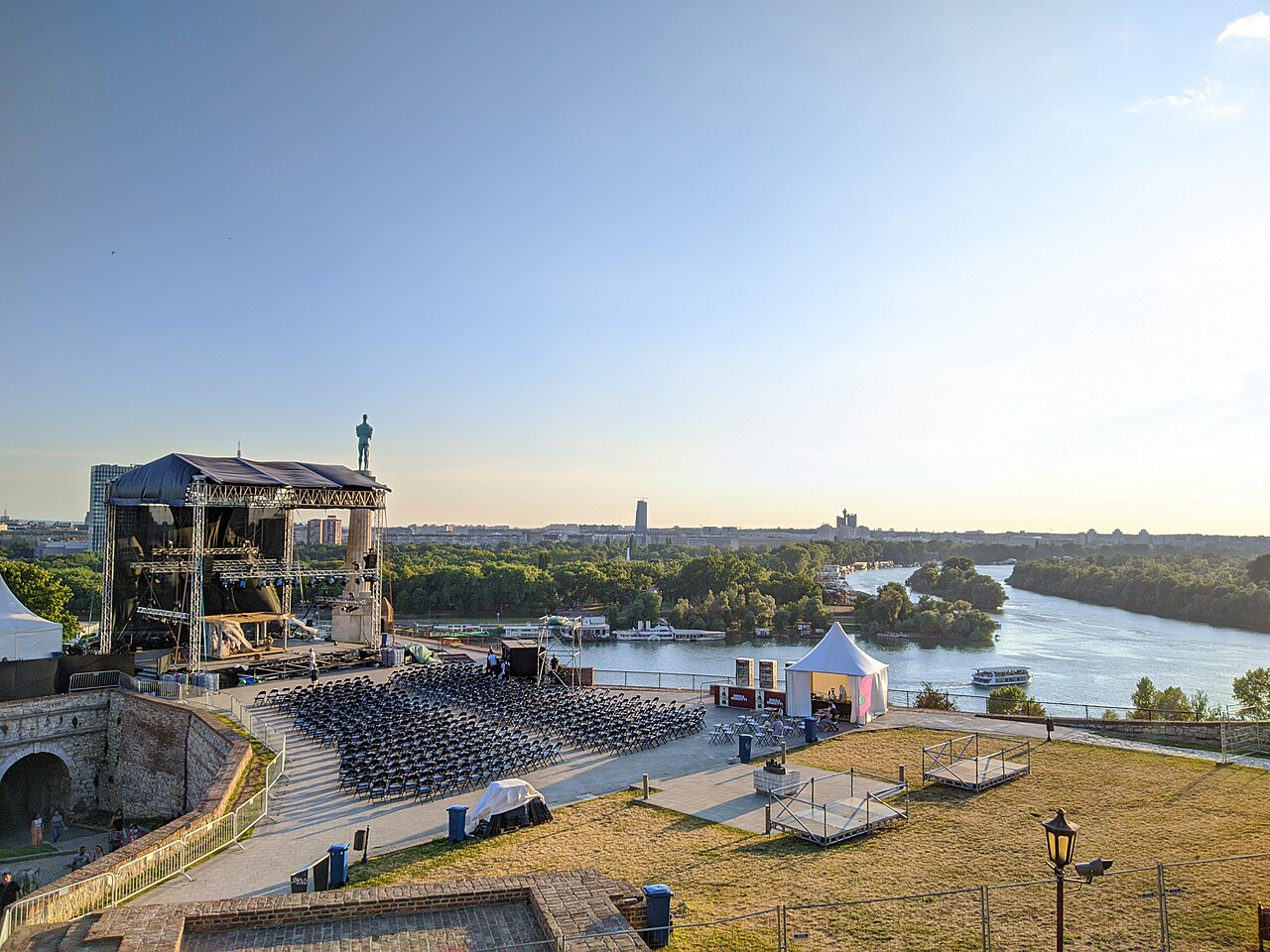
Photo: Imeao / CC0 / Wikimedia Commons
Accommodation Costs in Serbia
When estimating your overall Balkans trip budget, accommodation in Serbia will be one of the biggest variables. In the capital Belgrade, a centrally located hostel dorm bed runs between 10 and 15 EUR per night, with well-rated options like Hostel Belgrade 1 or Balkan Soul Hostel offering free breakfast and Wi-Fi in that price range. This makes hostel costs in Belgrade very manageable even for solo travelers aiming to keep the two week Balkans cost under control.
Heading outside the capital dramatically changes the cost structure. Private guesthouses in towns like Novi Sad, Subotica, or along the Danube charge roughly 20 to 30 EUR per night for a double room with private bathroom, often including home-cooked breakfast. These rates are consistently lower than comparable accommodation in neighboring Croatia or Montenegro, reinforcing why a cost Serbia Bosnia Montenegro breakdown shows Serbia as the cheapest leg of the trip.
Travelers seeking more privacy can find budget hotels in Belgrade starting around 35 EUR per night for a double room at properties such as Hotel Rex or Villa Jovana. Entire apartments via Airbnb in the city center typically list for 25 to 40 EUR per night, making them economical for pairs or small groups sharing costs. These self-catering units also help trim food expenses, as cooking reduces the need to rely on Balkan meal prices for every meal.
Seasonality significantly affects the numbers above. Peak summer months (June through August) see Belgrade hostel prices climb to 18-20 EUR per dorm bed and private guesthouses to 35-40 EUR per night, while winter (November to February, excluding New Year) drops prices by 15-25 percent. Shoulder seasons in May and September offer the sweet spot, with moderate weather and rates still near the lower tier. Booking at least two weeks ahead during summer is essential to secure the best rates for your cost Serbia Bosnia Montenegro itinerary.
Food and Drink Prices in Serbia
Eating well in Serbia won't wreck your budget. A main course at a mid-range restaurant runs between 5 and 8 euros, while a hearty plate at a konoba (traditional tavern) often stays under 7 euros. Even in Belgrade's more touristy Skadarlija district, portions are large enough to share, which helps stretch your Balkans trip budget without sacrificing experience.
Street food is where the real savings live. A cevapi portion with somun bread costs 2 to 4 euros, and a fresh burek from a bakery is 1.5 euros. Local beer, whether Jelen or Lav, goes for 1 to 2 euros in shops and up to 3 in bars. Coffee culture is strong: a standard espresso or Turkish coffee is under 2 euros, making it easy to linger without spending much.
To keep daily food costs around 10 to 15 euros, buy breakfast ingredients from a market (fresh cheese, bread, fruit) and eat your main meal at lunch when many restaurants offer cheaper dnevni meni (daily menu). Street stalls near Zeleni Venac market in Belgrade serve cevapi for under 3 euros. Avoid restaurants right on Knez Mihailova street, where prices can double for the same dishes.
These inexpensive meal options are typical across the region, which is why the cost Serbia Bosnia Montenegro comparison often shows Serbia as the priciest of the three but still very cheap by Western standards. Knowing these Balkan meal prices lets you allocate more cash toward the better hostels or a day trip to Novi Sad. Smart eating is one of the best Balkans money tips for your two-week total.
Transport and Activities in Serbia
Getting around Serbia on a modest Balkans trip budget is straightforward once you understand the local pricing. In Belgrade, a single ticket for the bus or tram costs between €0.50 and €1, depending on whether you buy it from a kiosk or the driver. The city's public transport network covers all major neighborhoods and attractions, so you rarely need taxis or ride-hailing services. For the cost Serbia Bosnia Montenegro traveler, this means your daily transport within Belgrade can stay well under €2.
For longer distances, intercity buses are the backbone of regional travel. A ticket from Belgrade to Novi Sad runs about €5, while the ride to Niš or Subotica sits closer to €10. These buses are comfortable and frequent, making them a solid pick for the budget-conscious traveler. When planning your itinerary, factor in that most museum and attraction entrance fees in Serbia land between €3 and €8. The Nikola Tesla Museum in Belgrade charges around €5, while the Kalemegdan Fortress grounds are free to explore, with the military museum inside costing roughly €3.
One of the best ways to orient yourself is by joining a free walking tour in Belgrade. These tip-based tours depart daily from Republic Square and cover the city's history, architecture, and local food spots. Guides are knowledgeable and often share Balkan money tips beyond what guidebooks offer. Including a modest tip of €5-10, this activity adds depth without straining your budget. When tallying your two week Balkans cost, allocate roughly €30-40 for transport and activities across Serbia, leaving room for spontaneous detours.
Bosnia and Herzegovina: Affordable Travel
Where to Stay in Bosnia on a Budget
Bosnia and Herzegovina offers excellent value for any two-week Balkans plan. Accommodation costs here are lower than in neighboring Montenegro or Croatia, making it a key part of a realistic Balkans trip budget. Bosnia's lower accommodation costs free up a significant portion of the overall two-week Balkans cost for food and transport.
In Sarajevo and Mostar, hostel dorms cost just 8 to 12 euros per night. Well-rated options like Hostel Franz Ferdinand in Sarajevo and Hostel Majdas in Mostar provide secure storage, free coffee, and social common rooms. A bed in a 6-bed dorm in Sarajevo runs around 10 euros in high season, while Mostar's hostels often include free walking tours. By comparison, hostel costs in Belgrade average 12 to 15 euros, so Bosnia cheap travel gives a noticeable edge.
Those seeking more privacy can find guesthouses with local hosts for 15 to 20 euros per night. Many include a simple breakfast that saves on Balkan meal prices. Guests can also use the kitchen for self-catering, further reducing daily expenses. In Mostar, guesthouses like Guest House B and T offer clean rooms and family-run hospitality that enriches the experience.
For travelers venturing into smaller towns such as Jajce or Travnik, no-frills hotels charge 20 to 25 euros for a private room with ensuite bathroom. For instance, Hotel Jajce offers doubles at 22 euros, while motels in Travnik start at 18 euros. Rates often drop to 15 euros in shoulder seasons, making them a solid option for anyone calculating the cost Serbia Bosnia Montenegro budget.
A useful Balkans money tip: booking directly via phone or email often secures a 10 to 15 percent discount, as hosts avoid platform commissions. Platforms typically add 3 to 5 euros in fees per night; direct booking eliminates that. This is especially worth doing for stays of three or more nights, freeing up money for other parts of the itinerary.
Eating and Getting Around in Bosnia
Bosnia and Herzegovina is the cheapest stop on a Balkans trip. Street food runs under €3 and bus rides rarely top €5, so travelers get more for their money here than anywhere else on the itinerary. That makes Bosnia a key part of any realistic cost calculation.
Street food like cevapi (grilled minced meat in flatbread) and pita (savory potato or cheese pies) costs €2-3, enough for a filling lunch or light dinner. Sit-down restaurants serve hearty meals like Bosnian stews, grilled platters, and fresh salads for €5-7, including a drink. These Balkan meal prices are some of the lowest in the region, so you can eat out twice daily without blowing your budget.
Getting around is equally cheap. Local buses and minibuses, called kombi, cover city routes and nearby towns for €2-5 per ride. For longer distances, the scenic Sarajevo-Mostar train costs €10-12 one way, with mountain valley views and a comfortable ride. Together, these low-cost meals and affordable transport keep the overall cost Serbia Bosnia Montenegro adventure well within a modest daily target.
Sightseeing and Activities in Bosnia
Mostar's Old Town is free to explore, and the iconic Stari Most bridge costs nothing to cross. To learn about the bridge's history, the Bridge Museum charges €3, and climbing the Koski Mehmed Pasha Mosque's minaret for rooftop views costs €5. These small fees are common across Bosnia, keeping sightseeing affordable on any Balkans trip budget.
For nature lovers, Sutjeska National Park in southeastern Bosnia has free entry to its forests and the country's highest peak, Maglic. Day hikes to Skakavac waterfall or the Perućica primeval forest require no ticket, but bus transport from Mostar or Sarajevo runs about €10-15 each way. That makes it a cheap add-on when calculating the cost of a Serbia Bosnia Montenegro trip.
A key budget tip: skip overpriced guided tours, especially those from Dubrovnik into Bosnia, which can exceed €50 per person. Instead, plan self-guided walks with free maps from hostels or tourist offices. In Mostar, the Old Bridge diving show is free to watch, and many mosques and churches have no entry fee. In Sarajevo, the old town Baščaršija and the Tunnel of Hope museum (€5 entry) are easily reached on foot. For a two-week cost breakdown, allocating only €20-30 for total entry fees across Bosnia is realistic, leaving more for excellent Balkan meal prices.
Montenegro Budget: Coast and Mountains
Accommodation Costs in Montenegro
Accommodation costs in Montenegro vary a lot between the busy coast and the quieter inland, so it matters for any Balkans trip budget. On the coast, in popular towns like Kotor and Budva, a dorm bed in a hostel runs €12 to €18 per night during peak summer. These hostels often include basic breakfast and are within walking distance of the old towns, saving both time and transit costs.
For more privacy, private guesthouse rooms along the coast are widely available for €25 to €35 per night, especially if you book a week or two ahead. These usually have a double bed, ensuite bathroom, and sometimes a small kitchenette. That is a good option for couples or solo travelers wanting a quiet base after a day of hiking or swimming.
Camping is a popular budget alternative in summer, with designated sites near the Bay of Kotor and along the Budva Riviera costing roughly €8 to €12 per person per night. Wild camping is technically restricted but tolerated in some remote mountain areas, though it requires carrying your own water and supplies. Inland, especially around the Durmitor region and small towns like Žabljak, private rooms drop to €20 to €30, making it cheaper than the coast and a smart choice for those watching costs. Overall, mixing coastal stays with inland guesthouses keeps your per-night average low and frees up funds for Balkan meal prices and sights.
Food, Transport, and Activities in Montenegro
Meal costs in Montenegro stay manageable for travelers on a Balkans trip budget. A main course at a casual restaurant runs €6 to €10, with local specialties like grilled fish or njeguski stek (prosciutto and cheese) common at these prices. Street food offers even better value: a burek from a bakery costs €2 to €3, and cevapi in a pita bread roll is about €3 to €4. Local beer costs €2 to €3 per bottle, while a glass of house wine from Montenegrin vineyards is typically €3 to €4. These Balkan meal prices make eating out affordable for most budgets.
Bus travel is the primary way to move between towns along the coast and into the mountains. A ride from Budva to Kotor costs around €5, while longer routes like Kotor to Herceg Novi run about €7 to €10. For the two-week cost breakdown, allocate roughly €20 to €30 for bus transport within Montenegro. This is a small portion of the overall cost Serbia Bosnia Montenegro itinerary, as buses are reliable and frequent along the Adriatic coast.
Activities in Montenegro offer a mix of paid experiences and free adventures. A guided boat tour around the Bay of Kotor typically costs €10 to €15 per person, covering the famous Our Lady of the Rocks island and Perast. Alternatively, hiking trails like the Ladder of Kotor or those in Lovcen National Park are free to access, providing stunning views without spending a cent. For those on a Montenegro budget, prioritizing free hiking and one or two paid tours keeps the total spend low while still experiencing the region's best attractions.
Final Thoughts on Your 2-Week Balkans Budget
Pulling It All Together: Total Estimated Costs and Money-Saving Tips
Pulling together the daily figures, a realistic Balkans trip budget comes to €400-500 per person for two weeks, excluding flights. That breaks down to daily averages of €25-35 in Serbia, €20-30 in Bosnia, and €30-40 in Montenegro. In Serbia, hostel costs in Belgrade average €10-15 per night, and Balkan meal prices run €5-8 for a hearty meal with a drink. Montenegro budget travelers pay more for coastal accommodation in places like Kotor or Budva, while Bosnia cheap travel stretches the daily allowance furthest: a private room in Sarajevo costs €15-20 and bus fares are minimal. Serbia's daily budget covers a dorm bed, two meals, local transport, and one attraction. In Bosnia, the same budget can include a private room and cheaper food. Montenegro's daily high end reflects pricier coastal lodging, but free hiking and beaches keep costs manageable.
- Use ATMs sparingly to avoid fees; withdraw larger amounts at once to minimize charges.
- Always carry cash in Bosnia; card acceptance is very limited outside major cities.
- Check currency: Serbian dinar (RSD) in Serbia, convertible mark (BAM) in Bosnia, euro (EUR) in Montenegro.
- Keep small denominations for market stalls, bus fares, and tips.
Finally, buy comprehensive travel insurance and pack light. A 40-liter backpack is enough for two weeks, saving €20-30 on checked baggage fees and making border crossings faster. With these strategies, the total cost of a Serbia Bosnia Montenegro trip stays well under €500, proving a memorable Balkan adventure is affordable for any budget traveler.
Official sources
Details worth verifying before you go — checked against:
Travel Writer & Editor
Emily Johnson writes and edits Do Travel Blog. Every guide on the site starts the same way: with a question she actually had while planning — when to book, which pass to buy, how to get from A to B without overpaying. Where a number matters, she cites the source: park tickets link to the park's own fee page, visa rules to the official consulate, ferry times to the operator. Prices get re-checked against those pages before each update, and a guide is re-dated when its numbers move. Nothing here is sponsored — she doesn't accept payment for coverage. Spotted something stale or wrong? Email hello@dotravel.blog and she'll fix it.