14-Day Serbia, Bosnia & Montenegro Balkans Itinerary
Plan your perfect 14-day Balkans itinerary through Serbia, Bosnia, and Montenegro with day-by-day routes, transport tips, border crossing advice, and where to stay.
Why This 14-Day Balkans Route Works
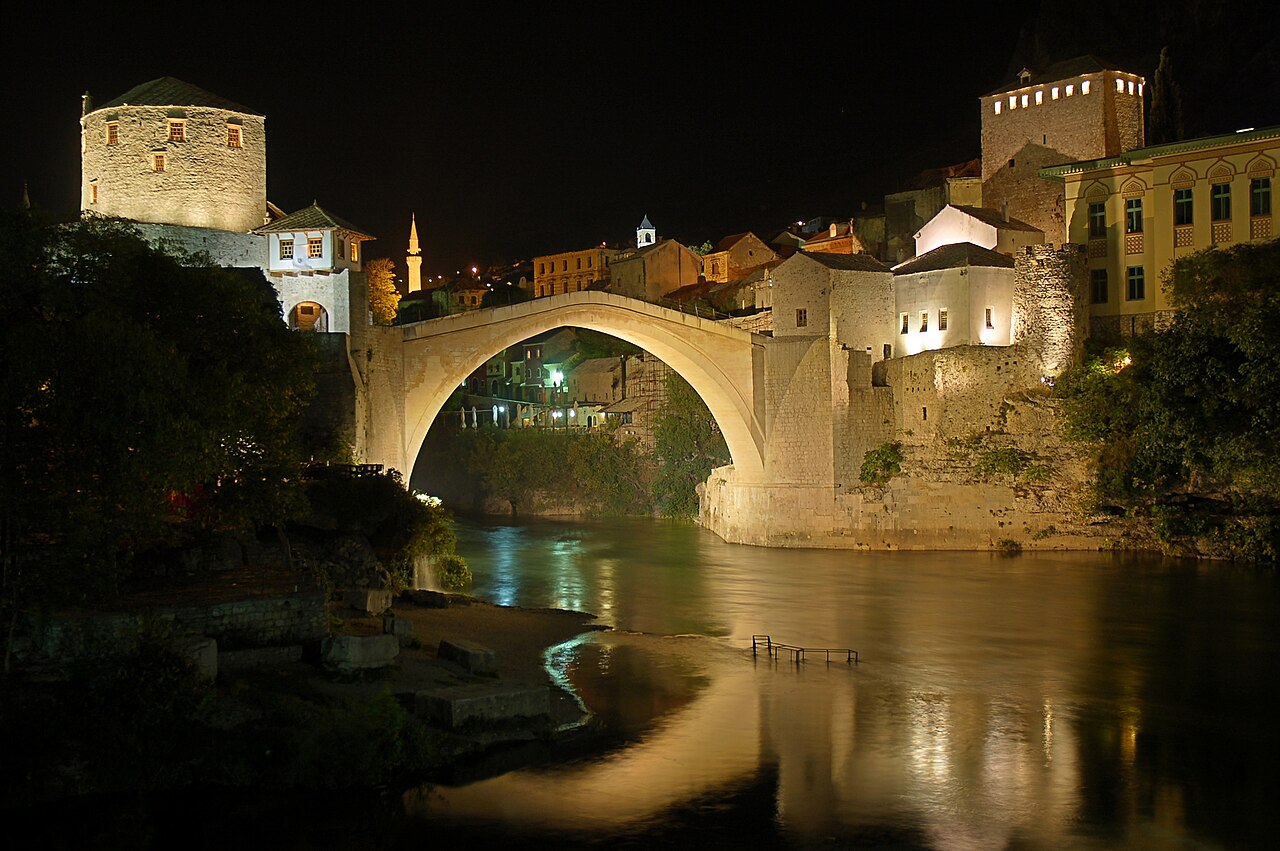
Photo: BáthoryPéter (talk) / CC BY-SA 3.0 / Wikimedia Commons
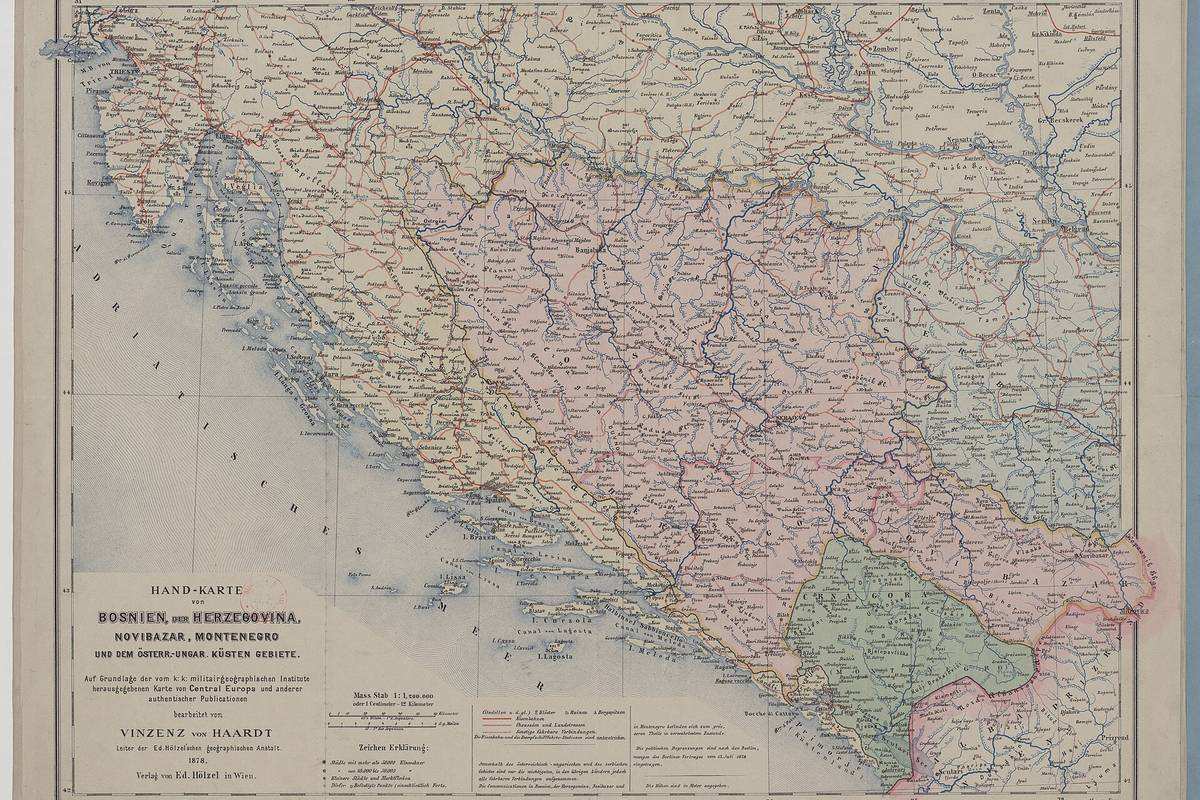
Three countries in two weeks might sound like a lot, but the western Balkans are compact enough that this itinerary holds together. This Balkans 2 week itinerary connects Belgrade's gritty energy with Sarajevo's Ottoman heritage, Mostar's famous bridge, Montenegro's coast at Kotor Bay, and the Durmitor mountains. The route avoids backtracking, forming a clean loop from Serbia through Bosnia into Montenegro.
Start in Belgrade, then take a direct bus or rental car for the five-hour drive to Sarajevo, crossing the border at Sremska Raca. After two days in Sarajevo, a short two-hour bus brings you to Mostar. From Mostar, the drive south to Kotor takes about three hours, including a border crossing into Montenegro at Ivanica. The coastal stretch from Kotor to Budva is barely 30 minutes, so you can easily base yourself around the Bay of Kotor. Finally, a scenic drive from Budva takes you into the Durmitor region for hiking before you head to your departure point, usually Podgorica or Dubrovnik.
This guide offers a practical day-by-day structure with transport connections, Balkan border crossing tips, and accommodation recommendations. Whether you are planning a Serbia Bosnia Montenegro trip or a Montenegro coast road trip with a Durmitor detour, the itinerary balances cultural sites, natural scenery, and real travel logistics. You will find advice on where to stay in each city and how to handle the border crossings, keeping your two weeks in the Balkans smooth.
Planning Your Serbia-Bosnia-Montenegro Trip
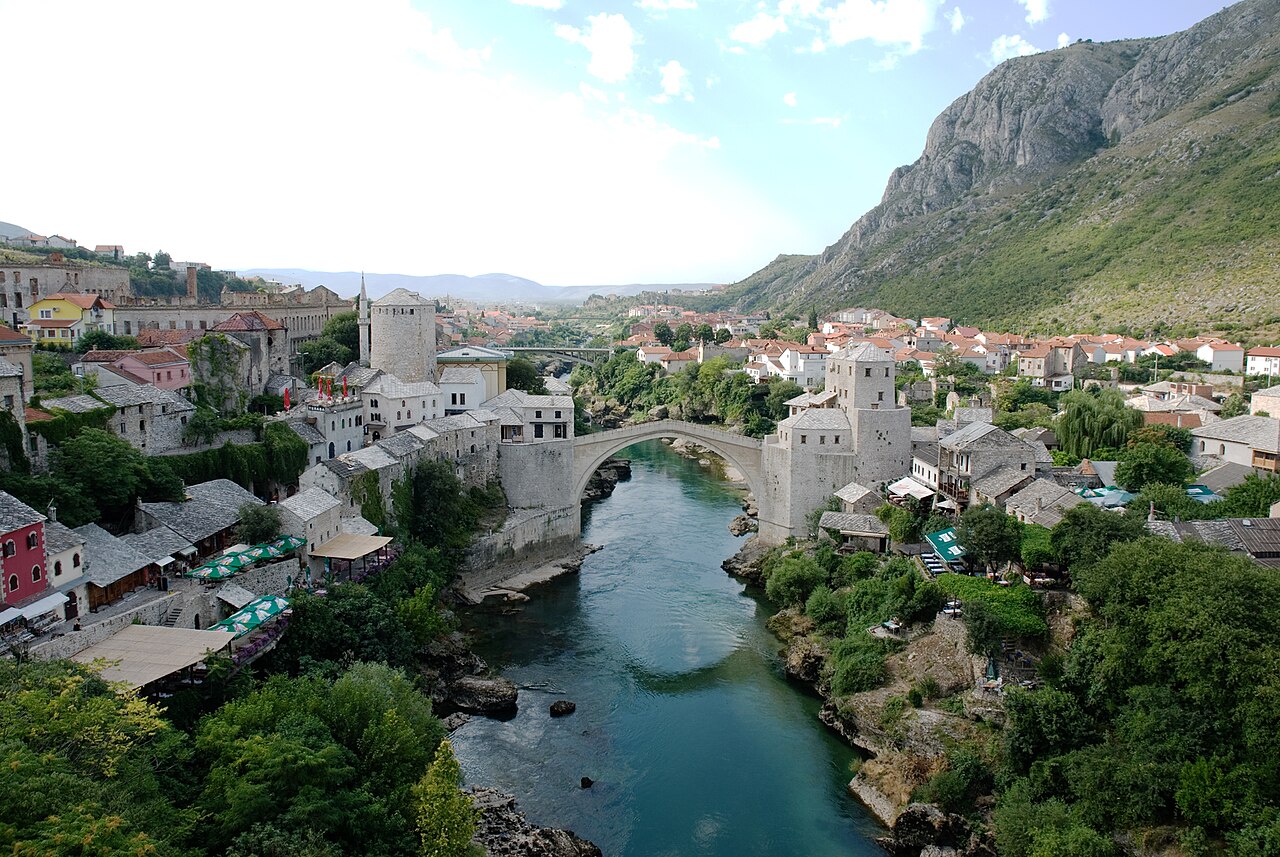
Photo: Ramirez HUN / CC BY-SA 3.0 / Wikimedia Commons
Best Time to Visit and Getting Around
The sweet spot for a Balkans 2 week itinerary is May-June and September-October, when daytime temperatures sit around 20-25 degrees Celsius and the coastal crowds of July and August haven't arrived yet. Spring brings wildflowers to the Tara River Canyon and green hills around Mostar, while autumn offers mild swimming weather along the coast.
Bus travel is the backbone of this route. FlixBus connects Belgrade to Sarajevo for around 20 euros, while Croatia Bus and local lines handle shorter hops like Sarajevo to Mostar or Kotor to Budva. At Balkan border crossings, expect passport checks and sometimes a vehicle search; having your accommodation address saved on your phone speeds things up. Buses typically wait at the border for all passengers to be processed, so treat it as a 20-30 minute pause rather than a disruption.
Renting a car gives you flexibility, especially on the Montenegro coast road trip from Dubrovnik to Kotor Bay, but comes with caveats. Standard rental insurance often excludes coverage in Bosnia and Montenegro, and some agencies charge a cross-border fee of 30-50 euros per country. Check the terms for the specific two weeks Balkans route you plan to drive.
Accommodation mix matters on this route. In larger cities like Belgrade and Sarajevo, hostels such as Hostel Belgrade offer social common rooms and organized tours starting at 15 euros per night. In smaller towns like Trebinje or Perast, guesthouses and private apartments (booked via Booking.com or local listings) provide more space and kitchen access for around 35-50 euros.
For connectivity, pick up a prepaid SIM from mt:s or A1 at the Belgrade airport or a local shop; a 10-euro data package lasts the full two weeks across all three countries. You will need three currencies: Serbian dinar in Serbia, Bosnia and Herzegovina convertible mark in Bosnia, and the euro in Montenegro. Pack a travel adapter (Type C/F plug) and a light rain jacket, as mountain weather can shift quickly.
The 14-Day Itinerary: Serbia, Bosnia and Montenegro
Day 1: Arrival in Belgrade
Your Serbia Bosnia Montenegro trip begins at Belgrade Nikola Tesla Airport, about 18 kilometers west of the city center. For a direct connection, take the A1 minibus (line 72) to Zeleni Venac market for around 400 RSD, or book a taxi through the official Car:Go app for a fixed price of roughly 1,800 RSD. Budget travelers will find the bus both practical and cost-effective.
Drop your bags at Hostel Downtown (a 10-minute walk from the main square) or at a budget hotel like Hotel Rex, then head straight to Kalemegdan Fortress. This sprawling park offers sweeping views over the confluence of the Sava and Danube rivers. Spend an hour wandering the ramparts, the Roman well, and the military museum before sunset.
For dinner, walk to the Skadarlija bohemian quarter, a cobblestone street lined with traditional kafanas. Tri Sesira serves grilled meats and live Balkan folk music, with a main dish running about 1,200 RSD. This relaxed start sets the pace for the entire journey, easing you into the region's rhythms rather than rushing through customs and transfers on day one.
Day 2: Belgrade City Exploration
Day two of this Balkans 2 week itinerary starts in Belgrade's Vracar district, where the Church of Saint Sava is one of the largest Orthodox churches in the world. Its massive dome and detailed mosaics draw visitors from across the region. Entering the marble interior is free, and the crypt houses a remarkable mosaic of Christ Pantocrator. A short walk away, the Nikola Tesla Museum offers an interactive deep dive into the inventions of the man who shaped modern electricity. Book tickets in advance because the demonstrations fill up quickly. This combination of sacred architecture and scientific history anchors the Belgrade leg.
After lunch, head to Zemun, a former Austro-Hungarian town absorbed into Belgrade. Its cobbled streets and small squares feel distinctly older, and the Gardos Tower provides a sweeping view of the Danube. The Zemunski Kej promenade, lined with cafes and ice cream stands, is perfect for a slow riverside stroll. In summer, Ada Ciganlija offers an alternative: this island on the Sava River has sandy beaches, paddleboarding, and bike rentals. It adds a beach day to your route without leaving the city.
As evening arrives, Belgrade's rivers transform. The splavovi, floating clubs moored along the Sava and Danube, range from relaxed jazz bars to open-air dance floors that run until dawn. Freestyler and 20/44 are among the most popular. If you have energy after a full day, the scene is worth experiencing at least once. Tomorrow you will continue from Belgrade to Sarajevo, crossing the Bosnian border around noon, so consider an early night if you value sleep. The balance of culture, riverside leisure, and nightlife captures the rhythm of two weeks in the Balkans.
Day 3: Novi Sad Day Trip
Day 3 breaks up Belgrade with a day trip to Novi Sad, Serbia's second city. Regular buses and trains leave from Belgrade's main station and take about 1.5 hours, making this an easy addition to the itinerary. The train follows the Danube and costs roughly 6-8 EUR each way, a budget-friendly way to see more of the country without packing your bags.
Start at Petrovaradin Fortress, the Habsburg-era citadel that towers over the river. Climb the clock tower for a panoramic view of Novi Sad's old town and the Danube below. Then walk across the Varadin Bridge into the pedestrian zone of Stari Grad, where Liberty Square holds the neo-Gothic Name of Mary Church and the city hall. Grab a coffee at one of the outdoor cafes and soak in the relaxed pace.
If you have an extra two hours, catch a 15-minute local bus to Sremski Karlovci, a historic wine village. Several cellars offer tastings of Bermet, a local dessert wine similar to Tokaji. This detour fits neatly into a route that prioritizes food and wine alongside history.
Most travelers return to Belgrade by late afternoon, keeping the itinerary on track for the drive to Sarajevo the next morning. But Novi Sad has several affordable guesthouses near the fortress if you prefer a quieter evening and an early start toward the Bosnian border. Either way, the day breaks up the Belgrade to Sarajevo leg without adding extra kilometers.
Day 4: Travel from Belgrade to Sarajevo
On Day 4, you take the direct bus from Belgrade to Sarajevo. The trip takes six to seven hours, with FlixBus and GEA Tours running daily. Some buses follow Bosnia's scenic route through the Drina River valley, passing Visegrad's UNESCO-listed Mehmed Pasa Sokolovic Bridge. Tickets run about 25 to 35 euros, and the ride itself shifts from flat Serbian plains to rolling Bosnian hills.
Border crossing at Sremska Raca/Bijeljina is straightforward. Have your passport ready; citizens of the EU, US, Canada, Australia, and most other nationalities don't need a visa for short stays. Allow about 30 minutes for the crossing under normal traffic. This is one of the smoother Balkan border crossings, so there's typically little hassle.
You arrive in Sarajevo in the evening. Check into a hostel or guesthouse near Bascarsija, the historic old town. After dropping your bags, take a short dinner stroll through the illuminated streets. The Sebilj fountain and surrounding Ottoman-era buildings glow under warm lights. Grab a plate of cevapi at a local grill and enjoy the lively but relaxed atmosphere. This evening sets the tone for the whole journey.
Day 5: Sarajevo - A City of Contrasts
The journey from Belgrade to Sarajevo is a defining segment of the route. Covering roughly 300 kilometers, the drive takes around five hours including border formalities at crossings like Raca or Sid. The route follows the Drina River valley through eastern Bosnia, a scenic corridor of forested hills and Ottoman-era towns such as Visegrad. This stretch showcases the shifting landscapes that make the route so compelling.
Begin your Sarajevo exploration in Bascarsija, the Ottoman bazaar founded in the 15th century. The Sebilj fountain at its center, built in 1753, is a beloved meeting point and the subject of a local superstition: drink its water and you will return to the city. Nearby, Gazi Husrev-beg Mosque, completed in 1531, is a masterpiece of Ottoman architecture with a lead-covered dome and elegant minaret.
The afternoon requires two museums that offer contrasting perspectives on the city's history. The Tunnel of Hope, a 1.4-kilometer underground passage dug beneath the airport runway during the 1992-95 siege, now houses a museum with original tools, footage, and stories of survival. Back in the city center, the War Childhood Museum uses everyday objects from children who lived through the conflict to create a powerful, intimate narrative. Both stops are essential for understanding Sarajevo's layered history.
End the day with cevapi at Zeljo or Ferhatovic, two legendary grill houses in Bascarsija. The dish is simple: grilled minced meat (a mix of beef and lamb) tucked into a soft somun flatbread, served with chopped raw onions and kaymak or sour cream. A portion costs around five euros. Locals have fierce loyalties to one or the other, but either delivers an authentic taste of Sarajevo.
Day 6: Mostar Day Trip from Sarajevo
Day six takes you from Sarajevo to Mostar on a direct bus that leaves early in the morning. The ride takes about 2.5 hours, winding through the Neretva River valley with views of the rugged Dinaric Alps. This trip is a highlight of the route, breaking up the cultural immersion of Sarajevo with the Ottoman-era feel of Mostar.
Once you arrive, head straight to Stari Most (Old Bridge), the 16th-century stone arch that defines the town. Cross it and wander into the old town's cobblestone alleys filled with brass workshops, textile stalls, and cafes. For the best view of the bridge and the turquoise Neretva River, climb the minaret of Koski Mehmed Pasa Mosque. The entrance fee is around 10 euros and includes the view from the top.
For lunch, pick a restaurant terrace overlooking the river. Local specialties include cevapi (grilled minced meat), burek (savory pastry), and fresh trout from the Neretva. After lunch, you have two choices: return to Sarajevo on a late afternoon bus (the last one usually leaves around 6 PM) or stay overnight in Mostar. If the trip allows flexibility, staying overnight is a good call. Mostar is quieter in the evening and feels more relaxed without the day-tripper crowds. It also breaks up the Balkans travel route, giving you a head start toward the Montenegro coast the next day.
Day 7: Mostar and Travel to Kotor Bay
On Day 7, step away from Mostar's bustling Old Bridge quarter to discover its quieter side. Start at the Biscevic House, a 17th-century Ottoman residence now serving as a museum of traditional Bosnian life. Just a few streets away, the War Photo Exhibition offers a sobering look at the 1990s conflict through images and firsthand accounts. Together, these two stops take about 1.5 hours and provide context far beyond the souvenir stalls.
If you arranged a rental car for this leg of the route, you can add one of two worthwhile side trips. Blagaj Tekke, a 16th-century Dervish monastery built into a cliffside at the source of the Buna River, lies 12 kilometers southeast of Mostar. Alternatively, the Kravica Waterfalls, a series of tufa cascades popular for swimming in summer, sit 40 kilometers south. Both fit easily into a morning before your onward journey.
After lunch, take the afternoon bus from Mostar to Dubrovnik, a three-hour ride that crosses two Balkan border crossings, Bosnia-Croatia and back. From Dubrovnik's main bus station, connect to Kotor via a two-hour bus or shared taxi along the spectacular Montenegro coast road. For a more direct option with fewer transfers, a seasonal summer bus (June-September) runs directly from Mostar to Kotor via Trebinje, winding through the dramatic Neretva canyon and past the Popovo Polje valley. This scenic alternative eliminates the Dubrovnik detour but requires checking schedules in advance. Arrive in Kotor Bay by early evening, ready to begin the Montenegro segment.
Day 8: Bay of Kotor by Car or Bus
Day 8 of your Balkans 2 week itinerary brings you to Montenegro's Bay of Kotor, a dramatic fjord-like inlet ringed by mountains. You have two options to experience it: rent a car or scooter to circle the bay, or take a boat tour from Kotor old town. Both fit the route, whether you prefer independence or guided convenience.
With a vehicle, drive to Perast, a preserved baroque village. From the waterfront, a small boat ferries you to Our Lady of the Rocks, an island built on a centuries-old shipwreck. Inside, see paintings by Tripo Kokolja. Next, stop at Risan for Roman floor mosaics. The drive takes about four hours with stops, a good mini road trip.
If you rely on public transport, daily boat tours depart from Kotor's main square. They cost about 25 to 30 euros per person and visit Perast, Our Lady of the Rocks, and include a swim break. Boats run from April through October, making this a practical choice for travelers without a car.
In the late afternoon, take the winding road toward Cetinje. The Ladder of Kotor viewpoint, also called the Serpentine, offers the classic bird's-eye photo of the bay. It is a short drive from Kotor and worth the detour, with no entrance fee.
End the day with seafood in Kotor's old town. Look for grilled squid or crni rizot (black risotto) at a konoba near the Cathedral of Saint Tryphon. Many konobas offer catch of the day. This meal is a memorable end to your Balkans travel route.
Day 9: Kotor Old Town and Fortress Hike
Begin day nine with a slow stroll through Kotor's UNESCO-listed Old Town. The morning light softens the limestone streets, making it the perfect time to visit St. Tryphon Cathedral, a 12th-century Romanesque church with a treasury of silver and Byzantine icons. A few steps away, the Maritime Museum occupies a Baroque palace and tells the story of Kotor's seafaring heritage through ship models, maps, and navigational instruments. This compact town rewards curiosity: tucked alleys reveal tiny squares and stone churches at every turn.
By late morning, begin the hike up to San Giovanni Fortress. The 1,350 steps switchback above the red roofs, and the climb takes about 45 minutes at a steady pace. From the top, the view spans the entire bay: the glittering fjord-like water, the surrounding mountains, and the tiny churches dotting the shoreline. After descending, cool off at one of the small pebble beaches along the bay, such as the one near the old city walls. This mix of medieval history and coastal relaxation is the kind of balanced day that defines a good itinerary.
Day 10: Budva and the Adriatic Coast
From Kotor, a 30-minute bus ride takes you to Budva, the center of Montenegro's Adriatic coast. Buses leave roughly every 30 minutes from Kotor's main station, making this an easy transfer. The route hugs the Bay of Kotor before cutting inland briefly, giving you a last look at the fjord-like bay before hitting the open coast. This stretch is a highlight of the route, moving from fortified medieval towns to seaside resorts.
Budva's old town is compact but layered with history. Walk through the main gate into a maze of stone alleys lined with churches, squares, and souvenir shops. The citadel, built by the Venetians in the 15th century, sits at the southern tip of the peninsula. For around 5 euros, you can climb the ramparts for panoramic views of the tile roofs, the marina, and the distant mountains. Inside, the small maritime museum gives context on Budva's trading past, though the view from the top is the real draw.
After exploring, head to one of the nearby beaches. Mogren Beach, a 15-minute walk west of the old town, is split into two coves connected by a short tunnel. Its pebble shore and clear water make it popular, so arrive early in summer. For a larger stretch of sand with more amenities, Jaz Beach lies just north of Budva and hosts summer festivals.
If you have energy left, consider the short walk to the viewpoint above Sveti Stefan. Drive or take a taxi 6 kilometers south to the lookout point just past the Pržno turnoff, where the island-hotel appears in its full postcard glory. This completes a satisfying day along the Montenegro coast.
Day 11: Durmitor National Park - A Mountain Escape
Day 11 takes you from the Adriatic coast into the rugged mountains of northern Montenegro. Catch a morning bus from Budva to Zabljak, a three-hour ride that winds through Niksic and climbs into the Dinaric Alps. The drive is a sharp contrast to the coastal scenery of the previous days, a natural shift from the Montenegro coast road trip portion of your itinerary into the mountainous interior. The road passes through small villages and pine forests, giving you a taste of the country's diverse landscapes.
Once you arrive in Zabljak, the main hub of Durmitor National Park, drop your bags at a local guesthouse and head out on foot. The most popular hike is the easy loop around Crno Lake, a glacial lake ringed by dense forest and towering peaks. For the adventurous, a half-day trip to the Tara River Canyon offers a viewpoint over Europe's deepest canyon. Both options let you take in the raw beauty that makes this region a highlight of any Balkans trip.
That evening, settle into your guesthouse for a traditional Montenegrin dinner. Expect hearty mountain fare such as lamb baked under a bell (ispod saca), homemade cheese, and robust red wine from the northern vineyards. The cozy atmosphere and warm hospitality make for a good end to a day that balances physical activity with cultural immersion. This stop is essential for anyone following the full route, as it shows a side of the Balkans often missed by rushed tours.
Day 12: Back to the Coast - Lake Skadar or Bar
Day 12 starts with a morning bus from Zabljak to Podgorica, a straightforward 2-hour ride through the Durmitor foothills. The bus leaves around 8:00 AM and arrives in Podgorica by 10:00, giving you time to pick between two solid options for the rest of the day.
The first option is a detour to Lake Skadar National Park, Montenegro's largest lake. From Podgorica, take a local bus or taxi to Virpazar (30 minutes), the main entry point. The park has easy boat trips through the wetlands, with good birdwatching from March to October -- look for Dalmatian pelicans and herons. A 2-hour boat tour costs 15-20 EUR per person and includes a stop at the Visko monastery island. The lake is also a good spot for a quiet lunch of local carp or prsut.
Alternatively, skip the lake and take an afternoon bus directly from Podgorica to Bar (1 hour) or Ulcinj (1.5 hours). Bar is a working port with a long pebble beach and the ruins of Stari Bar, while Ulcinj has wide sandy beaches and a relaxed vibe popular with families and kitesurfers. Both are quiet compared to Budva, making them ideal for a low-key beach evening.
For accommodation, Bar offers a practical base with several budget-friendly guesthouses near the shore. If you prefer livelier nightlife, return to Budva (a 1.5-hour bus from Bar) and rejoin the coastal route. Either choice works smoothly within this route -- the flexibility is one of its strengths. Day 12 rounds out a stretch that balances mountain adventure with Adriatic relaxation.
Day 13: Podgorica or Cetinje - Last Sights
On the second to last day of your Serbia Bosnia Montenegro trip, you have to pick between two cities, and the choice shapes how you remember the whole thing. In Podgorica, walk across the sleek Millennium Bridge over the Moraca River, then head to the old town's Sahat Kula, a 17th-century Ottoman clock tower. For a deeper look at royal history, go to Cetinje, the former capital. There you can tour the Cetinje Monastery and the royal palace of King Nikola I, which houses a museum of Montenegrin heritage. Either option takes a relaxed half-day, leaving time for other stops.
If you have a car or join a tour, detour to Ostrog Monastery, a cliff-side Orthodox sanctuary carved into vertical rock. The monastery is a major pilgrimage site, and the final 5-kilometer uphill drive requires caution, but the panoramic views and wall-to-wall frescoes are unforgettable. Plan for 2-3 hours round trip from either city. Without a car, this stop is impractical; stick to urban exploration.
As your Balkans travel route winds down, use the afternoon to pack and unwind. Local markets in Podgorica or Cetinje sell bottles of homemade rakija (plum or grape brandy) and handcrafted silver jewelry. These make authentic souvenirs that carry the taste and texture of Montenegro home. If you haven't yet tasted the local wine, pick up a bottle of Vranac, a bold red from the Skadar Lake region. Your two weeks in the Balkans conclude tomorrow with a transfer to Podgorica Airport or a border crossing into Croatia.
Day 14: Departure from Podgorica, Tivat, or Dubrovnik
Your Serbia Bosnia Montenegro trip ends on day 14. From Podgorica or Tivat airports you can catch flights to major European hubs like Istanbul, Vienna, or Belgrade. If departing from Tivat, the airport is just 20 minutes from Kotor; Podgorica airport is about an hour from Budva by taxi or bus. For more flight choices, take a direct bus from Kotor or Budva to Dubrovnik (roughly 2.5 hours) and fly out from there.
If your flight leaves in the afternoon, enjoy a final coffee at a seaside cafe in Kotor or Budva. Watch the morning light hit the Bay of Kotor and reflect on the highlights of your route: Ottoman-era Sarajevo, the Tara River canyon, and the Adriatic coast.
Allow at least 2 hours for airport check-in. For Tivat or Podgorica, a taxi costs 15-30 EUR depending on distance; shared minibuses run less frequently but cost half that. Bus schedules to Dubrovnik are reliable but book ahead in summer. This easy departure wraps up your Balkans 2 week itinerary with a stress-free final morning.
Bottom Line: Making the Most of Your Two Weeks in the Balkans
Why This Route Delivers the Best of the Region
This Serbia Bosnia Montenegro trip packs an astonishing range of history, architecture, and natural beauty into two weeks. You move from the Ottoman-era bazaar of Sarajevo, with its sebilj fountain and cevapi stands, to the medieval stone walls of Kotor sitting at the edge of a fjord-like bay. Belgrade reveals a gritty Communist-era skyline of blocky buildings and socialist monuments, while the Adriatic coast near Budva offers sun-bleached beaches and turquoise water. Few Balkans 2 week itineraries manage such contrast without feeling rushed.
The real magic, though, comes from slowing down. Eat burek from a Sarajevo bakery at sunrise, share a glass of rakija with a local in a Belgrade basement tavern, and let the old women selling lace in Kotor's old town tell you their stories. These small moments cost nothing but time, and they are exactly why a Balkans travel route should never be a checklist of sights.
If you have room to stretch beyond fourteen days, add a day or two in Dubrovnik (just two hours south of the Montenegro border) or head into the Bosnian mountains around Sutjeska National Park for hiking and remote villages. Either extension deepens the experience without breaking the pacing of the itinerary. Plan flexibility into your itinerary and the region rewards you richly.
Official sources
Details worth verifying before you go — checked against:
Travel Writer & Editor
Emily Johnson writes and edits Do Travel Blog. Every guide on the site starts the same way: with a question she actually had while planning — when to book, which pass to buy, how to get from A to B without overpaying. Where a number matters, she cites the source: park tickets link to the park's own fee page, visa rules to the official consulate, ferry times to the operator. Prices get re-checked against those pages before each update, and a guide is re-dated when its numbers move. Nothing here is sponsored — she doesn't accept payment for coverage. Spotted something stale or wrong? Email hello@dotravel.blog and she'll fix it.