Camino de Santiago French Way: A Guide to the 800km Walk
Plan your walk from Saint-Jean-Pied-de-Port to Santiago. This guide covers the 800km French Way, including gear, budgeting, and itinerary tips.
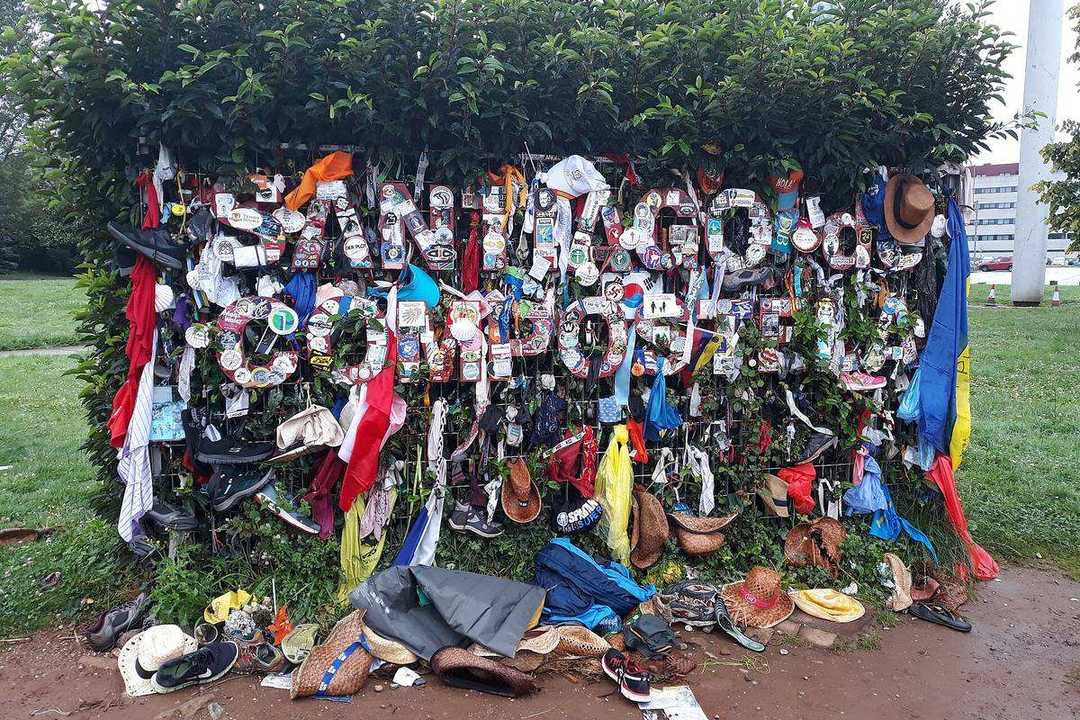
Introduction to the Camino de Santiago French Way
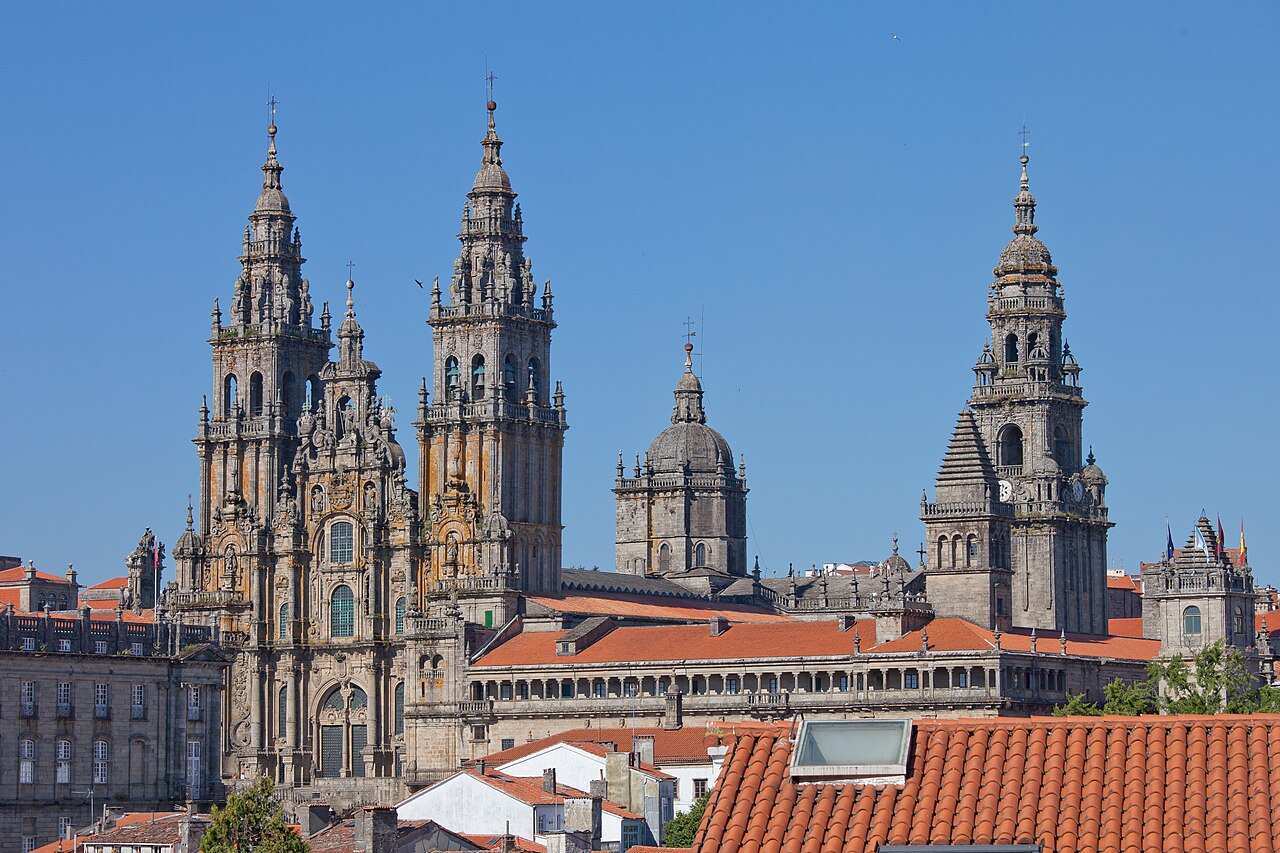
Photo: Luis Miguel Bugallo Sánchez / CC BY-SA 3.0 / Wikimedia Commons
The Camino de Santiago French Way, or el Camino Francés, is the most popular route to the shrine of Saint James the Great in Santiago de Compostela. While there are many paths across Spain, the French Way is usually the first choice for new pilgrims. It is a long walk of about 800 kilometers across Northern Spain.
For many, walking from Saint-Jean-Pied-de-Port to Santiago is more than a hike. It is a physical challenge and a personal journey. The route tests the body with the Pyrenees, the high Meseta plateau, and the rainy hills of Galicia. The slow pace helps people step away from modern life. Whether you walk for religion, to heal from loss, or to find purpose, the act of moving from one village to the next creates a natural state of mindfulness.
The geography of the French Way varies. The journey starts in Saint-Jean-Pied-de-Port with a climb over the Pyrenees. From there, the path goes through the vineyards of La Rioja, the streets of Burgos, and the open plains of the Meseta. Eventually, the route enters the rugged terrain of Leon and the forests of Galicia, ending at the Cathedral of Santiago de Compostela.
Community defines the experience. You will meet "peregrinos" from all over the world. This shared struggle creates quick bonds and often leads to lifelong friendships. The network of albergues (pilgrim hostels) and the support of locals mean that no one ever truly walks alone. By the time you reach the final plaza in Santiago, the sense of achievement usually outweighs the physical exhaustion.
Planning Your Walk from Saint-Jean-Pied-de-Port to Santiago
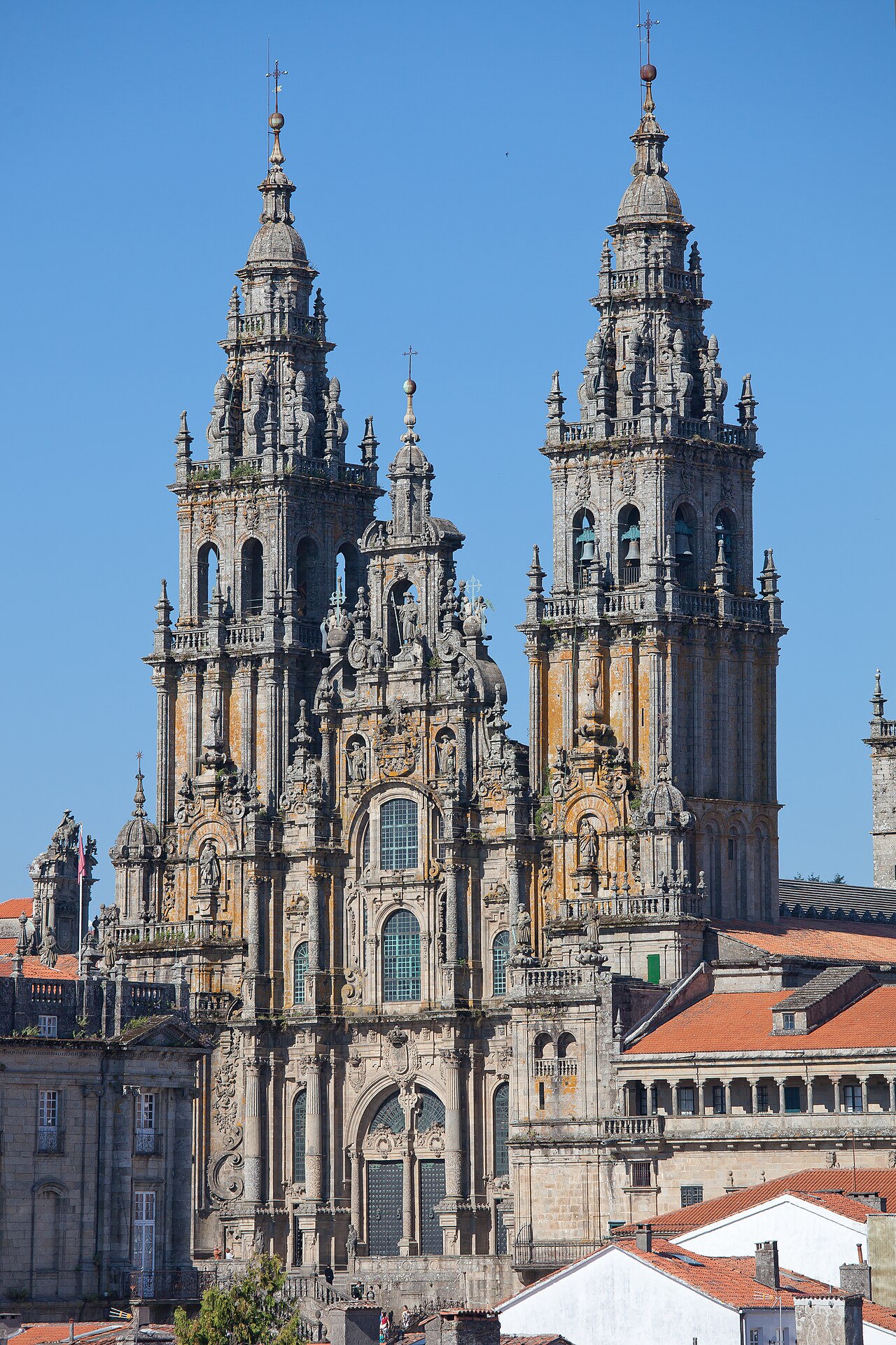
Photo: Luis Miguel Bugallo Sánchez / CC BY-SA 3.0 / Wikimedia Commons
Walking the French Way requires more than boots and a backpack. Because the journey covers hundreds of miles, preparation prevents the trip from becoming a struggle. When you decide to walk from Saint-Jean-Pied-de-Port to Santiago, you need to plan your timing and logistics carefully.
Choosing the Right Season
Timing matters. Most people walk from May to September. May and June have green landscapes and mild weather, which helps you avoid the mid-summer heat. July and August are the busiest months. The weather is sunny, but the crowds are large. The best albergues often fill up, and the trails can feel crowded.
September and October are often the best times to go. The crowds thin out and autumn colors appear in the Pyrenees and the Meseta. The weather is temperate, though it rains more often. Winter is not recommended for beginners. Many albergues close, and the crossing from Saint-Jean-Pied-de-Port can be dangerous due to snow. If you go during a shoulder season, check weather reports for Navarre and Aragon to ensure the passes are open.
Physical Preparation and Training
Some pilgrims think the Camino is a leisurely stroll, but it involves steep climbs and long stretches of exposed road. The first few days in the Pyrenees are especially hard. To avoid blisters and joint injuries, start training two to three months before you leave.
Begin by walking short distances in the boots and socks you plan to use. Gradually increase your mileage until you can walk 12 to 15 miles a day for several days in a row. The most important part is the weighted pack. Do not train with an empty bag. Pack your actual gear, including water and clothes, to condition your shoulders and hips. Stretch your calves and hamstrings daily to reduce the risk of tendonitis during the trek.
Budgeting for the Journey
Budgets depend on your comfort, but 30 to 60 Euros a day is usually enough. Accommodation is the biggest variable. Public albergues are the cheapest, often costing 7 to 15 Euros per night. Private hostels and pensions offer more privacy but cost 20 to 50 Euros.
Food is manageable if you eat the "Menu del Peregrino." These three-course meals are common in villages and usually cost 12 to 15 Euros, including wine or water. If you are on a tight budget, buy fresh produce and bread from local markets to make sandwiches.
Gear is an upfront cost. Buy high-quality moisture-wicking socks, broken-in trekking boots, and a lightweight rain jacket. Do not buy cheap boots, as they can end your journey early. Keep a reserve of 200 to 500 Euros for emergencies, such as replacing a boot or paying for a taxi if you get injured. This allows you to focus on the experience without financial stress.
Essential Gear and Packing List
Packing for the French Way is a balance between necessity and weight. Your pack should not exceed 10% of your body weight. When you walk from Saint-Jean-Pied-de-Port to Santiago, every extra ounce feels heavier by the time you reach the Pyrenees. A lightweight backpack with a supportive hip belt is a key investment to prevent shoulder strain.
Footwear and Blister Prevention
Your feet are your only vehicle. The right footwear prevents a spiritual journey from becoming a painful slog. While leather boots offer ankle support, many pilgrims now prefer trail runners because they are breathable and light. Make sure your shoes are broken-in before you start. New shoes on the first day often cause problems.
Blister prevention is a daily task. Wear synthetic or merino wool socks that wick moisture. Avoid cotton, as it stays damp and increases friction. Some walkers use a thin liner sock under a thicker hiking sock. If you feel a "hot spot," stop immediately. Apply moleskin, Compeed, or athletic tape before a blister forms. Change your socks midday if they get damp from rain or sweat.
Lightweight Clothing and Gear Essentials
Layering works best for the climate of northern Spain. Use a moisture-wicking base layer, a fleece or down jacket for warmth, and a waterproof shell. Rain is common, especially in the Galician highlands, so a rain jacket and waterproof pack cover are necessary.
Limit yourself to three sets of clothing: one to wear, one to wash, and one spare. Merino wool is a good choice because it resists odors and dries quickly. For bottoms, use quick-dry hiking trousers or leggings. Avoid heavy denim, which takes a long time to dry and can cause chafing.
Keep your other gear lean. A lightweight sleeping bag or silk liner is needed for albergues, though some hostels provide linens. A microfiber towel saves space and dries quickly. A high-capacity power bank is important because outlets in municipal albergues are often scarce. A simple first-aid kit with ibuprofen, antiseptic wipes, and bandages will handle most trail issues.
The Credencial and the Compostela
The Credencial, or Pilgrim's Passport, is the document that makes you an official pilgrim. As you walk from Saint-Jean-Pied-de-Port to Santiago, you collect stamps (sellos) from cafes, churches, and hostels. These stamps are required to stay in the network of albergues.
To get the Compostela, the official certificate from the Cathedral of Santiago de Compostela, you must prove you walked the required distance. For the French Way, this usually means stamps showing you covered at least 100 kilometers on foot. Collecting stamps becomes a part of the journey and a record of the places you visited.
Final Packing Tips
Before you leave, lay everything out on the floor. Be honest about what you need. Most pilgrims carry too many clothes and not enough blister care. Spain has plenty of shops and pharmacies along the way if you forget something. The less you carry, the more you can focus on the walk. Prioritize comfort and lightness so the journey is about the scenery and community rather than the weight on your back.
The French Way Itinerary: Stage-by-Stage Breakdown
The Camino de Santiago French Way is about 800 kilometers. The route moves through different ecological and cultural zones. Each stage has different challenges, from the climbs of the Pyrenees to the flat plains of the Meseta.
Crossing the Pyrenees and the Navarre Region
The first hurdle is crossing the Pyrenees. Starting in Saint-Jean-Pied-de-Port, the climb toward Roncesvalles is intense and often the most physically demanding part of the walk. You will face steep ascents and descents through forests and meadows. The weather is unpredictable, and the terrain can be hard on the joints.
In the Navarre region, the landscape changes to rolling hills and deep valleys. This area is known for its green scenery and small villages. Walking through Navarre helps pilgrims find their rhythm. You will find the first few albergues here, where the community spirit begins to form. The paths are well-marked, but the undulating terrain keeps your legs working.
The Meseta: Challenges and Mental Endurance
As you move west, you enter the Meseta. This high plateau of central Spain is often the most mentally challenging part of the route. The challenge here is endurance rather than elevation. The terrain is flat, the horizon is wide, and the sun is often strong.
For many, the Meseta is where the spiritual side of the journey becomes clear. The lack of visual variety forces a level of introspection. You spend hours walking through wheat fields in the heat. Physical exertion is lower than in the mountains, but mental fatigue can be higher. The distance between towns can feel long.
To handle the Meseta, shift your focus. Instead of the destination, look for beauty in the minimalism of the plateau. The silence of the Meseta contrasts with the energy of the earlier stages. This section strips away distractions, leaving you with your thoughts and the sound of your boots on the gravel.
Galicia and the Final Approach to Santiago
After the Meseta, entering Galicia feels different. The landscape becomes emerald green and the air is cool and humid. This is the final leg of the walk, and the mood shifts from endurance to anticipation. The countryside has eucalyptus forests and stone crosses, and frequent rain adds to the atmosphere.
As you get closer, more pilgrims join the path. The energy increases as everyone converges on Santiago de Compostela. The walk through the Galician hills is easier than the Pyrenees, but the emotional weight peaks. You start to reflect on the hundreds of kilometers you have covered.
The final approach is marked by reverence. You will pass through villages where locals help pilgrims. The paths are often paved, and you will see vistas of the Atlantic coast. The final few kilometers are emotional. When you enter the Praza do Obradoiro and see the cathedral, the exhaustion is replaced by a sense of achievement.
Managing the Transition Between Stages
Completing the walk requires managing these transitions. You cannot treat the Meseta with the same intensity as the Pyrenees. Flexibility is key. Some pilgrims take a rest day in towns like Burgos or León to recover before the next zone.
Monitor your gear as you move. Heavy layers for the Pyrenees are a burden in the Meseta, and waterproofs become essential in rainy Galicia. Adapting to the land is part of the experience.
The Psychological Arc of the Route
The French Way follows a psychological arc. It starts with the struggle of the mountains, moves into social bonding in Navarre, transitions to reflection in the Meseta, and ends with celebration in Galicia. This is why many find the walk life-changing. It is a movement from the external world into the internal self, and then back into a community.
Breaking the itinerary into stages helps you prepare. The Pyrenees require strength, the Meseta requires patience, and Galicia requires an open heart. Each kilometer contributes to a story of persistence. Whether you walk for faith or curiosity, the journey is a series of small victories that lead to the cathedral.
Logistics and Navigation on the Trail
Navigating the French Way is intuitive. The trail is a well-marked corridor using yellow arrows and scallop shells. These markers are painted on walls and poles to guide you. While generally reliable, they can be sparse in rural areas. It is smart to use a guidebook or a mapping app to avoid wrong turns when the path diverges.
Your daily routine will revolve around albergues. Public albergues are run by parishes or municipalities and are the most affordable. They operate on a first-come, first-served basis and foster community in large dormitories, though they have strict curfews. Private albergues are owned by entrepreneurs and offer more comfort, such as smaller rooms and private bathrooms. They are more expensive but often allow reservations, which is helpful during peak seasons.
Managing your pack is another key logistical point. A heavy pack can lead to injury. Because of this, many pilgrims use luggage transport services. These companies pick up your suitcase each morning and deliver it to your next stop. This lets you walk with a small daypack for water and snacks. This is helpful for those with joint issues or those who want a more meditative walk without a 10kg pack.
Navigating also requires some basic Spanish. While English is common in larger towns, knowing how to ask for directions or check into an albergue in Spanish improves the experience. Social logistics are just as important as physical ones. You will likely form a "Camino family" to share tips on food and sleep.
Logistics on the trail are flexible. If you like a village, you can stay an extra day. If you feel strong, you can push past your stop. The infrastructure supports both the planner and the spontaneous walker. By balancing these services with the traditional experience, you can fit the journey to your needs.
Health, Safety, and Wellness for Pilgrims
Physical and mental well-being are the most important parts of the journey. The toll of walking hundreds of kilometers adds up, and small issues can become injuries that end the trip. Most pilgrims struggle with blisters. Carry a kit with Compeed or moleskin. At the first sign of a hot spot, stop and apply a patch. If a blister forms, avoid popping it unless it is too large to walk on. If you must drain it, use a sterilized needle and keep the skin intact.
Overuse injuries like plantar fasciitis or Achilles tendonitis are common. These often happen from increasing mileage too quickly or wearing bad boots. Incorporate stretching into your morning and evening routines, focusing on calves, hamstrings, and hip flexors. If you have sharp pain that does not go away after a rest day, visit a physiotherapy clinic in a larger town. These specialists know pilgrim injuries and can provide taping or massage.
Hydration and nutrition are your fuel. You will face different climates, from the humid Pyrenees to the arid Meseta. Drink water consistently, even if you are not thirsty. A good rule is 500ml for every hour of walking. Use electrolyte tablets to replace salts and prevent cramping. For food, prioritize carbohydrates and proteins. Supplement the Pilgrim's Menu with nuts, dried fruits, and energy bars to avoid energy crashes.
Safety is a priority for solo walkers. The trail is generally safe, but take precautions. Tell your hostel or a contact where you plan to go for the day. Stay on the yellow arrows to avoid getting lost in remote areas. Keep your phone charged and carry a power bank. Avoid walking in complete darkness in unfamiliar areas.
Mental wellness is also key. The walk can lead to loneliness or frustration. Embrace the slow pace and take rest days when needed. The French Way is not a race. Listening to your body is the only way to finish. By balancing foot care, hydration, and safety, you can focus on the rewards of the walk.
Cultural Etiquette and the Camino Experience
Walking the French Way is a social and psychological journey. The trail creates a community where people from all over the world meet. This "Camino family" forms quickly over shared struggles. Maintaining this harmony requires openness and patience. The most successful pilgrims are those who are supportive of others' paces.
Respecting local customs is important. The French Way passes through small villages with traditional rural life. Remember that you are a guest. Simple Spanish phrases like "Buen Camino" or "Gracias" show respect to the locals who maintain the trail. Be mindful of noise in albergues, as people have different sleep schedules. Respecting quiet hours ensures everyone is rested for the next day.
The mindset you bring will dictate your success. Some beginners treat the pilgrimage like a race or a checklist. In reality, it is for slow contemplation. You need to shift from a productivity mindset to one of acceptance. You will face rain, sore muscles, and logistical problems. Instead of fighting them, accept them. The trail strips away pretenses, leaving a more honest version of yourself.
Etiquette is rooted in mutual aid. If you see a pilgrim struggling with a pack or looking lost, offer help. This generosity sustains the spirit of the trail. By balancing your goals with care for the community, you turn a long walk into a life event. The goal is not just the cathedral, but the spirit of the pilgrimage in every step.
Arriving in Santiago de Compostela
Entering Santiago de Compostela is an emotional peak. After the walk from Saint-Jean-Pied-de-Port, the sight of the cathedral spires often brings exhaustion and euphoria. The entry into the city is a rite of passage. Most pilgrims follow the yellow arrows through the streets, feeling the energy of those who walked before them. In the Praza do Obradoiro, the scale of the achievement becomes real. It is common to see pilgrims cry or embrace strangers.
Once you arrive, the first priority is the Compostela. This certificate is for those who walked at least 100 kilometers or cycled 200 kilometers. To get it, go to the Pilgrim's Office (Oficina do Peregrino) with your Credencial. The stamps prove you navigated the French Way. The process is efficient, though lines are long in summer. The parchment provides a formal sense of closure.
Celebrating the completion is part of the tradition. Many visit the Cathedral to attend the Pilgrim's Mass or see the Botafumeiro, the giant incense burner. Others prefer quiet reflection, exploring the old town or eating Galician octopus and drinking Albariño wine. The transition from the trail to a city can be jarring, so take a few days to adjust.
For many, the end is about the transformation that happened over 800km. Whether you spent your time in contemplation or making friends, the arrival marks a new chapter. As you look back on Navarre and the Meseta, the soreness fades and is replaced by resilience. You have completed one of the most storied journeys in the world, joining a lineage of travelers from over a millennium ago.
Official sources
Details worth verifying before you go — checked against:
Travel Writer & Editor
Emily Johnson writes and edits Do Travel Blog. Every guide on the site starts the same way: with a question she actually had while planning — when to book, which pass to buy, how to get from A to B without overpaying. Where a number matters, she cites the source: park tickets link to the park's own fee page, visa rules to the official consulate, ferry times to the operator. Prices get re-checked against those pages before each update, and a guide is re-dated when its numbers move. Nothing here is sponsored — she doesn't accept payment for coverage. Spotted something stale or wrong? Email hello@dotravel.blog and she'll fix it.