Capsule Hotel Survival Kit: What to Pack for Your Tokyo Stay
A practical packing list and guide for staying in Tokyo capsule hotels, with tips on managing limited space and sleeping in small pods.
The Reality of Sleeping in a Pod
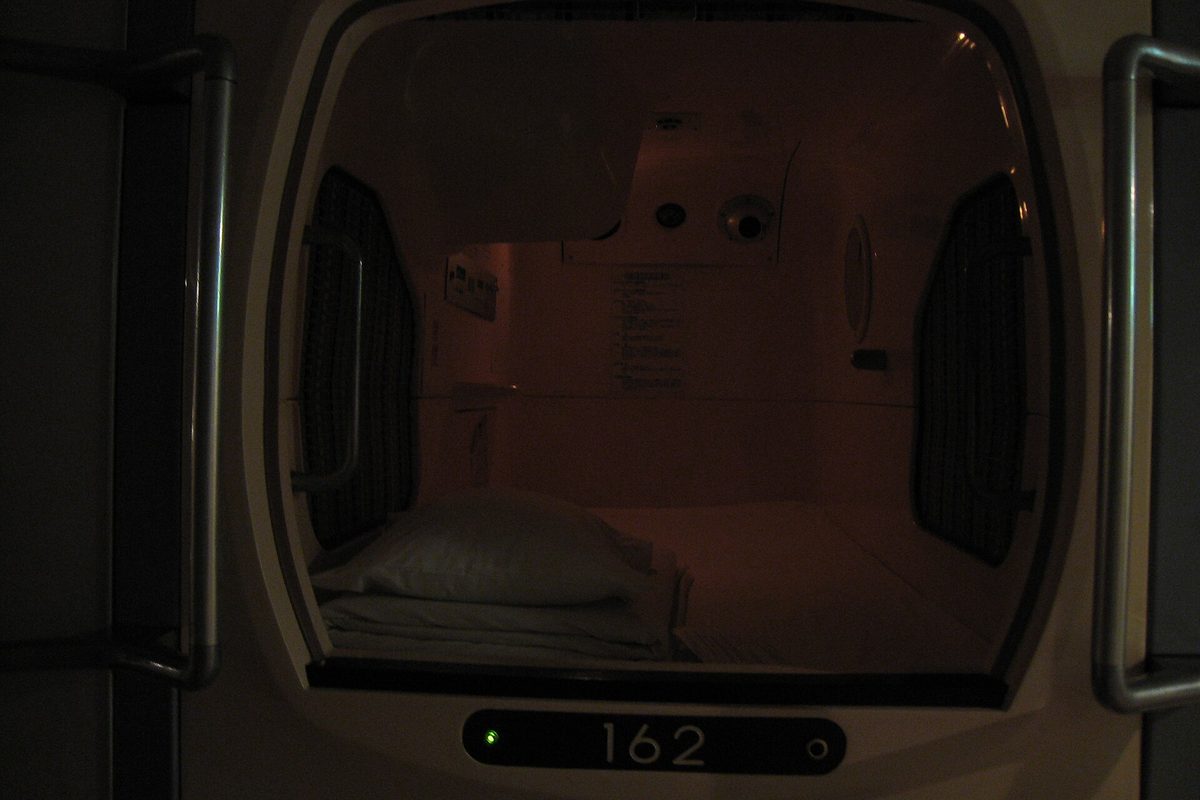
Stepping into a Tokyo capsule hotel for the first time is a strange experience. You are not booking a standard room; you are booking a plastic tube, often barely larger than a coffin, built for efficiency in a crowded city. The novelty is great, but the practical side is harder. If you arrive with a huge suitcase and no plan, you will spend your first hour stressed and surrounded by clutter. For those arriving for the first time, check out this beginner's guide to your first night.
Success depends on your packing list. Since you have almost no floor space, every item must have a purpose. You cannot dump things on a bedside table because there isn't one. You only have a small locker and a narrow ledge.
Staying in a capsule requires a different mindset. You are moving from a hotel room to a modular system. This guide provides the tools you need to make a sterile pod functional so you can actually sleep instead of fighting with your luggage.
The Essential Capsule Hotel Packing List
Categorize your items by where they go. In a capsule, you have three zones: the locker for long-term storage, the pod for immediate needs, and the common area for hygiene.
Sleep and Sensory Control
Sleeping in small spaces is a mental challenge. The walls are thin and the ventilation hums constantly. You need to create a sensory bubble to cope.
- Noise cancelling headphones: These are essential. Between a snoring neighbor and suitcases rolling down the hall at 4 AM, silence is rare. Active noise cancelling (ANC) headphones let you control your environment.
- High-quality earplugs: If you cannot sleep with headphones, silicone earplugs are the best alternative. They block the high-frequency clicks and whispers that pass through plastic walls.
- A contoured sleep mask: Capsule hotels often have lights that leak in from the corridor. A mask keeps your sleep cycle steady regardless of the pod lighting.
Clothing and Organization
Storage is the biggest problem. You cannot leave clothes scattered or you will trip over them when you exit the pod. - Packing cubes: These are the best way to manage space. Instead of digging through a suitcase, you pull out one cube for day clothes and another for sleepwear. This keeps your locker from becoming a pile of fabric. - Lightweight loungewear: Most hotels provide a yukata, but your own breathable set is often more comfortable. Use fabrics that do not wrinkle. - Compression bags: If you stay for a week or more, use vacuum-seal bags for items you do not need daily to save locker space. To avoid common errors, review these packing mistakes and lessons learned.
Hygiene and Toiletries
Most Tokyo capsules provide basic soap and shampoo, but the shared bathrooms require efficiency. - Travel toiletries kit: Use a hanging bag. Bathroom counters are often crowded. A bag that hooks onto a rail lets you reach your toothbrush without taking up surface space. - Quick-dry microfiber towel: Even with hotel towels, a personal microfiber towel is useful for quick rinses or privacy in shared changing areas. - Flip-flops or shower slides: Do not enter a communal shower barefoot. Slides are necessary for hygiene in wet areas.
Mastering the Art of Managing Space in Capsule Hotel Pods
Once you have your gear, you have to deploy it. The pod is for sleeping, not living. Treat it like a cockpit rather than a bedroom.
The Locker Strategy
Your locker is your only private territory. Most are narrow and deep. To avoid digging, organize your locker vertically.
Put your largest packing cube at the bottom. Put daily essentials like your phone charger, wallet, and glasses in a small tech pouch at the top. This means you do not have to unload everything to find your keys. Keep shoes in the rack or a separate bag so odors do not get into your clothes.
Pod Ergonomics
Inside the pod, you usually have a small shelf and a power outlet. Use the shelf for your phone, water bottle, and glasses. Everything else should go in a side pocket or the locker.
If the pod feels claustrophobic, check the ceiling. Many pods have a small hatch or ventilation vent. Making sure this is clear helps reduce the feeling of stale air, which is a common complaint in small spaces.
Managing the "Exit and Entry" Flow
Getting in and out of the pod can be stressful because the space is so tight. Any stray item is a trip hazard. Create a landing zone just outside your pod or in your locker. Before you climb in for the night, clear the pod floor. This habit makes the experience feel like a cozy retreat rather than a struggle.
Advanced Capsule Hotel Tips for Long-Term Comfort
If you stay for more than two nights, the novelty fades and utility becomes the priority. These strategies help with comfort.
Digital Detox and Power Management
Power outlets can be in awkward spots. A long charging cable (2 meters or more) is helpful. It lets you use your phone in bed without the cable pulling against your neck.
This is also a good time for a digital detox. The pod is a quiet place to read a physical book or journal. Focusing on a non-screen activity helps you relax and ignore how close other guests are.
Dealing with the Social Dynamic
Capsule hotels are social experiments where you share a room with strangers. The main rule is silence. Use your headphones to signal that you are in your own private zone.
Be mindful of your noise. Avoid loud zippers or crinkling plastic bags late at night. If you respect the silence, others are more likely to do the same, which helps everyone sleep better. For more on social norms, see our guide to Tokyo capsule hotel etiquette.
What to Bring to Capsule Hotel Stays: The "Nice-to-Haves"
A few extra items can make the stay feel more like a vacation and less like survival. - A small portable fan: Some pods have dead zones for AC. A handheld USB fan provides a breeze where you need it. - Scented sachets: Plastic pods can smell industrial. A lavender sachet in the corner makes the space feel more personal. - A lightweight robe: Moving from the pod to the shower involves walking through common areas. Your own robe provides more modesty and warmth than the provided yukatas.
Common Mistakes to Avoid
Many travelers over-pack. If you bring a full-sized suitcase, you will spend half your trip fighting with it in the locker room.
First, avoid bulky electronics. You do not need a laptop, tablet, and console. Pick one. The less you manage, the more you can enjoy the city.
Second, follow the house rules. Most hotels have strict rules about smoking, eating in pods, and noise. Breaking these rules creates tension. Read the handbook at check-in.
Third, plan your clothes. You cannot easily try on five different outfits in a capsule. Lay your clothes out in your locker the night before to avoid morning chaos.
The Psychology of Sleeping in Small Spaces
Some people feel claustrophobic in capsules. The key is control. When you manage your scent, sound, and organization, the space feels like a cocoon instead of a cage.
Focus on the efficiency. There is peace in having everything within arm's reach. By using a lean packing list and managing your space, you turn the stay into a lesson in minimalism.
Final Checklist for Your Tokyo Stay
Run through this list before you zip your bag to ensure you have the essentials. - [ ] Noise cancelling headphones (charged) - [ ] Earplugs and sleep mask - [ ] Packing cubes (organized by category) - [ ] Hanging toiletry bag - [ ] Shower slides/flip-flops - [ ] Long charging cable (2m+) - [ ] Lightweight loungewear - [ ] Microfiber towel
Summary of Capsule Hotel Survival
Thriving in a Tokyo capsule hotel depends on preparation. A lean packing list removes the stress of clutter and lets you focus on the experience of Japanese urban living.
Remember that the pod is for sleeping, the locker is for storing, and common areas are for everything else. Use packing cubes for order and headphones for sanity.
Audit your luggage now. Remove anything without a specific daily use. Switch to a carry-on or medium suitcase to ensure your gear fits in the locker. Once your bag is lean, you can embrace the pod and explore Tokyo.
Official sources
Details worth verifying before you go — checked against:

Travel Writer & Editor
Emily Johnson writes and edits Do Travel Blog. Every guide on the site starts the same way: with a question she actually had while planning — when to book, which pass to buy, how to get from A to B without overpaying. Where a number matters, she cites the source: park tickets link to the park's own fee page, visa rules to the official consulate, ferry times to the operator. Prices get re-checked against those pages before each update, and a guide is re-dated when its numbers move. Nothing here is sponsored — she doesn't accept payment for coverage. Spotted something stale or wrong? Email hello@dotravel.blog and she'll fix it.