Hitchhiking Namibia: Swakopmund to Sossusvlei Trip
Hitchhiking Namibia coast from Swakopmund to Sossusvlei: a first-person road trip with ride shares, C14 road tips, and desert camping.
Why We Hitchhiked the Namibia Coast for This Route
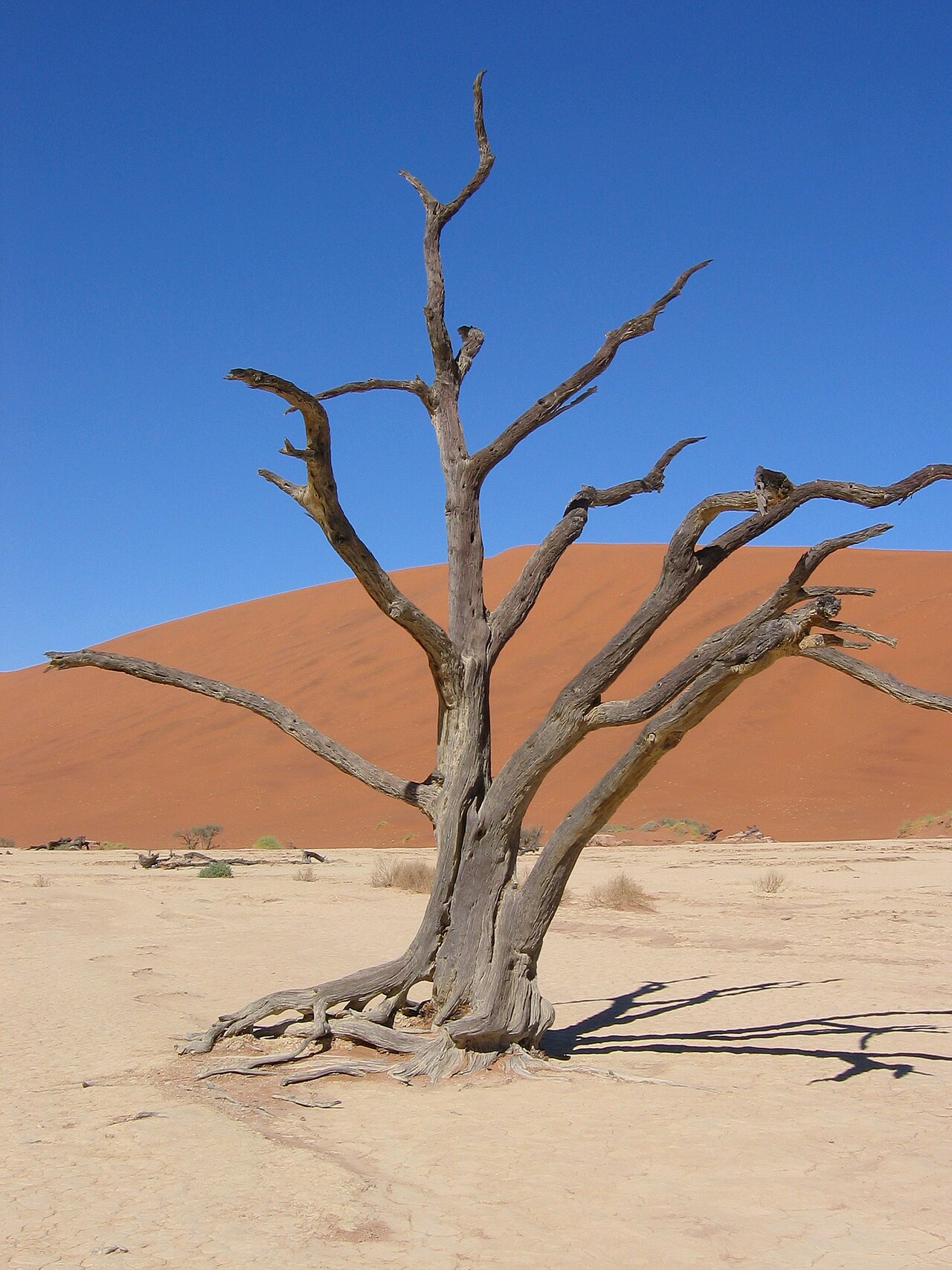
Photo: Harald Süpfle / CC BY-SA 2.5 / Wikimedia Commons
We arrived in Swakopmund on a cool July morning, with Atlantic fog settling over the palm-lined streets. My husband and I flew in from Lisbon via Johannesburg, left our apartment for backpacks, and set one goal: reach the red dunes of Sossusvlei using only our thumbs. That meant hitchhiking the coast before turning inland, a slow travel choice we like. As slow-travel writers, this Namibia backpacking leg had been on our list for years. The route from Swakopmund to Sossusvlei shifts hard from one landscape to another. You start in a German-colonial town where cold ocean mist hangs over lichen fields, then take the coastal road south past Walvis Bay's flamingo lagoons. The pavement turns east through the Kuiseb Canyon and the fog lifts to reveal open dunes. This coastal to desert shift shows more ecological change per kilometer than most desert routes in Africa. The distance from the foggy shore to the burnt orange dunes is about 350 kilometers, but the environment changes completely within a half day of driving. Our hitchhiking trip was not only about saving money. Rides with locals meant talking to diamond miners, backpackers, and a retired couple in a campervan. We expected little traffic on the remote C14, long waits under thorn trees, and nights at budget campsites. Plans stayed loose: water caches, paper maps, and a flexible timeline. We hoped the people we met would be the real souvenir.
Preparing for the Swakopmund to Sossusvlei Hitchhike
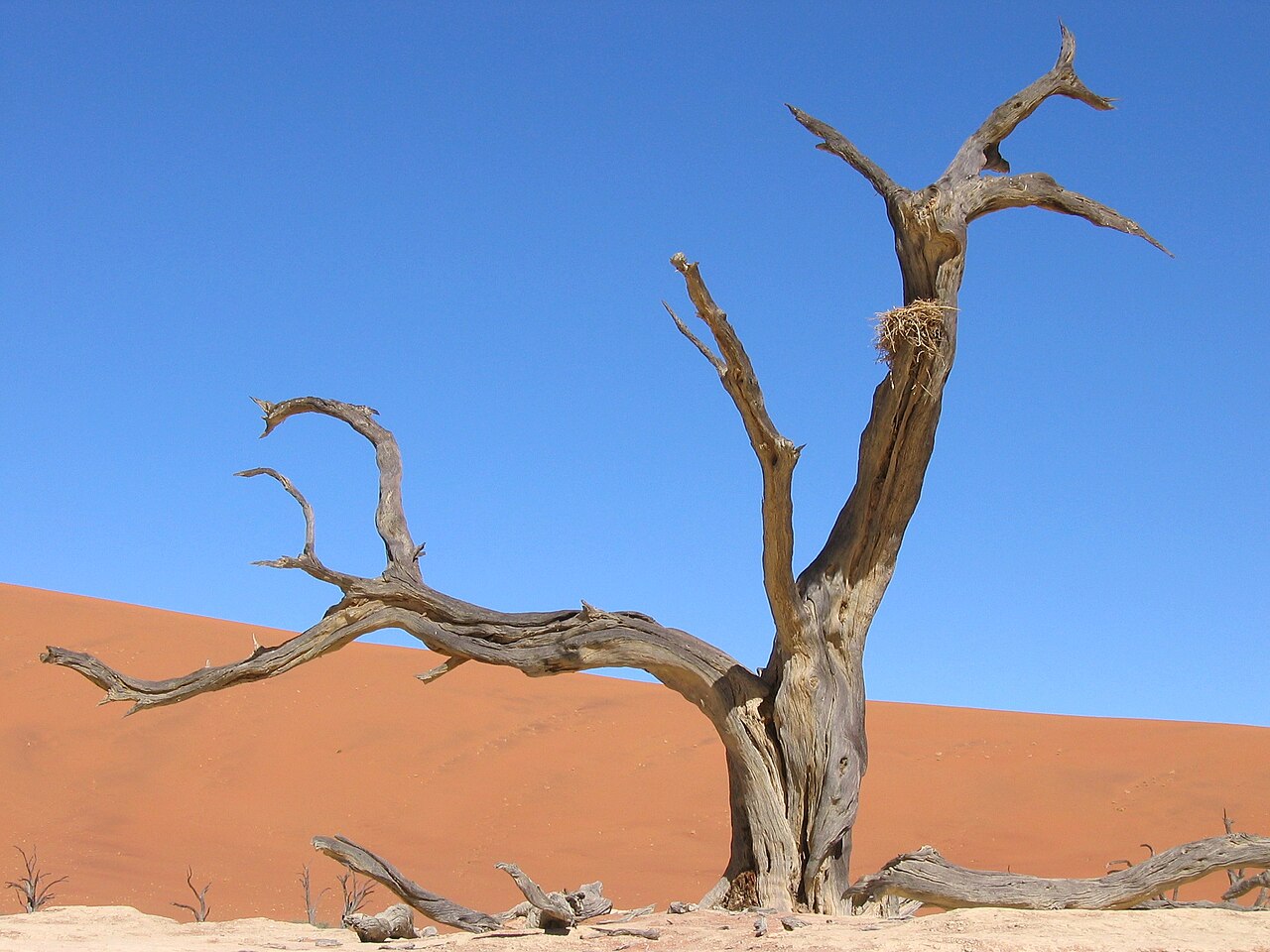
Photo: Harald Süpfle / CC BY-SA 2.5 / Wikimedia Commons
Planning Your Start in Swakopmund
When I planned this hitchhike, the first task was finding the right spot to leave town. Swakopmund is compact, but drivers leaving for the south rarely pick up in the center. I walked to the Total petrol station on the southern outskirts, where the C34 splits toward Walvis Bay. That forecourt is where locals fuel up before the long desert stretch, and it gave me a clear sightline for approaching cars. For timing, the best window for hitching the coastal stretch is late morning. The coastal fog that rolls in at dawn usually lifts by 9am, and with it comes a steady flow of pickup trucks and tourist rentals. I aimed to have my pack down and thumb out by 8:30. Standing there earlier meant waiting in cold mist with few vehicles. Later in the afternoon, the wind picks up and many drivers have already reached their destinations. If you are based in the old town, you do not need to walk the full distance. A local combi (shared minibus) runs from the museum corner to the lagoon junction for about 10 Namibian dollars. That short hop saves an hour of road walking and puts you exactly at the highway junction where the inland B4 begins. For a backpacking budget, this small fare is worth the head start before a long hitch. I also learned to keep water and a paper map visible. Drivers on this route appreciate a traveler who looks prepared for the empty distance ahead. Within two hours of positioning at that junction, I had a ride all the way to the Sesriem turnoff.
Packing List for Namibia Backpacking and Desert Heat
Before starting my hitchhiking Namibia coast journey, I rebuilt my pack for desert travel in Africa. The route bakes under 38°C by noon, so water came first. I carried six liters split between two hard bottles and a collapsible bladder, refilling at guesthouses when a lift landed me near one. Sun protection was non-negotiable: a wide-brim canvas hat, long-sleeve linen shirt, and SPF 50 reapplied every two hours. Without it, the whole plan would wilt before the dunes.
Wild camping between rides demanded light gear. My tent weighed 1.4 kg and pitched on hard pan in three minutes. A sleeping bag rated to 5°C fought the cold nights that follow desert heat, while a foam pad saved my spine. This pared-down kit defined my approach and let me jump into rides without shuffling loads.
Documents and cash sat in the top pocket. I kept my passport, visa copy, and a paper map of the coast for offline navigation. Once you leave town, ATMs disappear; I carried 800 Namibian dollars in small notes for the solitary fuel stop at Solitaire and roadside stalls. That cash bought bread and soda where cards failed.
How Locals and Travelers Hitch Rides in Namibia
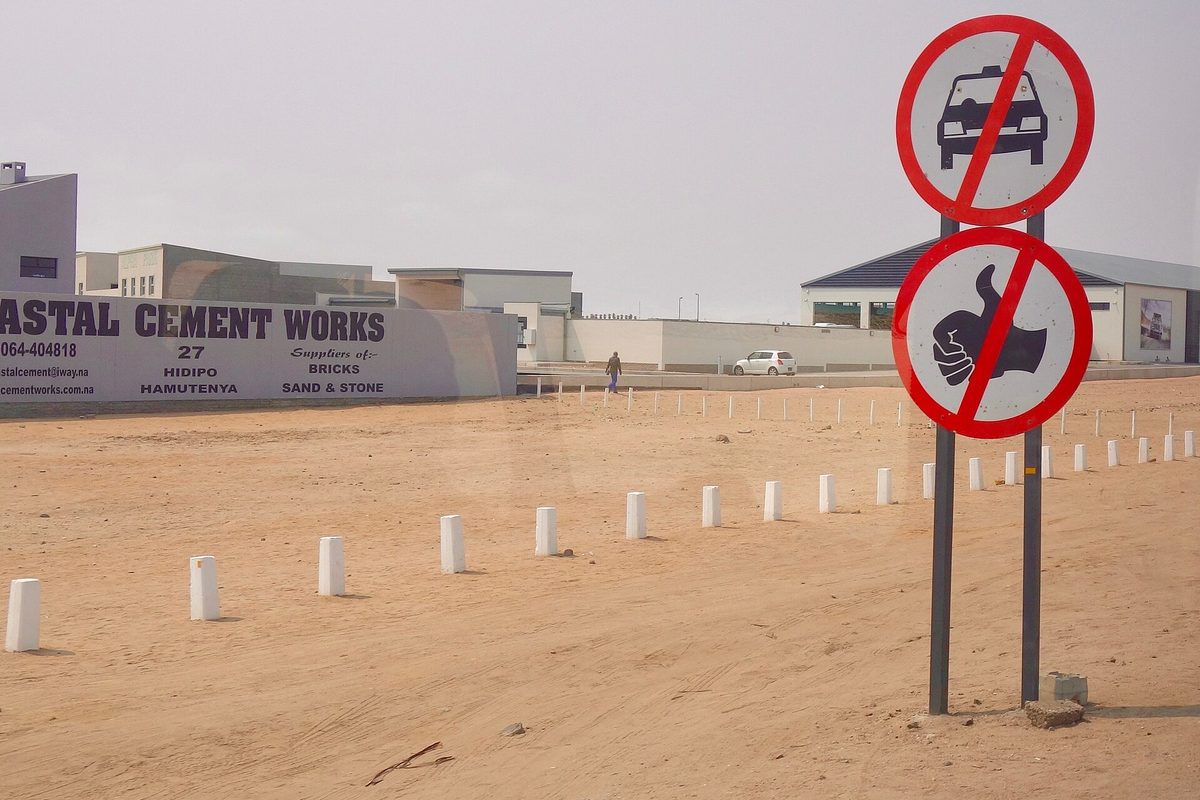
When I first tried hitchhiking the Namibia coast routes, I learned fast that a thumbs-up is the standard signal across the continent. In many African countries a raised thumb means you need a ride, and Namibia follows that custom without fuss. Standing on the gravel shoulder of the coastal road north of Swakopmund, I copied what local commuters did: arm bent, thumb to the sky, a calm smile. Nobody expects a frantic wave. A steady thumb and patient posture show drivers you respect their schedule. The vehicles that stop fall into two groups. Long-haul truck drivers moving salt, fuel, or produce are the backbone of hitchhiking for residents. They know the empty desert miles and often like company on long hauls. Tourist vehicles, usually rented 4x4s or campervans, tend to pick up foreign travelers. On one inland hitch, a German couple in a white campervan carried me eighty kilometers, then a Namibian trucker gave me tips near the Kuiseb River crossing. For newcomers to backpacking here, that mix means flexibility: slow freight rides and the odd tourist lift. Safety on any desert route depends on communication. I kept a local SIM active so I could text my husband the plate and town of every ride. Learning basic Afrikaans like 'Dankie' and 'Waarheen?' helped me connect with drivers who spoke little English. Hitching Namibia style means trusting your gut: if a pickup feels off at an isolated bend, lower your thumb and wait. I never hitched after sunset because temperatures plunge and the road goes dark fast. A small notebook with village names also made explanations easier when signal vanished.
The Coastal Road in Namibia: First Rides Out of Swakopmund
Thumbs Up Africa on the B2 Highway
I stuck my thumb out at the eastern edge of Swakopmund, where the B2 highway leaves the cool Atlantic breeze behind and heads to Walvis Bay. Hitchhiking the Namibia coast was easier than I had feared. Within twenty minutes a silver pickup slowed and waved me in. The driver, a soft-spoken man named Petrus, was hauling Styrofoam boxes of fresh crayfish to the harbor town. I tossed my backpack behind the seat and we pulled into the bright morning traffic. Petrus had done plenty of overland travel himself, and we soon talked about life on the road. He told me he often picks up backpackers because ride sharing in Namibia makes long distances affordable for everyone. I explained my plan for the journey inland, a Namibia road trip by hitchhiking that lets me meet locals and keep costs low. He laughed and said the desert would teach me patience, then described a camping trip he took near Sesriem with his cousin and a borrowed truck. The coastal road in Namibia showed its character as we drove. This stretch of the B2 is flat and straight, with the ocean on one side and raw dune on the other. Traffic was thin. We passed maybe one car every five minutes. Petrus kept a steady 110 kilometers per hour, though the limit allows more. That spacing is typical for desert travel in Africa, where towns sit far apart and a ride can mean hours of quiet sky. For a first timer backpacking in Namibia, the openness felt like freedom.
Coastal Scenery from Swakopmund to Walvis Bay
The first morning of my coastal hitch caught me off guard. I had pictured a typical beach town exit, but here the Atlantic Ocean crashes into the Namib dunes. While waiting for a ride, I watched waves foam at the base of rust-colored sand mountains. That ocean meets desert view is the signature of this stretch, and it sets the tone for the whole trip. My first lift came from a fisherman heading south. We rode in silence for a while, then he dropped me near the Walvis Bay lagoon so I could stretch my legs. The shallow water mirrored the sky, and greater flamingos stalked the mudflats. For a backpacker on this route, that brief stop at the lagoon is a free spectacle you should not skip. I ate a piece of bread and noted how the cool sea breeze still ruled the air. After the lagoon, the mindset shift began. Hitching here means you trust strangers and adapt to their routes, so I climbed into a pickup with two geologists. As we left the coast, the fog lifted and the dunes turned golden. I started thinking like a desert traveler rather than a seaside wanderer. The inland leg was no longer about ocean but about distance, water planning, and shade. That inland turn is where the real adventure begins.
Turning Inland at the C14 Junction
We watched the last stretch of the coastal road fade into a haze of salt pans as our ride dropped us at the junction. After days of cold Atlantic fog and German-style bakeries in Swakopmund, the turn inland felt like stepping onto another planet. The C14 junction is where the paved coastal route gives way to gravel and silence, and it is the real start of the inland leg for anyone traveling without a car. The coast road had spoiled us with frequent rides, but for Namibia backpacking the inland turn promised solitude. Spotting the turn-off for the Namib Desert is easier than the maps suggest. A weathered sign painted with a faded orange dune points southeast, and a small cluster of thorn trees marks the spot where you leave the breeze behind. We stood there with thumbs out, noticing how the air warmed within minutes of leaving the coast. The coastal stretch had been busy with tourist shuttles, but here the traffic thins to a trickle of mining trucks and the occasional family in a bakkie. Our strategy shifted. Instead of waiting at the main pull-off, we walked a hundred meters toward the bend where drivers have a clear sightline and can slow safely. Hitching Namibia-style means chatting with locals at the isolated fuel stop half a kilometer back, where the shop owner radios for a neighbor heading south. In the desert, timing matters more than distance. We aimed to catch a lift before midday heat made drivers reluctant to stop. My husband and I took turns shading our packs under the acacia, watching for the dust plume that signaled a possible ride. This segment demands patience, but the quiet let us hear the desert wind long before we saw the dunes.
The C14 Road: Into the Namib Desert
C14 Road Conditions and Desert Driving
When I set out from the inland route on my Namibia road trip hitchhiking run, the C14 started as smooth tar. That paved comfort lasted only about forty kilometers before the surface broke into coarse gravel. The shift is sudden. One moment you are cruising past lichen fields, the next you are kicking up dust on a corrugated track that demands a high-clearance vehicle. For anyone planning hitchhiking Namibia coast routes, knowing this split matters because it changes the kind of ride you need.
Solitaire Namibia: The Famous Desert Stop
We reached Solitaire after a long stretch of empty gravel, the kind of place that feels like a trick of the eye until you see the rusted old cars and the hand-painted sign for apple pie. This tiny crossroads on the C14 is the last real stop before the Sesriem gate, and anyone driving from the coast toward the dunes knows it by reputation. The apple pie story started with Moose McGregor, who baked with apples flown in from South Africa, and the recipe is still why travelers pull over. I ordered a slice at the bakery counter and got why people plan a Namibia road trip around it.
Wild Camping Near Sesriem Gate
After a long day of hitchhiking along the C14, we needed a free place to sleep. Paid campsites near Sesriem cost a lot, so we found a spot two kilometers back from the gate on a faint side track. A low dune ridge blocked the road from view. We took our packs off the mining truck that had picked us up and settled behind the crest. This part of the coastal road in Namibia opens into sand plains, and wild camping is allowed if you leave no trace and keep out of sight.
Reaching Sossusvlei and Desert Travel Reflections
The Final Hitch to Sossusvlei Dunes
The last leg of our Swakopmund to Sossusvlei trip began at Sesriem, where the paved road stops and sand tracks take over. We waited with thumbs out for under twenty minutes before a battered pickup pulled up. The driver worked at a lodge near the dunes and nodded us into the truck bed among sacks of supplies. This ride from Sesriem to the dunes finished our Namibia hitchhiking route. Hot wind hit our faces as the engine strained on the gravel. Near Dune 45 we ran into a few overland groups. A large yellow truck from a European company had just pulled in, and its passengers climbed out with cameras and water. They were covering the standard Namibia loop in two weeks, while our shared rides had carried us slowly up the coast over many days. We compared notes on road conditions and good sunset spots. Then the red sand came into view. Climbing the ridge, I found a deep ochre that no photo had prepared me for. The dunes stretched toward the horizon, silent and huge. After weeks of hitching along the coast and through small towns, this was the country at its raw edge. I sat down right there and let the heat and quiet settle over me.
Budget Travel Namibia: What the Trip Cost
When I set out hitchhiking the whole route, I knew the rides would be free but the desert would charge for survival. On our route, we never paid a cent for transport. Drivers along the way picked us up out of kindness or curiosity, and we shared stories instead of cash. That said, zero fare does not mean zero cost. Food and water became our main expense, and in the dry interior you cannot skimp on drinking water. Before leaving Swakopmund, I stocked up at the local market: a bag of oranges, a sack of maize flour, peanuts, and a few tins of sardines. We carried 5 liters of water each and refilled at petrol stations and guesthouses whenever possible. My grocery spend averaged 45 Namibian dollars per day, about 300 NAD for the week. That is cheap compared to restaurant prices, but you need to plan meals around remote stretches with no shops. Our accommodation split showed the classic backpacker trade-off. We camped four nights in designated sites near the dunes and along the route, paying around 80 NAD per night for a basic pitch. Three nights we chose guesthouses in Sesriem and a lodge outside Swakopmund, splitting a twin room with another traveler from a ride sharing Namibia app, which brought our share to 320 NAD per night. The hot showers and reliable wifi were worth the splurge after dusty days. Adding it all up, a budget traveler doing this route as Namibia on a budget can expect to spend between 850 and 950 NAD for seven days, excluding international flights. That total covers food, water, camping fees, and a couple of guesthouse nights. The free rides make the trip possible on a thin wallet, and the memories stay with you. The one cost we did plan carefully was the flight in from Europe; comparing dates in the flight search I use freed up enough budget for several campsite nights before we ever stuck out a thumb.
Key Takeaways for Your Own Hitchhiking Trip
Looking back at my journey, the Swakopmund to Sossusvlei stretch is the core of any hitchhiking plan in this country. I started in the foggy Atlantic air at Swakopmund, then took the coastal road through scattered settlements and big dune belts. The route goes past Kuiseb canyon into Namib-Naukluft park, where rides get hard to find. The distance is short, but the empty land teaches patience. Hitchhiking the Namibia coast means trusting locals in pickup trucks and sometimes waiting hours under a hot sun. If you try this, treat desert travel in Africa with respect. Carry more water than you expect to need, tell someone your rough schedule, and bring a paper map because the signal drops quickly. The heat can make a small delay serious, so pack a warm layer for cold nights and basic repair tape for bags. I bring a first-aid kit and power bank since charging points are few. Ride sharing in Namibia is informal, just a thumb up and a chat about goats. Plan your own ride with an open mind and a loose timeline. Check weather and local advice in Swakopmund before you leave. Backpacking Namibia by thumb costs little and gives you plenty of stories. Pack light, learn some basic Afrikaans, and let the road decide. The desert shows its quiet generosity when you arrive ready.
Official sources
Details worth verifying before you go — checked against:
Travel Writer & Editor
Emily Johnson writes and edits Do Travel Blog. Every guide on the site starts the same way: with a question she actually had while planning — when to book, which pass to buy, how to get from A to B without overpaying. Where a number matters, she cites the source: park tickets link to the park's own fee page, visa rules to the official consulate, ferry times to the operator. Prices get re-checked against those pages before each update, and a guide is re-dated when its numbers move. Nothing here is sponsored — she doesn't accept payment for coverage. Spotted something stale or wrong? Email hello@dotravel.blog and she'll fix it.