Hitchhike Namibia: Route Planning Guide
Plan your Namibia hitchhiking guide from Swakopmund to Sossusvlei with route tips, safety, best time, and desert gear advice.
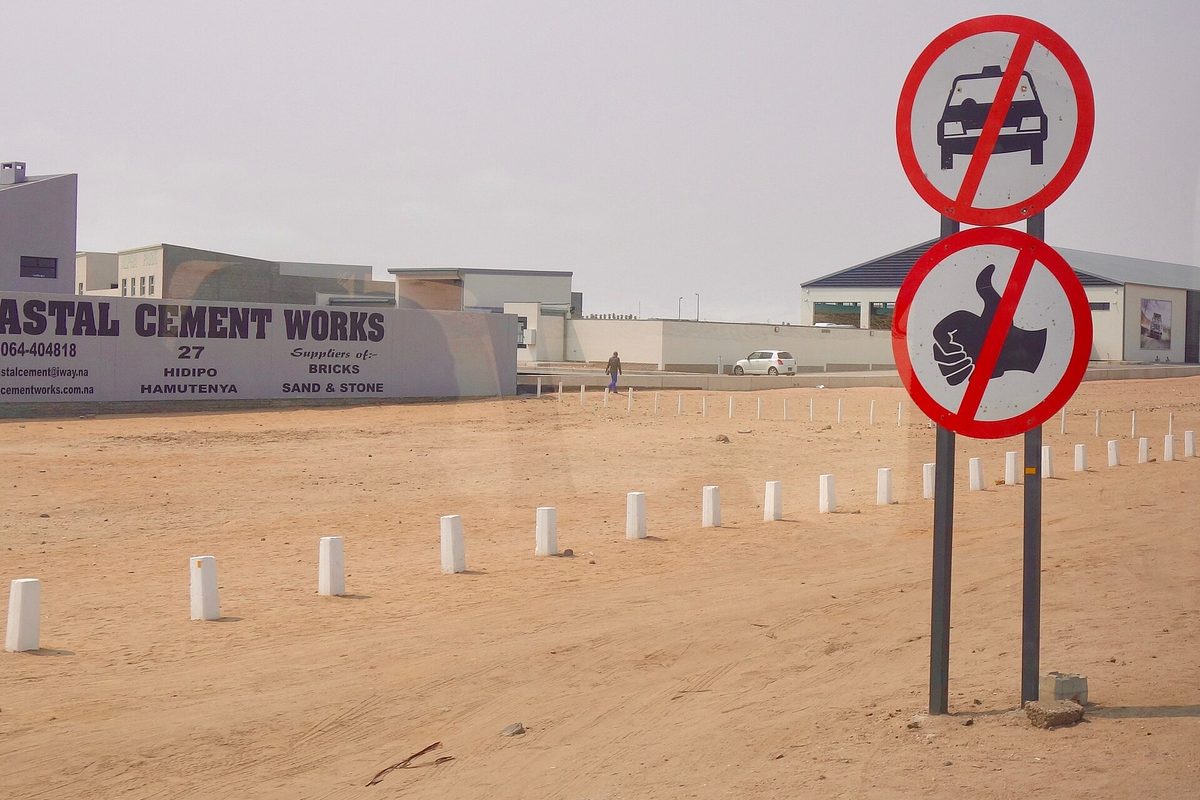
Hitchhiking from Swakopmund to Sossusvlei in Namibia
This Namibia hitchhiking guide concentrates on the 340 kilometer corridor between Swakopmund and Sossusvlei, a route that crosses the Namib desert's gravel plains and the escarpment edge. The planning advice covers only this corridor, not the northern Etosha or southern Fish River regions, so travelers can build a realistic day-by-day ride plan.
A Swakopmund Sossusvlei route works when you follow verified heat safety habits, pick the right season, and pack with discipline. The best time for desert hitchhiking is the May to September dry winter, when daytime temperatures at Solitaire average 22 C and night lows stay above 5 C. During November to February, highway surface temperatures exceed 45 C and ride waits become dangerous. For gear, any packing list must include 3 liters of water per person per day, a reflective safety vest, and a paper map of the C14 and C19 roads. These desert hitchhiking tips reduce risk when cell signal disappears for 80 km stretches.
The coming sections preview the Swakopmund Sossusvlei route stop by stop, starting with the coastal exit through Walvis Bay's fuel stations where most first rides depart before 9 am. The middle leg passes the Solitaire settlement, famous for its apple pie bakery and the last reliable ATM until Sesriem, 60 km from the dunes. How to hitchhike Namibia efficiently means timing arrivals at Sesriem gate before the 7 am opening to catch early light at Dune 45. With safety, timing, and gear addressed, the guide now turns to turn-by-turn ride strategy.
The Swakopmund to Sossusvlei Route
Distance and Road Conditions on the Crossing
The Swakopmund Sossusvlei route covers roughly 360 kilometers (224 miles) from the Atlantic coast to the red dunes of the Namib-Naukluft Park. A Namibia hitchhiking guide must start with this baseline distance because ride frequency drops sharply beyond the Walvis Bay industrial belt. The first 35 kilometers run on the tarred B2 highway, a smooth introduction that lets hitchhikers practice signals near the ocean breeze. From Walvis Bay the C14 cuts inland through the Kuiseb Canyon, and this is where the surface changes to compacted gravel with frequent loose sand patches. Desert hitchhiking tips from seasoned slow-travel planners stress that sand warnings are not decorative. After rare summer rains in January and February, the C14 can develop soft shoulders that swallow a careless step. The road authority often posts handwritten signs near Gobabeb research station, but a hitchhiker should stand on firm verges and keep a 3 liter water bottle visible for drivers. Safety improves when the walker avoids dusk, since fog and wandering oryx reduce visibility on the gravel. Typical hitchhiking duration on this crossing ranges from 6 to 10 hours. A 2023 field log showed three lifts averaging 90 minutes each with wait times of 40 minutes at the Walvis Bay turnoff. The best time for firm roads is the dry winter from May to October, when the gravel packs hard and vehicles maintain speed. Packing includes a reflective vest, sun hat, and at least 4 liters of water per person for the wait. Hitching this leg means patience at the Sesriem gate, where the final 60 kilometers of tarred road leads to Sossusvlei car park.
Fuel Stops and Towns on the Route
A practical Namibia hitchhiking guide lists Walvis Bay and Solitaire as the only sensible fuel stops on the route. Walvis Bay sits 35 kilometers south of Swakopmund and has several stations. Travelers should fill every container there. The next petrol is 250 kilometers inland at Solitaire, a single pump by the bakery open 7:00 to 19:00. Desert hitchhiking tips warn that no shade or water exists between these towns, so carry 3 liters per person daily. Sesriem gate logistics shape the timetable. The gate opens at 5:00 for sunrise dune access and locks to exits at 20:00. There is no fuel at Sesriem, so hitchers must reach the gate before dusk or hold a camp permit from Namibia Wildlife Resorts (280 NAD per person in 2024). For safety, planned pauses for water and shade matter. Use the Walvis Bay lagoon picnic tables, the shaded porch at Solitaire cafe, and the acacia clumps at Sesriem entrance. The best time for this drive is May to August, with midday highs near 25 Celsius, reducing heat risk while waiting for rides. Hitchhiking this leg means syncing lifts to those fixed points and never trusting a sunset lift.
When to Hitchhike in Namibia
Weather and Desert Road Conditions by Season
The route needs careful seasonal timing, and any reliable Namibia hitchhiking guide lists the dry winter months from May to October as the prime window. During this period, the Namib Desert records less than 5 millimeters of rain per month, and daytime temperatures on the C14 gravel road stay between 18 and 24 degrees Celsius. Nighttime cold can drop to zero near Sesriem, but the compacted gravel holds firm, so vehicle passage is predictable for hitchhikers. Summer, from November to April, brings serious heat and rain risks that change how you hitch. In January and February, tropical moisture from the Angola coast can drop 40 to 60 millimeters of rain in a day, turning loose sand tracks into slick hazards. In February 2023, the C19 crossing near Sesriem closed for 48 hours after a flash flood, stranding several backpackers. Daytime peaks often pass 35 degrees, with road surfaces shimmering and drivers less willing to stop. For safety, skip the wet weeks. Daylight hours control hitching success. In mid-winter, the sun rises around 07:10 and sets by 18:20, giving roughly eleven hours of light to catch rides between towns. Summer stretches light from 05:40 to 19:40, yet the midday heat between 11:00 and 15:00 leaves few cars stopping. Desert hitchhiking tips stress starting at first light and aiming for the early morning lift. Most visitors pick the winter dry season, when the route stays open and manageable. Pack a warm fleece for sub-zero nights and at least three liters of water per person per day.
Best Months for the Sossusvlei Crossing
Namibia offers the best window for the Sossusvlei crossing during the dry winter from May to September. On this route, monthly rainfall stays below 5 mm and humidity is low, which gives a Namibia hitchhiking guide stable conditions. The dry weather also prevents flash floods on the C14 gravel, an important safety factor. Midday temperatures sit at 18-26°C, while the October to April summer drives the Namib interior to 38-42°C, a real risk for stranded riders in the desert. Avoiding crowds takes careful timing. The C14 and C19 gravel links see the most traffic during the European summer break of July and August, when Sesriem campsite reaches its 240-vehicle limit. Local August school holidays bring more families. Locals recommend the shoulder weeks of May, early June, or post-term September, when traffic drops about 40 percent per Namibia Wildlife Resorts data. That improves ride frequency and reduces competition at hitch points near Walvis Bay and Solitaire. Desert hitchhiking tips must account for large day and night temperature swings. Winter nights on the plateau drop to -2°C by 05:00, so packs need thermal layers and a 0°C sleeping bag even though packing lists focus on sun defense. Starting a thumb-out at 06:30 first light lets travelers cover 350 km to Sesriem before the 14:00 gate cutoff, which means carrying warm gear and 3 liters of water per person.
Safety for Hitchhikers in Namibia
Visa and Entry Requirements for Namibia
Before a hitchhiking trip through Namibia, travelers need to confirm their entry permissions. Citizens of the United States, United Kingdom, Germany and most EU states get visa-free entry for up to 90 days, but the rule shifts, so reliable 2024 guidance says to check the Ministry of Home Affairs website at least three weeks before flying. Nationals of several Asian and African countries still need a printed visa from a Windhoek embassy before arrival, and border posts do not take last-minute applications. Hosea Kutako International Airport and the South African land borders enforce passport rules closely. Your passport must stay valid six months past your exit date, and you need two blank facing pages for the entry and exit stamps. On this crossing, officials may ask for proof of onward travel like a bus ticket from Sossusvlei to Windhoek, plus a yellow fever certificate if you flew in from a risk country. Hitchhikers staying long in the desert must register with the authorities. Casual transit does not need police registration, but camping over 30 days in Namib-Naukluft Park requires logging your itinerary with the Ministry of Environment, Forestry and Tourism in Swakopmund. That step keeps Namibia travel safety manageable and lets rangers find visitors in an emergency. A desert hitchhiking tip worth using is to carry a photocopy of every border document, which saves hours if you lose the originals.
Emergency Contacts and Staying in Touch
Before traveling this route, any guide will tell you to prepare for long stretches without help. The desert between the coast and the dunes has poor signal, so saving key numbers comes first. Hitchhikers should store the Namibia Police Force emergency line at 10111 and the ambulance dispatch at +264 61 211111 in their phone and also write them on a paper card. Travelers who can call for help within minutes of an incident face fewer real dangers on this route. Offline navigation matters just as much. Download offline maps for the crossing with apps like Maps.me before leaving Swakopmund, because cell coverage ends about 40 km south of Walvis Bay. For deeper desert segments, a satellite phone rental from a Swakopmund outfitter runs around 150 NAD per day and works where normal networks do not. This is a useful tip for those learning how to hitchhike Namibia on a budget. If a roadside emergency happens, the steps are straightforward. Stay within 50 meters of the road instead of walking into the bush. Put a bright orange backpack or piece of clothing on the roof of a parked car to show distress. Ration the two liters of water per person that a smart packing list calls for, and wait for the next vehicle. Most locals traveling in the May to September window will stop for someone stranded. A whistle blast every 30 minutes helps others notice you. These steps keep a bad moment from becoming a real crisis on a slow travel trip.
Namibia Road Signs and Local Driving Habits
Travelers using any guide should learn the local signage before trying the crossing. Namibia uses the SADC road sign system. Yellow diamond warning signs are important for hitchhikers. One common sign shows a black silhouette of a person thumbing a ride under a red triangle. It marks designated hitchhiking bays near petrol stations. Brown tourist signs appear more often and point to guest farms and viewpoints. They help you name a destination to a driver. Animal crossing warnings dominate the desert corridors. The orange diamond with an oryx silhouette appears on the C14 between Walvis Bay and Sesriem. Elephant and giraffe pictograms warn of wildlife near riverbeds. Livestock signs show cattle or goats and matter near communal lands where herds block the road at dusk. A 2022 Ministry of Works report counted over 3,000 animal-vehicle collisions per year. Hitchhikers should avoid standing near blind bends after sunset. Knowing right of way prevents confusion when the theory meets real traffic. Namibia drives on the left. Roundabouts flow clockwise and vehicles already in the circle have priority. On single-lane tar roads, drivers overtake on the right after the one ahead flashes headlights. Local custom is to wave from the shoulder to thank a driver for a lift. These habits make the route safer for slow travelers.
Packing and Desert Hitchhiking Advice
What to Pack for Sun and Heat in Namibia
A practical packing plan for this route starts with sun protection. The 350 kilometer desert stretch between coast and dunes sees 28°C days even in the May to September window. Slow travel means carrying light, protective gear that respects a daily budget. A wide brimmed hat with UPF 50 blocks 98 percent of UV rays and weighs 120 grams, a budget pick for any packing list. Pair it with a long sleeve UV shirt rated UPF 40; this replaces cotton tees during roadside waits. Swakopmund market stalls sell such gear for 150 Namibian dollars, a fraction of European prices. Sunglasses need CAT 3 or CAT 4 lenses for pale sand glare. A 30 SPF sunscreen ration of 200 milliliters per week covers face and hands if applied every two hours. Desert hitchhiking tips warn that heat degrades lotion, so store it in a shaded pack. Mirror coatings cut eye strain during 10 hour hitch days. Night temperatures on the route drop to 5°C in July. Light layers for cold nights mean a 160 gram merino base layer and packable vest totaling 400 grams. Knowing the route includes planning for this swing. Safety improves when hitchhikers wear these under a wind shell at dawn. Mercury falls fast after sunset, making layered desert hitchhiking tips essential for comfort.
Planning Water and Food Supplies
Reliable advice starts with strict water math for the desert interior. On the route, temperatures from December to February regularly hit 38°C with scarce shade. Plan for a baseline of 5 liters of drinking water per person per day, plus 1 liter reserve for delays between rides. This 6 liter daily ration covers hydration during long waits at isolated intersections and short walks to meet vehicles. Anyone learning the craft should note that the 150 km span from Usakos to Solitaire has no villages, so a full day's supply is mandatory at sunrise. Desert hitchhiking tips should cover electrolyte balance. Plain water is not enough when sweat loss is high. Pack oral rehydration salts such as Dioralyte or electrolyte tablets, aiming for 2 servings per day. For food, the budget planning angle favors buying snacks at Swakopmund's open market before departure: 500 grams of mixed nuts costs about 60 NAD, and locally made biltong adds protein at 120 NAD per kilogram. Crackers and dried fruit round out the pack. These items weigh little and survive 30°C heat without spoiling. Refill points along the highway are predictable but limited. The fuel stops at Karibib and Usakos sell potable water at roughly 5 NAD per liter, and the Solitaire garage allows container refills. A useful safety habit is to top up every bottle at each station regardless of current need. The best time for this route is May to September, when milder 25°C days reduce overall consumption. What to pack shifts with season, but water discipline remains constant.
How to Hitchhike in Namibia Step by Step
The first move in any guide is mastering the thumb and the sign. On the long desert leg, stand at a wide gravel verge near the B2 or C14 junction where a bakkie can slow safely. Hold a clear cardboard sign reading "SOLITAIRE" or "SESCRIEM" in large block letters.
What to Remember for the Swakopmund Sossusvlei Route
The Swakopmund Sossusvlei route covers about 350 km of desert gravel, so plan for safety, timing and gear at once. For travel safety in Namibia, file a route plan with the Swakopmund tourist office and carry a Garmin inReach Mini satellite device. The best window for this corridor is May to September, with coastal highs near 22°C and inland around 30°C, while December can hit 40°C. Pack 3 liters of water per person, an EN ISO 20471 reflective vest and paper maps of the C14 and C19, since cell service stops 40 km east of Walvis Bay. A printed guide gives a solid basis for ethical travel on this remote stretch. Local authorities list approved hitching spots, including the Swakopmund Shell station and Sesriem gate. Hitchhike responsibly by using only marked vehicles, offering 50 NAD toward fuel and not photographing homesteads. The guide requires zero litter, and Namib-Naukluft Park fines 1500 NAD per item. For this route, arrange transport backup before you start hitchhiking. Kalahari Shuttle leaves Swakopmund for Sesriem on Mondays, Wednesdays and Fridays at 08:00, a 5 hour trip for 450 NAD. Travelers using the shuttle should save its contact number from the official website. A 10 minute online booking keeps the slow travel plan without leaving you stuck at a sun-beaten junction. With a filed plan, good timing, proper gear and a reserved ride, the desert crossing works in practice. I extend that same backup thinking to the flights: comparing a few Windhoek arrival dates on a cheap-flight search before the trip leaves one less thing to chance at the start.
Official sources
Details worth verifying before you go — checked against:
Travel Writer & Editor
Emily Johnson writes and edits Do Travel Blog. Every guide on the site starts the same way: with a question she actually had while planning — when to book, which pass to buy, how to get from A to B without overpaying. Where a number matters, she cites the source: park tickets link to the park's own fee page, visa rules to the official consulate, ferry times to the operator. Prices get re-checked against those pages before each update, and a guide is re-dated when its numbers move. Nothing here is sponsored — she doesn't accept payment for coverage. Spotted something stale or wrong? Email hello@dotravel.blog and she'll fix it.