Why I Paid Double in Marrakesh: Common Shopping Mistakes
Avoid overpaying in Morocco with this guide on Marrakech shopping mistakes. Learn how to spot the tourist tax and haggle like a local.
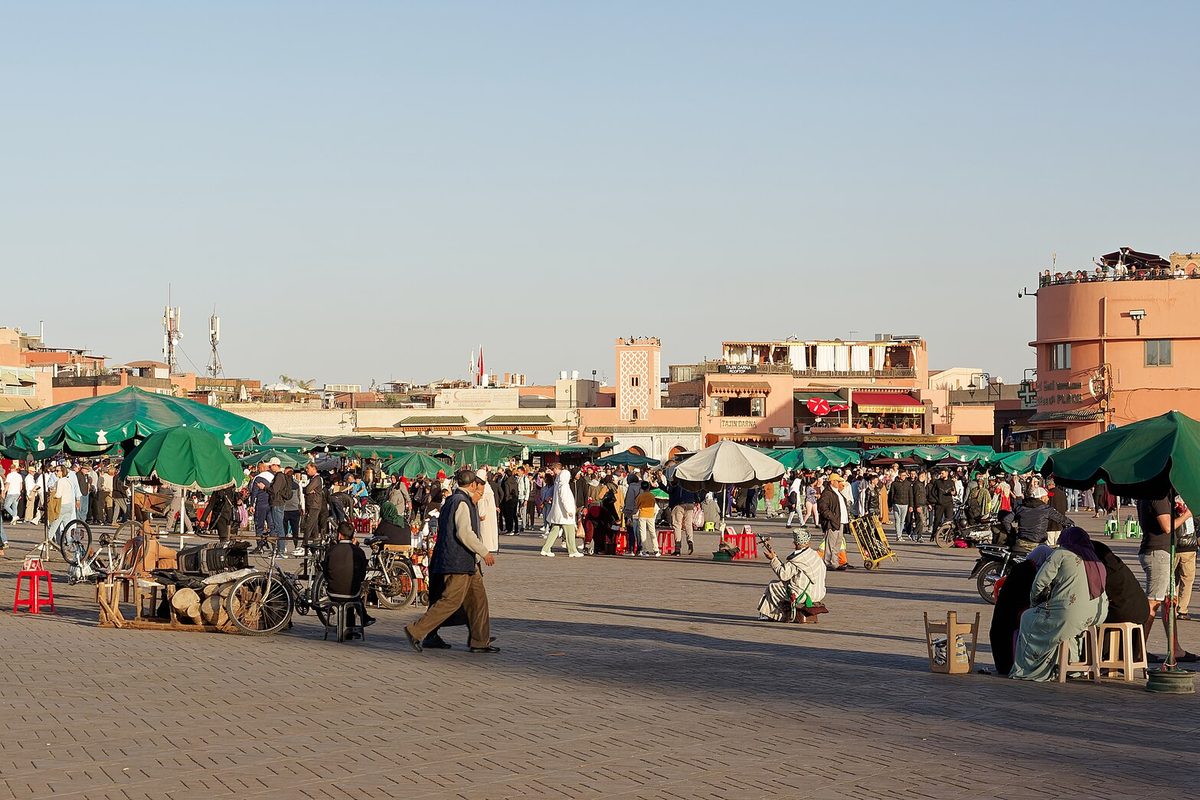
The Moment I Realized I Was the Mark
It happened in the Medina, a few narrow alleys from Jemaa el-Fnaa. I was looking at a hand-stitched leather weekend bag in a deep mahogany brown. The vendor was charismatic and spent twenty minutes telling me about the tannery where the leather came from and the family lineage of the artisans.
I walked away paying 1,200 Dirhams. I felt like I had won because I had haggled and secured a piece of authentic Moroccan craftsmanship. Two days later, while chatting with a local guide in a quiet cafe, I found out the bag was worth maybe 400 Dirhams.
I had paid a 300 percent premium. I fell for the classic Marrakesh tourist tax.
Overpaying in Morocco is almost a rite of passage for first-time visitors, but it is a painful one. The buyer's remorse is not just about the money. It is the realization that my perceived savvy was actually a performance by the seller. To avoid these Marrakech shopping mistakes, you have to understand that the market is a theater of psychology.
The Anatomy of the Tourist Tax Marrakesh
When people talk about the "tourist tax," they are not talking about a government levy. They mean the price inflation applied to anyone who looks like they do not live in the neighborhood. In the souks of Marrakesh, prices are fluid. There is no fixed price tag on a lamp or a rug; there is only the price the seller thinks you will pay.
This strategy is based on signals you unknowingly send. If you show too much excitement, the price goes up. If you dress in high-end travel gear, the price goes up. If you seem lost, the price goes up. The vendor wants to find your "ceiling," which is the maximum amount you will spend before walking away.
Common Marrakech Shopping Mistakes
Most of my shopping fails Morocco came from not understanding the local social contract. Here are the errors I made and why they cost me so much.
Mistake 1: The "Friendly Guide" Trap
One of the biggest Marrakech shopping mistakes is accepting help from "unofficial" guides. These are the young men who approach you in the street to show you the "best" leather shop or the "real" spice market.
These guides are not providing a service; they are commission agents. The shopkeeper inflates the price of every item to include a kickback for the guide. Even if you haggle, you are still paying a premium because the guide's cut is non-negotiable. I spent an afternoon in a carpet shop I never would have found on my own, paying double for a rug because the guide said the owner was a "distant cousin."
Mistake 2: Showing Too Much Enthusiasm
In a Western supermarket, we smile and tell the clerk we love the product. In the souks, this is a mistake. The moment you say, "Oh, this is beautiful!" you have lost your leverage.
Professional shoppers in Morocco keep a neutral expression. They treat the item as if it is interesting but not essential. When I found that leather bag, I beamed. The vendor knew immediately that I was emotionally invested, so he didn't drop the price much to close the deal.
Mistake 3: Underestimating the "First Offer"
Many tourists think the first price offered is a reasonable starting point. In Marrakesh, the first price is often a guess designed to test your knowledge. If a vendor asks for 2,000 Dirhams for a lamp, they might actually be willing to sell it for 300.
If you start your counter-offer at 1,500, you are still far above the actual value. The mistake is haggling within the vendor's inflated range rather than establishing your own based on local prices. For a better understanding of how to negotiate, see our guide to bargaining in Marrakesh.
The Psychology of Overpaying in Morocco
Why is it so easy to fall for these tactics? The shopping experience in Marrakesh is an emotional journey. It starts with hospitality, like mint tea, stories about family, and compliments on your style.
This creates reciprocity. When someone does something nice for you, you feel a subconscious urge to return the favor. In a market, that "favor" is often paying a higher price. I felt bad walking away from the leather vendor after he spent thirty minutes talking to me. That guilt is exactly what the sellers want. This is part of the broader Berber hospitality customs that define the region.
How to Spot the Red Flags
To avoid the cycle of shopping fails Morocco, you need a radar for certain behaviors.
First, watch for the "exclusive" offer. If a seller says this is the last one in the city, or that they are giving you a "special price" because of where you are from, be wary. These are standard scripts used to create urgency.
Second, be cautious of claims about quality. You will often hear that a product is "authentic leather" or "real saffron." While it might be true, the claim is used to justify a price hike. Always test the product. For leather, the smell is a giveaway. Authentic leather has a pungent scent, while synthetic versions smell like chemicals.
A Strategic Guide to Fair Pricing
If you want to avoid overpaying in Morocco, you need a system.
Step 1: The Reconnaissance Mission
Never buy the first thing you see. Spend your first day in the Medina just looking. Visit five different shops selling the same type of item. Ask for the price, thank them, and move on. By the end of the day, you will have a rough idea of the market range. Shops further from the main tourist squares usually have lower starting prices.
Step 2: The Low-Ball Start
Once you find an item you want, start your offer significantly lower than what you are actually willing to pay. If the vendor asks for 1,000 and you think 400 is fair, start at 200. This gives you room to move upward without hitting the tourist tax ceiling.
Step 3: The Power of Walking Away
The most powerful tool in any Marrakesh market is your feet. If the price is not where you want it, thank the vendor and leave. Often, this is when the real price is revealed. If they call you back with a lower offer, you know you were close to their bottom line. If they let you walk away, you were likely asking for a price that was too low.
Dealing with Buyer's Remorse
If you have already overpaid, accept it as a "learning fee." The stress of trying to return an item in the souks is not worth the effort, and most shops do not have return policies for tourists.
Use that experience to sharpen your skills for the next purchase. The remorse fades, but the lesson on local prices vs tourist prices will help for the rest of your trip.
Authentic Leather Goods: A Case Study
Leather is a common area for shopping fails Morocco. Because there are many grades of leather, it is easy to be fooled.
True authentic leather goods are often found closer to the tanneries, though these areas smell more and are less like boutiques. High-end shops in the center of the Medina often buy from the same wholesalers as smaller stalls but add a markup for the location.
When buying leather, check the stitching. Machine-made items are common, but hand-stitched items should have slight irregularities. If it looks too perfect, it might be factory-made and marketed as artisan.
The Role of Ethics in Haggling
Some travelers feel that haggling is unkind. It is important to shift this perspective. In Morocco, haggling is a social interaction and it is expected. Some vendors find it boring when a tourist simply pays the asking price.
The goal is not to squeeze every Dirham out of the seller, but to reach a price that is fair for both parties. A fair price is one where the seller makes a profit and the buyer feels they paid a reasonable market rate. This is a key part of talking your way through local markets.
Summary of Marrakesh Shopping Mistakes
To ensure you do not pay double for souvenirs, keep this checklist in mind: - Avoid unofficial guides who lead you to specific shops. - Keep your emotions in check and do not show excessive excitement. - Ignore the first price offered; it is a benchmark, not a reality. - Research prices across multiple shops before buying. - Use the walk away technique to find the bottom price. - Verify leather quality by scent and stitching. - Remember that mint tea is hospitality, not a debt you must pay.
Shopping in Marrakesh is an adventure. When done correctly, it is a vibrant part of the Moroccan experience. When done poorly, it is an expensive lesson in psychology. By recognizing the signals of the tourist tax, you can bring home treasures without the sting of overpaying. This is the best way to avoid common tourist traps.
Your Action Plan for the Souks
Before you head back into the Medina, set a hard budget for each category of item you want. Write these numbers in your phone. When you are in the heat of the moment and a vendor is telling you a story about a 100-year-old weaving technique, look at your notes.
If the price exceeds your limit, walk away. The souks are endless, and there is always another lamp or bag. The win is not in the item itself, but in knowing you paid a price that reflects the value of the craft, not the status of your passport.
Official sources
Details worth verifying before you go — checked against:

Travel Writer & Editor
Emily Johnson writes and edits Do Travel Blog. Every guide on the site starts the same way: with a question she actually had while planning — when to book, which pass to buy, how to get from A to B without overpaying. Where a number matters, she cites the source: park tickets link to the park's own fee page, visa rules to the official consulate, ferry times to the operator. Prices get re-checked against those pages before each update, and a guide is re-dated when its numbers move. Nothing here is sponsored — she doesn't accept payment for coverage. Spotted something stale or wrong? Email hello@dotravel.blog and she'll fix it.