First Night in a Tokyo Capsule Hotel: A Survival Guide
Planning your first night in a Tokyo capsule hotel? Learn how to handle noise, space, and etiquette in this first-timer's survival guide.
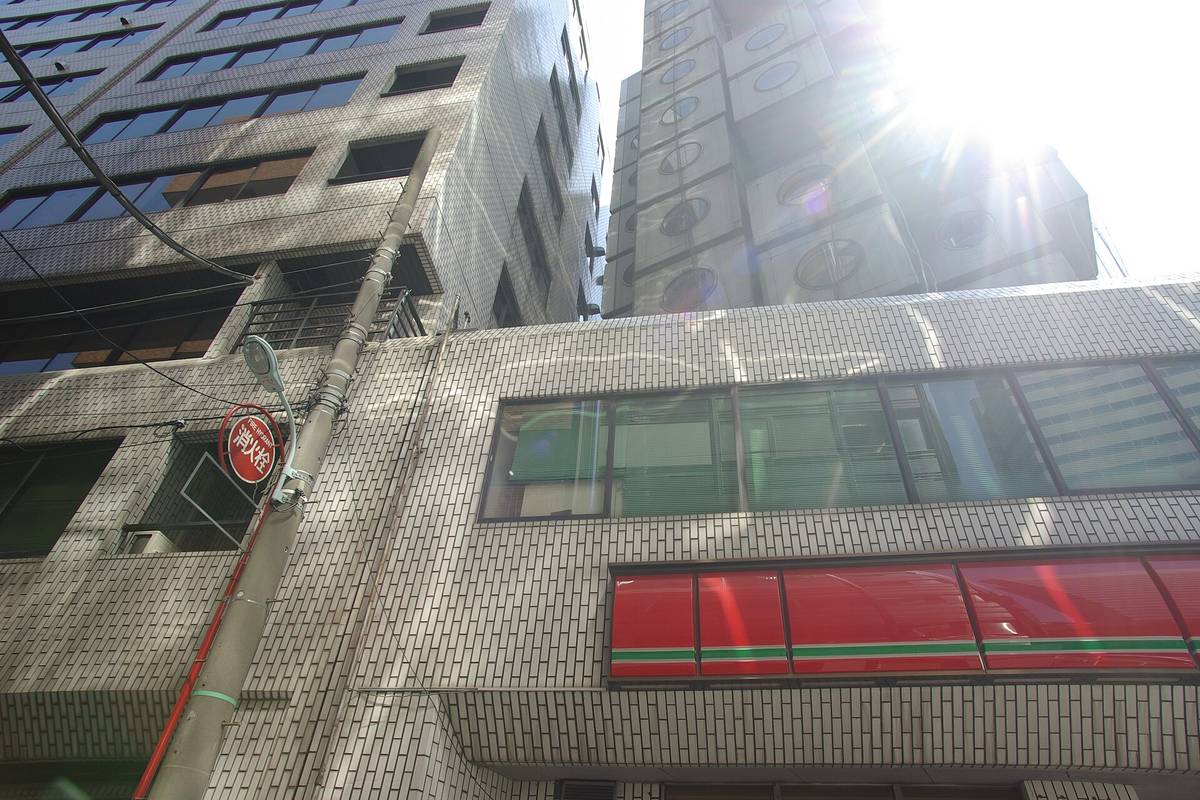
The Reality of Your First Night in a Tokyo Capsule Hotel
Checking into a capsule hotel for the first time feels less like a hotel and more like boarding a spacecraft. Many travelers feel a mix of curiosity and anxiety about it. You have likely seen photos of neon-lit plastic pods, but the actual experience of a tokyo capsule hotel first night involves rituals, social rules, and spatial challenges that photos do not show. For a broader perspective on this unique stay, see my experience guide to capsule hotels.
In practice, a capsule hotel is an exercise in minimalism. You are paying for a place to sleep rather than a full room. The goal is to provide a safe, clean, and affordable spot in one of the most expensive cities in the world. However, moving from a standard hotel to a sleeppod requires a mental shift. You move from a private sanctuary to a communal environment where your only private space is the capsule itself.
The Check-In Ritual: From Suitcase to Locker
Your experience begins at the door. Unlike a traditional hotel where you might drop bags in your room, your luggage never enters the sleeping area. This is a safety and space requirement. If you try to bring a large suitcase into the pod area, it is physically impossible and other guests will find it disruptive.
Upon check-in, the staff will assign you a locker. This is your primary storage for your stay. You will move your clothes, electronics, and toiletries into this locker. The only things you should bring into the capsule area are pajamas, a phone charger, and perhaps a book. This process can feel tedious, but it is the only way these facilities can operate without becoming chaotic.
Most hotels provide amenities upon arrival. This usually includes a yukata (a light cotton robe), a towel set, and sometimes a basic toiletry kit. The yukata is the standard uniform. Wearing it allows you to move between the locker area, the communal bath, and your pod without changing clothes multiple times.
Navigating the Pod Area: The Layout and Logic
Once you have secured your belongings, you enter the sleeping quarters. The first thing you will notice is the silence. Most capsule hotels enforce a strict noise policy. You will see signs reminding guests to keep their voices down and to put their phones on silent.
Finding your pod is usually straightforward because numbers are clearly marked. As you approach your assigned space, you will notice the cabin size. A standard pod is roughly 1 meter wide and 2 meters long. While this sounds cramped, it is designed for a person in a reclining or lying position.
One of the most common fears for first-timers is claustrophobia capsule hotel anxiety. If you struggle with enclosed spaces, the first few minutes can feel intense. However, most modern pods are open-fronted, covered by a curtain or a sliding door, and have ventilation systems that keep fresh air flowing. You are not trapped; you are simply in a cozy space. If you feel panicked, step out of the pod and into the wider corridor to reset your breathing.
The Logistics of the Sleeppod: Comfort and Tech
Inside the pod, you will find a high level of utility. Modern capsule hotels have evolved beyond simple plastic boxes. Most now feature integrated control panels where you can adjust the lighting, control the ventilation fan, and access power outlets.
Many pods include a small shelf for your glasses or phone and a reading light. The mattress is typically a firm foam, which is standard for Japanese hospitality. If you are used to plush Western mattresses, this might feel stiff, but it is generally sufficient for a short-term tokyo budget stay.
One practical tip for your first night: organize your electronics before you climb in. Once you are settled, reaching back out into the corridor for a forgotten cable is clumsy. Set up your charging cables first, then slide in. This minimizes movement and keeps the noise level low for your neighbors.
Managing the Noise Level and Sleep Quality
This is where the capsule hotel tokyo experience can be challenging. You are sharing a room with dozens of other people separated by thin plastic walls. While the hotel enforces silence, you cannot control the biology of other guests. You will hear snoring, the rustle of sheets, and the occasional cough.
To survive your first night, earplugs are necessary. High-quality silicone or foam earplugs will make your sleep more peaceful. Similarly, an eye mask is recommended. Even though pods have curtains or doors, light often leaks in from the corridors or gaps in the ceiling.
Another factor is the sound of the ventilation. The constant hum of the HVAC system acts as white noise that masks some of the smaller sounds made by other guests. If you are a light sleeper, treating the pod as a sensory deprivation chamber by blocking out light and sound is the most effective strategy.
The Communal Bath and Hygiene Routine
One of the highlights of staying in a capsule hotel is the communal bath, or sento-style facility. This is a cultural experience and a way to relax after a day of exploring Tokyo. However, for first-timers, the etiquette can be intimidating.
The most important rule is that you must wash your body completely before entering the soaking tub. There are designated shower stations with stools and buckets. You scrub yourself clean, rinse thoroughly, and only then do you enter the communal hot water. The tub is for soaking and relaxing, not for cleaning.
Most hotels provide soap and shampoo, but bringing your own skincare can make the experience more pleasant. Remember that these areas are typically gender-segregated and strictly no-clothing zones. If you have tattoos, check the hotel policy beforehand; while many modern capsule hotels are tattoo-friendly, some still maintain traditional restrictions.
Space Limitations and the Art of Organization
Living out of a locker for a few nights requires a strategy. Because you cannot keep your suitcase by your bed, you have to be intentional about what you need. A common mistake is not planning your outfit for the next morning.
Before you go to sleep, lay out your clothes for the next day in your locker. This prevents you from rummaging through your bags at 6:00 AM, which creates noise and stress. Use minimalist packing techniques to keep your luggage organized so you can grab specific items without dumping your bag onto the locker shelf.
If you have a laptop or tablet, use the designated lounge areas for work. Trying to type on a laptop inside a pod is frustrating and will likely annoy the person in the pod above or below you. The lounge is designed for this purpose and usually offers better lighting and more ergonomic seating.
Addressing Common Fears: Is it Safe?
Safety is a primary concern for those doing a capsule hotel review tokyo search. The short answer is yes, it is very safe. Japan is one of the safest countries in the world, and capsule hotels are no exception.
Your valuables are kept in a locked locker, and the sleeping areas are monitored by staff. Most hotels have a strict check-in process that ensures only registered guests are in the pod area. The biggest risk is the accidental loss of small items. Because the pods are small, it is easy for a charging cable or a lip balm to slip through a gap. Always do a final sweep of your pod before checking out.
For those worried about the social aspect, the culture of the capsule hotel is one of anonymity and respect. People are there to sleep and move on. You will likely have very few interactions with other guests, and those you do have will be brief and polite.
Comparing Capsule Hotels to Other Budget Options
When planning a tokyo budget stay, you might wonder if a capsule hotel is better than a hostel dorm or a business hotel.
Hostels offer more social interaction and usually have larger lockers, but you are sharing a room with people who might be louder. Capsule hotels provide more individual privacy. While you are still in a shared room, the physical barrier of the pod creates a psychological sense of ownership over your space. If you are weighing your options, check out this comparison of Airbnb and hostels.
Business hotels (like APA or Toyoko Inn) provide full privacy and a private bathroom, but they are more expensive and often located further from central hubs. For a single traveler who only needs a place to sleep, the capsule hotel is an efficient use of money and time.
The Morning Routine: Check-out and Departure
Your first night ends with the morning rush. Most capsule hotels have a specific check-out time, and because the pods are in high demand, they are strict about it.
Start your morning by moving your belongings from the pod back to your locker. Once you have cleared your space, head to the communal showers to freshen up. The morning period is usually the busiest time in the bath area, so waking up 30 minutes earlier than necessary can save you from waiting in line for a shower.
After showering, dress in your street clothes at the locker area. Return your yukata and towels to the designated collection bins. The check-out process is usually fast, often involving a simple key return or a digital checkout.
Summary Checklist for Your First Night
To ensure your first experience is a success, follow this survival checklist: - Pack high-quality earplugs and a contoured eye mask. - Use packing cubes to make locker management easier. - Respect the silence: no talking or loud phone use in the pod area. - Wash thoroughly at the shower station before entering the communal bath. - Set up your electronics and chargers before climbing into the pod. - Prepare your next day's outfit in your locker before sleeping. - Keep all valuables in the locker, not in the pod.
Final Thoughts on the Capsule Experience
Staying in a capsule hotel is a rite of passage for any traveler visiting Japan. It changes your perception of space and forces you to embrace a minimalist way of living. While the first night can feel overwhelming due to the novelty and spatial constraints, most people adapt quickly.
Once you get past the initial anxiety of the cabin size and the communal nature of the facility, you realize the system is designed for efficiency. It is a clean, safe, and interesting way to experience the urban density of Tokyo. Whether you are doing it to save money or for the adventure, the key to success is preparation and following local etiquette.
If you have followed this guide, you can handle your tokyo capsule hotel first night with confidence. Instead of worrying about the limitations, you can focus on the unique atmosphere of this accommodation style. Your next step is to book a pod in a central district like Shinjuku or Shibuya to maximize your access to the city's attractions while enjoying the quiet efficiency of the capsule world.
Official sources
Details worth verifying before you go — checked against:

Travel Writer & Editor
Emily Johnson writes and edits Do Travel Blog. Every guide on the site starts the same way: with a question she actually had while planning — when to book, which pass to buy, how to get from A to B without overpaying. Where a number matters, she cites the source: park tickets link to the park's own fee page, visa rules to the official consulate, ferry times to the operator. Prices get re-checked against those pages before each update, and a guide is re-dated when its numbers move. Nothing here is sponsored — she doesn't accept payment for coverage. Spotted something stale or wrong? Email hello@dotravel.blog and she'll fix it.