Angkor Wat Sunrise: Is the 4 AM Wake-Up Worth It?
Is waking up at 4 AM for the Angkor Wat sunrise worth it? This guide covers timing, crowds, and the best spots to get the shot.
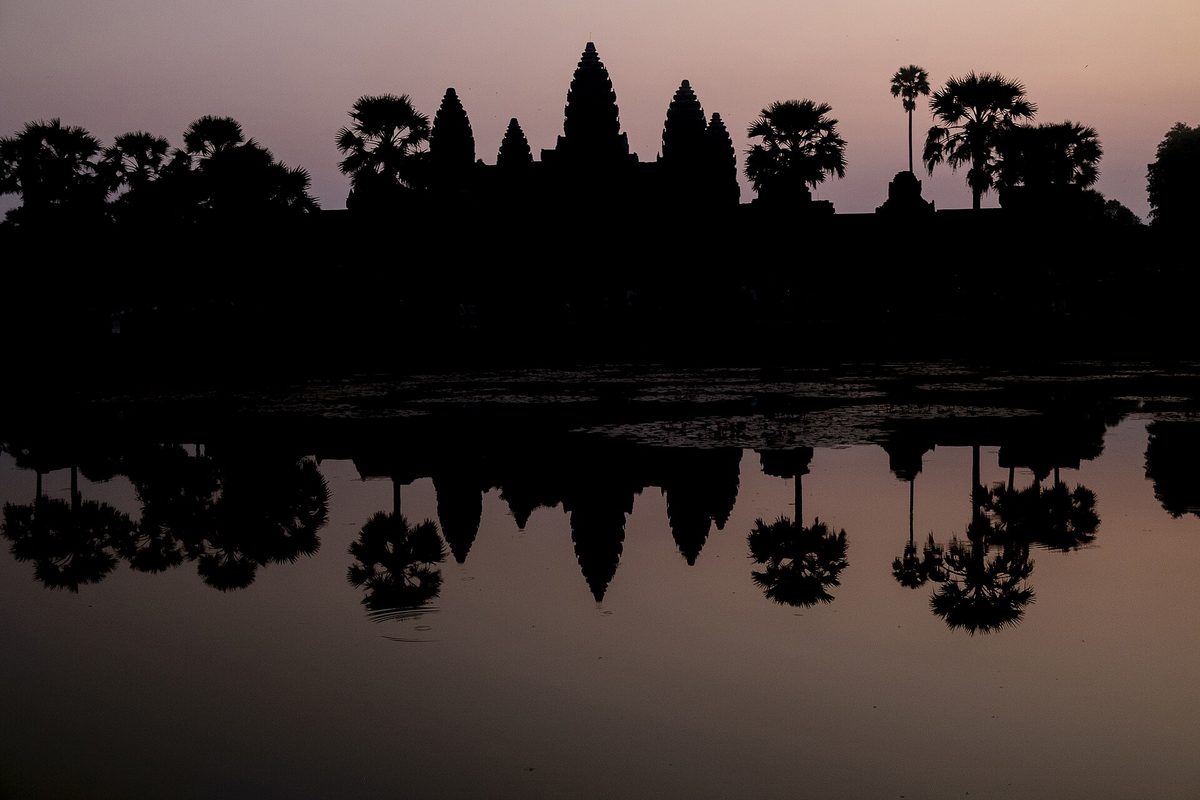
The Angkor Wat Debate: Is the 4 AM Wake-Up Call Worth It?
Every traveler in Siem Reap faces the same choice. You have heard the stories about thousands of people huddled in the dark, the rush for a spot by the reflecting pond, and the exhaustion of a 4 AM alarm. But you have also seen the photos. The silhouette of the five towers against a purple and orange sky is one of the most famous images in travel.
Whether Angkor Wat sunrise is worth it depends on your expectations, your tolerance for crowds, and your logistics. For some, it is a spiritual experience; for others, it is just chaotic crowd management. This guide skips the travel blog fluff to give you the logistical reality of the morning.
The Reality of the 4 AM Wake-Up
To see if the experience is worth it, you have to look at the timeline. A 4 AM wake-up is a requirement if you want a decent position. Most hotels in Siem Reap provide wake-up calls and early breakfast boxes. By 4:30 AM, you will likely be in a tuk-tuk heading toward the Angkor Archaeological Park.
The atmosphere in the tuk-tuk is usually a mix of sleepiness and anticipation. You will see hundreds of other tuk-tuks heading the same way, which is the first sign that you are not alone. By the time you reach the ticket counter, the energy shifts to a sense of urgency.
The Logistics: Timing and Entry
Many travelers make the mistake of not planning their entry. If you do not have your Angkor Pass already, you will fight crowds at the ticket office. We recommend buying your pass the day before so you can bypass the queues and head straight to the temple.
Once inside the park, the goal is to reach the bridge leading to the main temple. The walk to the reflecting pond is short but often a crowded shuffle. If you arrive by 5:15 AM, you are in a good position. If you arrive at 5:45 AM, you will likely be standing several rows back, viewing the sunrise over other tourists.
The Best Spot for Angkor Wat Sunrise
The reflecting pond on the left side of the main causeway is the standard choice. This is where you get the mirror image of the temple in the water, but it is also the most crowded area.
If you want something different, consider these alternatives:
- The Right Pond: Often slightly less crowded than the left.
- The Main Causeway: Provides a better sense of scale as you look toward the towers.
- Inside the Outer Gallery: Some photographers move inside the temple walls to capture the light hitting the stone carvings.
Regardless of where you stand, be patient. The light does not just turn on. There is a long period of twilight where the sky shifts from deep navy to indigo, then to pink and gold. This transition is the best part.
The Crowds: Managing the Chaos
The crowds at Angkor Wat are intense. During peak season, it can feel like a music festival. You will see hundreds of tripods, flashing phone screens, and people jostling for an angle.
To manage this, use a strategy. Do not get discouraged by the numbers. Once the sun clears the horizon, many people immediately leave the pond to beat the lines for temple entry. This is your window. While others rush, take a moment to appreciate the silence that returns to the area.
The Photography Perspective
For those focused on photography, the 4 AM wake-up is non-negotiable. The light during the "blue hour" before the sun rises is essential for capturing the deep tones of the sky. For more technical advice, see our Angkor Wat Sunrise Photography guide.
Tips for the shot: - Use a tripod: Low light requires slower shutter speeds. - Focus on the silhouette: Let the sky provide the light. - Look for reflections: Get your camera low to the water at the ponds. - Be ready for the glow: The moment the sun hits the central spire is brief.
The "After-Sunrise" Strategy: The Pro Move
This is where most tourists fail. They watch the sunrise and then join the massive queue to enter the temple, which can take two hours.
Instead, use the "Reverse Strategy." After the sun is up, leave the pond and head to a different, smaller temple while the main crowd is stuck in the entrance line. Return to the interior of Angkor Wat later in the morning or early afternoon when the crowds have thinned. This turns a stressful morning into a better day of exploration. You can find more ideas for these pivots in our guide to alternative temples in Angkor.
Comparing the Experience: Sunrise vs. Sunset
Many people ask if they should skip the sunrise for the sunset. Here is the breakdown:
Sunrise is about the icon and that specific, world-famous image. It is high-energy and crowded, but high-reward.
Sunset is about the atmosphere. It is generally quieter, the light is warmer, and there is less pressure to be there at exactly 5:30 AM. However, you do not get the same dramatic silhouette effect. If you enjoy this time of day, check out our tips for hunting atmospheric sunsets.
If you only have time for one, the sunrise is the definitive Angkor experience, provided you can handle the early start.
Essential Siem Reap Sunrise Tips
Keep these practical tips in mind: - Dress in layers: The early morning can be chilly, but the Cambodian heat is intense by 8 AM. - Bring a headlamp: Walking through the park in the dark is tricky. A small light helps you navigate. - Hydrate early: Drink water before you leave your hotel to make the early wake-up easier. - Coordinate with your driver: Ensure your tuk-tuk driver knows where to drop you and where to meet you later.
Is it Actually Worth It? The Verdict
So, is Angkor Wat sunrise worth it?
If you are a photography enthusiast, a bucket-list traveler, or someone who wants to see a global landmark at its most dramatic, then yes. The visual payoff is immense. Seeing the sun rise behind those ancient spires is a moment of genuine awe.
If you hate early mornings, cannot stand crowds, or prefer a quiet, meditative experience, you might find it frustrating. In that case, visit the temple at 8 AM or opt for a sunset view.
For most visitors, the effort is worth the reward. The 4 AM wake-up is a small price for a lasting memory. The key is having a plan to manage the crowds and the timing.
A Detailed Timeline for Your Sunrise Visit
Here is a breakdown of a successful sunrise mission: - 04:00 AM: Wake up and grab your breakfast box. - 04:30 AM: Depart hotel via tuk-tuk. - 05:00 AM: Arrive at the Angkor Archaeological Park entrance. - 05:15 AM: Reach the reflecting pond (Left side) and secure your spot. - 05:30 AM - 06:00 AM: Watch the sky change from navy to gold. - 06:15 AM: The sun clears the towers. This is the peak photography moment. - 06:30 AM: The Pivot. Instead of joining the entry queue, head to your tuk-tuk or a nearby smaller temple. - 08:00 AM: Enjoy breakfast back at the hotel or a local cafe. - 10:00 AM: Re-enter Angkor Wat when the initial rush has dissipated.
Common Myths About the Sunrise
There are several misconceptions that can lead to a bad experience.
Myth 1: "If I arrive at 5 AM, I will be first." Reality: Thousands of people arrive at 5 AM. For a front-row spot at the pond, you need to be moving toward the temple by 4:45 AM.
Myth 2: "The sunrise is only visible from the pond." Reality: You can see the sun rise from many points, but the pond provides the reflection for the iconic photo. If you do not care about the photo, you have more flexibility.
Myth 3: "It is too crowded to enjoy." Reality: It is crowded, but the scale of Angkor Wat is massive. Once you move a few hundred yards away from the reflecting pond, the crowds thin out.
The Impact of Seasonality on Your Experience
Your experience will vary depending on when you visit.
During the Dry Season (November to February), the skies are generally clear, making for a reliable sunrise. However, this is peak tourist season, so crowds are at their maximum. You will need to be more disciplined with your 4 AM wake-up call.
During the Rainy Season (June to October), the crowds are thinner and the reflecting ponds are often fuller, which can improve the mirror effect. The risk is cloud cover, which can remove the dramatic colors.
Preparing Your Gear
Preparation is key regardless of your equipment.
For smartphone users: Use "Night Mode" or a long exposure app for low light. Ensure your lens is clean, as jungle humidity can create moisture on the glass.
For DSLR users: Bring a wide-angle lens to capture the scale of the temple and the sky. A tripod is essential for blue hour shots.
The Spiritual Side of the Sunrise
Beyond the photos, there is a spiritual element to the Angkor Wat sunrise. The temple was designed as a representation of Mount Meru, the home of the gods in Hindu mythology. During the spring and autumn equinoxes, the sun rises exactly over the central tower.
Even if you are not visiting during an equinox, there is something profound about seeing the light return to a place that has stood for nearly a thousand years. When you stop looking through the viewfinder and just look at the stone, you feel the weight of history. This is what makes the early start worth it.
Navigating the Park: Beyond the Sunrise
Once the sunrise is over, your day is just beginning. The Angkor Archaeological Park is vast, and Angkor Wat is only one part of it. To avoid burnout, do not try to see everything in one day.
We recommend a three-temple limit for your first day:
- Angkor Wat: The main event.
- Bayon: Known for the giant stone faces.
- Ta Prohm: The temple where trees grow through the ruins.
By spacing these out, you maintain your energy and avoid the temple fatigue that often hits travelers by noon.
Final Thoughts on the 4 AM Wake-Up
Travel is often about trade-offs. In this case, you trade a few hours of sleep for a visual experience that is often the highlight of a trip to Southeast Asia. If you are planning a broader trip, check out our Budget Southeast Asia Travel guide.
Is it chaotic? Yes. Is it crowded? Absolutely. But is it worth it? For most, the answer is yes. The image of the sun rising over Angkor Wat is evidence of human ambition and architectural genius.
To ensure your experience is a success, get your pass early, arrive by 5:15 AM, and use the reverse strategy to avoid the entry queues. These steps can turn a stressful morning into a memorable moment of your journey through Cambodia.
Summary Checklist for Your Visit
Use this final checklist to make sure you do not miss anything: - [ ] Angkor Pass purchased the day before. - [ ] Hotel wake-up call set for 4:00 AM. - [ ] Breakfast box confirmed with the hotel. - [ ] Tuk-tuk driver confirmed and ready. - [ ] Camera batteries charged and memory cards empty. - [ ] Warm layer of clothing for the early morning. - [ ] Water bottle and headlamp packed. - [ ] Reverse strategy planned for post-sunrise exploration.
By following this plan, you can confidently decide if the Angkor Wat sunrise is worth it and get a stunning photo for your gallery.
Official sources
Details worth verifying before you go — checked against:

Travel Writer & Editor
Emily Johnson writes and edits Do Travel Blog. Every guide on the site starts the same way: with a question she actually had while planning — when to book, which pass to buy, how to get from A to B without overpaying. Where a number matters, she cites the source: park tickets link to the park's own fee page, visa rules to the official consulate, ferry times to the operator. Prices get re-checked against those pages before each update, and a guide is re-dated when its numbers move. Nothing here is sponsored — she doesn't accept payment for coverage. Spotted something stale or wrong? Email hello@dotravel.blog and she'll fix it.