Best Kilimanjaro Routes: How to Choose Your Path
Compare the best Kilimanjaro routes including Machame vs Lemosho, with difficulty, scenery, and success rate analysis to choose your path.
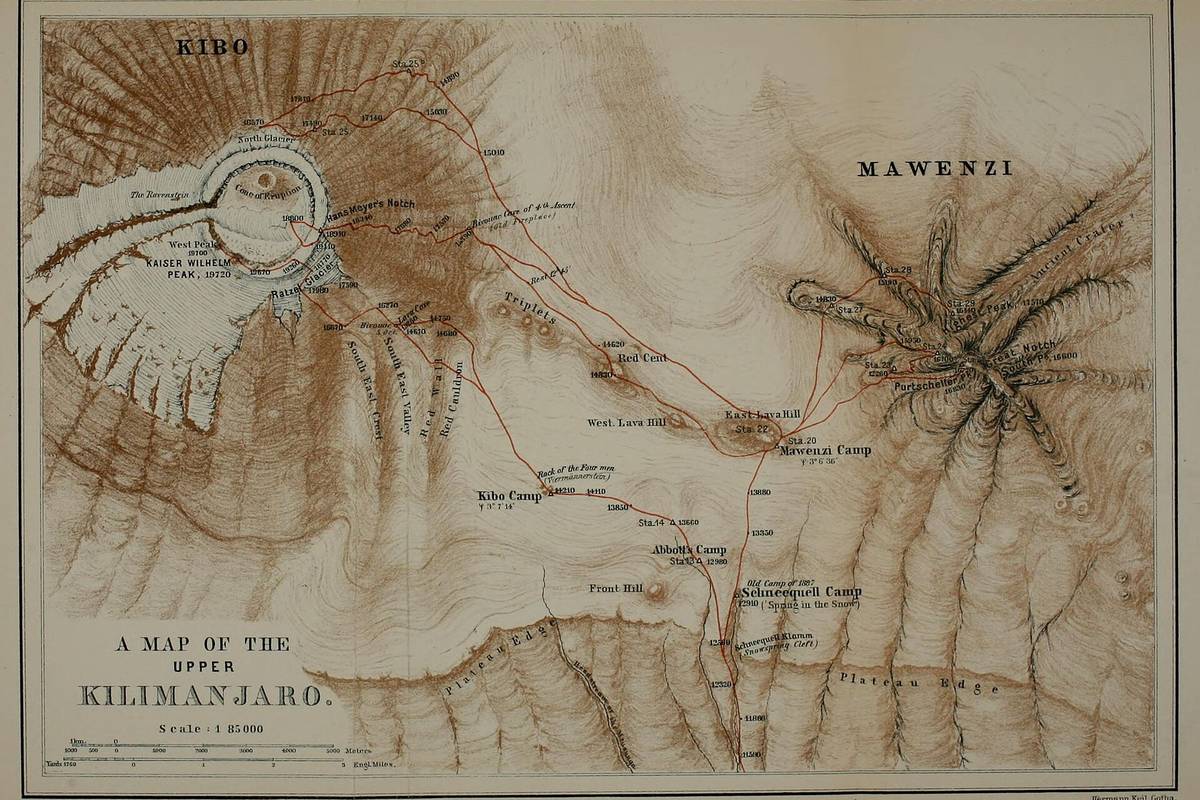
Kilimanjaro Routes and What You Want from the Climb
Climbing to Uhuru Peak at 5,895 meters takes about a week and passes through five climate zones. The sunrise over the plains after the final push makes the effort feel worth it. Tanzania's mountain has several trails, and which one you pick changes both the trip and your chance of reaching the top. Each route balances difficulty, scenery, and how many people use it. A poor match can lead to altitude sickness or missed photo stops. The choice should fit a climber's fitness, time, and taste for remote wilderness. This review looks at four main ascents to help match a route to a goal. It covers the Machame and Lemosho routes on the western side, the busy hut-based Marangu route, and the quieter Rongai route from the north. For each, the notes include slope, changes in vegetation, and Kilimanjaro success rate figures from 2023 operator reports. The 2023 data shows Lemosho's 8-day itinerary succeeds 92% of the time, while Marangu's standard 5-day sits near 70%. Machame and Lemosho come up most in planning because both let you acclimatize well but differ in length and price. Trekkers can use these points to pick a path that fits their limit and budget.
Machame Route
Machame Distance and Where You Camp
The Machame Route is one of the Kilimanjaro routes that balances distance and altitude gain. The trail is 62 km from gate to summit on a standard 6-7 day itinerary. Trekkers walk this distance across several camps, which spreads the effort out and lets them make steady progress. Marangu uses huts and compresses the climb into fewer stages, while Machame uses designated camp sites that gain elevation gradually.
The first night is at Machame Camp, about 3,000 meters after a 10 km day from the park gate. On day two the path climbs to Shira Camp near 3,840 meters and crosses the Shira Plateau. The third day follows the climb-high-sleep-low principle: hikers go up toward Lava Tower at 4,600 meters, then drop to Barranco Camp at 3,960 meters for the night. This acclimatization pattern is a main reason many trekkers rate Machame as a strong choice for the best Kilimanjaro route. Karanga Camp at 3,995 meters is a short stop on day four, then Barafu Camp at 4,673 meters is the launch point for the summit push.
Machame and Lemosho share similar camp sites and trail length, but Lemosho starts higher and adds a remote western approach. The Machame sleep-low schedule shows higher success figures, often around 85% on 7-day plans versus lower numbers on the shorter Rongai. The route is moderately to highly difficult because of steep parts like the Barranco Wall, but the distance and camp spacing work for trekkers who want scenic variety and time to adjust.
These camp sites need advance booking through licensed operators because the national park limits daily entries. A six-night schedule keeps daily hiking under six hours, a pacing tactic that fits slow-travel principles of steady progression over speed.
Machame Difficulty and Views
The Machame route is one of the harder Kilimanjaro paths, but it pays off in scenery and summit odds. The climb goes from moderate to strenuous, rising from 1,800 meters at the gate to 4,680 meters at Barranco Camp on day three. Most trekkers take six or seven days, which gives the body time to adjust and improves the chance of reaching the top. Machame is often picked as the best route for photography because the landscape changes so much. The first days pass through dense rainforest on the southern slope, with blue monkeys and fern overhead. Day two opens into heather moorland and views across the Shira Plateau. That shift from forest to moorland is what sets Machame apart from the drier Rongai and Marangu approaches. The trail gets crowded, particularly at Barranco and Karanga camps from July to September. Lemosho starts quieter but joins the same path at Lava Tower. Marangu uses huts instead of tents, though Machame's campsites still fill fast. Permits must be booked months early because the park limits daily entries. A 2023 outfitter survey found a 7-day Machame climb reached the summit about 85% of the time, against lower rates on the shorter hut route. Picking a Kilimanjaro route comes down to weighing the views, the effort, and the number of people on the trail.
Lemosho Route
Lemosho Distance and Acclimatization Plan
The Lemosho route covers about 70 kilometers from the western Londorossi Gate to the Uhuru Peak descent, usually over 7 to 8 days of trekking. That distance makes it one of the longest major Kilimanjaro routes, and the extra time gives climbers a better acclimatization profile than shorter options. Marangu compresses the climb and Rongai approaches from the north, but Lemosho walks in slowly from the west and gains height step by step. Most plans start at Londorossi (2,100 meters) and take a short walk to Mti Mkubwa camp (2,650 meters) in the rainforest. Day two reaches the Shira Plateau, with camps at Shira 1 (3,500 meters) or Shira 2 (3,850 meters) looking out at Kibo. The trail then crosses moorland to Barranco camp (3,900 meters) by way of the Lava Tower climb, which pushes the body to adapt before the summit. Guides often call Lemosho the best acclimatization on the mountain because the added days let hematocrit and breathing settle. Machame and Lemosho share the Barranco wall and southern circuit, but Lemosho spends one more full day on the mountain. Operator data from 2023 puts 8-day Lemosho summit success above 92 percent, against 85 percent on 7-day Machame and 65 percent on 5-day Marangu. The route is moderately hard with no technical climbing, though the long days require good fitness. For travelers who want safety and scenery, many guides recommend Lemosho as the best Kilimanjaro route for first-time high-altitude trekkers. The 70 km trail, the spaced camps at Londorossi, Mti Mkubwa, Shira, and Barranco, and the steady climb explain why it is overtaking the northern route for those with 8 days free.
Lemosho Views and How Busy It Gets
The Lemosho route is one of the most scenic Kilimanjaro routes because it approaches from the west across the remote Shira Plateau. Trekkers start at Londorossi Gate at 2,100 meters and spend the first two days crossing heath and moorland with wide views of the Western Breach walls and the Shira Cathedral rock formation. That early isolation suits climbers who want a slow travel style with few other people on the trail.
Crowds stay small on Lemosho at first because only a limited number of permits are issued for the western ascent. Around day three or four the trail meets the busier Machame route near Barranco Camp and the atmosphere gets more social. The Machame vs Lemosho comparison comes down to this: Lemosho is quiet at the start, then shares the final climb with Machame groups.
Lemosho takes seven to eight days, which raises the odds of reaching the top. Operators report that an 8-day Lemosho climb reaches the summit about 95 percent of the time, against roughly 60 percent on the 5-day Marangu climb and a lower figure on the 6-day Rongai. The route is moderately difficult, but the longer acclimatization schedule lowers the risk of altitude sickness. For travelers choosing the best Kilimanjaro route, Lemosho's western views, early quiet, and high success rate make it a practical pick.
Marangu Route
Marangu Distance and Hut Stays
The Marangu route differs from most Kilimanjaro routes because it is the only major path where trekkers sleep in dormitory huts instead of tents. The trail covers 64 km round trip, which makes it the shortest of the standard ascents, but the daily distances are still demanding. The Machame vs Lemosho debate usually assumes camping under canvas, while Marangu gives trekkers wooden A-frame huts with bunk beds at fixed points on the mountain. Those points are Mandara Hut at 2,700 meters, Horombo Hut at 3,720 meters, and Kibo Hut at 4,700 meters. Each replaces the camp sites used by other routes, including the tent pitches on the northern approach. The huts have communal dining halls and protect climbers from rain, which matters in the April rains when tent camping gets unpleasant. Marangu is often seen as easy because the early sections are gentle, but the 5-day itinerary leaves little time to acclimatize. Summit data from 2022 shows about 60% of Marangu climbers reach Uhuru Peak, while over 80% do on longer camping routes. Hut comfort costs time to adjust to altitude. Travelers picking the best Kilimanjaro route find the hut stays make for a slower and more social trek, though permits are required in advance since each hut has limited bunks. Budget planners point out that hut fees are included in standard packages, so climbers do not need their own camping gear.
Marangu Difficulty and Summit Success
The Marangu route gets its Coca-Cola nickname from the relative comfort of shared hut accommodations and a well-trodden path, yet this familiarity hides a structural weakness in altitude preparation. Most climbers attempt the mountain on a compressed 5-6 day itinerary, the shortest among the major Kilimanjaro routes. That schedule allocates only three nights above 3,000 meters before the summit bid, a window too tight for many bodies to acclimatize. Gradual ascent is the single biggest predictor of safe summiting, and Marangu's rushed profile works against that principle. Operator reports show the trade-off in hard numbers: the 5-day Marangu itinerary succeeds just over half the time, while the 6-day version improves to about 70 percent. Those figures sit well below the 85-90 percent typical on longer programs. When travelers research the best Kilimanjaro route, the Machame vs Lemosho debate usually highlights both paths delivering stronger summit rates thanks to built-in acclimatization days. Marangu therefore carries a paradox: famous yet less reliable. Route difficulty on Marangu is moderate, with no technical climbing and a wide vehicular-access road for part of the lower trail. The real test is the summit day. From Kibo Hut at 4,700 meters, climbers face a 6 kilometer ascent to Uhuru Peak followed by a 6 kilometer descent, a 12 to 14 hour effort. That extended push, combined with prior nights at thin air, explains many failures. For budget-conscious planners, Rongai or Marangu may appear cost-effective, but the lower success rate can mean paying for a second attempt. The Rongai route, north-approaching, shares moderate route difficulty but spreads ascent over 6-7 days, lifting its success into the seventies. Route difficulty alone does not determine outcome; acclimatization does. Among available options, the Marangu route serves those with tight schedules, not those optimizing safety.
Rongai Route
Rongai Distance and Camps
The Rongai route starts near the Kenya border on the mountain's north side, which sets it apart from the usual Machame vs Lemosho debate. It often comes up when people discuss the best Kilimanjaro route because of that northern approach. The trail runs 65 km from base to summit, a long distance among Kilimanjaro routes but with a calm, gradual climb. Unlike the busy western corridors, Rongai begins on a remote forested ridge and keeps a steady incline, so trekkers avoid the steep early pushes found on other tracks. The standard plan spreads the distance across six ascent days and one descent, using fixed camps that break the mountain into manageable stages. Simba Camp at 2,600 meters is the first overnight stop and gives a gentle altitude introduction. Higher up, Kikelewa Camp at 3,600 meters sits below the moorland zone, and Mawenzi Tarn Camp at 4,330 meters lies beside an alpine lake under the Mawenzi peaks. These camps fit the route's gradual ascent and let the body adjust without sudden gains. Rongai is a moderate difficulty, and its measured distance with soft gradient helps produce summit success near 80 percent for seven-day treks, against lower numbers on Marangu's steeper profile. Slow travel planners point out that this northern approach rewards patience with quiet trails and clear views of the Kenyan plains.
Rongai Difficulty and Crowds
The Rongai route remains the quietest of the main Kilimanjaro routes, drawing roughly 8% of annual climbers compared with Machame's 45% and the Marangu's 18% according to 2023 Kilimanjaro National Park statistics. Approaching from the northern wilderness near the Kenya border, this path offers low crowd levels even in peak season. Trekkers often report encountering fewer than a dozen other groups on the first three days, a stark contrast to the busy Machame and Lemosho corridors on the mountain's western flank. For travelers prioritizing solitude without sacrificing summit chances, Rongai is a practical choice. Route difficulty on Rongai is graded easy to moderate. The trail gains elevation gradually, with daily ascents averaging 600 to 800 meters before the final push to Uhuru Peak at 5,895 meters. A standard 6-day itinerary records a success rate near 72%, while the 7-day variation climbs to 85% as documented by tour operators in 2022. Unlike the steep Barranco Wall on Machame, Rongai's terrain stays forgiving, making it suitable for first-time hikers with solid fitness. The northern approach is often the best Kilimanjaro route for a calm ascent when weather permits. This balance of difficulty is why many operators recommend Rongai for older hikers. Despite its unique northern start, the descent follows the same Mweka route used by Lemosho and Machame parties. All climbers exit via the Mweka Gate on the south side, meaning porter logistics and exit transfers match other circuits. This shared descent simplifies post-summit planning for those comparing Kilimanjaro routes. Practical trip planners value the predictable exit, since it fits the slower, measured pace that defines a successful summit attempt.
Machame vs Lemosho: Picking Your Kilimanjaro Route
Acclimatization and Success Rates Side by Side
When comparing Kilimanjaro routes, the Machame vs Lemosho decision often comes down to acclimatization and verified summit statistics. On a standard 6 day Machame itinerary, the Kilimanjaro success rate sits around 85 percent according to 2023 operator data, while the 7 day Lemosho route records 92 percent and the 8 day version reaches 96 percent. For context, Marangu averages just 70 percent and Rongai slightly higher, which is why many guides recommend Lemosho for first timers who can spare the time.
Lemosho earns its edge through length. The trail spends two full days on the Shira Plateau and follows the climb high sleep low principle via Lava Tower at 4,630 meters before dropping to Barranco. That extra day versus the Machame schedule allows the body to produce more red blood cells and reduces acute mountain sickness risk. Machame compresses the same altitude gain into fewer nights, which makes it harder for travelers arriving from sea level without pre acclimatization hikes.
Summit day differences are subtle because both routes join at Barafu Camp. From there, climbers start at midnight and take 6 to 8 hours to reach Uhuru Peak at 5,895 meters. The distinction is preparation: Lemosho trekkers reach Barafu after a relaxed karanga acclimatization day, while Machame groups often arrive more tired from a longer previous day. The descent via Mweka is identical for both.
Choosing between these Kilimanjaro routes should weigh schedule against safety. A 7 day Lemosho gives the highest return for moderate extra cost, whereas a 6 day Machame remains a solid budget pick with slightly lower odds.
Views and Crowds on Each Route
Picking a Kilimanjaro route usually means choosing between Lemosho and Machame. Lemosho is the quieter and more scenic of the two, beginning at Londorossi Gate on the western slope. Its early days cross the Shira Plateau with open views and almost no other hikers. Machame is crowded from day one, and the crowds run on a calendar: the dry windows of June to September and January to February pull the heaviest traffic, with July and August alone accounting for more than 40 percent of the year's climbers in 2024. The April and May long rains empty the trails, and shoulder months like June and November are the compromise if your dates flex. Money and permits set them further apart. Lemosho requires a longer drive and one extra day on the mountain, which pushes guide and camp fees about 15 to 20 percent higher than Machame. The Kilimanjaro National Park Authority charges the same park fees for both, but rescue insurance and crew wages rise with trip length. A 7 day Machame trek runs about 2,100 USD in permits and services, while an 8 day Lemosho plan often reaches 2,600 USD. The right choice depends on what a traveler values. Machame and Lemosho differ in feel, not in standard. Lemosho fits people who want solitude and landscape. Climbers looking at the Marangu or Rongai for something different may lean Machame. Difficulty and success odds are similar, with both above 85 percent summit rates on schedules of 7 or more days.
Route Rankings and the Summit Push
Difficulty and Success Rates Across All Routes
Evaluating Kilimanjaro routes takes a clear look at difficulty and how each path treats climbers. On a practical 1 to 10 scale, Marangu ranks 5 for terrain but suffers from a short profile, while Rongai sits at 4 due to its gentle northern approach. The Machame route, often central in any Machame vs Lemosho debate, scores 7 because of steeper sections on the Barranco Wall. Lemosho earns a 6, with a longer and more gradual ascent that suits slow travel principles. Picking the best Kilimanjaro route means balancing these grades with time on the mountain. Kilimanjaro success rate climbs with itinerary length — that is the pattern that outweighs every other route difference. The 5-day Marangu format succeeds least often, and the 7-day Machame and 8-day Lemosho itineraries succeed most often. Park records from 2023 show a 5-day Marangu attempt succeeds just over half the time. A 6-day Machame trip reaches 76 percent, and a 7-day Lemosho itinerary hits 85 percent. The Rongai route at 6 days delivers about 70 percent. Extending Lemosho to 8 days pushes success to 90 percent, which shows extra acclimatization days matter more than route difficulty. Crowd levels shape the feel of each trail but do not change the numbers. Machame and Marangu see over 40 percent of annual climbers combined, so camps get busy. Lemosho and Rongai stay quieter, with fewer than 15 percent of trekkers on each. The quieter paths improve the personal experience, yet their success rates follow length, not solitude. A crowded summit push feels different, but the outcome depends on preparation. Good summit day prep starts with pacing the final ascent from Barafu or Kibo. Climbers should practice walking with headlamps for 6 to 8 hours on frozen scree. Budget planning for proper gear like -10C sleeping bags is part of the slow travel mindset. Whether on Machame vs Lemosho, the same prep rules apply across all Kilimanjaro routes.
Summit Day on Each Route
Summit day on the major ascent routes starts from high camps that vary by path. Climbers on Machame and Lemosho leave Barafu Hut at 4,600 meters, while those on Marangu and Rongai start from Kibo Hut at 4,700 meters. The distance to Uhuru Peak at 5,895 meters is similar across options: about 7 kilometers from Barafu and 6 from Kibo. The climb to Uhuru Peak takes 6 to 8 hours of night climbing on every route. The Kilimanjaro success rate depends less on the summit push than on the acclimatization profile before it. Eight-day Lemosho treks report near 90 percent success, and seven-day Machame around 85 percent. Marangu lags near 70 percent on its five-day format because altitude adjustment is poor. Route difficulty plays a role, but the gradual ascent of Lemosho gives it a safety edge over Machame for most climbers. Longer acclimatization consistently improves odds, so prioritize verified success statistics over promotional claims. Among the best Kilimanjaro route choices, Lemosho leads with high summit rates and remote scenery. Machame balances cost and challenge, Marangu fits tight budgets with lower probability, and Rongai offers a dry-side path with solid success rates. Match your fitness and schedule to a route's altitude curve for the safest summit bid.
Planning Your Kilimanjaro Climb
The route comparisons above show the trade-offs between Kilimanjaro routes for climbers planning a trip. The Machame vs Lemosho choice comes up most because both have good scenery but differ in how busy they are and how long you have to adjust to altitude. Lemosho takes a longer approach across the Shira plateau and tends to produce a higher Kilimanjaro success rate. Machame fits big views into a shorter, cheaper schedule. The Marangu route is the only one with hut accommodation, but its shorter profile makes it harder for people who are not ready for fast altitude gain. The Rongai route works for trekkers who want solitude on the dry north side. The best Kilimanjaro route depends on your schedule, budget, and past altitude experience. First-time climbers who care most about reaching the summit should pick the 8-day Lemosho itinerary, which most consider the safest camping option. Hikers on a budget with good fitness often take the 7-day Machame route for its cost and views. People who want a bed each night and can handle a tougher climb can book Marangu. Solo travelers after quiet trails may like Rongai. Tanzanian law requires every climb to go through a licensed operator registered with Kilimanjaro National Park. Check guide certification and group size before you pay. Contact a licensed operator with your target month and experience level. Permits are capped at 100 per day on busy paths, so early contact gets your preferred dates. Reach out this week to start booking.
Official sources
Details worth verifying before you go — checked against:
Travel Writer & Editor
Emily Johnson writes and edits Do Travel Blog. Every guide on the site starts the same way: with a question she actually had while planning — when to book, which pass to buy, how to get from A to B without overpaying. Where a number matters, she cites the source: park tickets link to the park's own fee page, visa rules to the official consulate, ferry times to the operator. Prices get re-checked against those pages before each update, and a guide is re-dated when its numbers move. Nothing here is sponsored — she doesn't accept payment for coverage. Spotted something stale or wrong? Email hello@dotravel.blog and she'll fix it.