The Complete Guide to Climbing Mount Kilimanjaro
The ultimate Kilimanjaro guide with routes, permits, altitude acclimatization, and essential tips to climb Mount Kilimanjaro and summit Uhuru Peak.
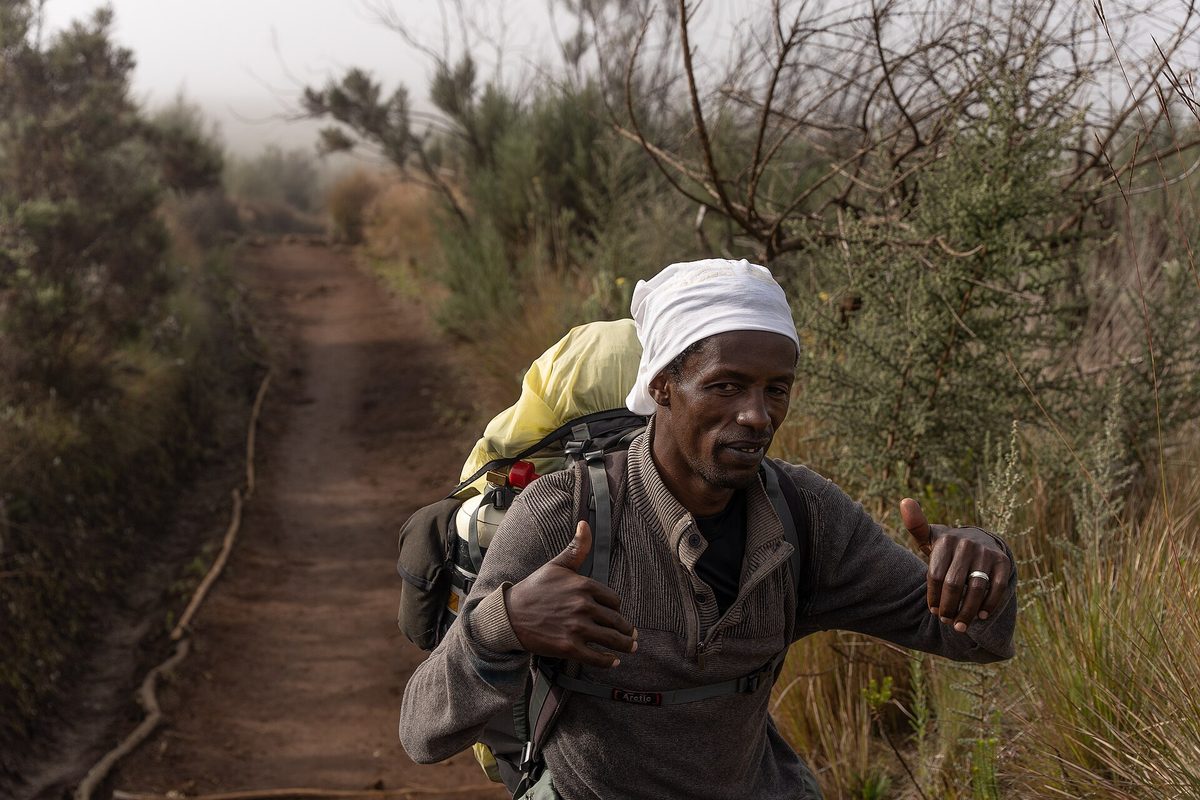
Planning Your Kilimanjaro Trek
Mount Kilimanjaro rises 5,895 meters above sea level, making it Africa's highest peak and the world's tallest free-standing mountain. Its slopes pass through five climate zones, from cultivated farmland to glacial summit, which gives a Kilimanjaro trekking adventure a distinct appeal: hikers can walk from equatorial jungle to arctic ice without ropes or technical gear. Each year roughly 35,000 trekkers attempt the climb, drawn by the chance to stand on Uhuru Peak, the continent's highest point. This Kilimanjaro guide lays out what a prospective summiter needs before departure. The scope covers the major routes, including the 7-day Lemosho and 6-day Machame paths, alongside the permit system run by Kilimanjaro National Park. Readers will find clear explanations of Kilimanjaro permits, which cost between $70 and $100 per day depending on route and season, and must be arranged through registered Kilimanjaro tour operators. The guide also details altitude acclimatization strategies, such as the climb-high-sleep-low method, and shares practical tips on gear, fitness, and budgeting. Those planning to climb Mount Kilimanjaro should set realistic expectations early. Most operators require bookings 6 to 9 months in advance, especially for the dry seasons of January to February and June to October. Total trip costs typically range from $2,000 for basic group treks to $6,000 for premium private expeditions, excluding international flights. What to expect on Kilimanjaro includes cold nights above 4,000 meters, unpredictable precipitation, and a success rate below 65% on shorter itineraries. Thorough preparation makes the mountain a manageable goal.
Kilimanjaro Routes
How to Pick a Route Up Mount Kilimanjaro
When planning a Kilimanjaro climb for first-time trekkers, the choice of route determines both difficulty and summit odds. The mountain offers seven official paths, but five see most traffic. One recommendation up front, whatever the route: take a 7 or 8 day itinerary. The extra acclimatization days are the cheapest way to buy summit odds on any path. The four routes below — Marangu, Machame, Lemosho, and Rongai — cover the realistic choices.
Marangu Route: The Coca-Cola Trail
The Marangu Route is the only path with hut accommodation during Kilimanjaro trekking, which gave it the Coca-Cola Trail nickname. A Kilimanjaro guide leads groups through Kilimanjaro National Park in Tanzania starting from Marangu town at 1,860 meters. It draws trekkers who want a solid roof for the night. The huts are shared A-frame buildings at Mandara, Horombo, and Kibo huts. Each has bunk beds with thin foam pads, and the communal dining halls serve hot meals. This arrangement shapes what first-time summit hopefuls can expect when they book through an operator. Success rates on Marangu are modest. The standard five-day itinerary has about a 50 percent summit success rate, mostly because the fast gain limits acclimatization. A six-day version reaches roughly 65 percent by adding a rest day at Horombo. Kilimanjaro permits are arranged by operators and include park fees of around 70 USD per day in 2024. The scenery moves from rainforest at the base to heather moorland on the slopes and barren alpine desert near the top. Since the ascent and descent use the same track, the views are less varied than on Lemosho or Machame, but the Coca-Cola Trail is still a common pick for first-time trekkers.
Machame Route: The Whiskey Trail
The Machame Route, called the Whiskey Trail by regulars, is the most popular profile for visitors planning the climb. In 2024, park records show 46 percent of trekkers chose this 62 kilometer path from Machame Gate at 1,800 meters to Uhuru Peak at 5,895 meters. Reputable operators typically sell six or seven day itineraries, with the longer format favored by seasoned operators for its safety margin. The route's defining feature is a deliberately longer ascent for better acclimatization. On day three, hikers follow the climb high, sleep low method: they rise from Shira Plateau at 3,840 meters to Lava Tower at 4,630 meters, then descend to Barranco Camp at 3,960 meters. This exposure drives physiological adaptation. According to 2023 Kilimanjaro National Park data, seven day Machame trekkers reached the summit 85 percent of the time, versus 65 percent on six day trips. Travelers researching what to expect Kilimanjaro will note the trail passes rainforest, heath, and alpine desert before the final arctic push. Kilimanjaro permits are mandatory for all trekkers and must be secured through licensed operators, as independent climbs have been banned since 1991. For 2025, fees run $70 per day conservation, $20 rescue, and $2 community levy, putting a seven day Machame permit near $644 per person. A slow travel planner budgets $2,000 to $3,500 total with operator fees, gear, and tips. This scenic option remains a core recommendation in any complete plan. The extra days buy altitude acclimatization that converts a grueling climb into a measured ascent. Those who take Machame gain the Barranco Wall scramble and broad views from Kosovo Camp that define the Whiskey Trail. None of that covers the international flights, so I compare dates on a cheap-flight search before paying an operator deposit — shifting the trek by a couple of weeks usually frees up more money than any gear compromise.
Lemosho Route: Quiet and Scenic
The Lemosho Route is the quietest and most scenic path up Mount Kilimanjaro in most climb guides. The trail starts at the remote Londorossi Gate on the mountain's western side and moves through intact rainforest before reaching the open Shira Plateau. Hikers who want solitude and a slow start at high elevation choose Lemosho for their Kilimanjaro trekking trip.
During the first two days inside Kilimanjaro National Park, a protected area in Tanzania, seeing wildlife is common. Trekkers often see colobus monkeys and blue monkeys in the trees, and elephant herds and buffalo sometimes walk across the lower forest tracks. Park surveys show over 80 percent of the mountain's mammal species live below 3,000 meters, so Lemosho is one of the better places to watch animals before the terrain becomes alpine.
The route works well for altitude acclimatization because most plans take seven to eight days. The schedule uses the climb-high-sleep-low approach: hikers go up to Lava Tower at 4,630 meters on day four, then drop to Barranco Camp at 3,960 meters to sleep. The gradual gain raises summit success rates.
Kilimanjaro permits are required and cost about $70 per day in conservation fees plus a $50 rescue charge, usually handled by your operator. A Lemosho climb means small groups, clear trails, and wide views of the Shira cone. A licensed operator handles the planning so the summit attempt stays safe and scenic.
Rongai Route: The Northern Approach
The Rongai Route is the only established Kilimanjaro trekking path that starts on the Kenya side of the mountain. According to 2023 Kilimanjaro National Park permit records, fewer than 6 percent of the roughly 50,000 annual climbers choose it, so the trail to Uhuru Peak stays relatively empty. A typical Rongai expedition starts at Rongai Gate near Loitokitok, a border town reached by road from Nairobi in about four hours. The northern start moves through drier forests and open moorland rather than the humid southern routes. Kilimanjaro permits for the Rongai Route follow the standard park fee structure: a $70 per day conservation charge plus a $50 rescue fee, arranged in advance by licensed operators. Most itineraries run six or seven days, which helps altitude acclimatization by gaining modest elevation each day. The first camps sit at 2,600 meters and 3,450 meters, giving the body time to adjust before the higher slopes. What to expect Kilimanjaro trekkers on this side includes light foot traffic, regular colobus monkey sightings in the lower forest, and clear views of Mawenzi Peak from the third camp. A professional guide will note that the summit day joins the Marangu and other routes, but the approach stays quiet. For slow travel enthusiasts, the route rewards patience with empty trails and a steady pace toward the roof of Africa.
Permits and Rules for Kilimanjaro
Kilimanjaro Permit Costs and Types
Anyone who wants to climb Mount Kilimanjaro must get permits through a licensed Kilimanjaro tour operator. TANAPA runs the Kilimanjaro National Park and requires three permit types for foreign trekkers. The park entry permit, also called the conservation fee, is charged per day on the mountain. The rescue fee is a one time charge per trip that funds ranger evacuation. The accommodation permit comes as a camping permit for routes like Machame and Lemosho or a hut permit for the Marangu route. A registered guide must go with each group to validate permits at the gate.
TANAPA set the rates in effect during 2024. Entry fees are $70 per day in low season from November to April and $100 per day in high season from May to October for adults. The rescue fee is a flat $20 per person. Camping permits cost $50 per night and hut permits cost $60 per night. On a standard 7 day Machame climb, a trekker pays about $490 to $700 in entry fees, $350 for camping, and $20 for rescue, so mandatory park costs total between $860 and $1,070. Kilimanjaro trekking packages bundle these permits with crew wages and altitude acclimatization support. Children under 16 pay half the entry fee, which reduces family trip expenses.
Budget planners should note that permit costs are fixed while operator service tiers differ. A basic group climb starts near $2,000 total, and a private premium expedition with extra acclimatization days goes above $5,000. At Machame or Marangu Gate, rangers check printed permits before the ascent. A seasoned guide reviews the permit breakdown during a pre trek briefing. Knowing the permit types and exact costs helps travelers set a realistic budget and pick a route that fits their altitude acclimatization needs.
One caution on every figure above: TANAPA revises park fees each July, and the last schedule was frozen until mid-2025, so treat any printed rate as a planning number. Ask your operator to confirm current gate fees in writing before you pay a deposit.
Booking Through Kilimanjaro Tour Operators
Every traveler must book through a licensed outfitter, as the Kilimanjaro National Park Authority does not sell permits to independent hikers. A qualified guide leads each group, and the operator handles all Kilimanjaro permits, including the conservation fee of $70 per person per day in 2024 and the mandatory rescue fee of $20. Reputable Kilimanjaro tour operators such as Zara Tours and Tusker Trail have held Tanzania Tourist Board licenses for over two decades and manage logistics from meal planning to altitude acclimatization schedules.
Selecting a responsible partner requires checking concrete credentials. First, verify membership in the Kilimanjaro Porters Assistance Project (KPAP), which audits fair wage practices. Only 60 of the 200-plus registered operators met full compliance in 2023. Second, examine guide-to-client ratios: a safe Kilimanjaro trekking team keeps at least one certified guide for every two climbers above 4,000 meters. Third, ask what to expect on Kilimanjaro regarding acclimatization protocols. Ethical operators build rest days into the route, such as the Lemosho route's extra night at Barranco Camp (3,900 m), reducing altitude sickness rates from 30% to under 10% according to a 2022 expedition survey. Budget planners should note that a licensed seven-day package starts near $2,800 per person, with cheaper unlicensed offers risking permit invalidation.
Rules of the Tanzania National Park
TANAPA governs all activity on Kilimanjaro, and a licensed guide must accompany every group on the mountain. The minimum age for summit attempts is 10 years, and all trekkers must enter with permits arranged by licensed operators. The park enforces fixed itineraries. Camping is permitted only at designated sites, and veering off the approved trail corridor is prohibited. Rangers stationed at gates and high camps check paperwork and monitor altitude acclimatization progress. A climber showing severe AMS symptoms can be ordered to descend regardless of summit goals. Single-use plastic bags have been banned in Tanzania since 2019, so all Kilimanjaro trekking supplies must use reusable containers. Conservation is the main purpose of the park regulations. Kilimanjaro National Park is a UNESCO World Heritage Site, and its fragile alpine ecosystem demands strict leave-no-trace conduct. Trekkers must pack out every item they carry in, including toilet paper and food scraps. Human waste is handled through portable toilet systems provided by operators or designated pit latrines at camps. Campfires are forbidden above the forest zone. Only closed-fuel stoves may be used for cooking. Fines for littering can reach $500 per offense, and repeat violations can result in a climbing ban. The daily conservation fee, set at $70 per adult in 2024, directly funds trail maintenance and reforestation projects on the mountain's lower slopes. A responsible operator will outline the environmental rules during the pre-trek briefing. Groups are limited to a maximum of 15 clients per licensed operator to reduce erosion on busy routes like Machame and Marangu. Trekkers who follow these regulations help preserve the mountain and have a safe, structured ascent.
Acclimatization and Training
How Your Body Adjusts to Altitude
Trekkers need to understand how the body responds to the thin air near Uhuru Peak. At 5,895 meters above sea level, barometric pressure drops to about 50 percent of its value at the coast. Each breath then carries far less oxygen into the bloodstream. The first response is an automatic rise in breathing rate and heart output, but those changes cannot support hard effort for long. Over several days, the kidneys release erythropoietin, which stimulates red blood cell production, and muscle tissue learns to use oxygen more efficiently. A reliable guide service will note that these changes take time, so altitude acclimatization cannot be rushed.
Gradual ascent matters on every Kilimanjaro trekking itinerary because the mountain gains height fast for its latitude. Routes like the 7-day Machame or the 8-day Lemosho exist so the body can adjust.
Training Plan Before the Climb
A structured pre-climb fitness plan gives trekkers the best chance to summit Africa's highest peak safely. Most guides recommend starting a training program at least 12 weeks before departure, especially for those who have booked a standard 7 to 9 day route. The goal is to build aerobic capacity and leg strength so the body can handle long days on the trail and the demands of altitude acclimatization. Cardio work should form the backbone of the schedule. A practical plan includes three sessions of running or cycling per week, each lasting 45 to 60 minutes at a moderate pace. One of those sessions can be a longer hike on uneven terrain with a 6 to 10 kg backpack to simulate Kilimanjaro trekking conditions. This prepares muscles and joints for the scree slopes above 4,000 meters that Kilimanjaro climbers face. Strength training twice weekly targets the quadriceps, glutes, and core. Bodyweight squats, step-ups on a 30 cm box, and plank holds build stability. By week 8, add a fourth cardio day and increase pack weight to 12 kg. To climb Mount Kilimanjaro successfully, treat the final 4 weeks as taper: reduce volume but keep one short hill session. Securing Kilimanjaro permits early allows flexibility to choose a slower itinerary that aids adaptation.
Spotting Altitude Sickness Early
A well-prepared guide will tell trekkers that altitude sickness can begin silently on the first nights at Machame Camp (3,000 meters) or Shira Plateau (3,840 meters). Early signs of acute mountain sickness (AMS) include a persistent headache that does not fade with hydration, mild nausea, dizziness when standing, and unusual fatigue that slows the pace below the planned 2 kilometers per hour. Many climbers also report loss of appetite and broken sleep, with breathing pauses common above 3,500 meters. In a 2023 survey of 1,200 trekkers, 68 percent noted at least one such symptom by day three of Kilimanjaro trekking, yet most recovered with a rest day and proper altitude acclimatization. Recognizing these early markers is a core part of guide training, and trekkers should report symptoms openly rather than push onward. On the Lemosho route, the sleep elevation gain from Forest Camp (2,950 meters) to Shira 2 (3,850 meters) can trigger AMS if climbers skip the optional acclimatization walk.
The critical rule taught by experienced guides is that mild AMS is manageable, but worsening signs demand immediate descent. If a trekker shows confusion, loss of coordination, or a cough with pink froth, these are warnings of cerebral or pulmonary edema, and the only effective treatment is to walk downhill at least 500 meters, preferably 1,000 meters, without delay. Even a headache that intensifies despite medication is a signal to turn back. Kilimanjaro permits do not include rescue beyond the park boundary, so teams must act before symptoms become severe. What to expect Kilimanjaro includes the reality that descent saves lives: rangers at Barafu Camp (4,673 meters) log over 30 medical evacuations each season, nearly all from ignored early cues. A smart plan builds in extra days for acclimatization and keeps a pulse oximeter in every group's pack.
Health and Safety on Kilimanjaro
Reputable Kilimanjaro tour operators must provide a support team that includes a lead guide certified in wilderness first aid. For example, many operators like Kilimanjaro Experts or Tusker Trail employ guides trained to Wilderness First Responder (WFR) standard. Each team carries a pulse oximeter to monitor blood oxygen saturation, and most include a portable oxygen cylinder and a full first-aid kit. The permits paid to Kilimanjaro National Park cover rescue services by rangers, but on-mountain medical care depends on the operator, and ranger rescue stops at the park boundary. Insurance is the piece travelers skip: get a policy that explicitly covers trekking to 5,895 meters and helicopter evacuation, because standard travel policies usually exclude altitudes above 4,000 meters and an evacuation off the mountain is billed separately. Confirm the operator also carries oxygen and a stretcher. Before booking, verify the operator's medical credentials. Climbers should anticipate that altitude acclimatization is the biggest health factor on the mountain. Many trekkers report mild headache or nausea above 3,500 meters. A well-planned itinerary builds in rest days, such as the extra night at Horombo Hut (3,720 m) on the Machame route. Travelers should expect dry air, cold temperatures, and increased urination as the body adjusts. Proper hydration (3 to 4 liters daily) and a gradual ascent profile reduce risk of acute mountain sickness. Knowing what to expect Kilimanjaro health-wise lets climbers make smart decisions and turn back if symptoms worsen.
Gear, Porters, and Logistics
What to Pack for Kilimanjaro
A climb of Mount Kilimanjaro starts with disciplined packing. Any reliable operator will tell you the right gear keeps you from turning back. Footwear is the base. Mountaineers need insulated, waterproof boots with a stiff sole rated for sub-zero temperatures, such as the Scarpa Mont Blanc at -25°C, broken in over 50 miles. A sleeping bag rated to 0°F (-18°C) with a thermal liner is required for the Barafu Camp summit night where temperatures drop sharply. Adjustable trekking poles from brands like Black Diamond reduce knee strain on the descent and improve balance on scree slopes during Kilimanjaro trekking. The right boots and bag matter more than any other single choice. The complete gear list covers layered clothing systems. Start with two moisture-wicking base layers, add a fleece and a 800-fill down jacket, then a Gore-Tex shell to block wind on the ridge. Pack a wide-brim hat, balaclava, and insulated gloves. A headlamp with extra batteries, 3-liter hydration bladder, and insulated water bottles stop water from freezing at altitude. Sunglasses with CAT 4 lenses and SPF 50 sunscreen protect against equatorial UV. A personal first-aid kit should include acetazolamide for altitude acclimatization and blister treatment. Operators typically supply tents and equipment, but trekkers carry their own daypack with essentials. Kilimanjaro permits enforce a 15 kg porter load limit, so weight discipline matters. The climb passes through five climate zones in seven days, from rainforest to arctic summit, and versatile packing separates comfort from failure. Test every item on a weekend hike before departure.
Dressing for the Summit of Uhuru Peak
Summit night on Mount Kilimanjaro exposes climbers to the coldest and windiest conditions of the entire journey. Guides stress that climbers must treat the final push to Uhuru Peak as a cold-weather expedition. Temperatures on summit night frequently drop to minus 18 degrees Celsius, and combined with thin air at 5,895 meters, the risk of hypothermia is real. Kilimanjaro trekking groups start around midnight, so layered warmth is necessary. Insulation begins with a moisture-wicking base layer made of merino wool or synthetic fiber to keep sweat away from skin. A mid-weight fleece and primaloft hoodie add warmth. The critical piece is an 800-fill down jacket rated to minus 30 degrees Celsius like the Mountain Hardwear Absolute Zero. Insulated trousers protect legs during the six to eight hour climb. Two glove systems are essential: liner plus down mittens. Altitude acclimatization aids oxygen but not insulation, so pack redundant layers. Experienced guides recommend a trial wear of this system during altitude acclimatization hikes. Wind protection near Uhuru Peak demands a separate strategy. The summit ridge sees gusts above 55 km/h, driving wind chill to minus 35 degrees. A hard-shell jacket using Gore-Tex Pro fabric blocks wind, while a balaclava and ski goggles shield the face. Most outfitters supply a group tent but never personal wind gear. What to expect on Kilimanjaro summit mornings is ice on ropes and a fierce crosswind at Stella Point. Kilimanjaro permits require a registered operator, so budget for quality clothing. Practical preparation turns a brutal night into a manageable step toward the roof of Africa.
Hiring Porters and Guides
Porters carry the heavy loads on a Kilimanjaro trek so climbers can focus on acclimatizing and the climb itself. On a typical Mount Kilimanjaro climb, two to three porters support each trekker and move the tents, cooking equipment, and personal baggage. Kilimanjaro National Park limits each porter's load to 20 kilograms to prevent injury on steep trails above 3,000 meters. A qualified Kilimanjaro guide leads the team and handles route timing, daily altitude gains, and emergency response. The better tour operators work with the Kilimanjaro Porters Assistance Project (KPAP), founded in 2003, to pay fair wages and improve conditions. In 2024, ethical operators pay porters at least $20 per day, give them proper meals, and supply decent sleeping quarters. Rogue outfits underpay and overload their staff. Travelers should confirm their operator has a valid license and includes Kilimanjaro permits in the package, with conservation fees running $70 to $100 per person per day. A Kilimanjaro climb means daily contact with the support crew, and tipping 10-15% of the trip cost at the summit ceremony is standard. Booking a KPAP-aligned company directly helps the local Chagga community near Moshi.
Eating and Drinking on the Mountain
A reliable outfit will tell you that meal planning with your outfitter is the core of a successful summit bid. Most operators include full board meals in their packages. Porters carry propane stoves, cool boxes, and up to 15 kg of food per client on a typical 7-day Machame itinerary. Breakfasts often feature oatmeal, eggs, and fruit. Dinners might include rice and vegetable curries supplying roughly 3,500 kcal to fuel Kilimanjaro trekking days. Travelers with dietary needs should confirm options 30 days before arrival, as resupplies are impossible above the rainforest zone. Knowing what to expect from Kilimanjaro meal services helps trekkers pack supplemental snacks like trail mix and energy bars. Tusker Trail's 8-day Lemosho route plan lists porridge, sandwiches, and stir-fried noodles on specific days, showing how operators standardize nutrition across varying altitudes. Staying hydrated is just as critical for altitude acclimatization on the mountain. Climbers who drink steadily, about 3.5 to 4 liters of purified water daily, tend to have fewer acute mountain sickness problems above 3,600 meters. Operators typically provide boiled or UV-filtered water at each camp, but a personal hydration bladder with an insulated tube makes sipping while walking easier. Guides remind clients to drink before thirst sets in, using clear urine as a benchmark. Kilimanjaro permits do not cover bottled water, so many groups treat stream water with chlorine dioxide drops as backup. Proper hydration supports the slow ascent profile that defines safe Kilimanjaro trekking and prepares the body for the Barafu Camp push at 4,673 meters. The best guide teams carry urine-specific gravity strips to monitor dehydration, a practice recommended in wilderness medicine guidelines.
Summit Day at Uhuru Peak
The Night You Summit
The summit night on Mount Kilimanjaro usually starts between 11:00 PM and midnight, based on the route and your operator's plan. Climbers leave Barafu Camp or Kibo Hut when temperatures sit near -10°C and can drop to -15°C with wind chill by the crater rim. A proper guide tells trekkers to layer up: a thermal base, insulated jacket, and windproof shell are standard. The cold hits hardest between 3:00 AM and sunrise, when fatigue and altitude problems are worst. Most outfits plan the summit bid after a light meal at Barafu Camp, often with tea at 11:30 PM. The approach demands respect for altitude: trekkers benefit from at least five days of prior mountain trekking to adjust. Without that slow gain in elevation, acute mountain sickness becomes much more likely above 4,000 m. The final push on a Kilimanjaro trekking route runs about 1.2 km of switchbacks up the crater rim to Stella Point, then eases across to Uhuru Peak at 5,895 m. Stella Point is the mental milestone of the night: reaching the rim means the climbing is over, but the walk to Uhuru Peak is nearly flat and still feels slow. Climbers who summit describe a slow, steady walk following the headlamp of the person ahead. Many count three steps at a time to save energy. Oxygen at the top is roughly half of sea level, so short breaths and regular stops are expected. Most groups reach Uhuru Peak near 6:00 AM for sunrise over the glaciers. The walk back to Barafu takes about 3 hours, and rangers check proper Kilimanjaro permits before trekkers leave the summit area.
Standing on Uhuru Peak
Uhuru Peak reaches 5,895 meters above sea level, the highest point in Africa and a goal for any climber. Climbers arrive at this narrow summit plateau after a strenuous midnight departure from Barafu Camp. A wooden sign marks the spot, and the photos happen fast, because nobody lingers at that altitude in the wind.
What to Remember for Your Kilimanjaro Trek
Climbers preparing to climb Mount Kilimanjaro should focus on the core planning points in this Kilimanjaro guide: route selection, permit requirements, and altitude acclimatization. The mountain has seven official routes. The Lemosho and Northern Circuit routes give the longest acclimatization at 8 to 9 days, while the 5-day Umbwe route has summit success below 60 percent per 2023 Kilimanjaro National Park data. Kilimanjaro permits are required for all trekkers and cost $70 to $100 per day by route and season, plus a $20 daily conservation fee. Licensed Kilimanjaro tour operators arrange permits and must register with the Tanzania Tourist Board. An operator with a certified Wilderness First Responder guide lowers evacuation risk on the 5,895 meter summit. Altitude acclimatization is the decisive factor for a safe Kilimanjaro trek.
Official sources
Details worth verifying before you go — checked against:
Travel Writer & Editor
Emily Johnson writes and edits Do Travel Blog. Every guide on the site starts the same way: with a question she actually had while planning — when to book, which pass to buy, how to get from A to B without overpaying. Where a number matters, she cites the source: park tickets link to the park's own fee page, visa rules to the official consulate, ferry times to the operator. Prices get re-checked against those pages before each update, and a guide is re-dated when its numbers move. Nothing here is sponsored — she doesn't accept payment for coverage. Spotted something stale or wrong? Email hello@dotravel.blog and she'll fix it.